
The internet, in its current, ubiquitous form, is a marvel of interconnected information. We navigate vast oceans of data with ease, accessing everything from breaking news and educational resources to entertainment and online shopping. But what enables this seamless experience? What invisible force allows us to click a link and instantly be transported to another page, another website, or even another continent? The answer, at its core, lies with the Hypertext Transfer Protocol, or HTTP. While the title “What is Hypertext Protocol” might seem purely technical, its implications ripple through every facet of our digital lives, impacting how we consume information (Tech), how businesses present themselves and connect with audiences (Brand), and how financial transactions occur online (Money).
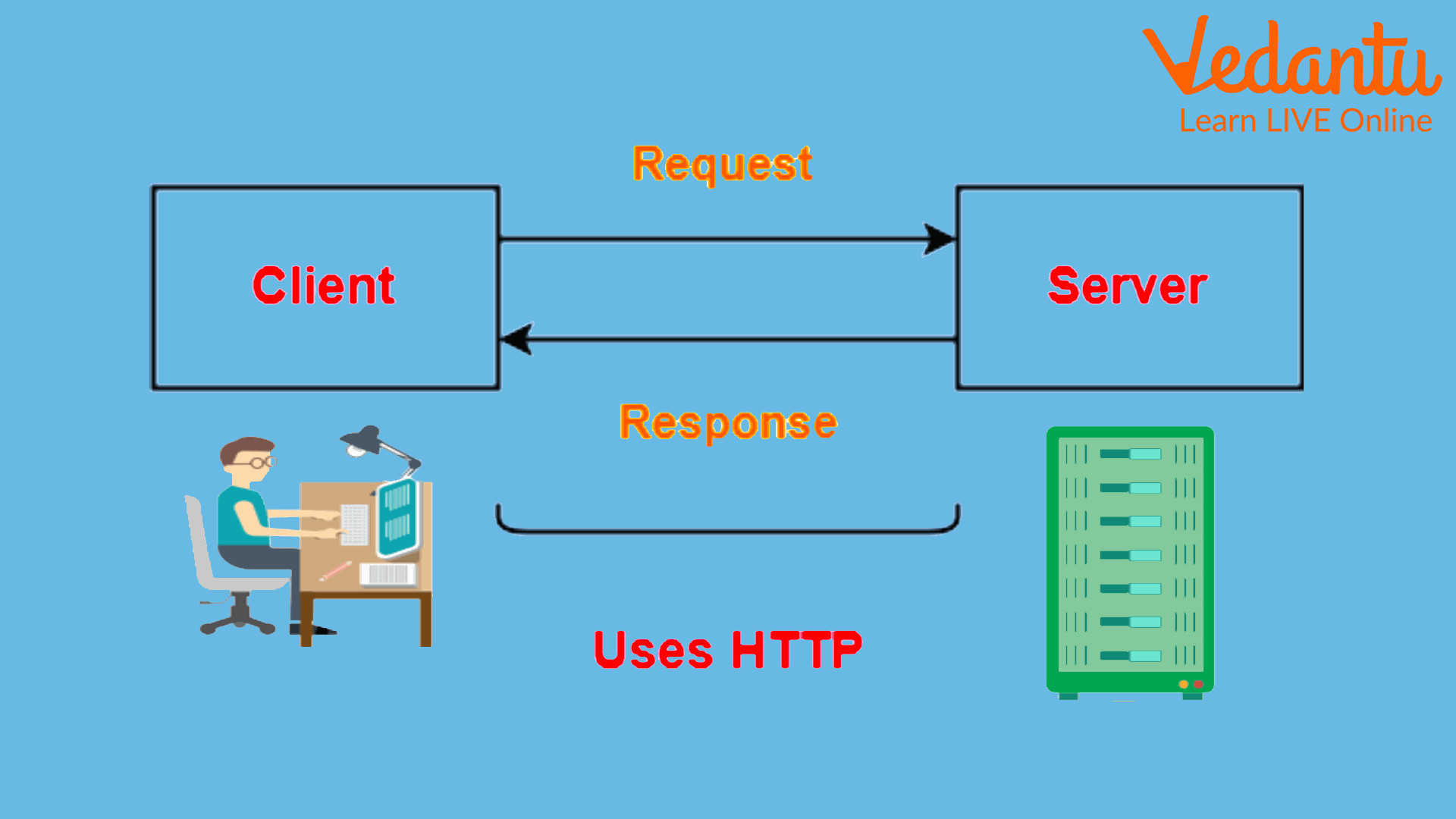
HTTP is more than just a technical standard; it’s the fundamental language that web browsers and web servers use to communicate. It’s the unseen messenger that retrieves and sends the content that makes up the World Wide Web. Understanding HTTP is akin to understanding the grammar and vocabulary of the internet itself, providing a foundational knowledge that enriches our appreciation of the digital world we inhabit.
The Foundation of Web Communication: How HTTP Works
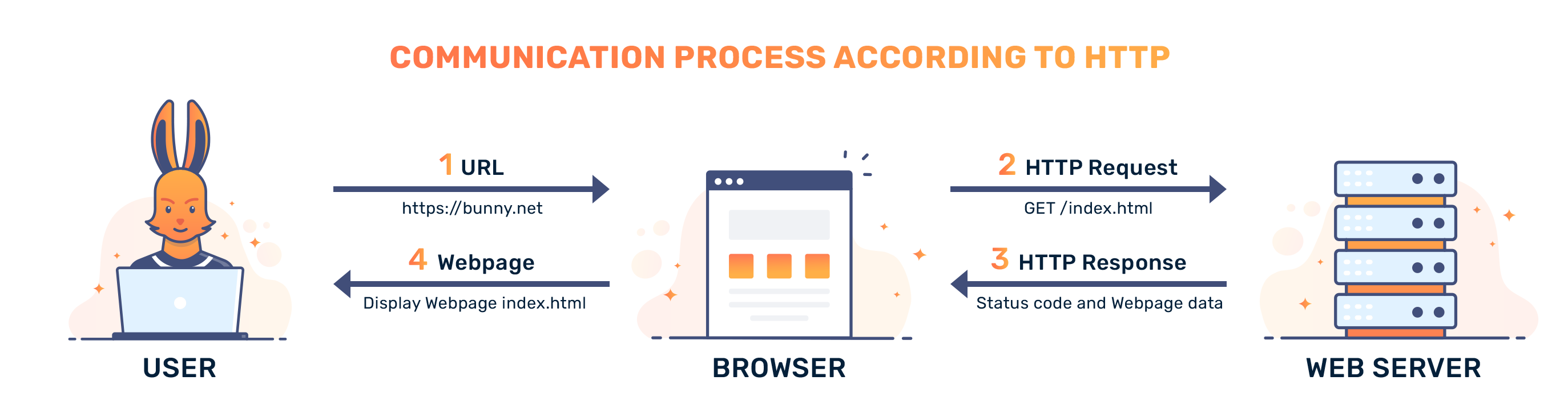
At its most basic, HTTP is a request-response protocol. Imagine a conversation between two entities: your web browser (acting as the client) and a web server (acting as the server). When you type a web address (URL) into your browser, or click on a hyperlink, your browser initiates an HTTP request. This request is essentially a set of instructions sent to the server, asking for a specific resource. This resource could be an HTML file, an image, a video, or any other piece of data that makes up a web page.
The web server, upon receiving the request, processes it. It locates the requested resource and then sends back an HTTP response. This response contains not only the requested data but also important status codes that inform the browser about the outcome of the request. For instance, a status code of 200 OK signifies that the request was successful and the resource has been delivered. Conversely, a 404 Not Found error means the requested resource couldn’t be found on the server.
This client-server model, powered by HTTP, is incredibly efficient. Your browser doesn’t need to know the intricate details of how the server stores or processes information; it simply needs to understand the HTTP language to ask for what it needs and interpret the response it receives.
The Anatomy of an HTTP Request and Response
To truly grasp HTTP, it’s beneficial to look at the structure of these requests and responses.
HTTP Request Components
An HTTP request sent by your browser typically includes:
-
Request Line: This is the first line of the request and contains three key pieces of information:
- HTTP Method: This indicates the action the client wants to perform. Common methods include:
- GET: Used to request data from a specified resource. This is the most common method, used when you simply want to view a web page.
- POST: Used to send data to a server to create or update a resource. This is often used when submitting forms, like login credentials or order details.
- PUT: Used to upload a representation of the target resource.
- DELETE: Used to delete the specified resource.
- HEAD: Similar to GET, but only retrieves the headers of a resource, not the actual content. This is useful for checking if a resource exists or its last modified date without downloading the whole file.
- Request URI (Uniform Resource Identifier): This is the address of the resource the client is requesting. For example,
/index.htmlor/images/logo.png. - HTTP Version: This specifies the version of HTTP being used, such as
HTTP/1.1orHTTP/2.
- HTTP Method: This indicates the action the client wants to perform. Common methods include:
-
Headers: These are key-value pairs that provide additional information about the request, the client, or the server. Examples include:
Host: The domain name of the server.User-Agent: Information about the client’s browser and operating system.Accept: Specifies the media types that the client can understand (e.g.,text/html,image/jpeg).Cookie: Contains any cookies the server has previously sent to the client.
-
Body (Optional): For methods like POST, the body contains the data being sent to the server.
HTTP Response Components
Once the server processes the request, it sends back an HTTP response, which also has distinct components:
-
Status Line: This line includes:
- HTTP Version: The version of HTTP the server is using.
- Status Code: A three-digit number indicating the result of the request (e.g.,
200,404,500). - Reason Phrase: A short text description of the status code (e.g.,
OK,Not Found,Internal Server Error).
-
Headers: Similar to request headers, these provide information about the response and the server. Examples include:
Content-Type: Specifies the media type of the response body (e.g.,text/html,image/png).Content-Length: The size of the response body in bytes.Server: Information about the web server software.Set-Cookie: Instructions for the client to store a cookie.
-
Body (Optional): This contains the actual resource that was requested, such as the HTML content of a web page or an image file.
Evolution and Enhancements: Beyond Basic HTTP
HTTP has been around since the early days of the World Wide Web, and it has undergone significant evolution to keep pace with the ever-increasing demands of the internet. The fundamental principles of request-response remain, but enhancements have been made to improve performance, security, and efficiency.

HTTP/1.1: The Long-Standing Standard
For many years, HTTP/1.1 was the workhorse of the web. It introduced several crucial improvements over its predecessor, HTTP/1.0, such as persistent connections (allowing multiple requests over a single TCP connection, reducing latency) and pipelining (allowing multiple requests to be sent without waiting for each response, though it had limitations). It also standardized header fields, making communication more robust and predictable.
HTTP/2: A Performance Revolution
As web pages became more complex, with numerous assets like images, scripts, and stylesheets, HTTP/1.1 started to show its limitations. HTTP/2, standardized in 2015, was a game-changer, designed to address these performance bottlenecks. Its key features include:
- Multiplexing: Allows multiple requests and responses to be interleaved over a single TCP connection. This means your browser can download many resources simultaneously without the head-of-line blocking issues of HTTP/1.1.
- Header Compression: Reduces the overhead of sending redundant header information, leading to faster transmission.
- Server Push: Allows the server to proactively send resources to the client that it anticipates the client will need, further speeding up page loading.
- Binary Protocol: Unlike HTTP/1.1 which used plain text, HTTP/2 uses a binary format, which is more efficient for machines to parse.
HTTP/3: The Future is Here
The latest iteration, HTTP/3, is built upon the foundation of HTTP/2 but introduces a radical shift by using QUIC (Quick UDP Internet Connections) as its transport protocol instead of TCP. While TCP has been the backbone of internet communication for decades, it has certain inherent limitations, especially in scenarios with packet loss. QUIC, built on UDP, offers several advantages:
- Reduced Latency: QUIC establishes connections faster than TCP and significantly reduces the “connection setup time.”
- Improved Congestion Control: QUIC’s congestion control is more robust, leading to better performance on unreliable networks.
- No Head-of-Line Blocking at the Transport Layer: Even if one data stream experiences packet loss, other streams can continue to be delivered without delay.
HTTP/3 is steadily being adopted by major browsers and web servers, promising an even faster and more resilient web experience.
The Wider Impact of HTTP: From Tech to Brand and Money
While understanding the technical intricacies of HTTP is fascinating, its true significance lies in its pervasive influence across various domains.
Tech: The Engine of Digital Innovation
For the Tech industry, HTTP is the very bedrock upon which everything else is built.
- Software Development: Developers rely on HTTP to build web applications, APIs (Application Programming Interfaces), and microservices. The ability to easily request and exchange data via HTTP enables the creation of dynamic and interactive software.
- AI Tools and Apps: The proliferation of AI tools and apps, from generative AI assistants to sophisticated data analysis platforms, heavily depends on HTTP for data retrieval, model training requests, and output delivery.
- Digital Security: While HTTP itself isn’t inherently secure (that’s where HTTPS comes in), its request-response mechanism is the foundation for secure communication protocols like TLS/SSL, which encrypt HTTP traffic. Understanding HTTP is crucial for implementing and troubleshooting digital security measures.
- Productivity: Cloud-based productivity suites, collaboration tools, and project management software all operate on HTTP, enabling seamless access and real-time synchronization of information.
Brand: Connecting with the Digital Audience
In the realm of Brand, HTTP is the invisible handshake between a company and its customers.
- Brand Strategy and Online Presence: A brand’s website is often its primary digital storefront. HTTP governs how this storefront is accessed, how quickly it loads, and how effectively it delivers its message. A slow-loading website, often a symptom of inefficient HTTP handling, can negatively impact a brand’s perception and lead to lost customers.
- Marketing and User Experience: The effectiveness of online marketing campaigns is directly tied to the user’s experience on the landing pages. HTTP ensures that these pages load swiftly and display all necessary content, from captivating images to compelling calls to action, thereby enhancing engagement and conversion rates.
- Corporate Identity and Reputation: A consistent and positive online experience, facilitated by a well-functioning HTTP infrastructure, contributes significantly to a company’s corporate identity and reputation. Conversely, website downtime or errors due to HTTP issues can damage brand trust.
- Case Studies and Data Analysis: Businesses use HTTP-based analytics tools to track user behavior on their websites. This data, gathered through HTTP requests, provides invaluable insights for refining marketing strategies, improving product offerings, and understanding customer preferences, all of which are documented in case studies.
Money: Facilitating Digital Transactions
The Money sector has been profoundly transformed by the capabilities enabled by HTTP.
- Personal Finance and Online Banking: Accessing bank accounts, managing investments, and paying bills online are all facilitated by HTTP. Secure HTTP (HTTPS) is absolutely paramount here, ensuring that sensitive financial data is protected during transmission.
- Investing and Trading Platforms: Online brokerage platforms use HTTP to deliver real-time stock quotes, execute trades, and display portfolio performance. The speed and reliability of these HTTP connections are critical for investors.
- Online Income and Side Hustles: The gig economy, e-commerce platforms, and online marketplaces all rely on HTTP for users to buy, sell, and get paid. The seamless flow of information and transactions enabled by HTTP underpins these modern income streams.
- Business Finance and E-commerce: Businesses conduct a vast amount of financial activity over HTTP, from processing customer payments to managing supply chains and invoicing. E-commerce platforms, in particular, are entirely dependent on HTTP for every step of the customer journey, from browsing products to completing a purchase.
- Financial Tools: The development and use of financial management apps, budgeting software, and investment tracking tools are all powered by HTTP, allowing for easy data synchronization and accessibility across devices.
Conclusion: The Unsung Hero of Our Digital Age
While we might not always consciously think about it, the Hypertext Transfer Protocol is the unsung hero of the modern internet. It’s the invisible conduit that allows us to share, learn, connect, and transact in ways that were unimaginable just a few decades ago. From the simplest click of a link to the most complex financial transaction, HTTP is the constant, reliable, and evolving language that keeps our digital world alive and functioning. As the internet continues to evolve, so too will HTTP, ensuring that this fundamental protocol remains at the forefront of technological innovation, shaping how we interact with information, build our brands, and manage our finances in the years to come.
aViewFromTheCave is a participant in the Amazon Services LLC Associates Program, an affiliate advertising program designed to provide a means for sites to earn advertising fees by advertising and linking to Amazon.com. Amazon, the Amazon logo, AmazonSupply, and the AmazonSupply logo are trademarks of Amazon.com, Inc. or its affiliates. As an Amazon Associate we earn affiliate commissions from qualifying purchases.