
In today’s rapidly advancing world, our understanding of health and wellness is increasingly intertwined with technological innovation and a proactive approach to personal well-being. While the title “What is HPV Test?” might initially seem solely focused on a medical procedure, when viewed through the lens of a website dedicated to Tech, Brand, and Money, it opens up a fascinating intersection of how these domains influence our health decisions, access to information, and even the financial implications of preventive care. This article aims to demystify the HPV test, exploring its significance, the technology behind it, how it impacts personal branding and health awareness, and the financial considerations involved.
Understanding the Basics: What is HPV and Why Test for It?
Human Papillomavirus (HPV) is a group of very common viruses, with over 200 related types. While many HPV types cause no symptoms and clear up on their own, some types can cause warts (on the hands, feet, or genital area), and others can lead to serious health problems, including several types of cancer. These cancers include cervical cancer, anal cancer, oropharyngeal cancer (cancer of the back of the throat), penile cancer, vaginal cancer, and vulvar cancer.
The primary reason for testing for HPV is to detect the presence of high-risk HPV types that can cause cellular changes in the cervix, which, if left untreated, can develop into cervical cancer. Early detection is crucial because precancerous changes are often asymptomatic and can only be identified through screening. Regular screening allows for the detection and treatment of these changes before they progress to invasive cancer, significantly increasing survival rates and reducing the need for more aggressive treatments.
The Silent Threat: The Link Between HPV and Cancer
The persistent infection with certain high-risk HPV genotypes is the primary cause of cervical cancer. These viruses integrate into the host cell’s DNA, disrupting normal cell growth and leading to the development of abnormal cells. Over time, these abnormal cells can multiply and spread, eventually forming cancerous tumors.
It’s important to understand that HPV is incredibly common. Most sexually active individuals will contract HPV at some point in their lives. However, the body’s immune system usually clears the infection within a couple of years. It’s the persistent infections with high-risk types that pose the significant health risk.
Who Should Get Tested and When?
The recommendations for HPV testing vary based on age and medical history. Generally, for individuals assigned female at birth, HPV testing is recommended as part of routine cervical cancer screening.
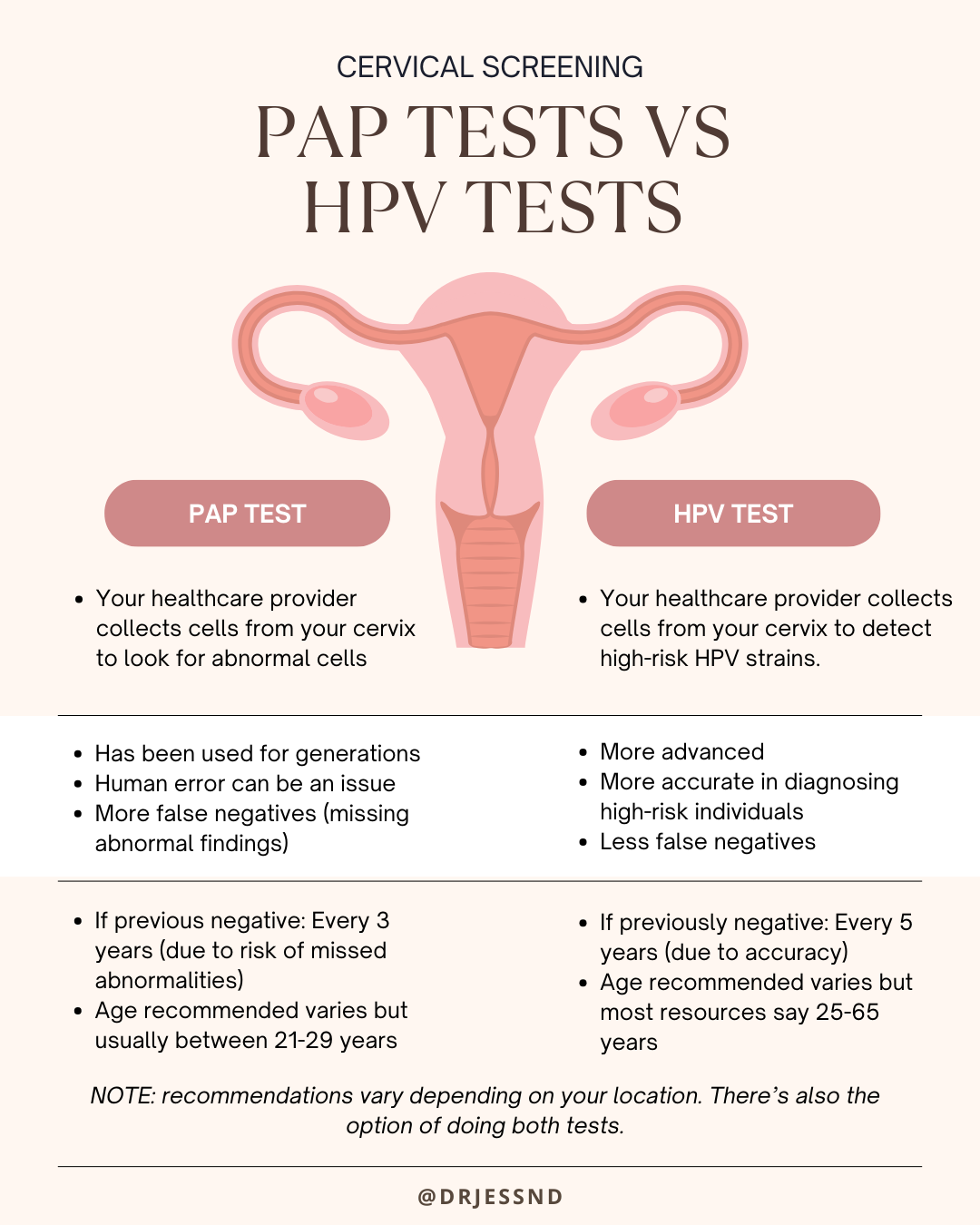
- Age 25-29: Primary screening is often done with a Pap test every three years. If the Pap test shows abnormal cells, an HPV test may be performed.
- Age 30-65: Current guidelines often recommend co-testing, where both a Pap test and an HPV test are performed every five years, or an HPV primary screening test every five years. This approach offers the highest level of protection.
- Individuals with specific risk factors or a history of abnormal results: May require more frequent or different types of testing as advised by their healthcare provider.
It is crucial to consult with a healthcare professional to determine the most appropriate screening schedule and type of test for your individual circumstances.
The Technology Behind the Test: From Lab Coats to Digital Diagnostics
The HPV test itself is a marvel of modern biotechnology and diagnostic innovation, a perfect example of how technology is revolutionizing healthcare. At its core, the test detects the genetic material (DNA or RNA) of the HPV virus.
How the HPV Test Works: Molecular Detection
The most common HPV tests used for cervical cancer screening are nucleic acid amplification tests (NAATs). These tests are highly sensitive and specific.
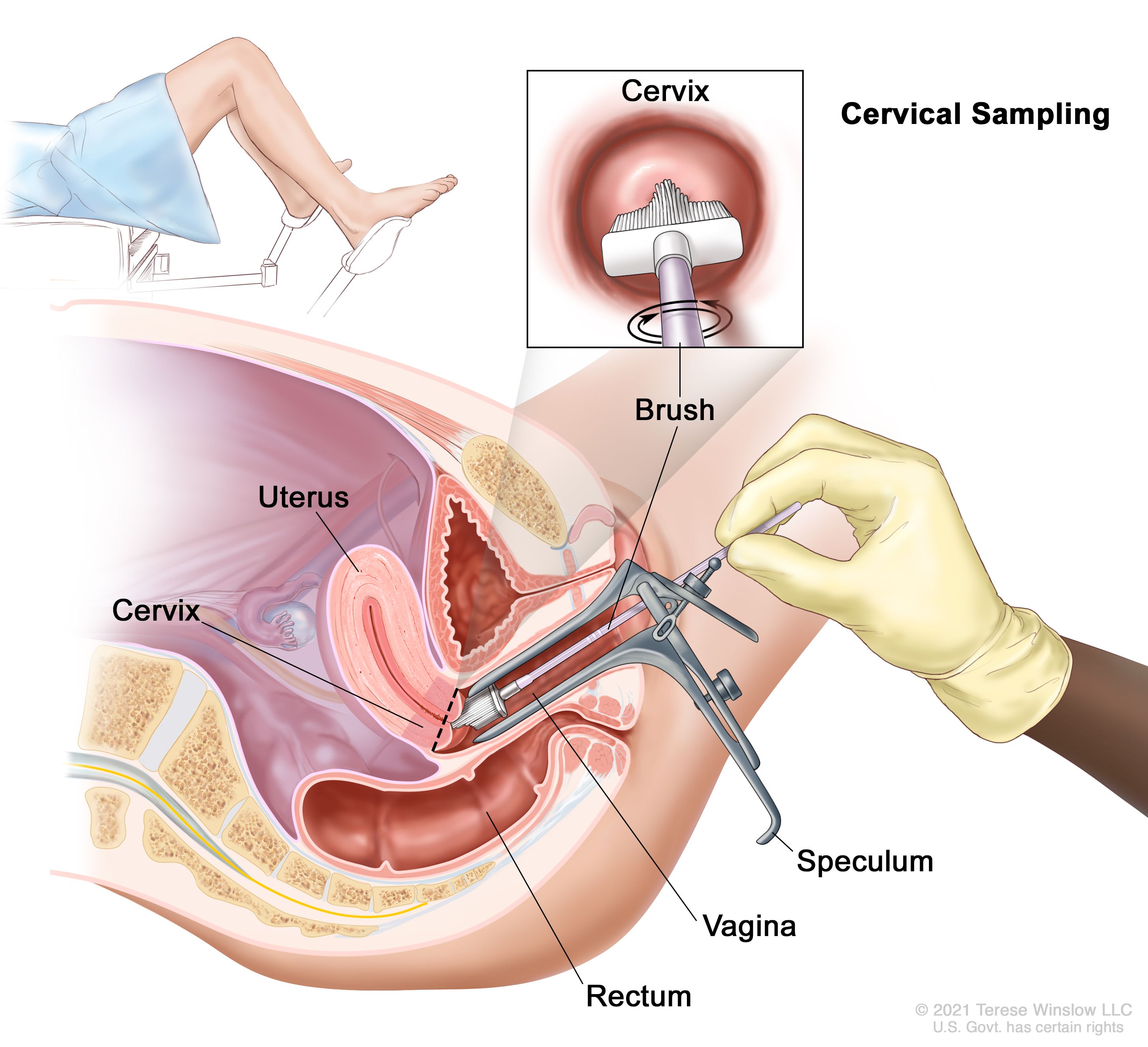
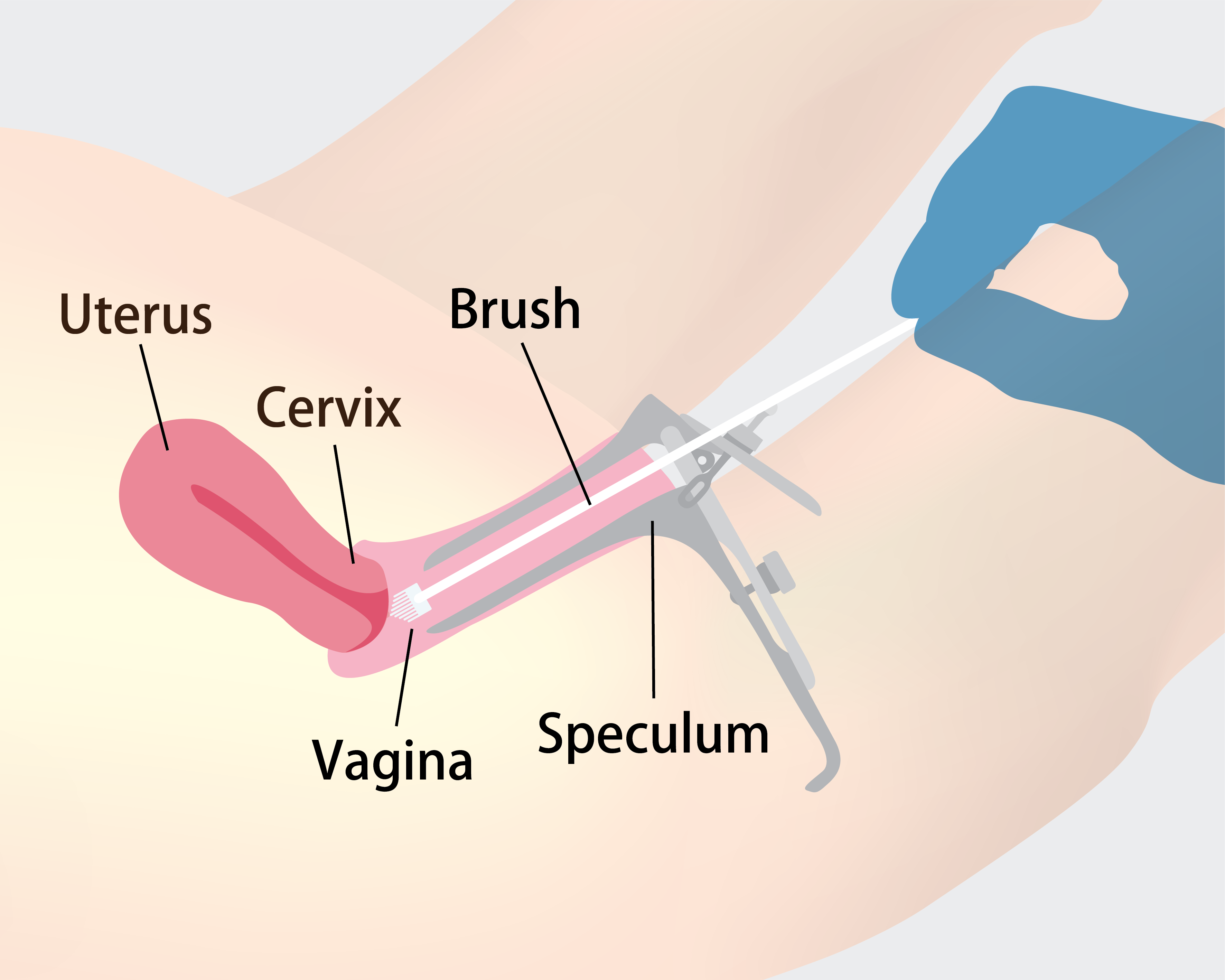
- Sample Collection: A healthcare provider collects a sample of cells from the cervix, typically during a pelvic exam. This sample can be collected using a brush or swab.
- Laboratory Analysis: The collected sample is sent to a laboratory. In the lab, specialized techniques are used to isolate and amplify any HPV DNA present in the sample.
- Detection: The amplified DNA is then tested to identify the presence of specific high-risk HPV genotypes. Some tests can also identify specific genotypes like HPV 16 and 18, which are responsible for a large proportion of HPV-related cancers.
Advancements in HPV Testing: Beyond the Lab
The field of HPV testing is continuously evolving, driven by technological advancements. We’re seeing a move towards:
- Point-of-care testing: While still in development for widespread clinical use in many regions, the goal is to develop rapid tests that can provide results in a doctor’s office, reducing the time to diagnosis and treatment.
- Self-sampling kits: These kits allow individuals to collect their own cervical samples at home, which are then mailed to a lab for analysis. This technology is particularly valuable for increasing screening rates among individuals who may have barriers to accessing traditional healthcare settings, such as those in rural areas or who experience anxiety about pelvic exams. This democratizes access to vital health information.
- Multiplex testing: Newer technologies can test for a broader range of HPV types and other relevant biomarkers simultaneously, providing more comprehensive information about an individual’s risk.
- Integration with AI and Digital Health Platforms: While not directly part of the test itself, the interpretation of results and follow-up care are increasingly being integrated into digital health platforms. AI can help in analyzing complex diagnostic data, predicting risk, and personalizing screening recommendations. Furthermore, apps and online portals provide secure access to test results and facilitate communication with healthcare providers, enhancing the patient’s engagement with their health journey.
This technological evolution not only makes testing more accurate and accessible but also empowers individuals with greater control over their health information.
HPV Testing and Your Personal Brand: Awareness, Empowerment, and Proactive Health
In the digital age, our “personal brand” extends beyond our professional or social media presence. It increasingly encompasses how we present ourselves in terms of our health, our choices, and our commitment to well-being. Taking proactive steps like getting an HPV test is a powerful component of cultivating a healthy and responsible personal brand.
Embracing Health Literacy and Open Communication
Understanding the HPV test and its implications contributes to enhanced health literacy. This means being informed about common health risks, available preventive measures, and when to seek medical advice. When you are knowledgeable about your health, you are better equipped to make informed decisions.
Furthermore, discussing your health, including your screening results, with your healthcare provider or trusted individuals fosters open communication. This transparency, whether personal or professional, builds trust and demonstrates a commitment to your own well-being.
The Power of Prevention: A Responsible Choice
Choosing to undergo HPV testing is a proactive choice that prioritizes long-term health. It signifies an understanding that prevention is often more effective and less burdensome than treatment. This commitment to prevention can be seen as a responsible aspect of your personal brand – one that conveys maturity, foresight, and a dedication to a healthy lifestyle.
For many, this also involves a conscious decision to practice safe sexual health. While HPV is extremely common, understanding its transmission and the benefits of screening can empower individuals to engage in open and honest conversations about sexual health with their partners, further strengthening their personal brand as someone who is considerate and responsible.
Navigating Social Perceptions and Reducing Stigma
Historically, discussions around sexually transmitted infections have been shrouded in stigma. However, as our understanding of HPV has grown, and as the efficacy of testing and vaccination has become clearer, there’s a positive shift happening. By openly discussing and participating in HPV screening, individuals contribute to destigmatizing these health topics. This normalization allows for more open conversations, encourages others to get tested, and ultimately saves lives. Your personal commitment to health can have a ripple effect, influencing your social circles and contributing to a more health-conscious community.
Financial Considerations of HPV Testing: Investing in Your Well-being
The financial aspect of healthcare is a significant consideration for everyone, and understanding the costs associated with HPV testing is crucial for effective personal finance management. Viewing healthcare screenings as an investment in your long-term well-being can shift the perspective from an expense to a valuable outlay.
Understanding Insurance Coverage and Out-of-Pocket Costs
The good news is that in many countries, HPV testing is covered by health insurance plans as part of routine preventive care. This coverage is often mandated by regulations aimed at promoting early cancer detection.
- Check Your Insurance Policy: It’s always advisable to contact your insurance provider or review your policy documents to understand the specifics of your coverage for HPV testing. This includes checking for co-pays, deductibles, and any limitations on the frequency of testing.
- Affordable Care Act (ACA) and Similar Mandates: In the United States, for example, the ACA mandates that most insurance plans cover recommended preventive services, including cervical cancer screenings with Pap tests and HPV tests, without cost-sharing. Similar legislation exists in other regions.
- Out-of-Pocket Expenses: If you are uninsured or your insurance plan has limited coverage, you may incur out-of-pocket expenses. These costs can vary significantly depending on the healthcare provider, the type of test performed, and your geographic location.
Exploring Financial Assistance Programs and Affordable Options
For individuals facing financial barriers to healthcare, various programs and options can help mitigate costs:
- Community Health Centers: These centers often provide services on a sliding scale based on income, making preventive screenings more accessible.
- Government Health Programs: Depending on your income and residency, you may qualify for government-subsidized health programs that cover preventive services.
- Low-Cost Clinics and Screening Events: Keep an eye out for local health departments or non-profit organizations that may offer free or low-cost screening events periodically.
- Payment Plans: Some healthcare providers offer payment plans to help spread the cost of services over time.
The Long-Term Financial Benefits of Early Detection
While there’s an upfront cost associated with any medical test, the financial implications of not getting tested can be far greater. Early detection of precancerous changes through HPV testing can prevent the development of invasive cancer. Treating advanced cancers is significantly more expensive and often involves extensive surgeries, chemotherapy, radiation therapy, and prolonged recovery periods, all of which incur substantial financial burdens and can lead to lost income.
Therefore, investing in routine HPV testing is a financially sound decision in the long run. It’s a proactive measure that can help avoid the much higher costs and personal toll of treating advanced-stage cancer, ultimately contributing to your overall financial security and peace of mind.
Conclusion: Embracing a Tech-Savvy, Brand-Conscious, and Financially Prudent Approach to HPV Health
The HPV test, seemingly a simple medical inquiry, reveals itself as a complex and interconnected facet of our lives when examined through the lenses of technology, personal branding, and financial management. From the advanced molecular diagnostics that power the tests to the digital platforms that disseminate health information, technology plays an indispensable role in our ability to understand and act upon our health.
Our personal brand is increasingly shaped by how we prioritize and manage our well-being, and proactive health screenings like the HPV test are a testament to a responsible and informed approach. By embracing health literacy, open communication, and the power of prevention, we cultivate a personal brand that radiates health consciousness and self-care.
Finally, understanding the financial landscape of HPV testing – from insurance coverage to available assistance programs – allows us to make informed decisions that align with our personal finance goals. The long-term financial benefits of early detection and prevention far outweigh the immediate costs, making HPV testing a wise investment in our overall health and financial future. By integrating these three domains, we can navigate our health with confidence, clarity, and a commitment to a healthier, more informed future.
aViewFromTheCave is a participant in the Amazon Services LLC Associates Program, an affiliate advertising program designed to provide a means for sites to earn advertising fees by advertising and linking to Amazon.com. Amazon, the Amazon logo, AmazonSupply, and the AmazonSupply logo are trademarks of Amazon.com, Inc. or its affiliates. As an Amazon Associate we earn affiliate commissions from qualifying purchases.