
While the website’s primary focus typically revolves around the dynamic world of technology, the strategic intricacies of branding, and the ever-evolving landscape of personal and business finance, it’s important to acknowledge that life presents challenges that extend beyond these domains. Understanding significant health issues, such as cancer, is a vital aspect of holistic well-being, and in this instance, we will delve into the specifics of Hodgkin’s lymphoma, a form of cancer that affects the lymphatic system. Although not directly aligned with our core thematic pillars, knowledge is power, and understanding a complex disease like Hodgkin’s can empower individuals with information, encourage proactive health management, and perhaps even foster discussions that indirectly relate to how we approach challenges, adapt to change, and manage resources – principles that resonate across all our featured topics.
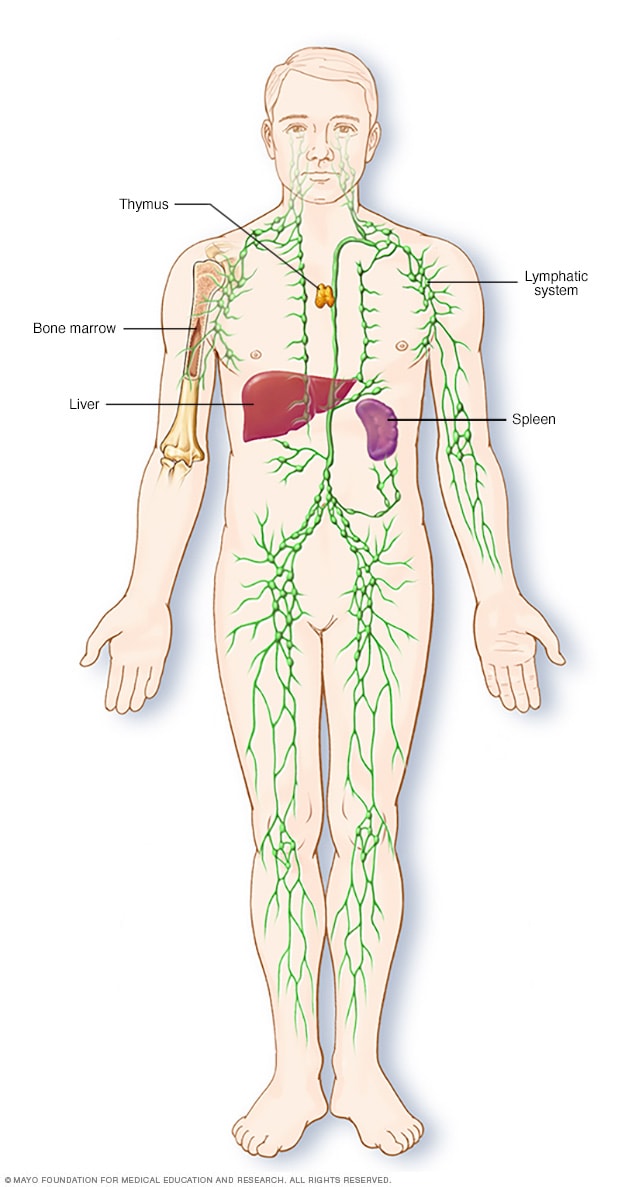
Hodgkin’s cancer, more formally known as Hodgkin’s lymphoma, is a type of cancer that originates in the lymphatic system, a crucial part of the body’s immune defense. The lymphatic system is a network of vessels and nodes that transport a clear fluid called lymph throughout the body. This system plays a vital role in fighting infection and disease. In Hodgkin’s lymphoma, lymphocytes, a type of white blood cell that fights infection, become abnormal and multiply uncontrollably, forming tumors in the lymph nodes and other parts of the lymphatic system.
Understanding the Lymphatic System and Hodgkin’s Lymphoma
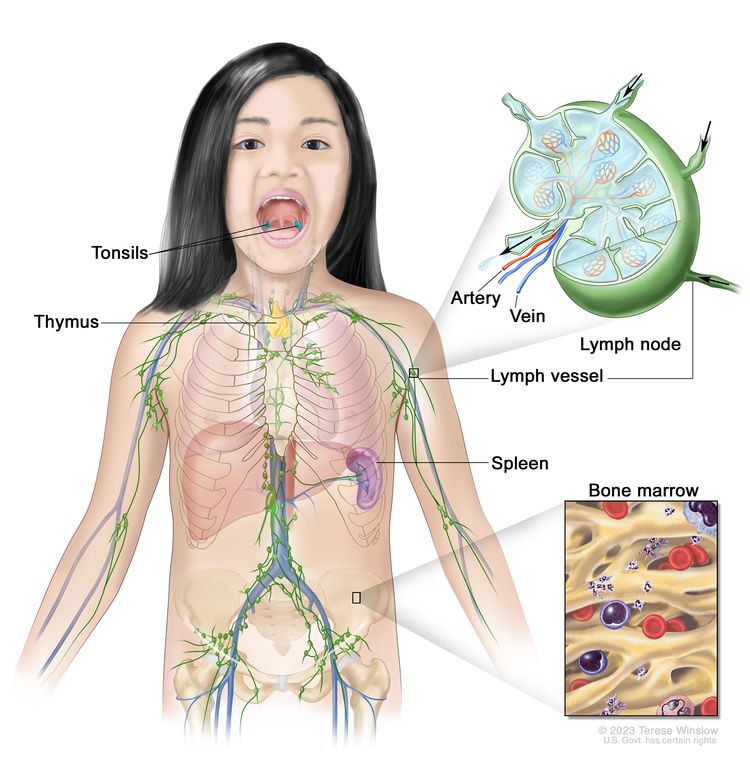
To grasp what Hodgkin’s cancer is, it’s essential to first understand the lymphatic system. This intricate network is composed of:
- Lymph Nodes: Small, bean-shaped organs scattered throughout the body, acting as filters for lymph fluid and housing immune cells. They are commonly found in the neck, armpits, groin, abdomen, and chest.
- Lymph Vessels: Tubes that carry lymph fluid throughout the body, connecting lymph nodes.
- Spleen: An organ that filters blood and plays a role in the immune system, containing lymphoid tissue.
- Thymus: A gland located in the chest that is important for the development of T-lymphocytes.
- Bone Marrow: The spongy tissue inside bones where blood cells, including lymphocytes, are produced.
- Tonsils and Adenoids: Lymphoid tissues in the throat that help trap pathogens.
Hodgkin’s lymphoma specifically arises from a type of lymphocyte called B cells. A hallmark of Hodgkin’s lymphoma is the presence of abnormal, enlarged B cells called Reed-Sternberg cells, which are typically found in lymph node biopsies. These cells are believed to be cancerous lymphocytes that have undergone specific genetic mutations. While the exact cause of these mutations is unknown, certain factors are known to increase the risk of developing Hodgkin’s lymphoma.
Types of Hodgkin’s Lymphoma
Hodgkin’s lymphoma is broadly classified into two main types based on the appearance of the cancer cells under a microscope:
Classical Hodgkin’s Lymphoma
This is the most common type, accounting for about 95% of all cases in developed countries. It is characterized by the presence of Reed-Sternberg cells, often surrounded by a mix of other inflammatory cells. Classical Hodgkin’s lymphoma is further divided into four subtypes:
- Nodular Sclerosis: The most common subtype of classical Hodgkin’s lymphoma, characterized by bands of scar-like tissue (sclerosis) within the lymph nodes. It often affects the lymph nodes in the chest and neck and is more common in adolescents and young adults.
- Mixed Cellularity: This subtype has a diverse mix of inflammatory cells surrounding the Reed-Sternberg cells. It is more common in older adults and in individuals with HIV.
- Lymphocyte-Rich: This subtype has a high number of lymphocytes, and fewer Reed-Sternberg cells are present. It generally has a good prognosis.
- Lymphocyte-Depleted: This is the least common and often the most aggressive subtype. It is characterized by a scarcity of lymphocytes and a large number of Reed-Sternberg cells. It is more often seen in older adults and individuals with HIV.
Nodular Lymphocyte-Predominant Hodgkin’s Lymphoma (NLPHL)
This rarer form of Hodgkin’s lymphoma accounts for about 5% of cases. In NLPHL, the cancerous cells are called lymphohistiocytes, which are atypical B cells that look different from Reed-Sternberg cells. NLPHL typically grows more slowly than classical Hodgkin’s lymphoma and often affects lymph nodes in the neck. While it is considered a distinct entity with a generally favorable prognosis, it can sometimes transform into a more aggressive lymphoma.
Symptoms, Diagnosis, and Staging
The symptoms of Hodgkin’s lymphoma can vary, and some individuals may experience no symptoms at all, especially in the early stages. However, common signs and symptoms include:
Common Symptoms
- Painless Swelling of Lymph Nodes: This is often the first noticeable symptom, typically occurring in the neck, armpits, or groin. The enlarged nodes are usually not tender to the touch.
- Persistent Fatigue: Feeling unusually tired and lacking energy.
- Fever: Unexplained fevers, which may come and go.
- Night Sweats: Drenching sweats that occur during sleep, often soaking the bedding.
- Unexplained Weight Loss: Losing a significant amount of weight without trying.
- Itching: Intense itching, sometimes localized to areas with swollen lymph nodes.
- Shortness of Breath or Coughing: If lymph nodes in the chest are enlarged, they can press on the airway.
- Pain in Lymph Nodes After Drinking Alcohol: This is a less common but characteristic symptom for some individuals.
Diagnosis
Diagnosing Hodgkin’s lymphoma typically involves a combination of medical history, physical examination, and several diagnostic tests:
- Biopsy: This is the most crucial step in diagnosing Hodgkin’s lymphoma. A tissue sample from an enlarged lymph node is surgically removed and examined under a microscope by a pathologist. The presence of Reed-Sternberg cells or lymphohistiocytes confirms the diagnosis and helps determine the subtype.
- Blood Tests: Blood tests are used to check the complete blood count (CBC), liver and kidney function, and levels of certain proteins and enzymes that can be affected by cancer.
- Imaging Tests:
- CT Scans (Computed Tomography): These scans create detailed cross-sectional images of the body, helping to identify the location and extent of enlarged lymph nodes and tumors in the chest, abdomen, and pelvis.
- PET Scans (Positron Emission Tomography): PET scans use a radioactive tracer that is injected into the bloodstream. Cancer cells absorb more of this tracer than normal cells, making them visible on the scan. PET scans are very useful for detecting the spread of lymphoma and assessing the response to treatment.
- X-rays: Chest X-rays can help visualize enlarged lymph nodes in the chest.
- Bone Marrow Biopsy: In some cases, a bone marrow biopsy may be performed to see if the lymphoma has spread to the bone marrow.
Staging
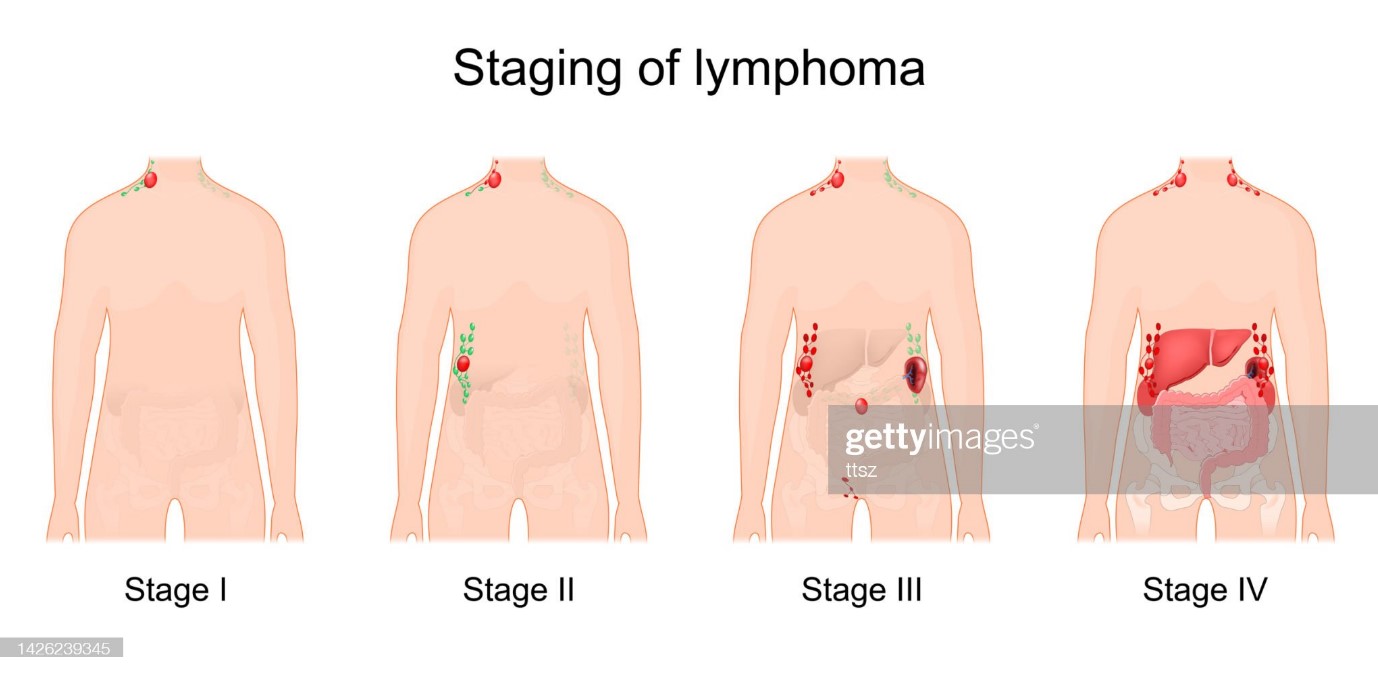
Once diagnosed, Hodgkin’s lymphoma is assigned a stage based on the extent of the disease. Staging helps doctors determine the most appropriate treatment plan and predict the prognosis. The most commonly used staging system for Hodgkin’s lymphoma is the Ann Arbor staging system, which classifies the disease into four stages:
- Stage I: The lymphoma is found in a single lymph node region or in a single organ outside the lymphatic system.
- Stage II: The lymphoma is found in two or more lymph node regions on the same side of the diaphragm, or it is localized in an organ outside the lymphatic system and in lymph nodes on the same side of the diaphragm.
- Stage III: The lymphoma is found in lymph node regions on both sides of the diaphragm, or it is found in lymph nodes on one side of the diaphragm and in an organ or area outside the lymphatic system.
- Stage IV: The lymphoma is widespread, affecting one or more organs outside the lymphatic system and lymph nodes, or it has spread to bone marrow, spleen, or liver.
The staging also includes information about the presence of “B symptoms” (fever, night sweats, and unexplained weight loss), which can indicate more widespread disease.
Treatment and Prognosis
The good news about Hodgkin’s lymphoma is that it is generally a highly treatable cancer, especially when diagnosed early. Treatment approaches have advanced significantly over the years, leading to high cure rates.
Treatment Options
The primary treatment modalities for Hodgkin’s lymphoma include:
- Chemotherapy: This involves using drugs to kill cancer cells. For Hodgkin’s lymphoma, a combination of chemotherapy drugs is typically used, with common regimens like ABVD (Adriamycin, Bleomycin, Vinblastine, Dacarbazine) being highly effective.
- Radiation Therapy: This uses high-energy rays to destroy cancer cells. Radiation therapy is often used in combination with chemotherapy, particularly in earlier stages of the disease or to target specific areas where the lymphoma was located.
- Immunotherapy: This type of treatment uses the body’s own immune system to fight cancer. Newer immunotherapies, such as checkpoint inhibitors, are being increasingly used, especially for relapsed or refractory cases.
- Stem Cell Transplant: For individuals with relapsed or refractory Hodgkin’s lymphoma, a stem cell transplant (also known as bone marrow transplant) may be an option. This involves high-dose chemotherapy followed by the infusion of healthy stem cells to restore the bone marrow.
Prognosis
The prognosis for Hodgkin’s lymphoma is generally excellent. Factors that influence the prognosis include:
- Stage of the disease at diagnosis: Earlier stages generally have better outcomes.
- Type and subtype of lymphoma: Some subtypes are more aggressive than others.
- Patient’s age and overall health: Younger, healthier individuals tend to tolerate treatment better and have better outcomes.
- Response to treatment: How well the cancer responds to initial therapy is a key indicator.
- Presence of B symptoms: As mentioned, these can sometimes indicate more advanced disease.
In recent years, cure rates for Hodgkin’s lymphoma have risen to over 80-90% for many patients, particularly those with early-stage disease. Even for individuals with more advanced stages or who experience a relapse, significant advancements in treatment offer hope for long-term remission and survival.
Living with and Beyond Hodgkin’s Lymphoma
A diagnosis of Hodgkin’s lymphoma can be overwhelming, but with effective treatments available, many individuals go on to live full and healthy lives. The journey doesn’t end with remission; it extends to managing potential long-term side effects of treatment and maintaining overall well-being.
Long-Term Side Effects of Treatment
While treatments are highly effective, they can sometimes lead to long-term side effects. These can vary depending on the specific treatments received and the duration of treatment. Some potential long-term side effects include:
- Cardiovascular Issues: Certain chemotherapy drugs and radiation therapy to the chest can increase the risk of heart problems.
- Pulmonary Issues: Radiation therapy to the chest can affect lung function.
- Infertility: Some chemotherapy drugs and radiation can impact fertility.
- Secondary Cancers: In rare cases, treatments for Hodgkin’s lymphoma can increase the risk of developing other types of cancer later in life.
- Thyroid Problems: Radiation to the neck can affect thyroid function.
Regular follow-up appointments with healthcare providers are crucial for monitoring for and managing these potential long-term effects.
Maintaining Well-being
For survivors of Hodgkin’s lymphoma, focusing on a healthy lifestyle is paramount. This includes:
- Balanced Diet: Eating a nutritious diet rich in fruits, vegetables, and whole grains.
- Regular Exercise: Engaging in physical activity as tolerated to maintain strength and energy.
- Adequate Sleep: Prioritizing sufficient rest for recovery and overall health.
- Stress Management: Employing techniques like mindfulness, meditation, or engaging in hobbies to manage stress.
- Strong Social Support: Connecting with family, friends, and support groups can provide emotional strength and practical assistance.
While Hodgkin’s cancer is a serious diagnosis, advancements in medical science have transformed it into a highly curable disease for most. Understanding its nature, symptoms, and treatment options empowers individuals to navigate this health challenge with knowledge and resilience. This journey, while distinct from our usual focus on technology, branding, and finance, underscores a universal principle: preparedness, informed decision-making, and proactive management are key to overcoming obstacles and achieving positive outcomes, regardless of the domain.
aViewFromTheCave is a participant in the Amazon Services LLC Associates Program, an affiliate advertising program designed to provide a means for sites to earn advertising fees by advertising and linking to Amazon.com. Amazon, the Amazon logo, AmazonSupply, and the AmazonSupply logo are trademarks of Amazon.com, Inc. or its affiliates. As an Amazon Associate we earn affiliate commissions from qualifying purchases.