
The phrase “high blood alcohol level” often conjures images of extreme intoxication, but the reality is nuanced. It refers to a concentration of alcohol in the bloodstream that can lead to significant impairment and pose serious health risks. Understanding what constitutes a high blood alcohol level (BAC) is crucial, not just for legal reasons, but for personal safety and well-being. While the immediate effects are often evident, the long-term consequences and the technical aspects of how BAC is measured and interpreted are equally important to comprehend.
This article delves into the definition of a high BAC, its various levels of impact, and the factors influencing it. We will also touch upon the technological advancements in BAC detection, the branding implications for businesses that may be associated with alcohol consumption, and the financial consequences that can arise from alcohol-related issues.
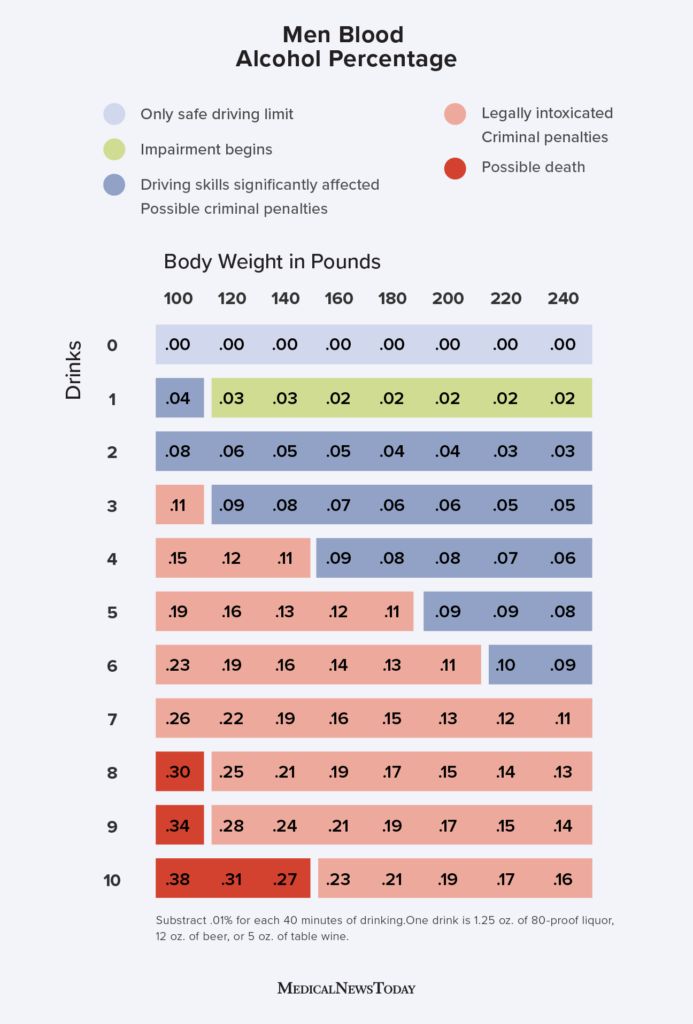
Understanding Blood Alcohol Concentration (BAC)
Blood Alcohol Concentration, or BAC, is the most common way to measure the level of alcohol in a person’s body. It is expressed as a percentage of alcohol by volume in the blood. For example, a BAC of 0.08% means that there are 0.08 grams of alcohol for every 100 grams of blood. This measurement is not arbitrary; it’s a scientifically derived figure that directly correlates with the degree of intoxication and its effects on the body and brain.
How BAC is Measured: From Breathalyzers to Lab Tests
The accurate measurement of BAC is paramount for understanding intoxication levels. While several methods exist, each with its own level of precision and accessibility, they all aim to quantify the alcohol present.
Breath Analysis Technology
The most common method for roadside BAC testing is the breathalyzer. This device, which has seen significant technological advancements over the years, works on the principle that a portion of the alcohol consumed is eliminated from the body through the lungs. As you exhale, the alcohol vapor present in your breath is analyzed. Modern breathalyzers utilize sophisticated sensors, often electrochemical or infrared, to detect and quantify the alcohol molecules. The accuracy of these devices is critical, especially in law enforcement, and they undergo regular calibration and certification. The evolution of this technology has led to more portable, user-friendly, and reliable devices, making them an indispensable tool in promoting road safety.
Blood and Urine Tests: The Gold Standard
While breathalyzers are convenient, direct blood tests are considered the most accurate method for determining BAC. A blood sample is drawn and analyzed in a laboratory using gas chromatography or other advanced analytical techniques. This method provides a definitive measurement, often used in legal proceedings or medical settings where precise data is essential. Urine tests can also provide an indication of alcohol consumption, though they are generally less precise for determining current intoxication levels as alcohol is eliminated from urine faster than from blood.
Factors Influencing BAC Levels
It’s a common misconception that everyone who drinks the same amount of alcohol will have the same BAC. In reality, numerous factors influence how quickly and how high an individual’s BAC will climb. Understanding these variables is key to responsible alcohol consumption.
Metabolism and Body Composition
An individual’s metabolism plays a significant role in how their body processes alcohol. Enzymes in the liver, primarily alcohol dehydrogenase (ADH), break down alcohol. Factors like genetics, age, and even gender can influence the efficiency of these enzymes. Body composition is also a crucial determinant. Alcohol is distributed in body water. Therefore, individuals with a higher percentage of body fat will tend to have a higher BAC after consuming the same amount of alcohol as someone with more muscle mass and less body fat, as the alcohol will be more concentrated in a smaller volume of body water.
Food Consumption and Drink Type
The presence of food in the stomach significantly impacts alcohol absorption. Consuming alcohol on an empty stomach leads to rapid absorption into the bloodstream, resulting in a higher and faster-rising BAC. Food, particularly fatty foods, slows down the rate at which alcohol empties from the stomach into the small intestine, where most absorption occurs. The type of alcoholic beverage also has an effect. Carbonated drinks can accelerate alcohol absorption, while drinks with a higher alcohol percentage will naturally lead to a higher BAC more quickly.
Defining “High” Blood Alcohol Levels and Their Effects
The term “high blood alcohol level” isn’t a single, fixed number; rather, it represents a range where impairment becomes increasingly severe and dangerous. Legal definitions of intoxication often use BAC thresholds, but the physiological effects of alcohol begin to manifest at much lower levels.
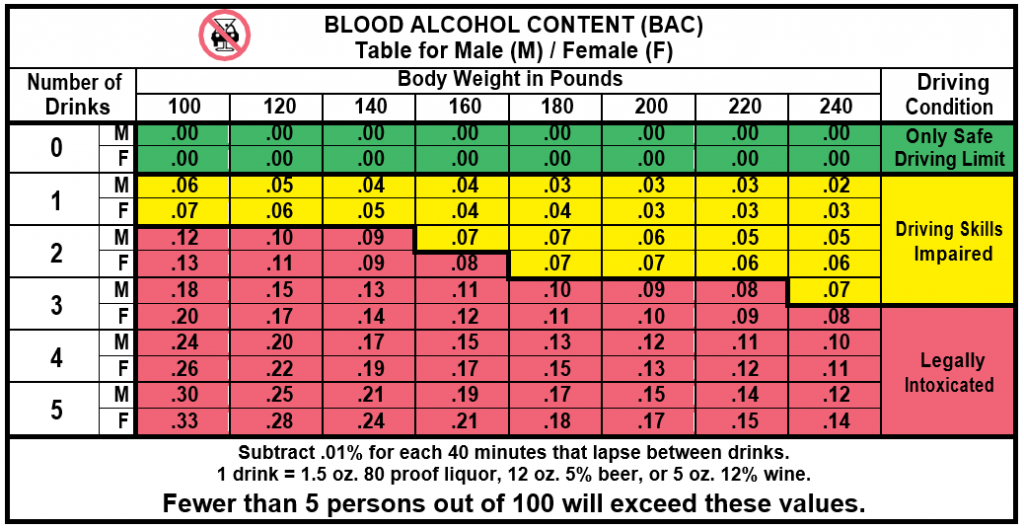
Legal Thresholds and Impairment
In most jurisdictions, a BAC of 0.08% is the legal limit for driving. This threshold is established because research has shown that at this level, a driver’s cognitive and motor skills are significantly impaired, increasing the risk of accidents. However, it’s vital to understand that impairment can begin at much lower BACs, and some individuals may be noticeably affected by alcohol even below the legal limit. Many countries and states also have stricter BAC limits for commercial drivers and individuals under the legal drinking age.
Levels of Intoxication and Their Risks
As BAC levels rise, so does the risk of severe impairment and adverse health outcomes.
Mild to Moderate Impairment (e.g., 0.02% – 0.05%)
Even at relatively low BACs, effects such as relaxed inhibitions, mild euphoria, and slight impairment in judgment and coordination can be observed. At 0.02%, for instance, a person might feel warmer and slightly more relaxed. By 0.05%, judgment is clearly impaired, and reaction time begins to slow, making activities like driving potentially dangerous.
Significant Impairment and Danger (e.g., 0.06% – 0.15%)
This range marks a significant increase in impairment. At 0.08%, driving is illegal due to severely compromised reaction time, visual acuity, and the ability to process information. As BAC climbs towards 0.15%, individuals may experience exaggerated emotions, significant loss of balance, vomiting, and a distorted sense of perception. The risk of accidents and injuries escalates dramatically.
Severe Intoxication and Life-Threatening Risks (e.g., 0.16% – 0.30% and above)
BACs above 0.16% indicate severe intoxication. Individuals in this range often exhibit slurred speech, difficulty walking, confusion, and potential blackouts (anterograde amnesia). At BACs of 0.20% and higher, individuals may experience nausea and vomiting, a significant loss of coordination, and may appear dazed or confused. A BAC of 0.30% can lead to unconsciousness, and a BAC of 0.40% or higher is considered potentially fatal, as it can depress vital life functions, leading to coma and death. The risk of alcohol poisoning is extremely high at these levels.
Beyond the Numbers: The Broader Implications of High BAC
While understanding the numerical thresholds of BAC is important, the implications of high blood alcohol levels extend far beyond personal intoxication. They impact societal structures, business operations, and individual financial well-being.
Technological Solutions for Monitoring and Prevention
The continuous development of technology plays a significant role in addressing issues related to alcohol consumption. Beyond breathalyzers used by law enforcement, there are emerging technologies aimed at personal monitoring and responsible drinking. These include smart devices that can estimate BAC, apps that track alcohol intake and provide alerts, and even wearable sensors that monitor physiological indicators related to alcohol consumption. These innovations, often driven by advancements in AI and sensor technology, aim to empower individuals to make more informed decisions about their alcohol intake and to provide tools for rehabilitation and support.
Brand Responsibility and Reputation Management
For brands, particularly those in the beverage industry, managing the perception of alcohol consumption is a critical aspect of brand strategy and reputation. Marketing campaigns must be mindful of responsible drinking messages, and corporate identity should reflect an understanding of the potential harms associated with excessive alcohol intake. Case studies in brand management often highlight the importance of ethical advertising and the long-term impact of perceived irresponsibility. A brand associated with promoting or implicitly condoning high BAC levels risks significant damage to its reputation and consumer trust. Conversely, brands that actively promote moderation and safety can build a more positive and sustainable brand identity.
Financial and Personal Consequences of Alcohol Abuse
The repercussions of high blood alcohol levels can have profound financial implications. Legal offenses related to drunk driving can result in hefty fines, increased insurance premiums, and the loss of driving privileges, all of which impact personal finances. Beyond legal costs, alcohol abuse can lead to lost productivity, job termination, and long-term health issues that incur significant medical expenses. For individuals, understanding these financial risks is an important part of personal finance management. The cumulative effect of alcohol-related problems can derail financial goals, lead to debt, and impact the ability to secure future income. The ripple effect of alcohol abuse on individuals and their families can create a cycle of financial hardship that is difficult to break.

Conclusion
Understanding what constitutes a high blood alcohol level is more than just knowing legal limits; it’s about comprehending the physiological effects, the factors that influence intoxication, and the wider societal and personal consequences. From the technological advancements in BAC measurement to the brand responsibilities and the tangible financial impacts, the issue of alcohol consumption and its associated risks is multifaceted. By fostering awareness and promoting responsible decision-making, individuals and society can mitigate the dangers associated with high BAC and work towards healthier, safer outcomes.
aViewFromTheCave is a participant in the Amazon Services LLC Associates Program, an affiliate advertising program designed to provide a means for sites to earn advertising fees by advertising and linking to Amazon.com. Amazon, the Amazon logo, AmazonSupply, and the AmazonSupply logo are trademarks of Amazon.com, Inc. or its affiliates. As an Amazon Associate we earn affiliate commissions from qualifying purchases.