
The title “What is Hepatitis C?” might seem like a straightforward medical query, but in today’s interconnected world, understanding such a health condition is increasingly interwoven with the digital landscape. While the core of Hepatitis C is a biological and medical issue, the way we access, process, and even potentially manage information about it is deeply influenced by technology, branding, and the financial implications surrounding healthcare. This article explores Hepatitis C through the lens of the topics that define our digital existence: Tech, Brand, and Money, offering a comprehensive overview relevant to anyone navigating the vast sea of online health resources.
Understanding Hepatitis C: The Biological and Medical Core
Before delving into the digital and societal aspects, it’s crucial to grasp the fundamental nature of Hepatitis C.
The Virus and Its Impact
Hepatitis C is a viral infection primarily affecting the liver. It’s caused by the Hepatitis C virus (HCV), a blood-borne pathogen. Unlike some other viral infections, the human body rarely clears the HCV infection on its own. This persistent infection can lead to serious liver damage over time, including cirrhosis (scarring of the liver) and liver cancer.
The transmission of Hepatitis C predominantly occurs through contact with infected blood. Historically, this was most commonly associated with:
- Sharing needles or syringes: This is the most prevalent route of transmission, particularly among intravenous drug users.
- Receiving blood transfusions or organ transplants before 1992: Before widespread screening of blood products, this was a significant transmission pathway.
- Needlestick injuries in healthcare settings: Healthcare workers are at risk if exposed to infected blood.
- Sharing personal items: Such as razors or toothbrushes that may have come into contact with infected blood.
- Unsafe tattooing or piercing practices: If equipment is not properly sterilized, transmission can occur.
It’s important to note that Hepatitis C is not spread through casual contact like hugging, kissing, or sharing food and utensils.
Symptoms and Diagnosis
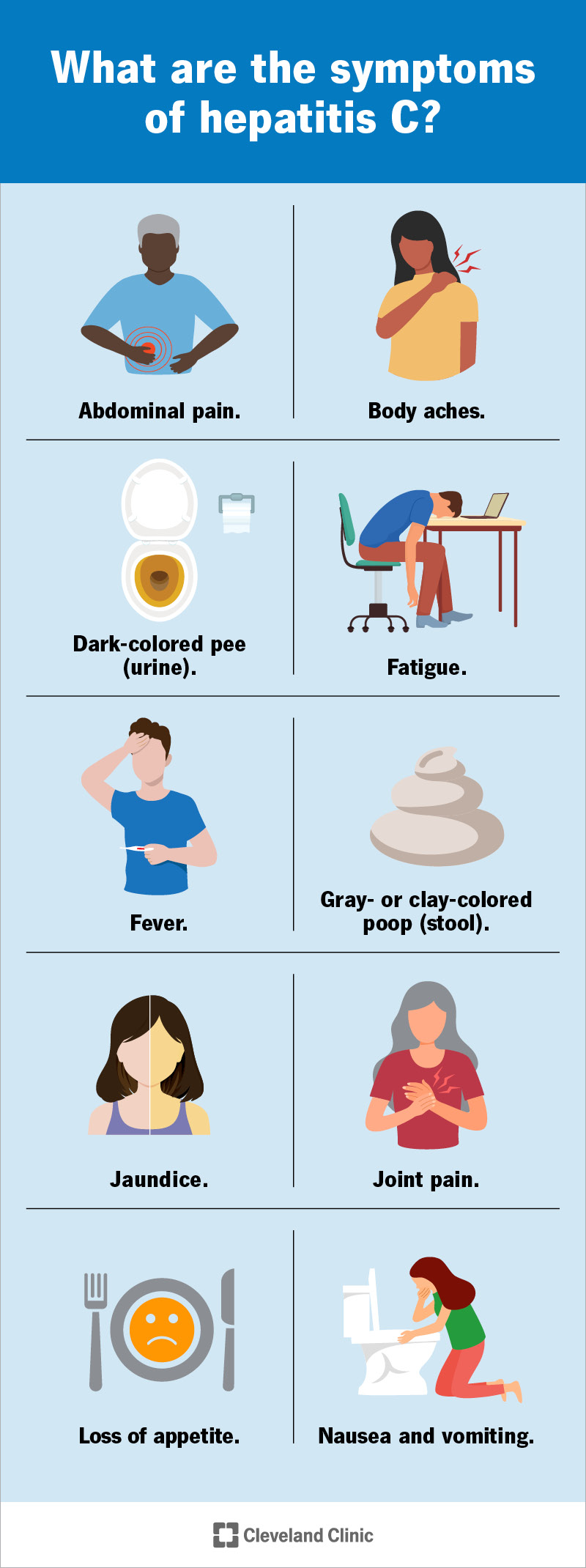
Many people infected with Hepatitis C have no symptoms, especially in the early stages of the infection. When symptoms do appear, they are often vague and can be mistaken for other illnesses. These may include:
- Fatigue
- Nausea
- Loss of appetite
- Abdominal pain
- Jaundice (yellowing of the skin and eyes)
- Dark urine
- Joint pain
A diagnosis of Hepatitis C typically involves a two-step process:
- Antibody Test: This blood test detects antibodies that the body produces to fight the virus. A positive result indicates exposure to the virus.
- RNA Test: If the antibody test is positive, an RNA test is performed to confirm the presence of the active virus in the blood. This test also helps determine the viral load and genotype.
Further tests, such as liver enzyme tests and imaging (ultrasound, CT scan, MRI), may be used to assess the extent of liver damage.
Treatment and Prevention
The landscape of Hepatitis C treatment has undergone a revolution. Historically, treatment options were limited, often involving interferon and ribavirin, which had significant side effects and lower cure rates. However, the development of Direct-Acting Antivirals (DAAs) has transformed Hepatitis C into a curable disease for most individuals.
DAAs are highly effective medications that directly target the virus, leading to cure rates exceeding 95% with a course of treatment typically lasting 8-12 weeks. These treatments are generally well-tolerated with minimal side effects.
Prevention strategies focus on avoiding exposure to infected blood:
- Safe injection practices: For individuals who inject drugs, using sterile needles and syringes and never sharing them is paramount.
- Screening of blood and organ donations: This is a routine part of blood and organ donation processes.
- Universal precautions in healthcare settings: Healthcare professionals adhere to strict protocols to prevent exposure.
- Ensuring sterile equipment for medical procedures: Including tattooing and body piercing.
Hepatitis C in the Digital Age: Tech, Brand, and Money
The understanding and management of Hepatitis C are increasingly influenced by the digital world, touching upon technology, brand perception, and financial considerations.
Navigating Health Information: The Role of Tech
The internet has become the primary source of health information for many. For a condition like Hepatitis C, this accessibility offers both immense benefits and significant challenges.
1. AI Tools and Health Information Discovery
Artificial Intelligence (AI) is rapidly transforming how we find and process information. For someone searching “what is Hepatitis C,” AI-powered search engines and health platforms can:
- Surface relevant and accurate information: AI algorithms can sift through vast amounts of data to identify authoritative sources like government health organizations (CDC, WHO), reputable medical journals, and established patient advocacy groups.
- Provide personalized insights: In the future, AI could potentially analyze an individual’s search history and offer tailored information about symptoms, risk factors, or local treatment centers based on their location and previous queries.
- Summarize complex medical jargon: AI tools are being developed to simplify complex medical literature, making it more understandable for the general public. This is invaluable for understanding diagnostic reports, treatment protocols, and research findings related to Hepatitis C.
- Chatbots for initial inquiries: AI-powered chatbots can answer frequently asked questions about Hepatitis C, its transmission, symptoms, and basic treatment information, freeing up healthcare professionals for more complex patient interactions. However, it’s crucial to emphasize that chatbots are not a substitute for professional medical advice.

2. Digital Security and Patient Privacy
When searching for health information, particularly sensitive topics like Hepatitis C, digital security and patient privacy are paramount.
- Secure Browsing: Users should be aware of secure browsing practices, ensuring websites have HTTPS in their URLs and looking for privacy seals.
- Data Protection: Health apps and online portals that store personal health information must adhere to strict data protection regulations (like HIPAA in the US). Understanding how your data is collected, stored, and used is crucial.
- Phishing and Misinformation: The digital space is rife with misinformation and phishing scams. Users need to be vigilant about identifying fraudulent websites or emails that might ask for personal information or promote unproven treatments for Hepatitis C.
- Anonymity: For individuals seeking information about sensitive conditions, maintaining anonymity can be important. Using VPNs or private browsing modes can offer an extra layer of privacy.
3. Apps and Digital Health Tools
The proliferation of health apps offers new avenues for managing and understanding Hepatitis C:
- Symptom Trackers: Apps can help individuals track symptoms, medication adherence, and appointments, providing valuable data for discussions with their healthcare provider.
- Medication Reminders: For those undergoing treatment, apps can send timely reminders, ensuring adherence to complex treatment regimens.
- Educational Platforms: Many apps are designed to educate users about specific conditions. For Hepatitis C, these could offer interactive modules on transmission, prevention, and treatment options.
- Telemedicine Integration: Some health platforms integrate with telemedicine services, allowing individuals to consult with specialists remotely, which can be particularly beneficial for those in underserved areas or who have mobility issues.
The Brand of Health: Reputation and Trust in the Digital Space
The “brand” of health information and healthcare providers plays a significant role in how individuals perceive and engage with health conditions like Hepatitis C.
1. Building Trust: Reputation of Health Organizations
When searching for “what is Hepatitis C,” the reputation of the source is critical.
- Authoritative Brands: Organizations like the Centers for Disease Control and Prevention (CDC), the World Health Organization (WHO), and national health institutes (e.g., NIH in the US) have established strong brands built on scientific rigor and public service. Information from these sources is generally considered highly reliable.
- Medical Institutions: Reputable hospitals, universities, and research centers often have extensive online resources and patient education materials about Hepatitis C, further solidifying their trusted brand.
- Patient Advocacy Groups: Organizations dedicated to Hepatitis C support and awareness (e.g., HepVOA, National Viral Hepatitis Roundtable) build their brand through community engagement, patient stories, and advocacy, providing a valuable perspective.
2. Personal Branding in Healthcare
While less direct for understanding a disease, the personal brand of healthcare professionals can influence patient trust. Doctors, nurses, and researchers who actively share their expertise through blogs, social media, or online lectures can build a personal brand that fosters confidence and encourages patients to seek their guidance.
3. Marketing of Treatments and Services
The pharmaceutical industry, which develops Hepatitis C treatments, employs sophisticated marketing strategies. Understanding these “brands” of medication is important:
- Brand vs. Generic: While DAAs have significantly reduced treatment costs, understanding the difference between branded medications and their generic equivalents, especially concerning accessibility and insurance coverage, is vital.
- Transparency in Marketing: Consumers should be wary of aggressive marketing campaigns for unproven treatments or miracle cures for Hepatitis C. Reputable treatments are typically promoted through evidence-based channels and discussed with healthcare professionals.
The Financial Landscape of Hepatitis C
Hepatitis C has significant financial implications, both for individuals seeking treatment and for healthcare systems.
1. Cost of Treatment and Insurance Coverage
The advent of DAAs, while highly effective, initially came with a high price tag. This has spurred discussions and initiatives around making treatment more affordable.
- Insurance Barriers: Navigating insurance coverage for Hepatitis C treatment can be complex. Understanding deductibles, co-pays, and prior authorization requirements is crucial for individuals seeking treatment.
- Patient Assistance Programs: Pharmaceutical companies and non-profit organizations often offer patient assistance programs to help reduce the out-of-pocket costs for Hepatitis C medications.
- Generic Availability: As patents expire, generic versions of DAAs become available, significantly lowering costs and improving access. This is a major topic in discussions about financial accessibility.
2. Economic Impact of Chronic Hepatitis C
For individuals who do not receive timely diagnosis and treatment, chronic Hepatitis C can lead to severe liver disease, requiring expensive interventions like liver transplants or management of liver cancer. This highlights the economic rationale for widespread screening and early treatment.
3. Online Income and Healthcare Costs
For individuals managing their health and potentially juggling side hustles or online income streams, the financial burden of healthcare can be substantial. Understanding how health insurance intersects with different income models, and how to budget for potential medical expenses related to Hepatitis C, is an important aspect of personal finance.
- Freelancer Healthcare: Freelancers or those with non-traditional employment may need to explore individual health insurance plans or marketplace options to secure coverage for Hepatitis C treatment.
- Budgeting for Health: Incorporating potential healthcare costs into personal budgets is a responsible financial practice, especially for conditions that may require ongoing or specialized care.

Conclusion: A Holistic Approach to Understanding Hepatitis C
The question “what is Hepatitis C?” is no longer confined to the pages of medical textbooks. In the digital age, it’s a query that requires us to consider the interplay of technology, brand perception, and financial realities. By understanding how AI tools can help us find reliable information, how the brand of health organizations builds trust, and the financial implications of diagnosis and treatment, we can approach this health condition with a more informed and empowered perspective. Navigating the digital landscape for health information demands critical thinking, vigilance against misinformation, and a proactive approach to managing both our health and our finances. As technology continues to evolve, so too will the ways we learn about and combat diseases like Hepatitis C, making a holistic, digitally-aware approach essential for well-being.
aViewFromTheCave is a participant in the Amazon Services LLC Associates Program, an affiliate advertising program designed to provide a means for sites to earn advertising fees by advertising and linking to Amazon.com. Amazon, the Amazon logo, AmazonSupply, and the AmazonSupply logo are trademarks of Amazon.com, Inc. or its affiliates. As an Amazon Associate we earn affiliate commissions from qualifying purchases.