
The human heart, a marvel of biological engineering, beats tirelessly from the moment we are conceived until our last breath. This rhythmic contraction and expansion, known as the heart pulse or heart rate, is far more than just a biological function; it’s a fundamental indicator of our overall health, a dynamic reflection of our physical and emotional state, and a crucial metric that modern technology is increasingly helping us understand and optimize. While the phrase “heart pulse” might seem straightforward, delving into its intricacies reveals a fascinating interplay of biology, technology, and even our personal finance and brand.

The Biological Symphony: Understanding the Heart’s Beat
At its core, the heart pulse is the number of times the heart beats in one minute. Each beat represents a cycle of contraction (systole) where blood is pumped out to the body, and relaxation (diastole) where the heart chambers refill with blood. This coordinated action is orchestrated by the heart’s electrical system, a sophisticated network that generates and conducts impulses, ensuring a regular and efficient pumping rhythm.
The Electrical Conductor: The Sinoatrial (SA) Node
The natural pacemaker of the heart is the sinoatrial (SA) node, located in the upper right atrium. This specialized group of cells spontaneously generates electrical impulses at a regular rate. These impulses then spread across the atria, causing them to contract and push blood into the ventricles.
The Relay Station: The Atrioventricular (AV) Node
The electrical signal then reaches the atrioventricular (AV) node, situated between the atria and ventricles. The AV node acts as a critical relay station, briefly delaying the impulse before transmitting it to the ventricles. This slight delay is crucial, allowing the atria to fully empty their blood into the ventricles before the ventricles contract.
The Pumping Powerhouses: The Ventricles
From the AV node, the electrical impulse travels through the bundle of His and Purkinje fibers, which rapidly conduct the signal throughout the ventricular walls. This synchronized electrical activation causes the ventricles to contract forcefully, pumping oxygenated blood to the rest of the body (left ventricle) and deoxygenated blood to the lungs (right ventricle). This entire cycle, from one electrical impulse to the next, constitutes a single heartbeat.
Factors Influencing Heart Pulse
The resting heart rate, typically measured when a person is relaxed and at rest, varies from individual to individual. Several factors can influence this rate:
- Age: Infants and children generally have higher heart rates than adults. As we age, our heart rate tends to decrease slightly.
- Fitness Level: Individuals who are physically fit, particularly endurance athletes, often have lower resting heart rates. This is because their hearts are more efficient and can pump more blood with each beat, requiring fewer beats per minute.
- Body Size: While generally less significant than other factors, larger body mass can sometimes be associated with a slightly higher heart rate.
- Medications: Certain medications can affect heart rate, either increasing or decreasing it.
- Emotional State: Stress, anxiety, excitement, and even happiness can temporarily elevate heart rate.
- Body Temperature: A fever can increase heart rate as the body works harder to fight infection.
- Hydration Levels: Dehydration can strain the cardiovascular system, leading to an increased heart rate.
- Stimulants: Caffeine, nicotine, and certain drugs can all stimulate the heart and raise its pulse.
The Tech Pulse: Monitoring and Optimizing Heart Health
In today’s digitally driven world, technology plays an increasingly vital role in understanding and managing our heart pulse. From sophisticated medical devices to everyday wearable gadgets, a wealth of tools are available to track, analyze, and even help improve our cardiovascular health. This intersection of technology and biology offers unprecedented insights into our bodies and empowers us to make proactive decisions about our well-being.
Wearable Technology: The Smart Heart Monitor
The rise of smartwatches and fitness trackers has revolutionized personal health monitoring. These devices, equipped with photoplethysmography (PPG) sensors, can continuously or periodically measure heart rate by detecting changes in blood volume in the capillaries of the wrist. This data is then often synced to companion apps, providing users with a detailed history of their heart rate throughout the day and during various activities.
Key Technological Advancements:
- Continuous Heart Rate Monitoring: Many wearables now offer 24/7 heart rate tracking, capturing not only resting heart rate but also fluctuations during exercise, sleep, and periods of stress.
- Heart Rate Variability (HRV) Analysis: Beyond just the beat-to-beat count, advanced wearables can measure HRV, the variation in time between consecutive heartbeats. HRV is a powerful indicator of the autonomic nervous system’s balance and can offer insights into stress levels, recovery, and overall physiological resilience.
- ECG Capabilities: Some higher-end smartwatches and dedicated devices now incorporate electrocardiogram (ECG) capabilities. These devices can detect irregular heart rhythms, such as atrial fibrillation (AFib), a common and potentially serious condition.
- Sleep Tracking and Heart Rate: Integrated sleep tracking often correlates heart rate patterns with sleep stages, providing a holistic view of cardiovascular health during rest.
- Activity Zone Tracking: Wearables use heart rate data to define different “zones” during exercise, helping users optimize their training intensity for specific goals, such as fat burning or cardiovascular improvement.
AI and Machine Learning: Unlocking Deeper Insights
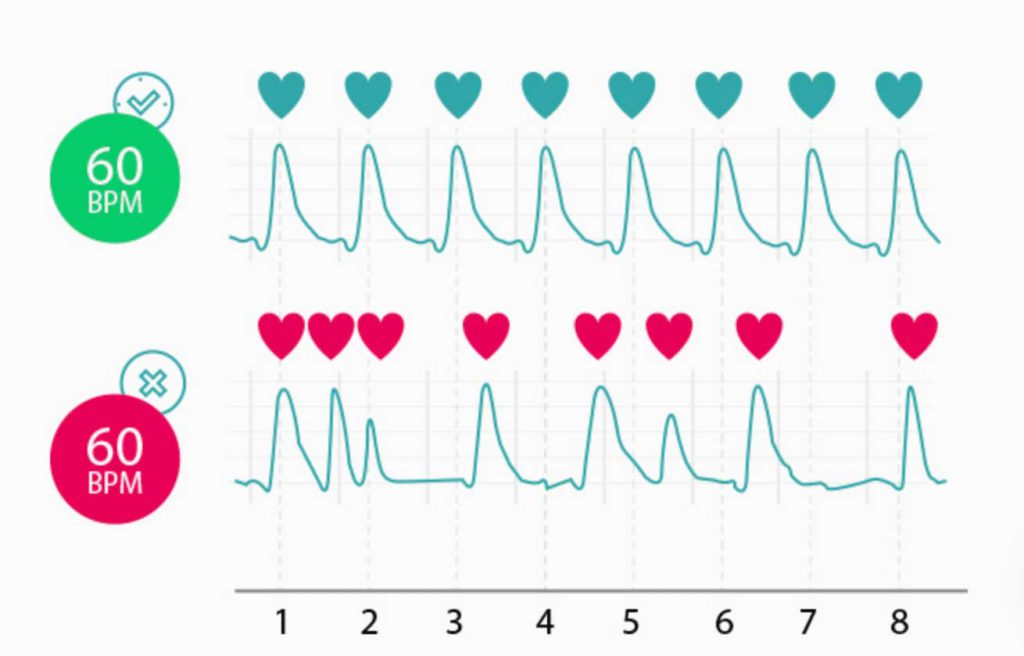
The sheer volume of data generated by wearable devices is being increasingly analyzed by artificial intelligence (AI) and machine learning (ML) algorithms. These powerful tools can identify subtle patterns and anomalies that might be missed by human observation, leading to earlier detection of potential health issues.
AI’s Role in Heart Pulse Analysis:
- Predictive Analytics: AI can analyze historical heart rate data, alongside other physiological metrics and lifestyle factors, to predict potential health risks, such as the likelihood of developing certain cardiovascular conditions.
- Personalized Recommendations: Based on individual heart rate data and activity levels, AI can provide personalized recommendations for exercise, stress management, and even sleep optimization.
- Anomaly Detection: AI algorithms are adept at spotting irregular heart rate patterns that could indicate underlying medical conditions, prompting users to consult with healthcare professionals.
- Improved Algorithm Accuracy: Machine learning continuously refines the algorithms used in heart rate monitoring devices, leading to more accurate and reliable readings over time.
The Brand Pulse: Heart Health as a Personal and Corporate Asset
Understanding and actively managing our heart pulse extends beyond personal well-being; it has significant implications for our personal brand and even the branding of corporations. In a society that increasingly values health and vitality, a strong cardiovascular foundation can be a powerful personal asset. Similarly, companies that prioritize employee well-being, including cardiovascular health, can build a positive and attractive corporate identity.
Personal Branding: Projecting Vitality and Resilience
Our physical health, including the health of our heart, plays a crucial role in how we are perceived by others. When we are energetic, focused, and appear healthy, it naturally enhances our personal brand.
- First Impressions: Appearing healthy and vibrant can contribute to a positive first impression in professional and social settings.
- Energy and Stamina: A well-functioning cardiovascular system provides the energy and stamina needed to perform at our best, whether in demanding work projects or engaging in personal pursuits.
- Stress Management: By understanding and managing our heart rate, we can improve our ability to cope with stress, which is crucial for maintaining a composed and effective personal brand.
- Longevity and Productivity: Investing in heart health is an investment in our long-term productivity and ability to contribute meaningfully to our careers and lives.
Corporate Identity: Fostering a Culture of Well-being
Forward-thinking companies recognize that their employees are their most valuable asset. Promoting heart health initiatives can be a significant component of a robust corporate identity and brand strategy.
- Employee Wellness Programs: Offering access to fitness trackers, health screenings, and educational resources on cardiovascular health demonstrates a company’s commitment to its employees’ well-being.
- Reduced Healthcare Costs: Healthier employees generally have lower healthcare costs for the company.
- Increased Productivity and Engagement: Employees who feel cared for and are healthier are often more productive, engaged, and loyal.
- Attractive Employer Brand: A company known for prioritizing employee health is more attractive to top talent, enhancing its reputation and competitive edge.
- Brand Case Studies: Companies can showcase their commitment to employee well-being as a positive case study, demonstrating their values and creating a compelling narrative for their brand.
The Money Pulse: Financial Health and Cardiovascular Well-being
The connection between our “money pulse” and our “heart pulse” might not be immediately obvious, but it’s a significant and often overlooked aspect of our overall well-being. Financial stress can have a detrimental impact on cardiovascular health, and conversely, good financial management can contribute to a healthier and less stressful life.
The Stress-Heart Connection
Financial worries, debt, and economic instability are major sources of chronic stress. This chronic stress can lead to elevated heart rate, increased blood pressure, and inflammation, all of which are risk factors for heart disease.
- Anxiety and Sleeplessness: Financial concerns often trigger anxiety and disrupt sleep patterns, further exacerbating stress and its negative physiological effects.
- Unhealthy Coping Mechanisms: Some individuals may resort to unhealthy coping mechanisms, such as smoking or overeating, to deal with financial stress, further compromising their heart health.
- Delayed Healthcare: Financial constraints can sometimes lead individuals to postpone or forgo essential medical check-ups and treatments, including those related to cardiovascular health.

Financial Health as a Pathway to Heart Health
Prioritizing financial well-being can have a positive ripple effect on our cardiovascular health.
- Reducing Financial Stress: Effective personal finance management, including budgeting, saving, and investing, can alleviate financial worries and reduce stress levels.
- Access to Better Healthcare: Having financial stability allows for better access to quality healthcare, preventive measures, and timely treatment when needed.
- Investing in Well-being: Financial resources can be allocated towards healthy lifestyle choices, such as nutritious food, gym memberships, and stress-reducing activities.
- Online Income and Side Hustles: Exploring avenues for online income and side hustles can provide financial security and a sense of control, thereby reducing financial stress.
- Financial Tools and Resources: Utilizing financial planning tools and seeking advice from financial professionals can empower individuals to make informed decisions and achieve their financial goals, contributing to peace of mind.
In conclusion, the “heart pulse” is a multifaceted concept that extends far beyond a simple biological measurement. It’s a vital sign that resonates across technology, brand perception, and financial well-being. By understanding its intricacies, leveraging technological advancements for monitoring and optimization, and recognizing its impact on our personal and corporate brands, as well as our financial stability, we can cultivate a more holistic approach to health, leading to a more vibrant and fulfilling life.
aViewFromTheCave is a participant in the Amazon Services LLC Associates Program, an affiliate advertising program designed to provide a means for sites to earn advertising fees by advertising and linking to Amazon.com. Amazon, the Amazon logo, AmazonSupply, and the AmazonSupply logo are trademarks of Amazon.com, Inc. or its affiliates. As an Amazon Associate we earn affiliate commissions from qualifying purchases.