
The term “H5N1 virus” might sound like a purely scientific or medical designation, but its implications ripple far beyond the laboratory, touching upon areas as diverse as global security, economic stability, and even the digital tools we use to disseminate information. While its primary domain is avian influenza, understanding H5N1 necessitates a broader perspective, considering its potential societal impacts and the technological and strategic approaches to its containment and mitigation.
The Nature of the H5N1 Beast: A Microscopic Threat with Macro Implications
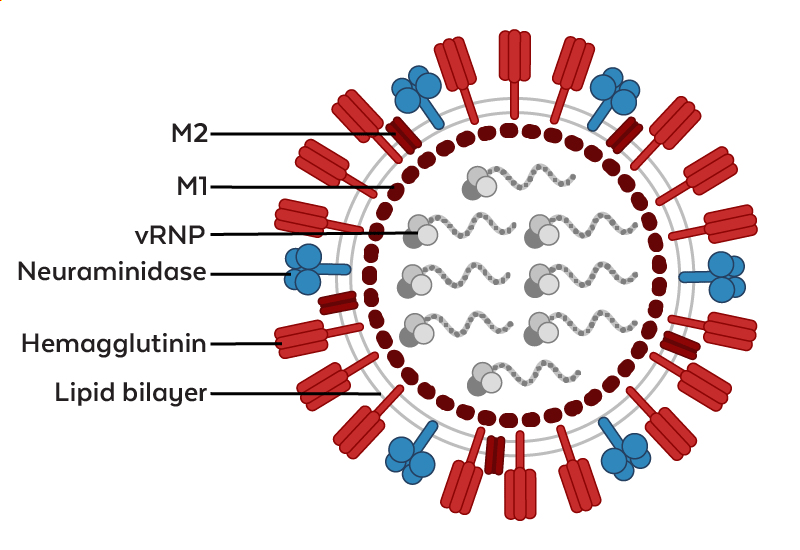
At its core, H5N1 is a highly pathogenic avian influenza A virus. The “H” stands for hemagglutinin, and the “N” for neuraminidase – proteins on the surface of the virus that play crucial roles in its ability to infect host cells and spread. The “5” and “1” denote specific subtypes of these proteins. This virus is predominantly found in birds, particularly wild waterfowl, which act as natural reservoirs. For decades, H5N1 has been circulating among avian populations, causing devastating outbreaks in poultry farms worldwide.
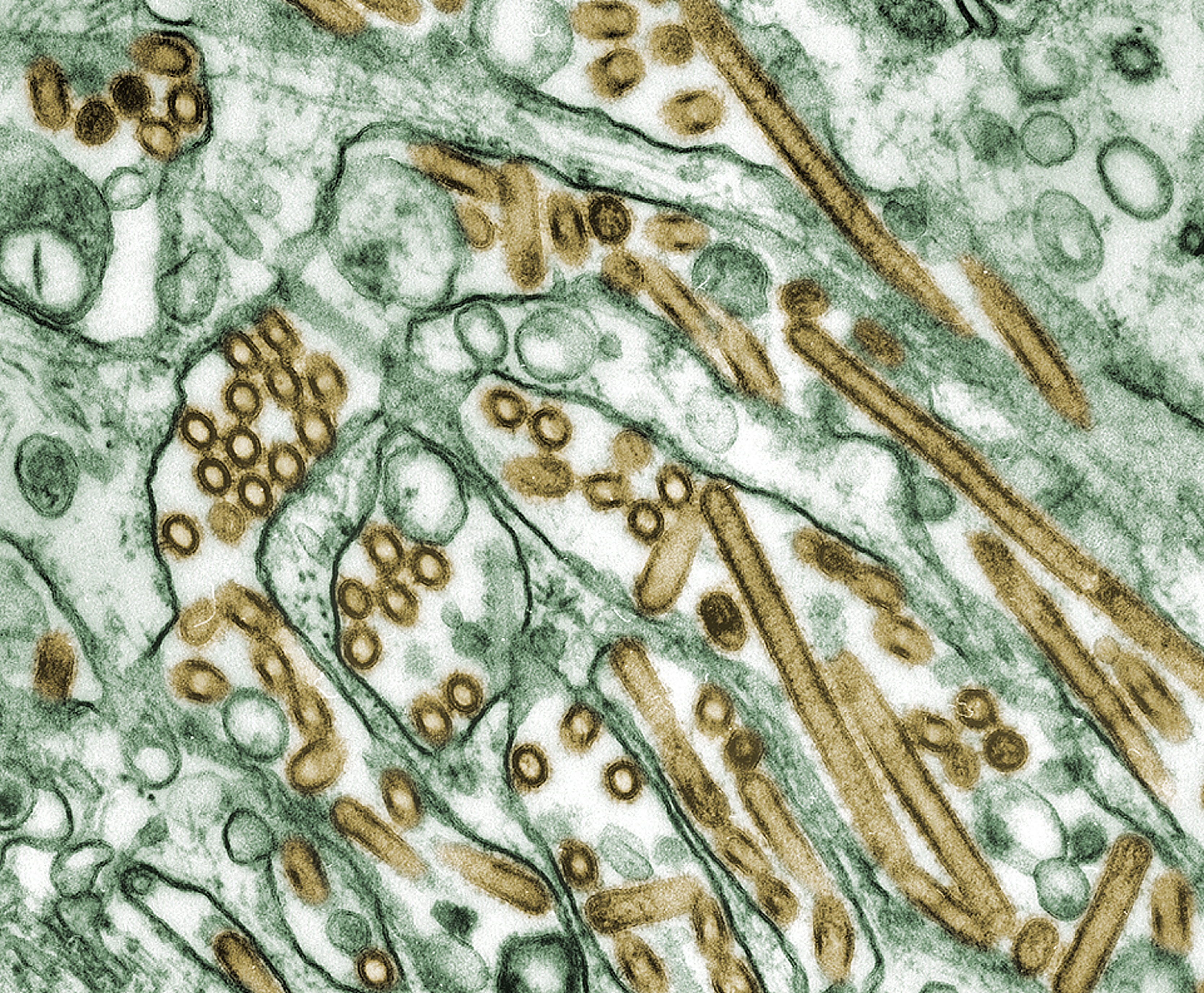
The concern surrounding H5N1 stems from its high mortality rate in birds and, more critically, its potential to jump from birds to humans (zoonotic transmission). While such transmissions have historically been rare, they have often resulted in severe illness and a high fatality rate in infected humans. This is why H5N1 is constantly monitored by public health organizations globally. The fear is that a mutation could occur, allowing the virus to spread more easily between humans, potentially triggering a pandemic.
Understanding Viral Evolution and its H5N1 Manifestations
Viral evolution is a constant process, driven by random mutations. For a virus like H5N1, this means that its genetic makeup can change over time. These changes can influence several key characteristics:
- Transmissibility: How easily the virus can spread from one host to another. This is the most significant concern regarding human-to-human transmission.
- Virulence: The severity of the disease the virus causes. While H5N1 is highly virulent in birds, its virulence in humans can vary.
- Host Specificity: The range of species the virus can infect. While primarily an avian virus, H5N1 has demonstrated the ability to infect mammals, including humans, cats, dogs, and even seals.
The ongoing circulation of H5N1 in bird populations, combined with its sporadic human infections, creates a fertile ground for the virus to potentially adapt to new hosts. Scientists are particularly vigilant about any signs of the virus acquiring the ability to spread efficiently from person to person. This monitoring is a complex scientific endeavor, requiring sophisticated diagnostic tools and extensive data analysis.
The Brand of H5N1: Reputation Management and Public Perception
While not a “brand” in the traditional marketing sense, the H5N1 virus carries a distinct reputation. Its association with severe illness and potential pandemic scenarios instills a sense of fear and caution. This “brand” influences how governments, health organizations, and the public react to outbreaks.
Building Trust and Communicating Risk: The H5N1 Narrative
The way information about H5N1 is communicated significantly shapes public perception and response. This involves:
- Transparency and Accuracy: Health authorities must provide clear, accurate, and timely information about outbreaks, risks, and recommended safety measures. Misinformation or a lack of transparency can lead to panic or complacency.
- Strategic Communication: Developing effective communication strategies is crucial. This involves understanding different audiences, tailoring messages, and utilizing various channels – from public health announcements to social media campaigns. The goal is to educate, reassure, and guide public behavior.
- Reputation Management for Health Systems: In the event of a significant H5N1 outbreak, the reputation of national and international health systems will be tested. Their ability to respond effectively, manage resources, and coordinate efforts will be paramount.
The “brand” of H5N1 also impacts industries. For example, the poultry industry faces significant reputational challenges during outbreaks, requiring proactive measures to ensure biosecurity and maintain consumer confidence.
The Money Behind the Mitigation: Financial and Economic Ramifications of H5N1
The threat of H5N1 has substantial financial and economic implications, ranging from the costs of disease surveillance and control to the potential disruption of global trade and economies.
The Economic Footprint of Avian Influenza: Costs and Investments
- Disease Surveillance and Control: Significant investments are made in monitoring bird populations, testing for the virus, and implementing control measures like culling infected poultry. These efforts are costly but essential to prevent wider outbreaks and potential human infections.
- Vaccine Development and Stockpiling: Pharmaceutical companies are involved in developing and, in some cases, stockpiling influenza vaccines. This represents a significant financial outlay, driven by the potential demand in the event of a pandemic.
- Economic Disruption: A widespread H5N1 outbreak could lead to severe economic disruption. Travel restrictions, trade embargoes on agricultural products, and widespread illness among the workforce could cripple industries and impact global supply chains. The fear of such a disruption can itself lead to economic uncertainty.
- Healthcare Costs: Treating human cases of H5N1, especially severe ones requiring intensive care, incurs substantial healthcare costs.
The economic impact of H5N1 underscores the importance of investing in preparedness. This includes not only funding research and surveillance but also developing robust public health infrastructure capable of responding to emerging threats.
Tech’s Role in the H5N1 Fight: Digital Tools and Data in Defense
The technological landscape plays a critical role in understanding, tracking, and responding to the H5N1 virus. From sophisticated data analysis to communication platforms, technology is an indispensable ally.
Leveraging Digital Security and AI for H5N1 Preparedness
- Data Analytics and Predictive Modeling: Advanced analytical tools, including artificial intelligence (AI) and machine learning, are employed to analyze vast datasets related to avian populations, human infections, and viral genetic sequences. This helps in identifying patterns, predicting potential outbreak hotspots, and understanding viral evolution. AI can accelerate the process of identifying concerning mutations and their potential implications.
- Digital Surveillance and Early Warning Systems: Technologies enable real-time monitoring of influenza activity in both animal and human populations. This includes the use of mobile apps for reporting unusual animal deaths, sophisticated laboratory diagnostic tools, and interconnected health information systems that can flag anomalies.
- Digital Security and Information Integrity: In an era of rapid information dissemination, ensuring the integrity of data related to H5N1 is paramount. Digital security measures protect sensitive health data and prevent the spread of misinformation, which can have detrimental consequences during a public health crisis. Cybersecurity is essential to protect the digital infrastructure used for monitoring and response.
- Communication and Collaboration Platforms: Technology facilitates seamless communication and collaboration among scientists, public health officials, and governments worldwide. Secure online platforms and collaboration tools enable the rapid sharing of information, research findings, and response strategies. This is crucial for a coordinated global effort against a potential pandemic.
- AI in Vaccine Research and Drug Discovery: AI is increasingly being used to accelerate the process of identifying potential vaccine candidates and antiviral drugs. By analyzing molecular structures and predicting interactions, AI can significantly speed up the early stages of drug and vaccine development, a critical advantage when facing a rapidly evolving virus like H5N1.
The development and application of these technological solutions are not just about responding to H5N1; they are about building a more resilient global health security framework capable of addressing future emerging infectious diseases. The constant evolution of technology means that our tools for combating threats like H5N1 are continuously improving, offering new avenues for early detection, rapid response, and effective containment. This symbiotic relationship between scientific understanding, strategic planning, financial investment, and technological innovation is our strongest defense against the persistent threat of the H5N1 virus.
aViewFromTheCave is a participant in the Amazon Services LLC Associates Program, an affiliate advertising program designed to provide a means for sites to earn advertising fees by advertising and linking to Amazon.com. Amazon, the Amazon logo, AmazonSupply, and the AmazonSupply logo are trademarks of Amazon.com, Inc. or its affiliates. As an Amazon Associate we earn affiliate commissions from qualifying purchases.