
While the immediate association with “H. pylori” conjures up images of biological systems and medical implications, understanding this bacterium in the context of our modern, digitally-driven world reveals surprising parallels and connections. In an era defined by technological advancements, brand narratives, and financial considerations, H. pylori’s persistent presence and the strategies employed to combat it offer valuable insights that resonate across various domains. This article will explore the nature of H. pylori, its implications, and how concepts from technology, branding, and finance can help us conceptualize and manage this pervasive health challenge.
Understanding the Microbial Menace: The Biological Foundation of H. Pylori
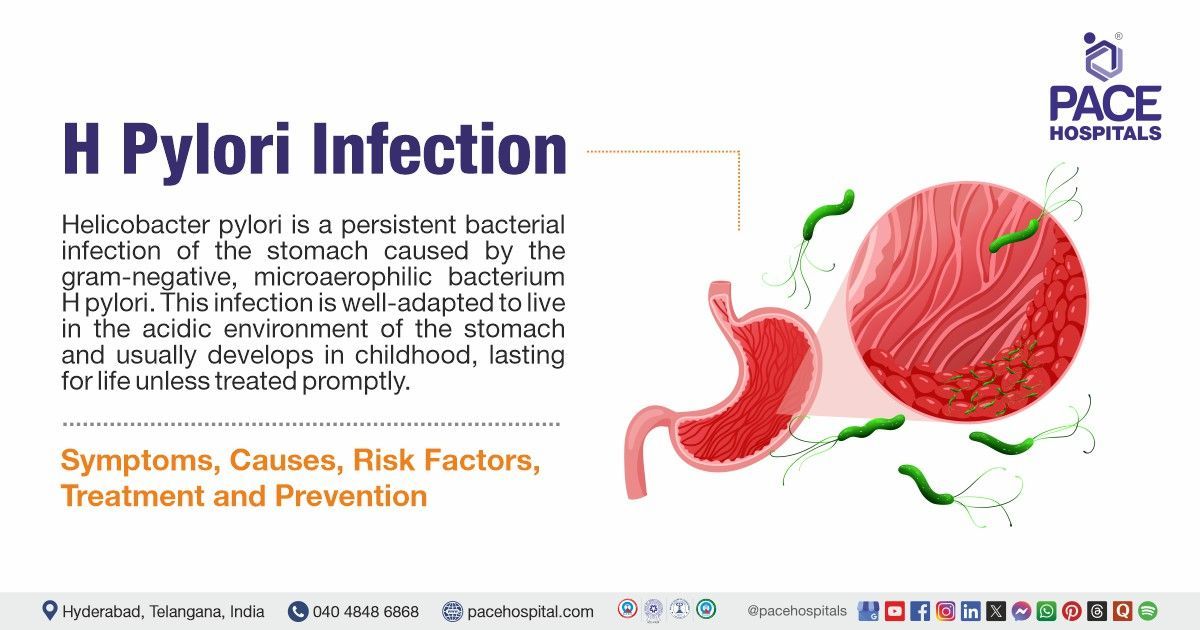
At its core, Helicobacter pylori, or H. pylori, is a bacterium. It’s a gram-negative, spiral-shaped microbe that has a remarkable ability to colonize the human stomach. This ability is extraordinary because the stomach’s acidic environment is generally inhospitable to most life forms. H. pylori, however, has evolved sophisticated mechanisms to survive and thrive in this harsh setting.
How H. Pylori Invades and Survives the Stomach
The primary characteristic that allows H. pylori to endure is its production of an enzyme called urease. Urease breaks down urea, a compound naturally present in the stomach, into ammonia and carbon dioxide. The ammonia acts as a buffer, neutralizing the surrounding stomach acid and creating a more favorable microenvironment for the bacterium. This biochemical ingenuity is a testament to millions of years of adaptation.
Beyond urease, H. pylori possesses flagella, which are whip-like structures that enable it to move through the stomach lining. It also secretes certain enzymes and toxins that can damage the protective mucus layer of the stomach and the underlying epithelial cells. This damage can lead to inflammation, which is the hallmark of H. pylori infection, known medically as gastritis.
The Prevalence and Transmission Pathways
H. pylori infection is incredibly common, affecting a significant portion of the global population, with estimates suggesting it infects roughly half of all people worldwide. The prevalence varies geographically and is often linked to socioeconomic factors. In many developing countries, the infection rates are much higher, often acquired during childhood.
The exact mode of transmission is not definitively understood, but it is believed to occur through the fecal-oral or oral-oral routes. This means that contaminated food or water, or close person-to-person contact, such as sharing utensils or through saliva, can facilitate its spread. Understanding these transmission pathways is crucial for developing effective public health strategies, much like understanding data breaches is vital for digital security.
The Health Consequences: From Asymptomatic to Serious Disease
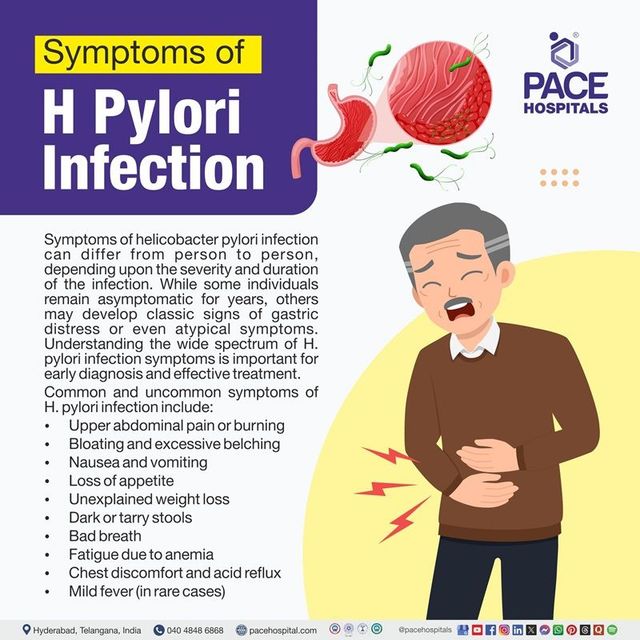
For many individuals, H. pylori infection remains asymptomatic. They may carry the bacterium for years without experiencing any noticeable symptoms or developing serious health problems. However, in a substantial number of infected people, the persistent inflammation caused by H. pylori can lead to a range of gastrointestinal issues.
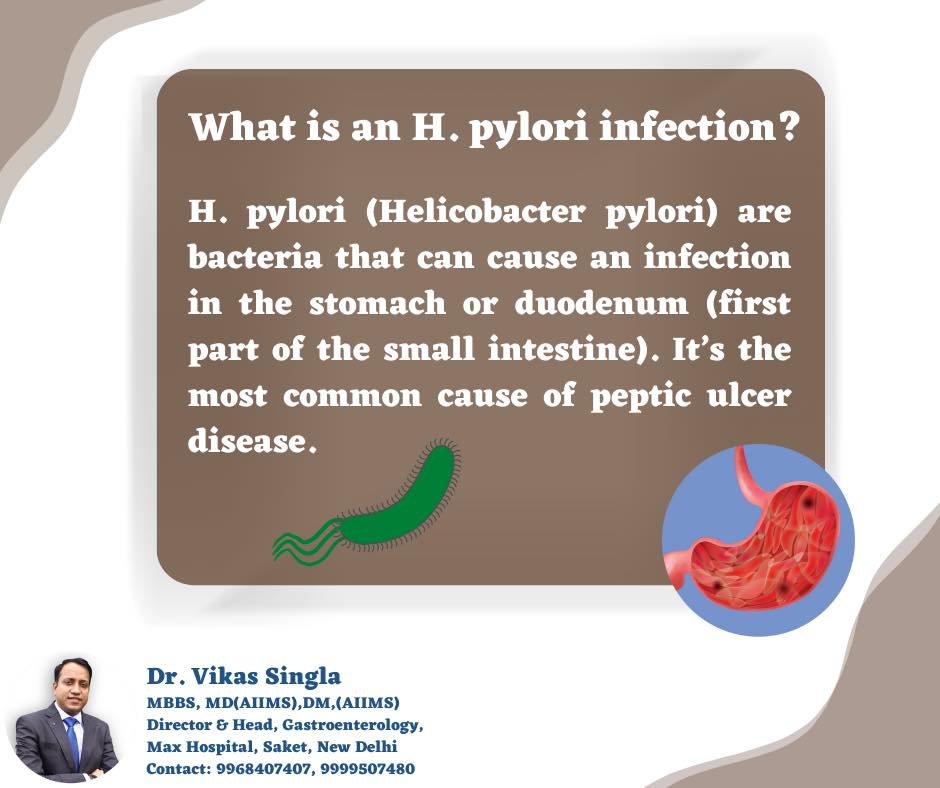
The most well-known consequence is peptic ulcer disease, which includes both gastric ulcers (in the stomach) and duodenal ulcers (in the first part of the small intestine). These ulcers are open sores that can cause pain, bleeding, and in severe cases, perforation of the stomach or intestinal wall, requiring immediate medical attention.
Furthermore, chronic H. pylori infection is a significant risk factor for the development of gastric cancer and gastric MALT lymphoma (a type of non-Hodgkin lymphoma that originates in the stomach’s immune tissue). The continuous inflammation and cell damage over time can lead to genetic mutations in the stomach lining, increasing the likelihood of cancerous growth. This makes H. pylori one of the most significant bacterial carcinogens known.
H. Pylori Through a Technological Lens: Detection, Eradication, and Future Innovations
While H. pylori is a biological entity, the strategies for detecting, treating, and preventing its spread draw heavily from technological advancements. The battle against this bacterium mirrors many challenges and solutions found in the tech industry, from the development of sophisticated diagnostic tools to the implementation of robust security protocols.
The “Software” of Diagnosis: Advanced Detection Methods
Identifying H. pylori infection requires precise diagnostic tools, akin to debugging complex software. Several methods are available, each with its own strengths and limitations:
- Urea Breath Test (UBT): This non-invasive test is a popular choice. Patients ingest a solution containing a special type of urea. If H. pylori is present, its urease enzyme will break down the urea, releasing labeled carbon dioxide that is then detected in the patient’s breath. This is analogous to a sophisticated scan that looks for specific error signatures.
- Stool Antigen Test: This test detects H. pylori antigens (proteins produced by the bacterium) in a stool sample. It’s another non-invasive option, offering a direct measure of the bacterium’s presence.
- Blood Antibody Test: This test looks for antibodies produced by the immune system in response to H. pylori infection. While it can indicate past or present infection, it cannot distinguish between the two, making it less ideal for confirming active infection after treatment.
- Endoscopy with Biopsy: This is considered the most definitive diagnostic method. A flexible tube with a camera (endoscope) is inserted into the esophagus, stomach, and duodenum. During the procedure, small tissue samples (biopsies) are taken from the stomach lining and can be tested for H. pylori using various techniques, including rapid urease tests, microscopy, or culture. This is akin to a deep system audit, providing direct evidence.
The development and refinement of these diagnostic “algorithms” have been crucial in improving patient care and epidemiological research. Just as new AI tools are constantly being developed to enhance data analysis, ongoing research aims to make H. pylori detection more sensitive, specific, and accessible.
The “Hardware” of Eradication: Treatment Regimens and Antibiotic Resistance
Once diagnosed, H. pylori infection is typically treated with a combination of antibiotics and acid-suppressing medications. This multi-drug approach is designed to effectively kill the bacteria and reduce stomach acid, allowing the stomach lining to heal. Commonly used regimens involve two or more antibiotics (such as amoxicillin, clarithromycin, or metronidazole) along with a proton pump inhibitor (PPI).
However, a significant challenge in H. pylori eradication is the rising phenomenon of antibiotic resistance. Similar to how viruses can mutate and become resistant to antiviral drugs, H. pylori strains can develop resistance to the antibiotics used to treat them. This means that standard treatment protocols may become less effective over time, requiring clinicians to adapt their “security protocols” and explore alternative drug combinations or even novel therapeutic approaches.
The pursuit of more effective eradication strategies, including the development of new antibiotics or non-antibiotic therapies, mirrors the constant innovation cycle seen in the cybersecurity world, where new threats necessitate new defenses. Understanding and monitoring resistance patterns are vital for maintaining the efficacy of treatment, much like tracking malware trends is for digital security.
Future “App”lications: Novel Technologies for Prevention and Treatment
The future holds exciting possibilities for managing H. pylori, drawing inspiration from emerging technologies. Research is exploring:
- Vaccines: The development of an effective vaccine against H. pylori would be a game-changer, offering a proactive “firewall” against infection.
- Phage Therapy: Bacteriophages are viruses that specifically infect and kill bacteria. This targeted approach could offer an alternative to broad-spectrum antibiotics, potentially reducing the risk of resistance.
- Probiotics and Prebiotics: Investigating the role of beneficial bacteria (probiotics) and the compounds that feed them (prebiotics) in modulating the gut microbiome and inhibiting H. pylori growth is another area of interest. This is akin to optimizing system performance through strategic software installations.
- AI-Powered Diagnostics and Treatment Personalization: Artificial intelligence could play a significant role in analyzing diagnostic data to predict individual risk factors and personalize treatment regimens for optimal outcomes, much like AI tools are used for predictive analytics in business and technology.
The Brand of H. Pylori: Reputation, Perception, and Public Health Messaging
While H. pylori is a bacterium, its widespread presence and the health consequences it can cause have created a “brand” for itself – a reputation that influences public perception and the strategies employed to manage it. This can be understood through the lens of branding principles, focusing on how information is communicated, how trust is built, and how public health initiatives are marketed.
Building a “Brand” for Health Awareness: Educating the Public
Raising awareness about H. pylori is crucial for early detection and prevention. This involves crafting clear, accessible messaging that educates the public about the risks, symptoms, and available diagnostic and treatment options. This is akin to a robust marketing campaign designed to inform consumers about a product or service.
Effective public health “branding” for H. pylori requires:
- Clear and Consistent Messaging: Using understandable language, avoiding overly technical jargon, and repeating key messages across multiple platforms.
- Targeted Outreach: Reaching specific demographics and communities that may be at higher risk or have lower health literacy.
- Leveraging Trusted Channels: Partnering with healthcare professionals, community leaders, and reputable health organizations to disseminate information.
- Storytelling: Sharing personal stories of individuals affected by H. pylori can humanize the issue and increase engagement.
The challenge is to create a compelling narrative that encourages proactive health-seeking behavior without causing undue alarm. It’s about building a “brand” of informed responsibility rather than one of fear.
The “Reputation” of Symptoms: Misinterpretation and Delayed Diagnosis
The often asymptomatic nature of H. pylori infection can lead to a poor “reputation” for its early warning signs. Many individuals may experience mild, non-specific digestive discomforts that they attribute to diet, stress, or other common ailments. This can lead to delays in seeking medical attention, allowing the infection to progress and potentially cause more serious damage.
This mirrors how a minor bug in software might be overlooked, only to cause significant system failure later. The “reputation” of the symptoms needs to be elevated to signal a potential underlying issue that requires investigation, much like a system alert needs to be recognized and acted upon.
“Corporate Identity” of Healthcare Providers: Trust and Accessibility
For individuals seeking to understand and address H. pylori, the “corporate identity” of healthcare providers is paramount. Trustworthiness, expertise, and accessibility are key factors that influence a patient’s decision to seek diagnosis and treatment.
- Building Trust: Healthcare institutions and individual practitioners need to project an image of reliability and competence. This is achieved through evidence-based practice, clear communication, and patient-centered care.
- Brand Recognition: Familiarity with a healthcare brand can encourage individuals to choose that provider for their needs. This can be built through consistent quality of care, positive patient experiences, and effective community engagement.
- Brand Accessibility: Making healthcare services easily accessible, both geographically and financially, is crucial. This involves having convenient appointment scheduling, understanding insurance coverage, and offering diverse communication channels.
Just as consumers choose brands they trust and perceive as reliable, patients will gravitate towards healthcare providers they believe can effectively address their health concerns, including those related to H. pylori.
H. Pylori in the Financial Ecosystem: Cost, Investment, and Economic Impact
The management of H. pylori infection also has significant financial implications, both at an individual and societal level. Understanding these economic aspects can shed light on the importance of prevention, early diagnosis, and effective treatment, much like financial planning and investment strategies are crucial for personal and corporate success.
The “Cost” of Infection: Direct and Indirect Expenses
The direct costs associated with H. pylori infection include the expenses for diagnostic tests, medications (antibiotics, PPIs), and doctor’s visits. For individuals without adequate health insurance, these costs can be substantial.
Beyond direct medical expenses, there are also indirect costs:
- Lost Productivity: Individuals suffering from H. pylori-related symptoms like ulcers or severe gastritis may experience pain and discomfort that hinders their ability to work, leading to lost wages and reduced economic output. This is akin to the downtime and lost revenue experienced by businesses due to system failures.
- Long-Term Health Burdens: The development of gastric cancer or other severe complications as a result of untreated or poorly managed H. pylori infection can lead to lifelong medical care, significantly increasing overall healthcare expenditure.
The economic burden of H. pylori is considerable, highlighting the importance of investing in effective public health strategies and accessible healthcare.
“Investing” in Prevention and Early Detection: A Sound Financial Strategy
From a financial perspective, investing in H. pylori prevention and early detection programs can yield significant returns.
- Preventive Measures: Promoting good hygiene practices, ensuring access to clean water and sanitation, and educating communities about transmission can reduce the incidence of infection. This is akin to investing in robust cybersecurity infrastructure to prevent breaches, which is far more cost-effective than dealing with the aftermath.
- Early Diagnosis: Encouraging individuals to undergo testing if they experience persistent digestive symptoms, or as part of regular health check-ups, allows for timely treatment. This prevents the progression to more severe and costly conditions like ulcers and cancer. This is similar to early detection of vulnerabilities in software that prevent major system failures.
- Eradication Programs: Implementing well-structured H. pylori eradication programs in high-prevalence areas can lead to a long-term reduction in associated diseases and associated healthcare costs. This represents a strategic “investment” in public health that pays dividends over time.
The “ROI” of Research and Development: Future Financial Gains
The ongoing research and development of new diagnostic tools, more effective treatments, and potential vaccines for H. pylori represent a crucial financial investment. The “return on investment” (ROI) for such endeavors extends far beyond monetary gains. It encompasses improved public health outcomes, reduced healthcare burdens, and enhanced quality of life for millions globally.
Just as companies invest in R&D to gain a competitive edge and develop innovative products, the healthcare sector’s commitment to understanding and combating H. pylori is an investment in a healthier future, promising substantial long-term economic and social benefits.
In conclusion, while H. pylori is a biological pathogen, understanding its impact and the strategies to combat it can be significantly enriched by drawing parallels from the realms of technology, branding, and finance. These interdisciplinary perspectives offer novel ways to conceptualize the challenges and solutions, ultimately contributing to more effective public health initiatives and a healthier global population.
aViewFromTheCave is a participant in the Amazon Services LLC Associates Program, an affiliate advertising program designed to provide a means for sites to earn advertising fees by advertising and linking to Amazon.com. Amazon, the Amazon logo, AmazonSupply, and the AmazonSupply logo are trademarks of Amazon.com, Inc. or its affiliates. As an Amazon Associate we earn affiliate commissions from qualifying purchases.