
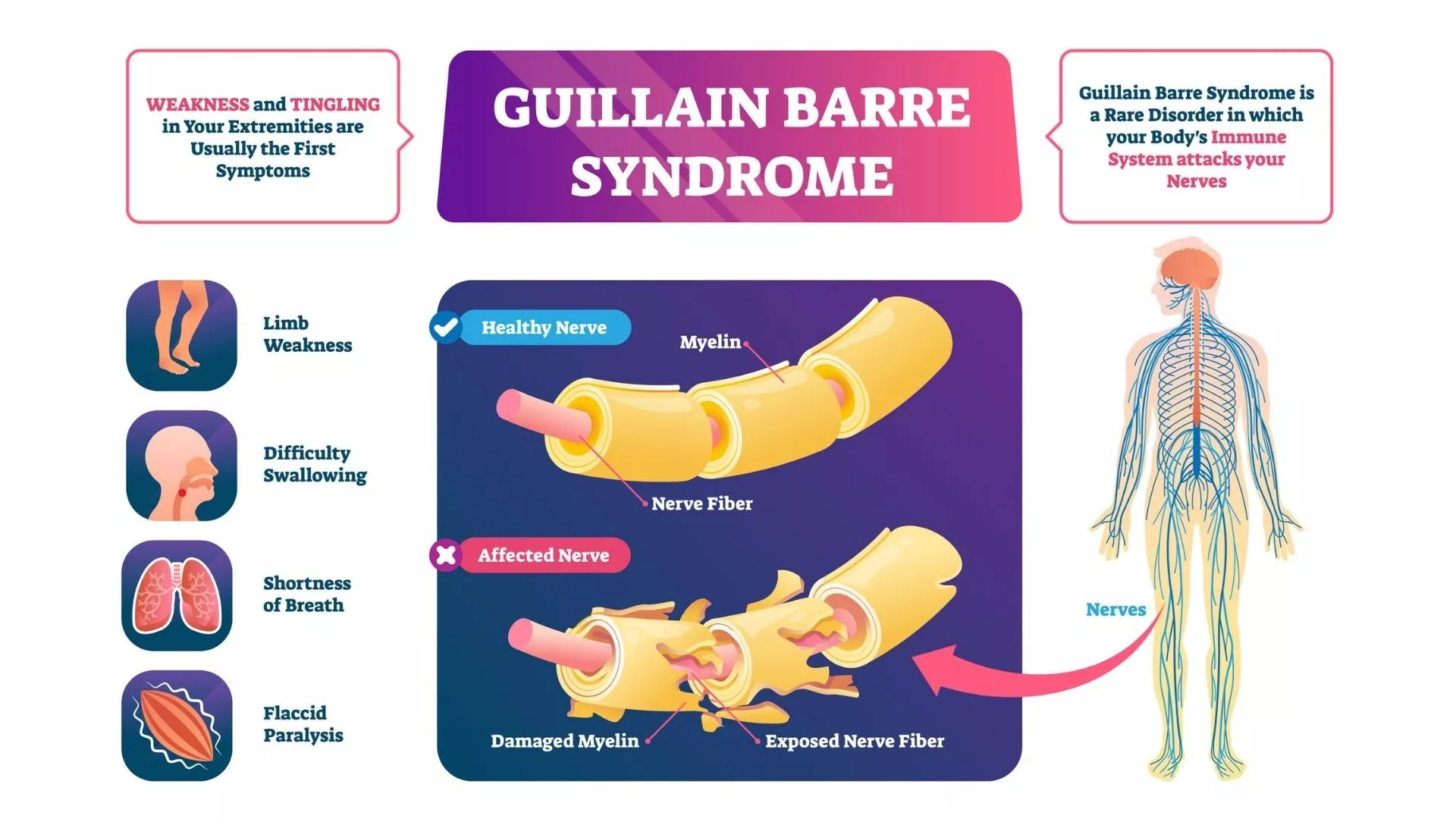
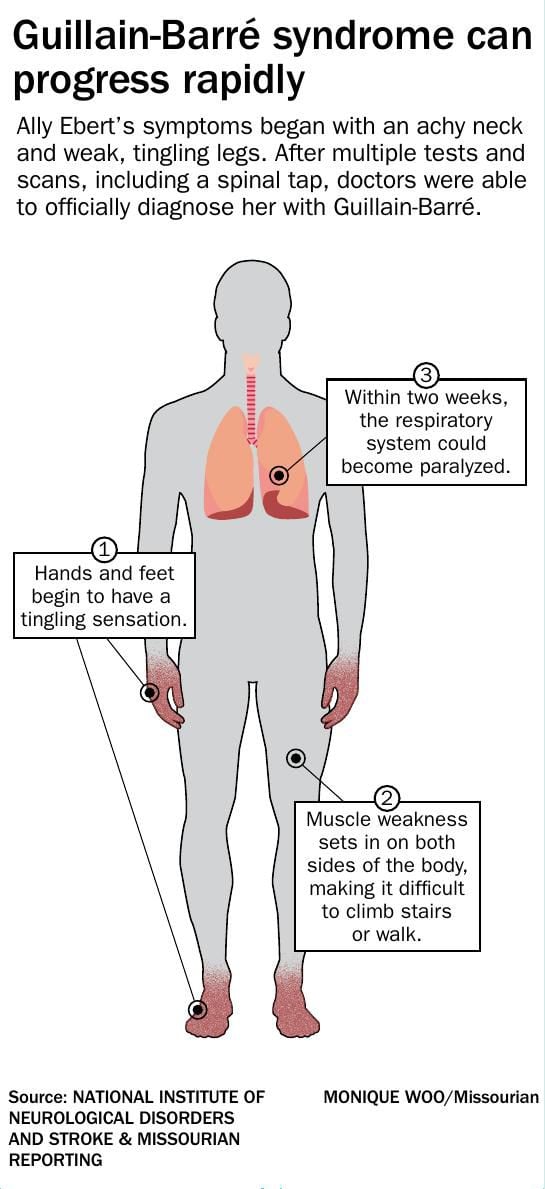
Guillain-Barré Syndrome (GBS) is a rare but serious autoimmune disorder where the body’s immune system mistakenly attacks its own peripheral nerves. This assault leads to muscle weakness, numbness, and tingling, often progressing rapidly to paralysis. While the direct understanding of GBS falls within medicine, the contemporary quest to define, diagnose, treat, and manage such a complex and debilitating condition is increasingly reliant on a sophisticated array of technological advancements. From cutting-edge diagnostic tools leveraging artificial intelligence to innovative rehabilitation technologies and global data-sharing platforms, technology is fundamentally reshaping our approach to rare and complex neurological disorders. This article explores GBS through a technological lens, demonstrating how various tech domains contribute to unraveling its mysteries and mitigating its impact.
Unpacking Neurological Complexity Through Technology
The human nervous system is an intricate biological supercomputer, and conditions like GBS represent critical system failures. Understanding these failures requires tools that can delve deep into biological processes, analyze vast datasets, and provide insights beyond human capacity alone. Technology serves as the indispensable microscope and supercomputer in this endeavor.
Advanced Diagnostics: AI and Imaging
Accurate and timely diagnosis is paramount in GBS, as early intervention can significantly impact outcomes. Traditionally, diagnosis relies on clinical presentation, nerve conduction studies (NCS), and cerebrospinal fluid (CSF) analysis. However, technological innovations are enhancing these methods and introducing new diagnostic avenues.
Artificial Intelligence (AI) and machine learning are rapidly transforming medical diagnostics. For GBS, AI algorithms can be trained on extensive datasets of patient symptoms, NCS results, and CSF profiles to identify patterns indicative of the syndrome with greater accuracy and speed than human clinicians alone. These systems can help differentiate GBS from other conditions presenting similar symptoms, reducing misdiagnosis rates and accelerating the start of critical treatments. Moreover, predictive AI models are being developed to forecast disease progression and potential complications, allowing for proactive patient management.
Medical imaging, particularly Magnetic Resonance Imaging (MRI) of the spine and brain, while not always definitive for GBS, plays a crucial role in ruling out other conditions. Advanced MRI techniques, such as diffusion tensor imaging (DTI), can provide more nuanced insights into nerve damage and inflammation, potentially offering earlier and more precise indicators of GBS-related neuropathy. These imaging modalities are constantly evolving, with higher resolution, faster acquisition times, and sophisticated post-processing algorithms enhancing their diagnostic utility.
Data-Driven Insights: Epidemiology and Predictive Analytics
The rarity of GBS makes large-scale epidemiological studies challenging but essential for understanding its prevalence, risk factors, and triggers. Here, big data analytics and bioinformatics play a pivotal role. By aggregating and analyzing anonymized patient data from electronic health records (EHRs), national registries, and research studies across continents, researchers can identify subtle correlations and trends.
For instance, the link between certain infections (like Campylobacter jejuni or Zika virus) and GBS has been strengthened through such data analysis. Predictive analytics can model potential outbreaks or spikes in GBS cases following epidemics, allowing healthcare systems to prepare resources. Furthermore, genetic sequencing technologies are generating massive datasets that, when combined with machine learning, can uncover genetic predispositions to GBS or identify specific biomarkers that predict disease severity or response to treatment. This data-driven approach moves GBS research from anecdotal observation to robust, evidence-based understanding.
Innovating Treatment and Rehabilitation
Once diagnosed, the focus shifts to treatment and rehabilitation. GBS treatment involves immunomodulatory therapies, while recovery often necessitates intensive physical rehabilitation. Technology is a game-changer in both these areas, offering more targeted interventions and enhancing patient recovery pathways.
Targeted Therapies and Biotech Frontiers

The primary treatments for GBS, intravenous immunoglobulin (IVIg) and plasma exchange (PLEX), work by modulating the immune system. While effective, they are broad-acting. The future of GBS treatment lies in more targeted biotechnological interventions.
Biotechnology is leading the charge in developing novel therapeutic agents. Research is underway to identify specific immune pathways involved in GBS pathogenesis and develop monoclonal antibodies or small molecule drugs that can selectively block these pathways. Gene therapies, though still in early stages for GBS, hold promise for long-term nerve repair or modulation of the immune response. Nanotechnology is also being explored for targeted drug delivery, ensuring therapeutic agents reach the affected nerves more efficiently while minimizing systemic side effects. These advanced biotech solutions aim to offer more precise, potent, and personalized treatments.
Digital Health and Assistive Technologies
Recovery from GBS can be a long and arduous journey, often requiring extensive physical and occupational therapy. Digital health solutions and assistive technologies are revolutionizing rehabilitation, making it more accessible, engaging, and effective.
Tele-rehabilitation platforms allow patients to continue therapy sessions from home, guided by therapists via video conferencing. Wearable sensors and smart devices can track patient progress, monitor physiological parameters, and provide real-time feedback on exercise performance, allowing therapists to adjust programs remotely. Virtual reality (VR) and augmented reality (AR) are increasingly used to create immersive and engaging therapy environments, motivating patients through gamified exercises that target specific motor skills and cognitive functions.
Beyond therapy, assistive technologies offer crucial support for daily living. Advanced exoskeletons, robotic limbs, and intelligent wheelchairs provide mobility and independence for individuals with significant paralysis. Brain-computer interfaces (BCIs), though still largely experimental, offer the potential for direct neural control of assistive devices, restoring functional capabilities to an unprecedented degree for the most severely affected.
The Future of Understanding and Managing Rare Diseases
The technological trajectory for GBS extends beyond current diagnostics and treatments, pointing towards a future where rare diseases are understood holistically, managed proactively, and overcome with increasing frequency. This future is built on connectivity, collaboration, and continuous innovation.
Telemedicine and Remote Monitoring
For a condition like GBS that can have long-term effects and requires ongoing care, telemedicine and remote monitoring are invaluable. Patients, especially those in rural or underserved areas, can consult specialists, receive follow-up care, and discuss medication adjustments without the burden of travel. Smart home devices and wearable health monitors can continuously collect vital health data, such as heart rate, oxygen saturation, and activity levels, automatically alerting healthcare providers to potential complications or deviations from recovery trajectories. This proactive, data-driven monitoring can prevent readmissions and improve long-term outcomes, making healthcare more accessible and personalized.
Collaborative Research Platforms
The rarity of GBS underscores the need for global collaboration among researchers, clinicians, and patient advocacy groups. Technology facilitates this collaboration through secure, cloud-based research platforms. These platforms enable scientists to share anonymized data, collaborate on studies, and disseminate findings rapidly. Federated learning, a machine learning approach that trains algorithms on decentralized datasets without centralizing raw patient data, is particularly promising for rare diseases like GBS, addressing privacy concerns while maximizing data utility across institutions worldwide.
Furthermore, social media and online patient communities empower individuals with GBS to connect, share experiences, and access information. These platforms also provide valuable qualitative data for researchers, offering insights into the patient experience and unmet needs that traditional research might overlook. By fostering a global network of knowledge and support, technology accelerates the pace of discovery and improves the quality of life for those affected by GBS.
In conclusion, “What is Guillain-Barré?” is a question that medical science continues to refine, but the answers are increasingly shaped by the relentless march of technology. From the precision of AI in diagnostics to the promise of biotech in targeted therapies, and from the accessibility of tele-rehabilitation to the power of global data networks, technology is not just an adjunct but an intrinsic part of our strategy to conquer complex neurological disorders. As these technological frontiers expand, so too does our hope for a future where conditions like GBS are better understood, more effectively managed, and ultimately, overcome.
aViewFromTheCave is a participant in the Amazon Services LLC Associates Program, an affiliate advertising program designed to provide a means for sites to earn advertising fees by advertising and linking to Amazon.com. Amazon, the Amazon logo, AmazonSupply, and the AmazonSupply logo are trademarks of Amazon.com, Inc. or its affiliates. As an Amazon Associate we earn affiliate commissions from qualifying purchases.