
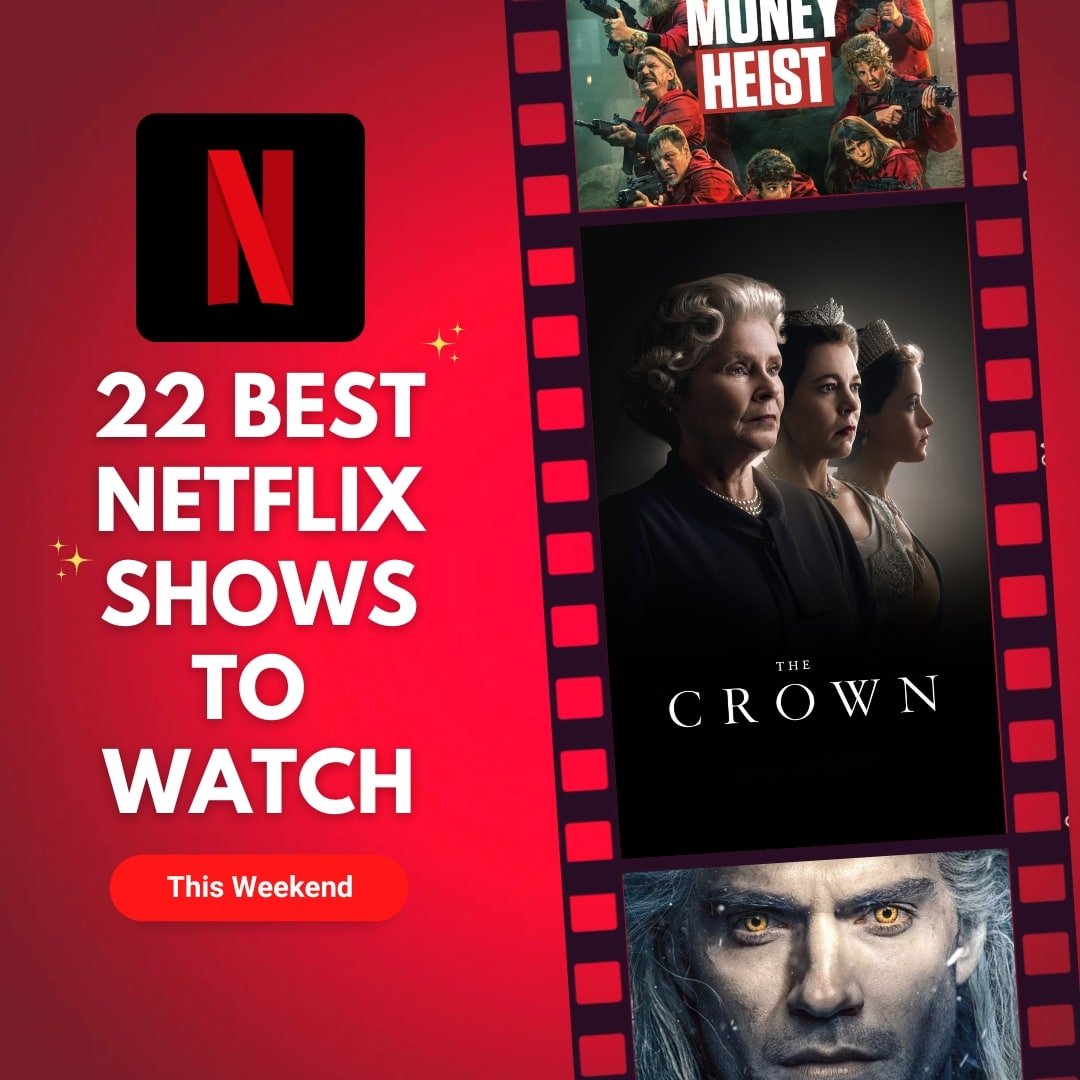
Netflix has become an indispensable part of the modern entertainment ecosystem, evolving from a DVD-by-mail service to a global streaming giant. The question “what is good on Netflix now” is more complex than ever, not merely a quest for enjoyable content, but a journey into the heart of technological innovation, sophisticated algorithms, and evolving user experiences. From its foundational infrastructure to its cutting-edge content delivery, understanding what makes content “good” on Netflix today requires a deep dive into the tech that powers it all. This article will explore the technological underpinnings that shape our viewing choices, curate our experiences, and ultimately define the perceived quality of Netflix’s vast library.
The Algorithmic Backbone: How Netflix Defines “Good” for You
At the core of Netflix’s content recommendation prowess lies a complex, constantly evolving algorithmic system. This isn’t just a simple suggestion engine; it’s a sophisticated AI-driven platform designed to personalize your viewing experience to an uncanny degree. The notion of “good” on Netflix is, in large part, a subjective construct shaped by these powerful algorithms, meticulously crafted to predict your preferences.
Personalized Recommendations: The Science Behind Your Queue
Netflix’s recommendation engine is legendary. It processes an astounding volume of data, including your viewing history, ratings, search queries, the time of day you watch, the device you use, and even how long you pause or rewind. This information is then cross-referenced with similar users and a vast catalog of content metadata, which categorizes titles by genre, cast, director, themes, pacing, and even emotional tone. The goal is to create a unique taste profile for every user, presenting content that you are most likely to enjoy, thereby maximizing engagement and retention. The “good” is not universal; it is hyper-personalized, often surfacing hidden gems you might never have discovered otherwise. This technology has fundamentally altered how we interact with entertainment, moving beyond passive browsing to proactive, data-driven suggestions.
A/B Testing and Data Analytics: Refining the User Experience
The refinement of Netflix’s user experience (UX) is an ongoing, data-intensive process. Every element, from the artwork displayed for a title to the layout of the home screen, is subjected to rigorous A/B testing. Different versions are shown to segments of users, and their interactions are meticulously tracked. This allows Netflix to empirically determine which designs, features, and content presentations lead to higher engagement. For instance, the artwork shown for a particular film might vary depending on a user’s known preferences – someone who enjoys romance might see an image emphasizing a romantic couple, while a thriller enthusiast might see one highlighting a suspenseful moment. This granular approach to data analytics ensures that the platform is continually optimized, enhancing discoverability and making the journey to “good” content as seamless and intuitive as possible.
The Challenge of Discovery: When Algorithms Fall Short
Despite their sophistication, even the most advanced algorithms have limitations. The sheer volume of content on Netflix, coupled with the algorithmic “echo chamber” effect, can sometimes lead to discovery fatigue. Users may find themselves stuck in a loop of similar recommendations, struggling to break out and explore new genres or styles that the algorithm hasn’t yet associated with their profile. This is where the human element often yearns for more – a curated list from an expert, a trending topic beyond their usual fare, or a serendipitous find. Netflix counters this, in part, with “trending” sections and editorially curated categories, attempting to balance algorithmic precision with broader appeal and novelty, acknowledging that “good” sometimes requires a push beyond one’s established digital comfort zone.
Beyond the Algorithm: Curating Quality in a Sea of Content
While algorithms guide personal discovery, Netflix’s strategic investments in content acquisition and original programming are crucial in defining what is universally considered “good” on the platform. These decisions are heavily influenced by data but also by creative vision and market positioning, transforming Netflix into a major player in content creation, not just distribution.
The Rise of Originals: Netflix’s Investment in Proprietary Technology and Storytelling
Netflix’s pivot to original content revolutionized the streaming industry. Driven by comprehensive data analytics on viewer preferences, genre popularity, and talent appeal, Netflix began producing its own series and films on an unprecedented scale. This move wasn’t just about owning content; it was about leveraging technology to create it efficiently and distribute it globally. From utilizing cloud-based production workflows to developing bespoke tools for visual effects and post-production, Netflix applies a tech-first approach to filmmaking. Series like “Stranger Things” or “Squid Game” are not only cultural phenomena but also testaments to Netflix’s ability to identify global appeal through data and execute high-quality productions that resonate across diverse demographics, establishing a benchmark for “good” entertainment.
Leveraging Data for Content Acquisition and Production Decisions
The decision-making process for greenlighting new shows or acquiring existing licenses is heavily informed by Netflix’s vast data pool. The company meticulously tracks what content performs well, which genres are underserved, and what narratives resonate with specific user segments. This data helps predict potential success, allocate budgets efficiently, and identify emerging talent. For example, the success of a niche genre in one region might prompt Netflix to invest in similar content for a global audience, facilitated by seamless multi-language support and international distribution channels. This data-driven strategy minimizes risk and maximizes the chances of producing or acquiring content that will be widely regarded as “good” by a significant portion of its subscriber base.
User Interface Innovations: Enhancing Navigability and Feature Discovery
A “good” viewing experience extends beyond the content itself to how easily and pleasurably one can navigate the platform. Netflix consistently innovates its user interface (UI) to improve discoverability and usability. Features like the “My List” functionality, continue watching rows, genre carousels, and even the seemingly simple autoplay of trailers or next episodes are all designed to reduce friction and keep users engaged. The dynamic nature of the UI, adapting to device type and network conditions, ensures a consistent and optimal experience. Furthermore, accessibility features, often technologically intricate, such as enhanced audio descriptions for the visually impaired or robust subtitle options for various languages, demonstrate Netflix’s commitment to making its “good” content accessible to everyone.
Technical Excellence: Streaming Quality and Immersive Experiences
The perception of “good” content is profoundly influenced by its technical presentation. Netflix has consistently pushed the boundaries of streaming technology to deliver cinema-quality experiences directly to homes, prioritizing visual fidelity and immersive audio.
The Evolution of Streaming Technology: From SD to 4K HDR and Beyond
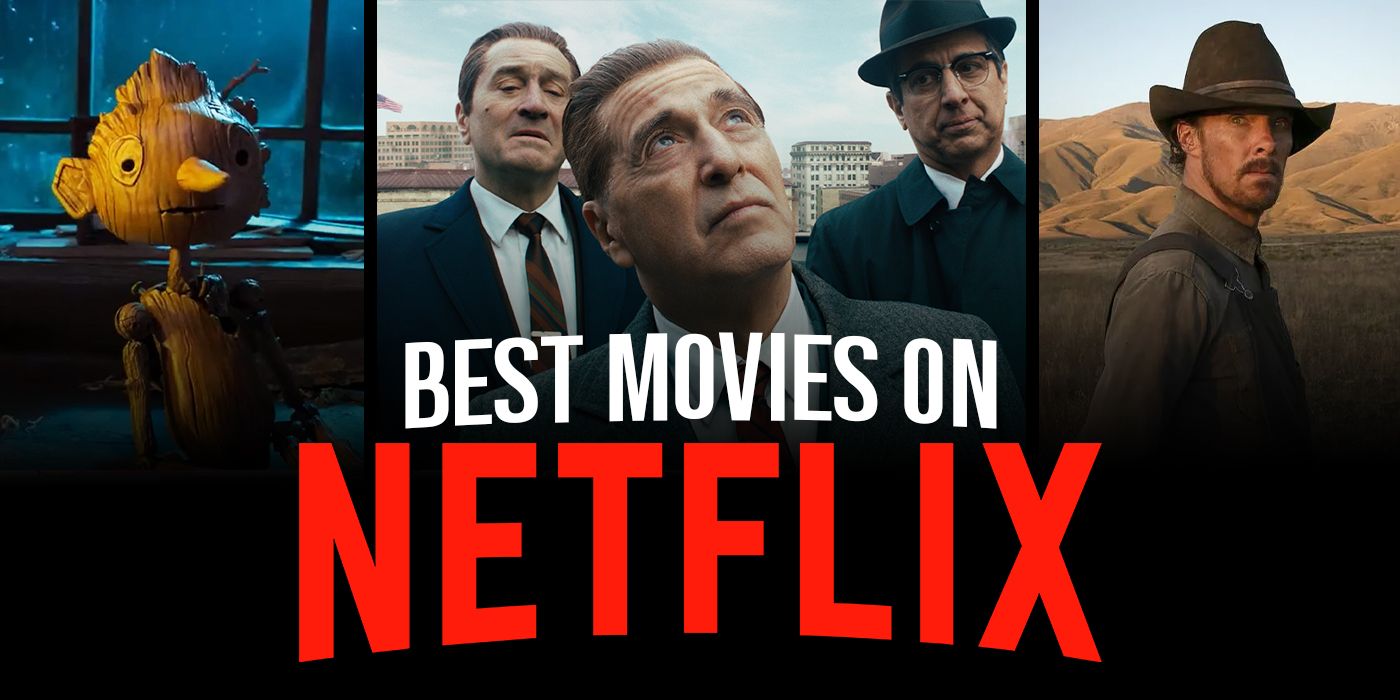
Early streaming was plagued by pixelation and buffering. Netflix, however, invested heavily in content delivery networks (CDNs) and adaptive bitrate streaming technology. This allows the platform to dynamically adjust video quality based on a user’s internet speed and device capabilities, ensuring the best possible picture with minimal interruption. The leap from standard definition (SD) to high definition (HD), then to Ultra HD (4K) with High Dynamic Range (HDR) and Dolby Vision, has been monumental. Titles like “Our Planet” or “The Crown” exemplify Netflix’s commitment to showcasing stunning visual detail and vibrant color ranges, making them not just “good” stories but also showcases of technical excellence in streaming. This continuous push for higher fidelity sets a new standard for what viewers expect from home entertainment.
Audio Innovation: Spatial Audio and Immersive Soundscapes
Visuals are only half the story. Netflix has also been a pioneer in delivering high-quality audio experiences. Support for Dolby Atmos, and more recently, spatial audio for select devices, elevates the sound dimension of content. Spatial audio creates a multi-dimensional soundscape, making viewers feel more immersed in the narrative by simulating sound coming from all directions. This technology is particularly impactful for action sequences, horror films, or concerts, where sound design plays a crucial role in building atmosphere and tension. The ability to deliver cinematic sound directly through a soundbar, home theater system, or even compatible headphones significantly enhances the overall “goodness” of the viewing experience, transforming a flat audio track into a vibrant, enveloping sound environment.
Device Compatibility and Optimization: Seamless Viewing Across Ecosystems
Netflix’s ubiquity is also a technological marvel. The service is available on an astonishing array of devices: smart TVs, gaming consoles, smartphones, tablets, laptops, and various streaming sticks and boxes. This widespread compatibility requires continuous optimization and development for diverse operating systems and hardware specifications. Ensuring a seamless, high-performance experience across this fragmented landscape is a significant technical undertaking. Each device offers a slightly different interaction model and capability set, yet Netflix manages to maintain a consistent brand experience. This effortless transition between devices, allowing users to pick up exactly where they left off, is a crucial component of the modern “good” streaming experience, highlighting the underlying robustness of its platform engineering.
Current Content Trends and Their Technological Underpinnings
Beyond core streaming capabilities, Netflix actively explores new content formats and leverages technology to broaden its appeal and innovate storytelling, shaping new definitions of “good” content.
Interactive Narratives: Pushing the Boundaries of Storytelling with Tech
One of Netflix’s most intriguing technological ventures has been into interactive narratives. Titles like “Bandersnatch” from “Black Mirror” or “You vs. Wild” allow viewers to make choices that directly influence the plot’s progression, turning passive consumption into an active, personalized experience. This format, while challenging to produce from a technical standpoint (requiring complex branching narratives and dynamic playback systems), represents a significant innovation in storytelling. It tests the boundaries of what a linear medium can be, offering multiple pathways and endings, thereby enhancing replayability and deeper engagement. This technological leap opens up new avenues for creative expression and redefines what “good” means in terms of viewer agency and immersion.
Global Content Acquisition: AI-Powered Translation and Localization
Netflix’s global success is deeply tied to its technological capabilities in localization. A show produced in Korea, like “Squid Game,” can quickly become a worldwide phenomenon thanks to sophisticated AI-powered translation, dubbing, and subtitling services. These technologies enable rapid turnaround for multi-language versions, ensuring that content transcends linguistic and cultural barriers almost instantaneously. Beyond simple translation, Netflix invests in localization that respects cultural nuances, making foreign content feel more accessible and relatable to diverse audiences. This technological infrastructure for global dissemination not only expands the reach of “good” stories but also diversifies the global entertainment palate, allowing unique narratives from around the world to find enthusiastic new audiences.
The Impact of Cloud Computing on Content Delivery and Accessibility
Netflix’s entire operational backbone, from content storage to processing and delivery, largely resides in the cloud, primarily AWS. This cloud-native architecture offers unparalleled scalability, reliability, and global reach. It allows Netflix to handle peak viewing times, rapidly deploy new features, and deliver content efficiently to millions of subscribers across the globe without significant geographical latency. For instance, when a new highly anticipated series drops, the cloud infrastructure seamlessly handles the massive influx of simultaneous viewers. This underlying technological strength ensures that “good” content is not only available but also delivered with optimal performance and accessibility, regardless of where or when you choose to watch it.
The Future of “Good” on Netflix: AI, VR, and Beyond
Netflix’s journey is far from over. The company continues to invest in cutting-edge technologies, envisioning a future where “good” content is even more personalized, immersive, and integrated into our digital lives.
Predictive Analytics for Future Content Development
Beyond current recommendations, Netflix is increasingly leveraging predictive analytics to inform its long-term content strategy. By analyzing viewing patterns, demographic shifts, and emerging trends, the company can anticipate future audience desires and invest in content development that aligns with these predictions. This isn’t just about what’s “good” now, but what will be “good” in two, five, or ten years. AI models are trained on vast datasets to identify gaps in the market, suggest innovative concepts, and even recommend potential talent combinations, pushing the boundaries of traditional content commissioning towards a more scientifically informed process.
Exploring New Modalities: From Gaming Integration to Immersive VR Experiences
Netflix is already experimenting with extending its entertainment offerings beyond traditional streaming. Its foray into mobile gaming, bundling a selection of games with subscriptions, indicates a broader vision for digital entertainment. Future iterations could see deeper integration of gaming elements, interactive narratives becoming even more sophisticated, or even the exploration of virtual reality (VR) experiences. Imagine a future where you can step into the world of your favorite show using a VR headset, experiencing narratives in truly immersive ways. These emerging technologies could redefine what “good” entertainment means, blurring the lines between passive viewing and active participation, and creating entirely new forms of digital storytelling.

The Ethical Implications of Algorithmic Curation and Content Filtering
As Netflix’s algorithms become more powerful, so do the ethical considerations surrounding their influence. The question of “what is good on Netflix now” increasingly intersects with questions about algorithmic bias, content diversity, and the potential for echo chambers. Netflix, like other tech giants, faces the challenge of balancing personalized recommendations with exposing users to diverse viewpoints and challenging narratives. The future of “good” will not only be defined by technological capability but also by responsible AI development, ensuring that the platform serves as a window to a broader world of stories, rather than narrowing our perspectives. This ongoing dialogue between technology and ethics will undoubtedly shape the next generation of streaming experiences.
In conclusion, “what is good on Netflix now” is a multifaceted question, deeply intertwined with the technological innovations that power the platform. From its sophisticated recommendation algorithms and robust streaming infrastructure to its strategic investment in original content and pioneering new narrative formats, Netflix continually redefines the benchmarks for digital entertainment. The ongoing interplay between human creativity and advanced technology ensures that the answer to this question remains dynamic, exciting, and perpetually evolving.
aViewFromTheCave is a participant in the Amazon Services LLC Associates Program, an affiliate advertising program designed to provide a means for sites to earn advertising fees by advertising and linking to Amazon.com. Amazon, the Amazon logo, AmazonSupply, and the AmazonSupply logo are trademarks of Amazon.com, Inc. or its affiliates. As an Amazon Associate we earn affiliate commissions from qualifying purchases.