
Navigating health and wellness often involves understanding various metrics, and Body Mass Index (BMI) is one of the most commonly cited. For women, understanding what constitutes a “good” BMI isn’t just about a number; it’s a gateway to understanding overall health, informing lifestyle choices, and potentially impacting financial planning and even personal branding. While the internet is awash with information, discerning what’s relevant and actionable can be a challenge. This article aims to cut through the noise, leveraging insights from technology, brand perception, and financial implications to provide a comprehensive answer to “What is a good BMI for a female?”
Understanding BMI: Beyond the Basic Calculation
Before diving into what constitutes a “good” BMI for females, it’s crucial to understand what BMI is and, more importantly, what it isn’t. BMI is a simple calculation that uses a person’s weight and height to estimate their body fat percentage.
The BMI Formula and Its Limitations
The formula for BMI is straightforward:
BMI = (Weight in kilograms) / (Height in meters)²
Or, if you’re using imperial units:
BMI = (Weight in pounds / Height in inches²) x 703
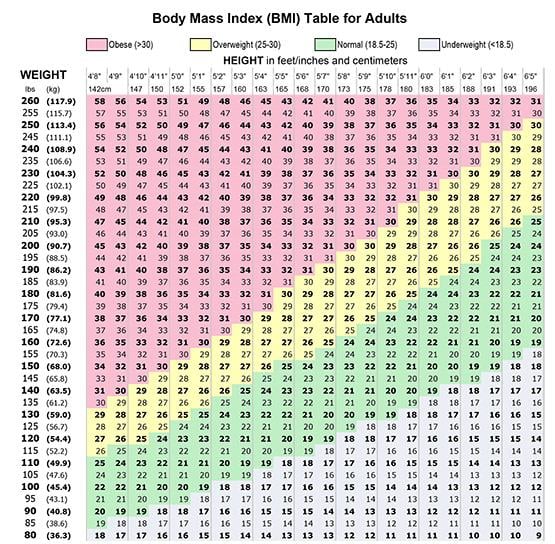
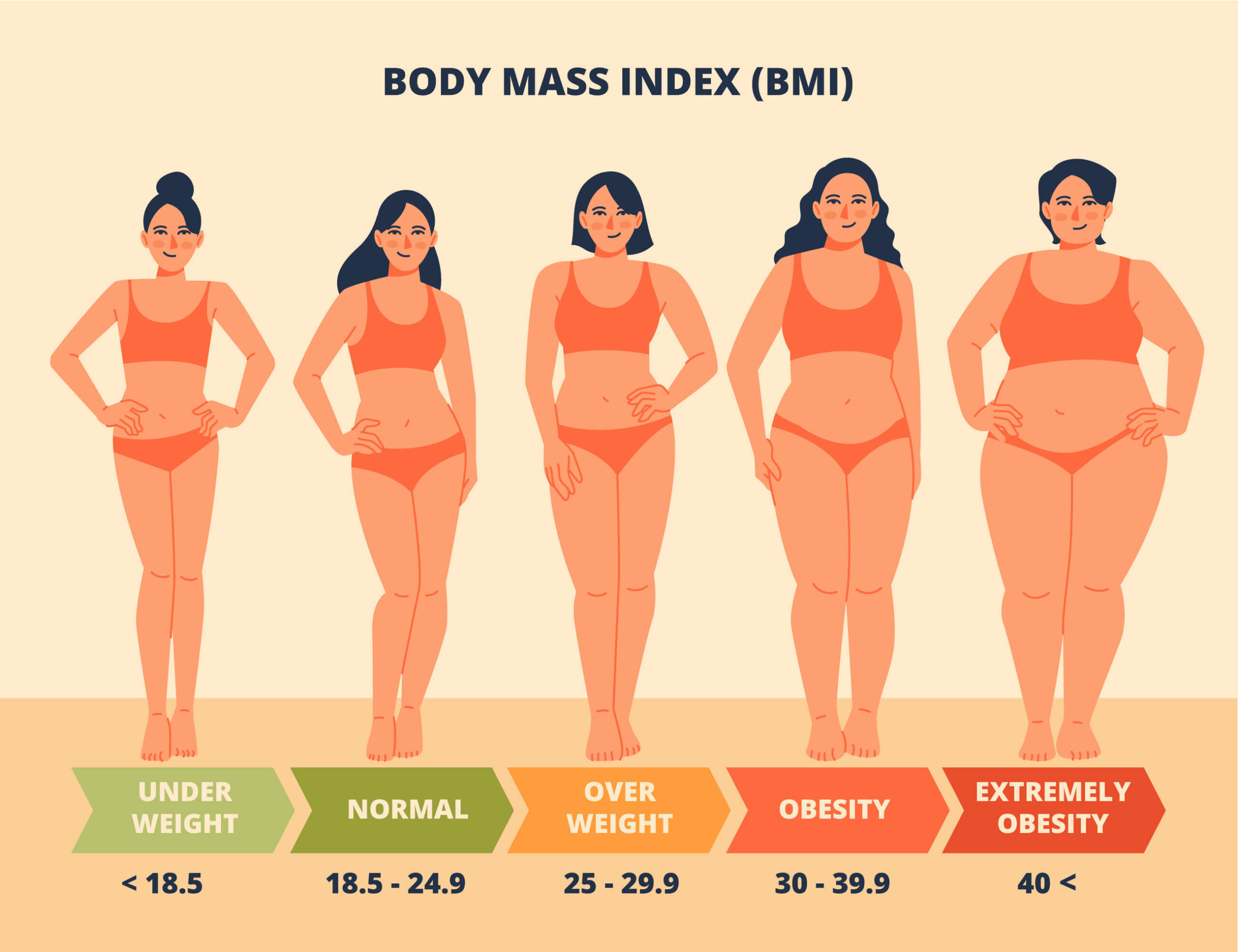
The resulting number is then categorized into ranges:
- Underweight: Below 18.5
- Normal or Healthy Weight: 18.5 to 24.9
- Overweight: 25.0 to 29.9
- Obese: 30.0 and above
While these ranges are widely used, it’s essential to acknowledge their limitations. BMI doesn’t differentiate between muscle mass and fat mass. This means a highly muscular woman might have a higher BMI that falls into the “overweight” category, even if she has very little body fat and is exceptionally healthy. Similarly, an individual with a normal BMI could still have a high percentage of body fat and be at risk for health issues. Therefore, BMI should be considered a screening tool, not a definitive diagnostic measure.
Why BMI Matters Differently for Females
While the basic BMI calculation is the same for everyone, the interpretation and its implications can vary between sexes. For women, body composition naturally tends to have a higher percentage of body fat than men. This is essential for reproductive health and hormonal balance. Therefore, a slightly higher BMI might be considered healthy for a woman compared to a man of the same height and weight. However, this doesn’t mean the standard BMI categories are entirely irrelevant. They still serve as valuable indicators when considered alongside other health markers.
Leveraging Technology for a More Nuanced Understanding
In the age of advanced technology, relying solely on a basic BMI calculation feels antiquated. Thankfully, a plethora of digital tools and apps are available to provide a more comprehensive picture of your health.
- Smart Scales and Body Composition Analyzers: Modern smart scales go beyond just weight. They use bioelectrical impedance analysis (BIA) to estimate body fat percentage, muscle mass, water content, and even bone density. These devices connect wirelessly to your smartphone, allowing you to track trends over time and gain deeper insights into your body composition. Apps associated with these scales can often calculate BMI automatically and provide personalized feedback based on your data.
- Fitness Trackers and Wearables: Wearable devices like smartwatches and fitness bands are increasingly sophisticated. While their primary function is to track activity levels, sleep patterns, and heart rate, some are beginning to incorporate features that can indirectly contribute to a better understanding of health metrics relevant to BMI. For example, tracking daily calorie expenditure and activity intensity can help inform weight management strategies.
- AI-Powered Health Platforms: The realm of Artificial Intelligence is also making its mark on personal health. AI-powered platforms can analyze a wider array of data – from your wearable device, your food diary, and even your genetic information (if you choose to share it) – to offer more personalized health recommendations. These platforms can go beyond BMI to assess your overall health risk and suggest tailored diet and exercise plans.
By embracing these technological advancements, women can move beyond a simple BMI number and gain a more dynamic and accurate understanding of their body composition and health status.
The “Good” BMI Range for Females: Context is Key
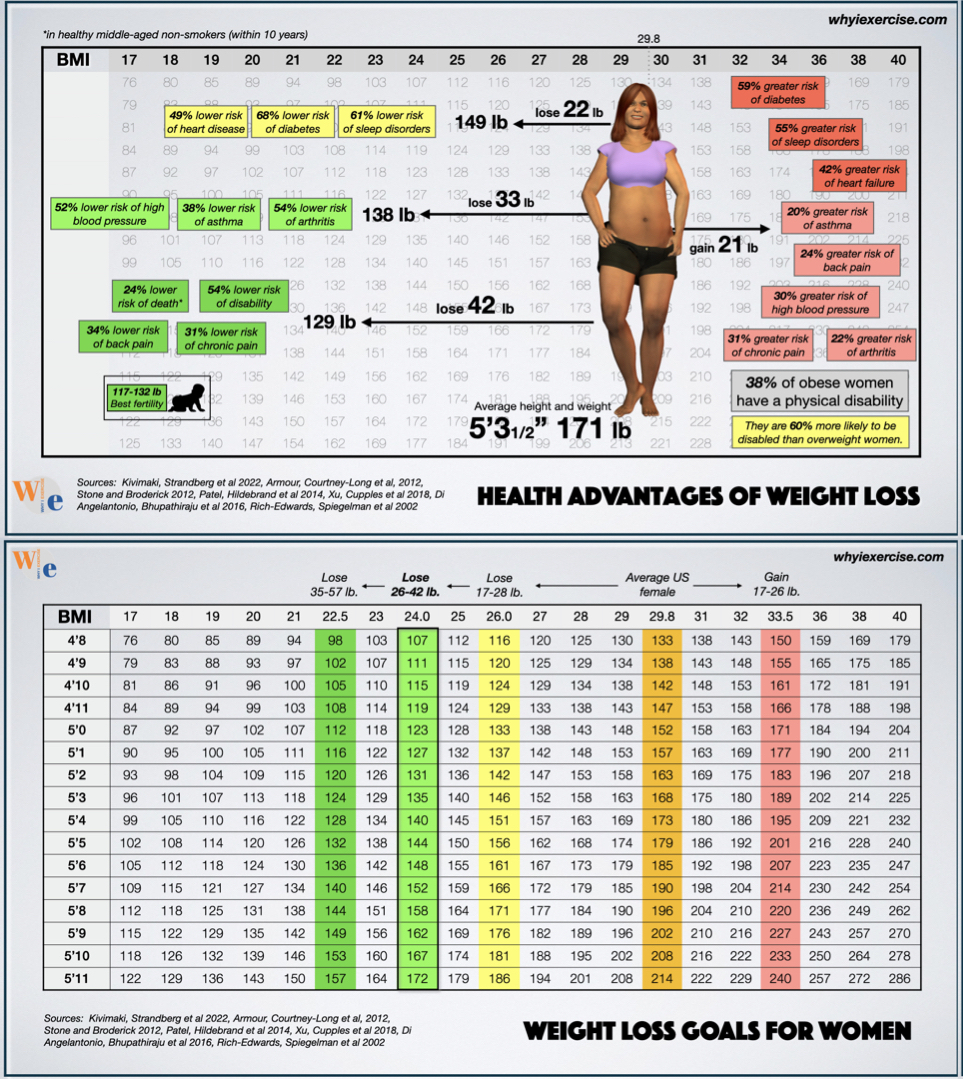
The commonly cited “healthy” BMI range of 18.5 to 24.9 is a general guideline. For women, what constitutes a “good” BMI is nuanced and depends on various factors.
Beyond the Numbers: Health Indicators to Consider
While a BMI within the healthy range is often associated with lower health risks, it’s not the sole determinant of well-being. Several other factors are crucial:
- Body Fat Percentage: As mentioned, muscle is denser than fat. A woman with a healthy BMI but a high body fat percentage might still be at risk for conditions like type 2 diabetes, heart disease, and certain cancers. Conversely, a woman with a BMI slightly outside the “healthy” range but a low body fat percentage and high muscle mass could be perfectly healthy.
- Waist Circumference: This is a particularly important metric for women. Excess abdominal fat (visceral fat) is strongly linked to increased risk of cardiovascular disease and metabolic syndrome. For women, a waist circumference of more than 35 inches is generally considered a risk factor.
- Fitness Level and Lifestyle: An active woman with a healthy BMI is likely in better health than a sedentary woman with the same BMI. Regular physical activity, a balanced diet, adequate sleep, and stress management are all critical components of overall health, regardless of the exact BMI number.
- Age and Hormonal Changes: As women age, their body composition naturally changes. Muscle mass may decrease, and body fat percentage can increase. Hormonal shifts, particularly during menopause, also play a significant role. A BMI that was considered “good” in her 20s might need to be re-evaluated in her 50s.
- Genetics and Individual Physiology: Some individuals are genetically predisposed to carrying more or less weight. Understanding your family history and individual body type can provide further context.
When a BMI Outside the “Healthy” Range Might Be Okay
It’s important to reiterate that the standard BMI categories are not absolute.
- Athletes and Muscular Individuals: As discussed, women who are highly trained athletes or have significant muscle mass may have a BMI that falls into the “overweight” category. In such cases, their body fat percentage, fitness levels, and overall health markers are far more telling than their BMI alone.
- Older Women: For some older women, a slightly higher BMI might actually be associated with a lower risk of certain health issues, such as osteoporosis. However, this is a complex area of research, and individual medical advice is paramount.
The Importance of Professional Medical Advice
Ultimately, the most accurate assessment of what constitutes a “good” BMI for a female comes from consulting with a healthcare professional. Doctors and registered dietitians can consider your individual health history, lifestyle, body composition, and other relevant factors to provide personalized guidance. They can help you interpret your BMI in the context of your overall well-being and develop a health plan that is right for you.
BMI, Personal Branding, and Financial Health: The Interconnectedness
While seemingly disparate, a woman’s BMI and its implications can have a surprising impact on her personal brand and financial health.
The Impact of Perceived Health on Personal Branding
In today’s society, there’s often an unconscious association between physical appearance and well-being, which can influence how individuals are perceived professionally and personally.
- Confidence and Energy Levels: Generally, maintaining a healthy weight and body composition can contribute to higher energy levels, improved mood, and increased confidence. These factors are crucial for effective personal branding. When you feel good about yourself, it radiates outward, impacting your interactions, your presentation, and your ability to network and build relationships.
- Professional Presentation: While there’s a growing movement towards body positivity and inclusivity, societal norms can still subtly influence perceptions. In certain professional environments, appearing healthy and energetic can be perceived as a sign of discipline, self-care, and overall competence. This isn’t about conforming to unrealistic beauty standards, but rather about understanding how perceptions can play a role in professional advancement.
- Health as a Brand Asset: For some women, particularly those in health and wellness industries, fitness, and a healthy lifestyle are integral parts of their personal brand. Maintaining a healthy BMI and demonstrating a commitment to well-being can reinforce their credibility and expertise.
It’s crucial to emphasize that this discussion is not about promoting unrealistic body ideals or suggesting that one’s worth is tied to their weight. Instead, it’s about acknowledging how our physical well-being can influence our confidence, our energy, and ultimately, how we present ourselves to the world – aspects that are central to personal branding.
Financial Implications of Health and BMI
The connection between health, BMI, and finances might not be immediately obvious, but it’s a significant one.
- Healthcare Costs: Individuals with BMIs in the overweight and obese categories are at higher risk for a range of chronic diseases, including type 2 diabetes, heart disease, certain cancers, and joint problems. These conditions often require ongoing medical treatment, medication, and potentially expensive procedures. This can lead to significantly higher healthcare costs, both in terms of out-of-pocket expenses and insurance premiums.
- Productivity and Income: Chronic health issues can lead to reduced productivity, more sick days, and in severe cases, an inability to work. This can directly impact earning potential and career progression. Conversely, maintaining good health can lead to sustained productivity, fewer work disruptions, and a stronger ability to pursue income-generating opportunities.
- Insurance Premiums: In many countries, health insurance premiums are influenced by health status. Individuals with higher health risks, often associated with higher BMIs and related conditions, may face higher insurance premiums.
- Lifestyle Choices and Spending: Managing weight and health often involves making conscious choices about diet and exercise. While healthy eating can sometimes be perceived as more expensive, often it’s about making smarter choices and reducing expenditure on processed foods and unhealthy snacks. Furthermore, investing in fitness can be seen as an investment in long-term financial well-being by reducing future medical expenses.
- Financial Planning for Health: Understanding your health risks, which can be informed by your BMI and other health indicators, is a crucial part of comprehensive financial planning. It allows for more accurate budgeting for healthcare needs and potential long-term care.
By proactively managing their health, including understanding and working towards a healthy BMI range, women can not only improve their well-being but also create a positive ripple effect on their personal brand and their financial future. This interconnectedness highlights the holistic nature of a well-lived life.
Conclusion: A Holistic Approach to Health and Well-being
The question “What is a good BMI for a female?” is not answered by a single number. It’s a starting point for a deeper understanding of one’s overall health and well-being. While the 18.5 to 24.9 range is a general guide, it’s crucial to consider individual factors, body composition, fitness levels, and professional medical advice.
By embracing technological advancements for a more nuanced health assessment, understanding the contextual factors that influence BMI, and recognizing the interconnectedness of health with personal branding and financial well-being, women can make informed decisions that lead to a healthier, more confident, and financially secure future. Remember, health is a journey, not a destination, and every step towards understanding and improving it is a valuable one.
aViewFromTheCave is a participant in the Amazon Services LLC Associates Program, an affiliate advertising program designed to provide a means for sites to earn advertising fees by advertising and linking to Amazon.com. Amazon, the Amazon logo, AmazonSupply, and the AmazonSupply logo are trademarks of Amazon.com, Inc. or its affiliates. As an Amazon Associate we earn affiliate commissions from qualifying purchases.