
The term “forever chemicals” has entered the public consciousness with increasing frequency, sparking concern and curiosity. But what exactly are these substances, and why are they labeled as “forever”? This article delves into the world of per- and polyfluoroalkyl substances (PFAS), exploring their nature, their widespread presence, and the implications they hold across various aspects of our lives, from the technology we use to the brands we trust and the money we manage.
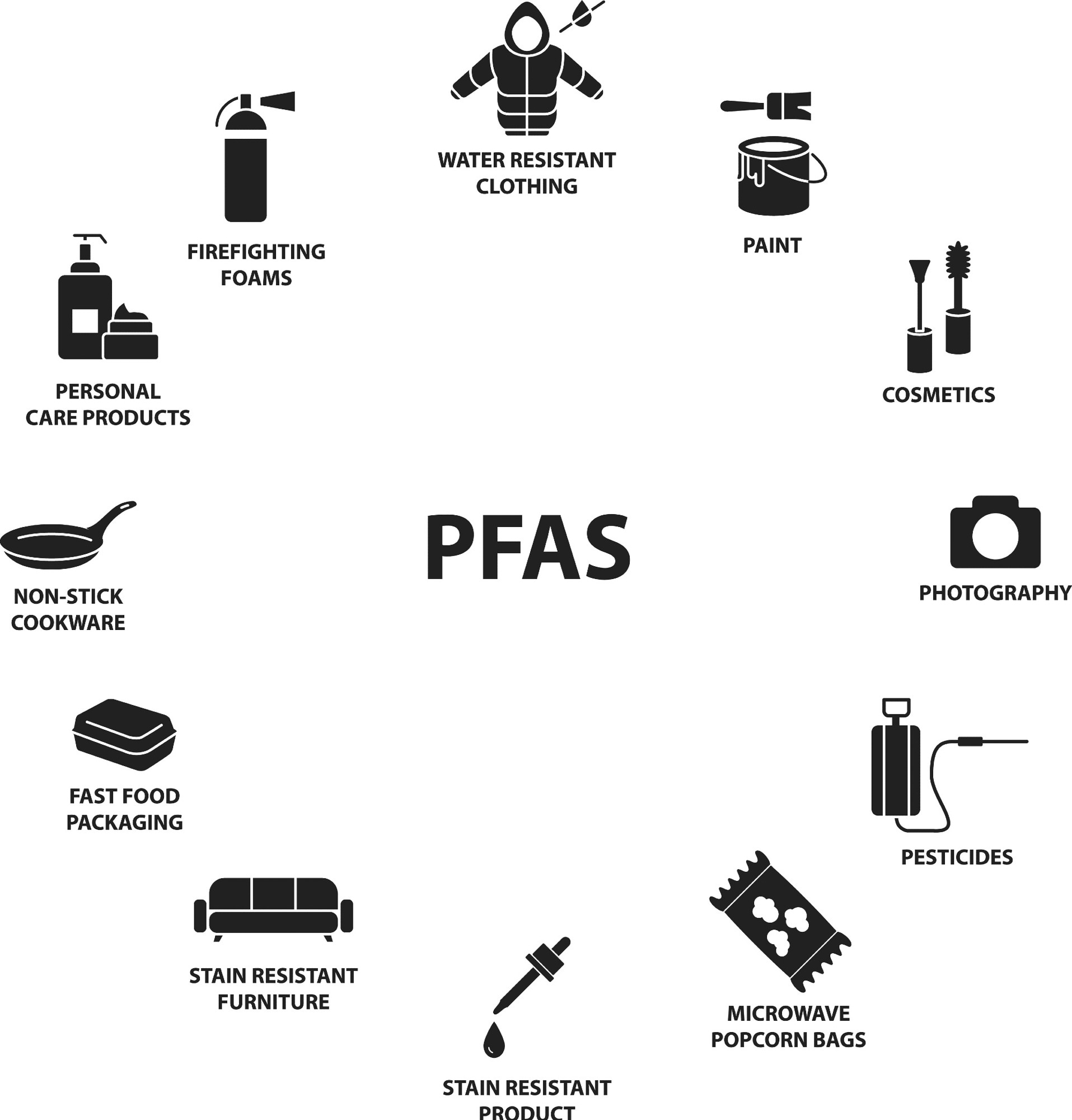
PFAS represent a large group of man-made chemicals that have been utilized for decades due to their unique properties. They are incredibly stable and resistant to heat, water, and oil. This makes them incredibly useful in a vast array of products that have become commonplace in modern society. From non-stick cookware and waterproof clothing to firefighting foam and food packaging, PFAS have been the silent enablers of convenience and performance. However, it is precisely this remarkable stability that gives them their notorious moniker: they don’t easily break down in the environment or within the human body, persisting for generations – hence, “forever.”
The Pervasive Presence of PFAS: From Your Gadget to Your Grocery Store
The ubiquity of PFAS is a central theme in understanding their impact. These chemicals have infiltrated numerous aspects of our daily lives, often in ways we are not immediately aware of. Their presence extends beyond obvious applications and touches upon industries that are core to the topics discussed on this website: Tech, Brand, and Money.
PFAS in Technology: The Hidden Ingredients in Our Digital Lives
The tech industry, driven by innovation and the relentless pursuit of improved product performance, has been a significant user of PFAS. While we often focus on the sleek designs and cutting-edge software of our gadgets, the materials that enable their functionality can also be a source of these persistent chemicals.
- Electronics Manufacturing: PFAS have been employed in the manufacturing processes of various electronic components. Their properties of repelling water and oil make them useful as lubricants, mold release agents, and coatings in the production of circuit boards, semiconductors, and display screens. The very devices that connect us, entertain us, and power our productivity could contain these persistent substances.
- Performance Enhancement: In certain high-performance applications, PFAS might be used to enhance the durability and resistance of materials. For example, in some specialized cables or coatings for electronic devices, their water-repellent and heat-resistant qualities could be leveraged.
- Challenges in Disposal and Recycling: The presence of PFAS in electronics poses significant challenges for e-waste management. When electronic devices are discarded, PFAS can leach into the environment, contributing to the growing problem of contamination. The recycling processes for electronics also need to contend with the safe removal and disposal of these persistent chemicals, a complex and often under-resourced endeavor. The long-term environmental cost of our reliance on technology is thus intertwined with the persistence of chemicals like PFAS.
Brands and the PFAS Footprint: Consumer Trust and Corporate Responsibility
The brand landscape is deeply intertwined with consumer perception and trust. As awareness of PFAS grows, so does the scrutiny of brands that have historically used or continue to use these chemicals. This has significant implications for brand strategy, marketing, and corporate reputation.
- Consumer Product Goods (CPGs): Many everyday consumer products have contained PFAS. This includes a wide range of items, from stain-resistant carpets and furniture upholstery to waterproof clothing and cosmetics. Brands that have built their identity around performance, durability, and safety are now facing questions about the underlying chemistry of their products.
- Marketing and Transparency: The marketing of products often highlights their benefits – the stain resistance of a couch, the water-repellency of a jacket. However, if these benefits are achieved through the use of PFAS, the marketing narrative can become complicated. Brands are increasingly pressured to be transparent about their material sourcing and to offer PFAS-free alternatives. This shift requires a reevaluation of branding strategies to emphasize sustainability and health consciousness.
- Reputation Management: For companies that have a significant PFAS footprint, managing their reputation is a critical challenge. Negative publicity surrounding PFAS contamination can lead to consumer backlash, boycotts, and damage to brand equity. Proactive steps, such as investing in research for safer alternatives, phasing out PFAS, and clearly communicating these efforts to consumers, are essential for maintaining and rebuilding trust. Case studies of brands that have successfully navigated this transition, or those that have struggled, offer valuable lessons for others in the market.
- The “Greenwashing” Dilemma: In the rush to appear environmentally conscious, some brands might engage in “greenwashing,” making unsubstantiated claims about their product’s environmental credentials. When it comes to PFAS, genuinely moving away from these chemicals requires substantial investment in research, development, and manufacturing changes. Brands that simply rebrand existing products without addressing the PFAS issue risk further eroding consumer trust.
Money and the PFAS Economy: Financial Risks and Emerging Opportunities
The financial implications of PFAS are multifaceted, impacting personal finance, business operations, and investment strategies. The long-term persistence of these chemicals translates into significant financial liabilities and the emergence of new economic opportunities.
- Environmental Remediation Costs: The cleanup of PFAS contamination is extraordinarily expensive. This includes the cost of testing water supplies, remediating contaminated soil and groundwater, and managing hazardous waste. These costs can fall on manufacturers, businesses, and even municipalities, leading to increased taxes or utility bills for consumers.
- Litigation and Legal Liabilities: Companies that have manufactured or used PFAS are facing increasing litigation from individuals, communities, and governments seeking compensation for health impacts and environmental damage. These legal battles can result in massive settlements and ongoing financial obligations, impacting the profitability and stock value of affected corporations.
- Investment and Divestment: The growing awareness of PFAS risks is influencing investment decisions. Investors are increasingly considering the PFAS exposure of companies when making allocation decisions. This can lead to divestment from companies heavily reliant on PFAS and investment in those developing PFAS-free alternatives or providing remediation services. This creates a new financial landscape where environmental health is a key indicator of financial sustainability.
- The Market for PFAS-Free Alternatives: As demand for PFAS-free products grows, so does the market for innovative solutions. Companies developing and manufacturing safer, more sustainable alternatives to PFAS are poised for growth. This includes advancements in material science, chemical engineering, and manufacturing processes. Individuals and businesses looking for financial opportunities can explore these emerging markets, from investing in relevant startups to developing and marketing their own PFAS-free products.
- Personal Finance and Consumer Choices: For individuals, understanding PFAS has implications for personal finance. The cost of bottled water to avoid contaminated tap water, or the decision to invest in higher-priced, PFAS-free products, are financial choices influenced by this environmental concern. Furthermore, the long-term health costs associated with PFAS exposure could also represent a significant financial burden for individuals and healthcare systems.
The Science Behind the “Forever”: Why PFAS Are So Persistent
The defining characteristic of PFAS is their chemical structure, which imparts exceptional stability. Understanding this fundamental aspect is key to appreciating the scope of the “forever” problem.
Chemical Stability: The Unbreakable Bond

PFAS are characterized by a chain of carbon atoms where hydrogen atoms have been replaced by fluorine atoms. The carbon-fluorine (C-F) bond is one of the strongest single bonds in organic chemistry. This incredible strength means that it requires a significant amount of energy to break these bonds.
- Resistance to Degradation: In the environment, PFAS are highly resistant to degradation by natural processes such as hydrolysis (breakdown by water), photolysis (breakdown by sunlight), and biodegradation (breakdown by microorganisms). This means that once released into the environment, they can persist for thousands, if not tens of thousands, of years.
- Bioaccumulation: This persistence also extends to living organisms. Because they are not easily metabolized or excreted, PFAS can accumulate in the tissues of plants, animals, and humans over time. This process is known as bioaccumulation, and it means that the concentration of PFAS can increase as it moves up the food chain (biomagnification).
Health Concerns: The Emerging Picture
The persistence of PFAS in the body has led to growing concerns about their potential health effects. While research is ongoing, studies have linked exposure to certain PFAS with a range of adverse health outcomes.
- Immune System Effects: Some research suggests that PFAS exposure can suppress the immune system, potentially reducing the effectiveness of vaccines and increasing susceptibility to infections.
- Hormonal Disruption: PFAS are suspected endocrine disruptors, meaning they can interfere with the body’s hormone system, potentially affecting reproductive health, development, and metabolism.
- Increased Risk of Certain Cancers: Studies have indicated potential links between PFAS exposure and an increased risk of certain cancers, including kidney and testicular cancer.
- Other Health Issues: Other potential health effects include impacts on liver function, cholesterol levels, and developmental issues in children.
Addressing the PFAS Challenge: Towards a Safer Future
The pervasive nature of PFAS and the growing understanding of their risks necessitate a multi-pronged approach to address this global challenge. This involves technological innovation, responsible brand practices, and sound financial stewardship.
Technological Solutions and Innovations
The tech sector plays a crucial role in developing solutions to both mitigate PFAS contamination and create alternatives.
- Detection and Monitoring: Advanced sensor technologies and analytical methods are being developed to more effectively detect and quantify PFAS in water, soil, and air. This is essential for identifying contamination hotspots and assessing exposure levels.
- Remediation Technologies: Significant research is underway to develop effective and scalable technologies for removing PFAS from contaminated water and soil. These include advanced filtration methods (like activated carbon and ion exchange resins), electrochemical oxidation, and novel chemical treatments.
- Development of PFAS-Free Materials: The chemical industry and material science sector are actively working on developing functional alternatives to PFAS that offer similar performance characteristics without the environmental persistence and health risks. This requires innovation in areas like polymer chemistry and surface coatings. The future of consumer goods, from apparel to electronics, will increasingly rely on these new material solutions.
Responsible Branding and Consumer Empowerment
Brands have a critical role to play in driving the transition away from PFAS and empowering consumers to make informed choices.
- Supply Chain Transparency and Auditing: Companies need to implement robust supply chain transparency initiatives to understand where and how PFAS are being used in their products. Regular auditing of suppliers is crucial to ensure compliance with evolving regulations and voluntary commitments.
- Commitment to PFAS-Free Products: Leading brands are setting ambitious goals to eliminate PFAS from their product lines. This requires dedicated investment in research and development of alternative materials and processes. Marketing efforts should clearly communicate these commitments and highlight the benefits of PFAS-free products.
- Consumer Education and Advocacy: Brands and organizations can play a vital role in educating consumers about PFAS, their potential risks, and how to identify and choose PFAS-free products. This empowers consumers to make informed purchasing decisions and to advocate for stricter regulations.

Financial Strategies for a PFAS-Conscious World
The financial implications of PFAS are reshaping how individuals, businesses, and investors approach their money.
- Sustainable Investment: Investors are increasingly integrating Environmental, Social, and Governance (ESG) factors into their decision-making. Companies with a strong track record in addressing PFAS and investing in sustainable alternatives are likely to attract more capital. This creates opportunities for growth in “green finance” and impact investing.
- Risk Management for Businesses: Businesses across all sectors need to assess and manage their PFAS-related risks. This includes understanding potential liabilities, complying with evolving regulations, and investing in safer materials and processes to avoid future financial penalties and reputational damage.
- Personal Financial Planning: Individuals should be aware of potential costs associated with PFAS exposure, such as the need for water filtration systems or the purchase of safer products. Long-term financial planning can include accounting for these potential expenses and prioritizing investments in companies and products that align with health and environmental well-being.
In conclusion, “forever chemicals” are a complex and pervasive issue with far-reaching consequences. Understanding what PFAS are, where they are found, and their impact on technology, brands, and our financial lives is the first step towards addressing this critical challenge. By embracing technological innovation, promoting responsible brand practices, and adopting sound financial strategies, we can collectively work towards a future where our convenience and progress do not come at the expense of our planet and our health for generations to come.
aViewFromTheCave is a participant in the Amazon Services LLC Associates Program, an affiliate advertising program designed to provide a means for sites to earn advertising fees by advertising and linking to Amazon.com. Amazon, the Amazon logo, AmazonSupply, and the AmazonSupply logo are trademarks of Amazon.com, Inc. or its affiliates. As an Amazon Associate we earn affiliate commissions from qualifying purchases.