
Fibromyalgia, a chronic disorder characterized by widespread musculoskeletal pain accompanied by fatigue, sleep, memory, and mood issues, can significantly impact an individual’s life. While the medical understanding of fibromyalgia continues to evolve, its complex nature often leaves individuals seeking clarity. This article aims to demystify fibromyalgia symptoms, exploring how the modern landscape of technology, brand perception, and financial well-being intersects with this condition, drawing parallels and offering insights relevant to the core interests of our platform.
Fibromyalgia is not merely about physical pain; it’s a multifaceted condition that can influence one’s ability to engage with the world, manage their finances, and even maintain their professional or personal brand. For those grappling with fibromyalgia, understanding its symptoms is the crucial first step in seeking appropriate support and developing effective coping strategies.
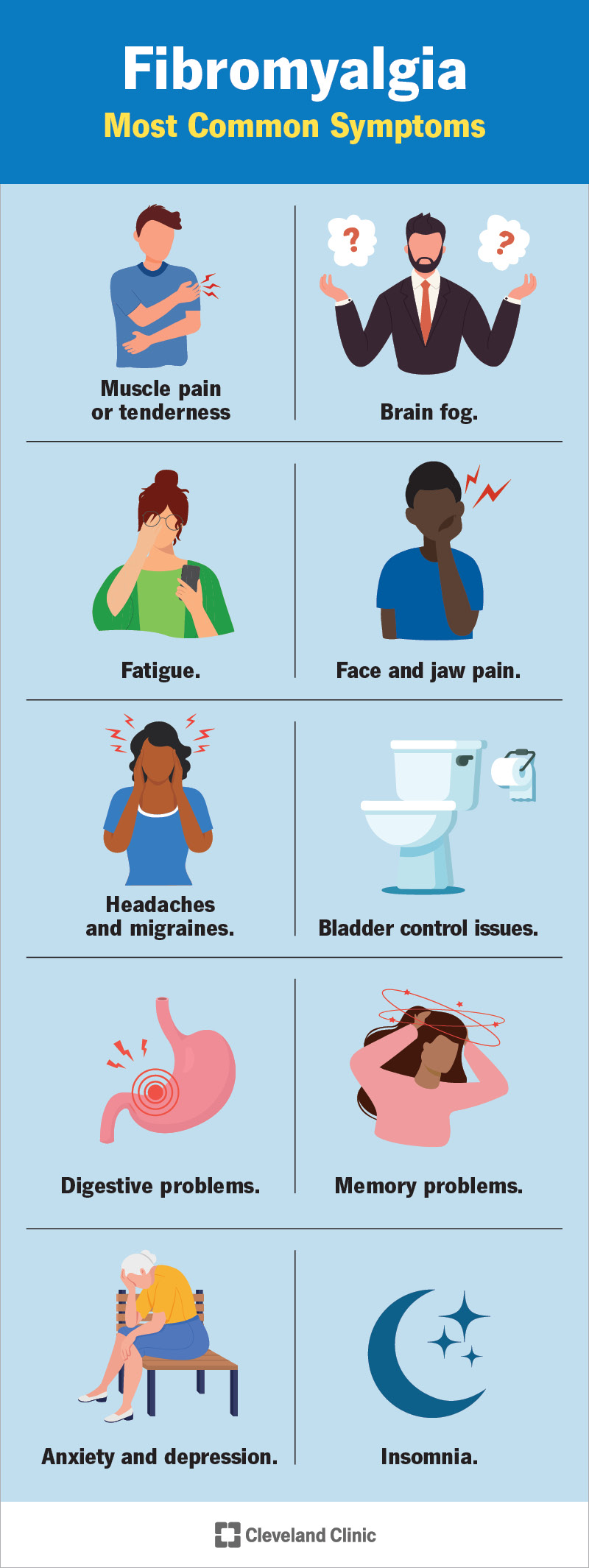
Understanding the Core Symptoms of Fibromyalgia
At its heart, fibromyalgia is defined by a constellation of symptoms that can vary in intensity and presentation from person to person. While the exact cause remains elusive, researchers believe it involves abnormal processing of pain signals in the brain. This central sensitization leads to an amplification of pain sensations.
The Dominant Feature: Widespread Pain
The hallmark symptom of fibromyalgia is widespread pain. This pain is typically described as a persistent, dull ache that affects both sides of the body, as well as the front and back. It can manifest in muscles, ligaments, and tendons. Unlike localized pain from an injury, fibromyalgia pain is diffuse, meaning it can move around and affect different areas at different times.
The pain can be experienced in various ways:
- A Deep Aching: Often described as a deep, throbbing, or burning sensation.
- Tenderness: Certain points on the body, known as “tender points,” become particularly sensitive to touch. While the diagnostic criteria for fibromyalgia have evolved away from relying solely on tender points, many individuals still experience heightened sensitivity in these areas.
- Stiffness: Particularly noticeable upon waking or after periods of inactivity. This stiffness can limit movement and contribute to discomfort.
Beyond the generalized pain, individuals with fibromyalgia may also experience localized pain syndromes that co-occur with their condition. These can include:
- Headaches: Migraines and tension-type headaches are common.
- Jaw Pain: Temporomandibular joint (TMJ) disorders can contribute to facial pain and difficulty chewing.
- Abdominal Pain: Irritable bowel syndrome (IBS) is frequently associated with fibromyalgia, leading to cramping, bloating, and altered bowel habits.
Beyond Pain: The Multifaceted Nature of Fibromyalgia Symptoms
While widespread pain is the most prominent symptom, it’s crucial to recognize that fibromyalgia encompasses a broader spectrum of challenges that significantly impact daily life. These symptoms often interact and exacerbate one another, creating a complex web of discomfort and dysfunction.
Fatigue: The Ever-Present Shadow
One of the most debilitating symptoms of fibromyalgia is profound fatigue. This isn’t the ordinary tiredness one might experience after a long day; it’s a pervasive exhaustion that sleep often fails to alleviate. Individuals with fibromyalgia may describe feeling drained, lacking energy, and struggling with even simple tasks. This fatigue can:
- Impair Cognitive Function: Leading to “fibro fog,” characterized by difficulties with concentration, memory, and thinking clearly.
- Limit Physical Activity: Making it challenging to engage in work, exercise, or social activities.
- Affect Mood and Motivation: Contributing to feelings of sadness, frustration, and a lack of drive.
The cyclical nature of fibromyalgia symptoms can be particularly frustrating. Periods of increased pain or fatigue can be triggered by stress, overexertion, changes in weather, or hormonal fluctuations. This unpredictability makes it difficult for individuals to plan their lives and maintain consistency.
Sleep Disturbances: The Restorative Cycle Broken
A consistent complaint among individuals with fibromyalgia is disturbed sleep. Despite feeling exhausted, they often struggle to achieve restorative sleep. This can manifest as:
- Difficulty Falling Asleep: Racing thoughts or physical discomfort can prevent sleep.
- Frequent Awakenings: Waking up multiple times during the night, often due to pain or the need to use the restroom.
- Non-Restorative Sleep: Even when they manage to sleep for several hours, they wake up feeling unrefreshed, as if they haven’t slept at all.
This lack of quality sleep further exacerbates fatigue, pain, and cognitive issues, creating a vicious cycle that is difficult to break.
Cognitive Impairments: The “Fibro Fog” Phenomenon
The cognitive difficulties associated with fibromyalgia, often referred to as “fibro fog,” are a significant and frustrating symptom. This can include:
- Memory Problems: Difficulty recalling information, names, or recent events.
- Concentration Issues: Struggling to focus on tasks, conversations, or reading.
- Slowed Thinking: Experiencing delays in processing information or formulating responses.
- Difficulty with Multitasking: Finding it challenging to manage multiple tasks simultaneously.
These cognitive impairments can have a profound impact on an individual’s ability to perform at work, maintain relationships, and manage everyday responsibilities.
Mood Disturbances: The Emotional Toll

Fibromyalgia often goes hand-in-hand with emotional challenges. While not everyone with fibromyalgia experiences them, anxiety and depression are common co-occurring conditions. The chronic pain, fatigue, and the limitations imposed by the illness can understandably lead to:
- Feelings of Frustration and Irritability: Due to the constant discomfort and inability to engage in desired activities.
- Sadness and Hopelessness: Stemming from the chronic nature of the illness and its impact on life.
- Anxiety: Worrying about future flare-ups, the ability to cope, and the impact on loved ones.
It’s important to note that these mood disturbances are not a sign of weakness but a natural response to living with a chronic and challenging condition.
Fibromyalgia and the Digital Age: Tech, Brand, and Money Implications
The challenges posed by fibromyalgia can ripple outwards, affecting an individual’s engagement with the modern world, particularly in the domains of technology, personal and corporate branding, and financial well-being.
Navigating the Digital Landscape: Technology’s Double-Edged Sword
Technology offers immense potential for support and management for individuals with fibromyalgia, yet it can also present unique challenges.
Tech for Accessibility and Support
- Health and Wellness Apps: A plethora of apps exist to help manage symptoms. These can include:
- Pain Trackers: Allowing users to log pain levels, triggers, and medication effectiveness. This data can be invaluable for discussions with healthcare providers and identifying patterns.
- Sleep Trackers: Monitoring sleep duration, quality, and disturbances, helping individuals understand their sleep patterns and identify potential interventions.
- Meditation and Mindfulness Apps: Offering guided meditations, breathing exercises, and relaxation techniques to help manage stress, anxiety, and pain.
- Fitness and Exercise Apps: Providing low-impact exercise routines tailored to individuals with chronic pain.
- Assistive Technologies: For those experiencing significant fatigue or cognitive issues, assistive technologies can be a lifeline. This might include:
- Voice-Activated Software: Enabling hands-free operation of computers and smartphones for tasks like writing emails or searching for information.
- Smart Home Devices: Automating tasks like lighting or temperature control, reducing physical exertion.
- AI Tools for Productivity: AI-powered writing assistants or scheduling tools can help individuals with fibro fog manage their workload more effectively.
- Telehealth and Online Resources: The rise of telehealth allows individuals to consult with specialists remotely, reducing the need for strenuous travel. Online support groups and forums provide a vital sense of community and shared experience.
The Challenges of Digital Overload and Information Overwhelm
However, the digital world can also be overwhelming for those with fibromyalgia.
- Information Overload: The sheer volume of information available online about fibromyalgia can be daunting and contradictory, leading to increased anxiety and confusion.
- Screen Time and Eye Strain: Prolonged use of screens can exacerbate headaches and eye strain, which are common in fibromyalgia.
- Pressure to Be Constantly Connected: The expectation of being always available online can be exhausting for individuals with limited energy.
The key lies in judicious use of technology, focusing on tools that genuinely support well-being and productivity without contributing to overload.
Crafting and Maintaining a Brand in the Face of Fibromyalgia
The concept of “brand” extends beyond corporate logos; it encompasses personal branding, professional reputation, and how individuals present themselves to the world. Fibromyalgia can present significant hurdles in maintaining and projecting a consistent and positive brand.
The Personal Brand Challenge
- The “Invisible Illness” Factor: Fibromyalgia is often an invisible illness. Friends, family, and colleagues may not understand the severity of the symptoms, leading to a perception of unreliability or a lack of commitment.
- Fluctuating Capacity: The unpredictable nature of flare-ups means that an individual’s ability to perform can vary significantly. This inconsistency can make it difficult to maintain a reputation for dependability.
- Impact on Professional Image: If fatigue and cognitive issues lead to missed deadlines, reduced productivity, or a less engaged demeanor, it can negatively impact one’s professional brand and career progression.
- The Need for Authentic Communication: Managing one’s brand with fibromyalgia often requires open and honest communication about limitations, while also highlighting strengths and contributions. This can be a delicate balancing act.
Strategies for Brand Resilience
- Embrace Transparency (Strategically): While oversharing isn’t always necessary, selectively communicating about your condition with trusted colleagues or managers can foster understanding and support.
- Focus on Strengths and Adaptability: Highlight your resilience, problem-solving skills, and ability to adapt to challenges. These are valuable assets in any personal or professional brand.
- Leverage Technology for Brand Management: Utilize professional networking sites like LinkedIn to showcase your skills and achievements, even during periods of reduced activity. Consider using scheduling tools to manage your online presence.
- Prioritize Self-Care as a Brand Pillar: A personal brand that values well-being is a sustainable one. Demonstrating that you prioritize your health, even if it means adjusting your commitments, can be seen as a sign of maturity and responsibility.
Financial Realities: Managing Money with Fibromyalgia
The financial implications of living with fibromyalgia are often profound and complex, impacting personal finances, earning potential, and the ability to invest for the future.
The Economic Burden of Fibromyalgia
- Reduced Earning Capacity: Chronic pain, fatigue, and cognitive impairments can significantly impact an individual’s ability to work full-time or at their previous capacity. This can lead to a reduction in income and a struggle to maintain employment.
- Increased Healthcare Costs: Fibromyalgia management involves ongoing medical appointments, medications, therapies (physical therapy, occupational therapy), and potentially specialized treatments, all of which can incur significant out-of-pocket expenses.
- Disability and Income Support: For some, the severity of fibromyalgia may necessitate applying for disability benefits, which can be a lengthy and challenging process.
- Impact on Savings and Investments: Reduced income and increased expenses can make it difficult to save for retirement or invest in financial growth. This can create long-term financial insecurity.

Financial Strategies for Resilience
- Budgeting and Financial Planning: Meticulous budgeting is essential to manage fluctuating income and unpredictable expenses. Prioritizing needs over wants becomes paramount.
- Exploring Alternative Income Streams: For those unable to maintain traditional employment, exploring flexible or remote work opportunities, side hustles that can be done from home with fluctuating energy levels, or passive income streams might be necessary.
- Utilizing Financial Tools and Resources: Leveraging personal finance apps to track spending, identify areas for savings, and manage budgets can be incredibly helpful. Exploring financial advisory services specializing in chronic illness can also provide guidance.
- Advocating for Benefits and Support: Understanding and applying for any available government benefits, insurance coverage, or employer-provided accommodations is crucial.
- Long-Term Financial Planning: While challenging, it’s important to plan for the long term. This might involve adjusting retirement goals, exploring different investment strategies that align with your risk tolerance and current capacity, or seeking advice on long-term care planning.
In conclusion, understanding fibromyalgia symptoms is just the beginning. The condition necessitates a holistic approach that acknowledges its impact on every facet of an individual’s life, including their interaction with technology, the way they are perceived and present themselves (their brand), and their financial well-being. By leveraging technology wisely, proactively managing one’s brand, and implementing sound financial strategies, individuals with fibromyalgia can navigate these challenges and strive for a more fulfilling and stable life.
aViewFromTheCave is a participant in the Amazon Services LLC Associates Program, an affiliate advertising program designed to provide a means for sites to earn advertising fees by advertising and linking to Amazon.com. Amazon, the Amazon logo, AmazonSupply, and the AmazonSupply logo are trademarks of Amazon.com, Inc. or its affiliates. As an Amazon Associate we earn affiliate commissions from qualifying purchases.