
An extrauterine pregnancy, also commonly known as an ectopic pregnancy, is a serious medical condition where a fertilized egg implants outside the uterus. This is a life-threatening situation for the pregnant person, as the fertilized egg cannot develop into a viable pregnancy in these locations and can cause severe internal bleeding. Understanding the causes, symptoms, and treatment options is crucial for prompt recognition and management.
Understanding the Normal Pregnancy Process: The Foundation of Ectopic Pregnancy
To truly grasp what an extrauterine pregnancy is, it’s essential to first understand the typical journey of a fertilized egg. This forms the baseline against which we can identify deviations.

Fertilization and Implantation: The Biological Blueprint
The process of human reproduction begins with fertilization, typically occurring in the fallopian tube. After sexual intercourse, sperm travel through the cervix, into the uterus, and then up into the fallopian tubes, where they meet an egg released from the ovary during ovulation. This fusion of sperm and egg creates a zygote, which is a single fertilized cell.
Following fertilization, the zygote begins to divide rapidly, transforming into a cluster of cells known as a blastocyst. This journey is not instantaneous; the blastocyst takes approximately three to five days to travel from the fallopian tube to the uterus. During this transit, the uterine lining (endometrium) has thickened in preparation for receiving the embryo.
The implantation process is a critical step where the blastocyst successfully attaches to and embeds itself within the nutrient-rich uterine lining. This secure attachment provides the developing embryo with the necessary environment to grow and receive nourishment through the placenta, which will eventually form. The uterus, with its muscular walls and specialized lining, is uniquely designed to accommodate and support a growing fetus for approximately nine months.
The Uterus: A Safe Haven for Gestation
The uterus, a pear-shaped organ located in the female pelvis, is the primary site for pregnancy. Its robust structure is designed to expand significantly to house a developing fetus. The inner lining, the endometrium, is rich in blood vessels, providing sustenance for the embryo. As the pregnancy progresses, the muscular walls of the uterus stretch and grow, offering protection and a stable environment for fetal development. The cervix, the lower, narrow part of the uterus, remains closed and firm throughout the pregnancy, preventing premature expulsion of the fetus. The entire uterine environment is optimized for the long-term gestation of a baby.
When the Journey Takes an Unexpected Turn: The Nature of Extrauterine Pregnancy
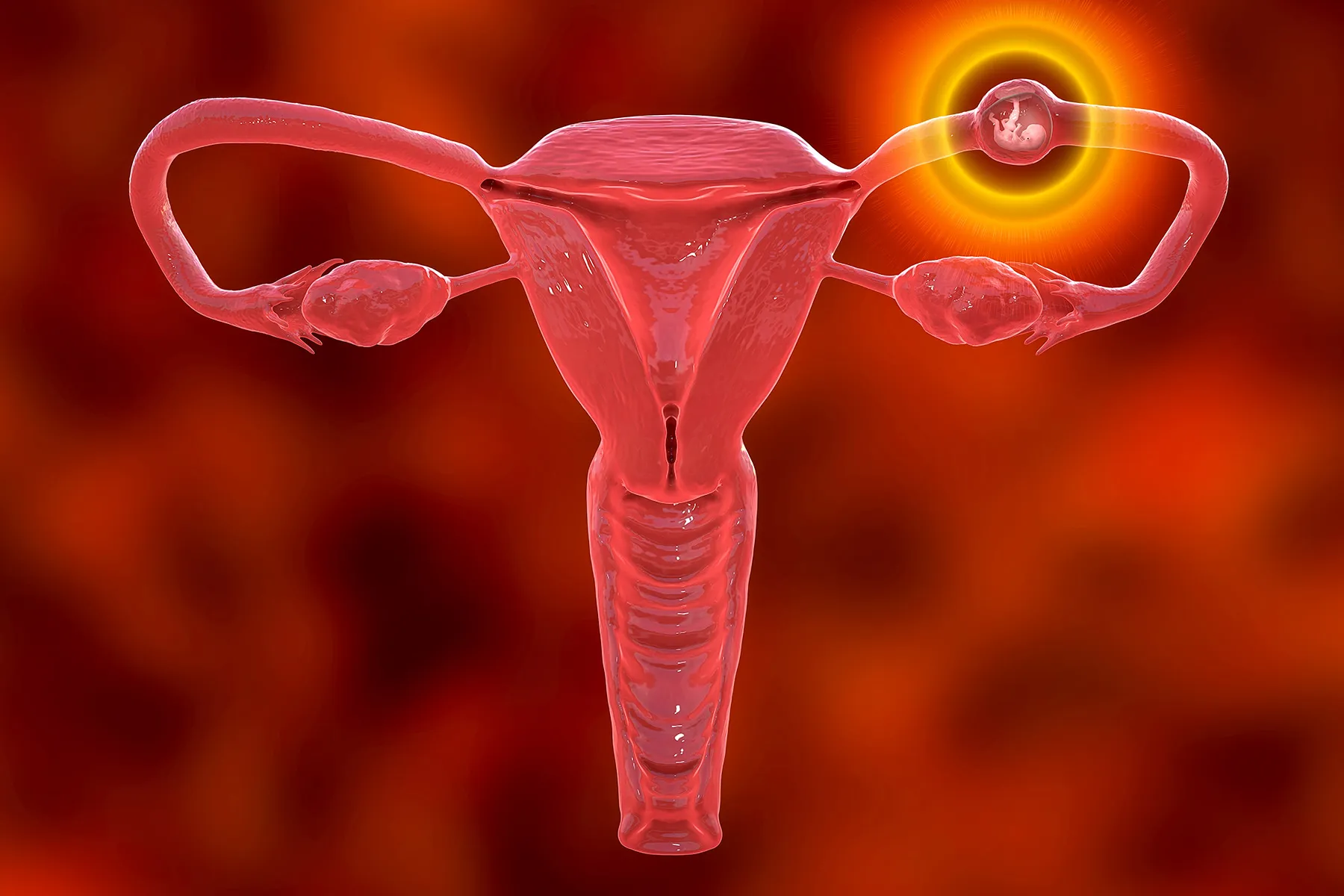
An extrauterine pregnancy deviates from this normal biological pathway. Instead of implanting in the uterus, the fertilized egg lodges in an inappropriate location.
Where Can an Extrauterine Pregnancy Occur?
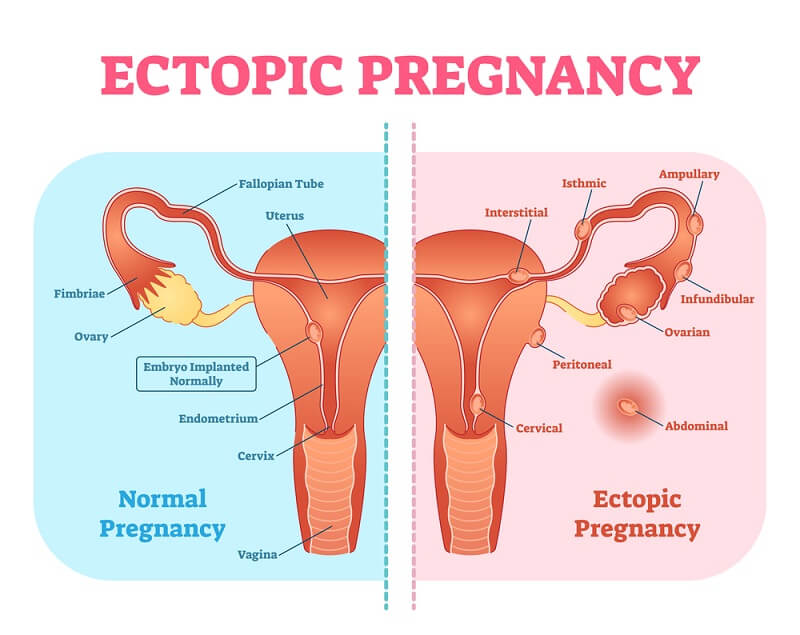
The vast majority of extrauterine pregnancies, around 95%, occur in the fallopian tubes. This is because the fertilized egg is still within the fallopian tube when implantation takes place, before it has reached the uterus.
However, implantation can also occur in other less common sites:
- Ovarian Pregnancy: The fertilized egg implants on the surface of the ovary.
- Cervical Pregnancy: The fertilized egg implants in the cervix, the lower, narrow part of the uterus. This is a rare but particularly dangerous form due to the high risk of hemorrhage.
- Abdominal Pregnancy: The fertilized egg implants in the abdominal cavity, on organs like the bowel or omentum. This is extremely rare and carries a very high mortality rate for both mother and fetus.
- Cornual or Interstitial Pregnancy: This occurs when the fertilized egg implants in the part of the fallopian tube that passes through the muscular wall of the uterus. This is also a rare but potentially life-threatening type.
The reason implantation occurs outside the uterus is usually due to a blockage or damage to the fallopian tube, which hinders the fertilized egg’s journey to the uterus.
Why Does Implantation Occur Outside the Uterus? Risk Factors and Contributing Conditions
Several factors can increase a person’s risk of developing an extrauterine pregnancy. Understanding these risk factors is key to prevention and early detection.
- Previous Ectopic Pregnancy: This is the strongest predictor of a future ectopic pregnancy. If you’ve had one before, your risk is significantly higher.
- Fallopian Tube Damage or Scarring: Conditions that can damage or scar the fallopian tubes include:
- Pelvic Inflammatory Disease (PID): Infections like chlamydia and gonorrhea can cause inflammation and scarring of the reproductive organs, including the fallopian tubes.
- Previous Pelvic or Abdominal Surgery: Surgeries on the fallopian tubes, ovaries, appendix, or uterus can lead to adhesions or scarring.
- Endometriosis: This condition, where uterine tissue grows outside the uterus, can affect the fallopian tubes.
- Fibroids: Uterine fibroids can distort the shape of the uterus and potentially interfere with the egg’s passage.
- Infertility and Fertility Treatments:
- In Vitro Fertilization (IVF): While IVF significantly increases the chances of pregnancy, there is a slightly higher risk of ectopic pregnancy compared to natural conception. This may be due to the manipulation of embryos or changes in the uterine environment.
- Certain Fertility Drugs: Some medications used to stimulate ovulation might increase the risk.
- Age: Women over 35 are at a higher risk.
- Smoking: Smoking can damage fallopian tubes and affect the function of the cilia (tiny hair-like structures) that help move the egg.
- Intrauterine Devices (IUDs): While IUDs are highly effective contraception, if pregnancy does occur with an IUD in place, there is a higher likelihood that it will be ectopic. However, overall, IUDs significantly reduce the risk of pregnancy and therefore ectopic pregnancy.
- History of Sexually Transmitted Infections (STIs): STIs, particularly chlamydia and gonorrhea, are a leading cause of PID, which can lead to tubal damage.
It’s important to note that sometimes, an ectopic pregnancy can occur without any identifiable risk factors.
Recognizing the Warning Signs: Symptoms of Extrauterine Pregnancy
Early recognition of symptoms is vital for timely medical intervention. The symptoms of an ectopic pregnancy can mimic those of a normal early pregnancy, making it confusing. However, certain signs warrant immediate medical attention.
Early Signs and Symptoms: The Subtle Clues
In the early stages, an extrauterine pregnancy might present with symptoms similar to a normal pregnancy:
- Missed Menstrual Period: This is often the first indication of pregnancy.
- Breast Tenderness: Hormonal changes can cause breasts to become sore and swollen.
- Nausea and Vomiting: “Morning sickness” can occur.
- Frequent Urination: Increased blood flow to the pelvic area can lead to this.
These symptoms alone do not necessarily indicate an ectopic pregnancy, but their presence, especially when combined with other warning signs, should prompt concern.
Urgent Symptoms: When to Seek Immediate Medical Help
As the ectopic pregnancy progresses and the abnormal implantation site begins to stretch or rupture, more severe and urgent symptoms will emerge. These are critical red flags:
- Abdominal or Pelvic Pain: This is a hallmark symptom and is often described as sharp, stabbing, or cramping. The pain may be on one side of the abdomen or pelvis, but it can also be generalized. It may be intermittent or constant.
- Vaginal Bleeding: This bleeding is often different from a normal period. It can be light spotting or heavier bleeding, and the color can range from bright red to dark brown. It may occur earlier or later than expected.
- Shoulder Pain: This is a particularly concerning symptom that can occur if there is internal bleeding within the abdomen. Blood can irritate the diaphragm, which shares nerve pathways with the shoulder, causing referred pain. This is often called Kehr’s sign.
- Dizziness or Fainting: This can be a sign of significant blood loss and a drop in blood pressure, indicative of a ruptured ectopic pregnancy.
- Rectal Pressure or Bowel Movement Pain: Pressure from the growing implantation site or bleeding can cause these sensations.
It is crucial to understand that if you experience any of these urgent symptoms, you should seek immediate medical attention. Do not delay.
Medical Intervention: Diagnosis and Treatment of Extrauterine Pregnancy
Once an extrauterine pregnancy is suspected, swift and accurate diagnosis is paramount. Treatment aims to remove the ectopic tissue and prevent potentially life-threatening complications.
Diagnostic Tools: Confirming the Diagnosis
Healthcare providers use a combination of methods to confirm an ectopic pregnancy:
- Pelvic Exam: A doctor may perform a pelvic exam to check for tenderness or masses in the abdomen or pelvis.
- Blood Tests:
- Human Chorionic Gonadotropin (hCG) Levels: hCG is a hormone produced during pregnancy. Levels are typically monitored. In an ectopic pregnancy, hCG levels may rise more slowly than in a normal pregnancy or plateau.
- Progesterone Levels: These can also provide clues.
- Ultrasound: This is the primary diagnostic tool.
- Transvaginal Ultrasound: A probe is inserted into the vagina to get a clearer view of the uterus, ovaries, and fallopian tubes. This can often detect an ectopic pregnancy, especially in the fallopian tubes, and can show whether a gestational sac is present within the uterus.
- Transabdominal Ultrasound: A probe is moved over the abdomen.
- Laparoscopy (Diagnostic Surgery): In some cases, if the diagnosis is unclear, a minimally invasive surgical procedure called laparoscopy may be performed. A thin, lighted tube with a camera is inserted into the abdomen through a small incision, allowing the doctor to visualize the reproductive organs directly.
Treatment Options: Managing the Condition
The treatment for an ectopic pregnancy depends on several factors, including the stage of the pregnancy, the location of the ectopic implantation, the patient’s symptoms, and their overall health.
Medical Management: When Intervention is Possible
In certain situations, especially when the ectopic pregnancy is diagnosed very early and the patient is stable with no signs of rupture, medical treatment may be an option.
- Methotrexate Injection: This is a chemotherapy drug that works by stopping the growth of rapidly dividing cells, including the cells of the ectopic pregnancy. It is typically given as an injection and can effectively resolve the ectopic pregnancy without the need for surgery. This treatment requires close monitoring of hCG levels until they return to zero.
Surgical Intervention: Addressing the Emergency
Surgery is often the preferred treatment, especially if there are signs of rupture, significant bleeding, or if medical management is not suitable.
- Laparoscopy (Minimally Invasive Surgery): This is the most common surgical approach. The surgeon makes one or more small incisions in the abdomen and uses a laparoscope to remove the ectopic pregnancy.
- Salpingostomy: If the fallopian tube is not ruptured and the pregnancy is small, the surgeon may be able to remove the ectopic tissue and preserve the fallopian tube. The tube is then left to heal.
- Salpingectomy: If the fallopian tube is ruptured or severely damaged, it may need to be surgically removed along with the ectopic pregnancy.
- Laparotomy (Open Surgery): In cases of severe bleeding or instability, an open abdominal surgery may be necessary. This involves a larger incision to gain access to the pelvic organs and remove the ectopic pregnancy.
Post-Treatment Care and Future Considerations
Following treatment for an ectopic pregnancy, both medical and surgical, ongoing care and support are essential.
- Monitoring: hCG levels will be closely monitored after treatment to ensure they return to zero, indicating the complete resolution of the pregnancy.
- Emotional Support: Experiencing an ectopic pregnancy can be emotionally devastating, involving loss and grief. Access to counseling and support groups is crucial for emotional recovery.
- Future Pregnancies: While an ectopic pregnancy does not necessarily mean future infertility, it can affect the chances of a successful pregnancy. If one fallopian tube has been removed, the ability to conceive naturally is reduced. However, many individuals go on to have successful pregnancies after an ectopic pregnancy. It’s important to discuss family planning and future conception strategies with a healthcare provider.
An extrauterine pregnancy is a serious medical condition that requires prompt diagnosis and treatment. By understanding the normal pregnancy process, recognizing the risk factors and symptoms, and seeking immediate medical attention when necessary, individuals can navigate this challenging situation with the best possible outcomes.
aViewFromTheCave is a participant in the Amazon Services LLC Associates Program, an affiliate advertising program designed to provide a means for sites to earn advertising fees by advertising and linking to Amazon.com. Amazon, the Amazon logo, AmazonSupply, and the AmazonSupply logo are trademarks of Amazon.com, Inc. or its affiliates. As an Amazon Associate we earn affiliate commissions from qualifying purchases.