
Dreaming. It’s a universal human experience, a nightly odyssey into a world unbound by logic, physics, or convention. For millennia, humanity has grappled with the enigmatic nature of dreams. Are they mere random firings of neurons, or do they hold deeper meaning, offering insights into our waking lives? While science is steadily chipping away at the mysteries, the question of “what is dreaming” remains as captivating as ever.
This exploration delves into the phenomenon of dreaming, drawing upon perspectives from technology, brand perception, and even the financial implications of our cognitive processes. We’ll investigate how cutting-edge technology is helping us understand the dreaming brain, how our dreams might subtly influence our perceptions and even our brand identities, and whether there’s any tangible “value” to be extracted from this subconscious theater.

The Neuroscience of the Dream State: Technology’s Lens on the Subconscious
The most direct scientific approach to understanding dreaming lies in examining the biological processes that underpin it. For centuries, this was largely confined to introspection and philosophical debate. However, the advent of advanced neuroimaging techniques has revolutionized our ability to observe the brain in action, even during sleep.
Decoding Brain Activity with Advanced Technologies
Technological advancements have transformed sleep research. Electroencephalography (EEG), once the cornerstone of sleep studies, has evolved into sophisticated systems that can map brainwave patterns with remarkable precision. These patterns, like alpha, beta, theta, and delta waves, are distinct and correlate with different stages of sleep. Dreaming is most commonly associated with Rapid Eye Movement (REM) sleep, characterized by high-frequency, low-amplitude brain waves, similar to those seen in an awake brain.
Beyond EEG, functional Magnetic Resonance Imaging (fMRI) and Magnetoencephalography (MEG) offer even deeper insights. fMRI can detect changes in blood flow, indicating areas of the brain that are more or less active. This allows researchers to pinpoint which neural networks are engaged during REM sleep and, by extension, during dreaming. MEG, on the other hand, measures the magnetic fields produced by electrical activity in the brain, offering excellent temporal resolution to track rapid neural events.
AI and Machine Learning in Dream Analysis: The sheer volume of data generated by these technologies necessitates powerful analytical tools. Artificial intelligence (AI) and machine learning (ML) are increasingly being employed to sift through this data, identifying patterns and correlations that might be imperceptible to human researchers. AI algorithms can be trained to recognize specific brain activity signatures associated with different types of dream content or emotional states experienced during dreams. This is paving the way for more objective and data-driven interpretations of dream phenomena. Imagine AI systems that can predict the likelihood of dreaming based on pre-sleep brain states, or even begin to categorize the emotional valence of dream narratives based on neural markers.
Brain-Computer Interfaces (BCIs) and the Future of Dream Exploration: The frontier of technology in this field is the development of Brain-Computer Interfaces (BCIs). While still largely in experimental stages for dream research, BCIs hold the potential to not only monitor brain activity but also to potentially influence it. Future BCIs might allow for a more direct interaction with the dreaming mind, perhaps enabling individuals to consciously influence their dreams (lucid dreaming) or even to record and replay dream experiences. This raises profound ethical and technological questions about the nature of consciousness and personal experience.
The Biological Basis of Dream Generation
While technology provides the tools for observation, the underlying biological mechanisms remain a subject of intense research. The prevailing theories suggest that dreams are generated by a complex interplay of various brain structures:
- The Brainstem: Often considered the “control center” for sleep, the brainstem plays a crucial role in initiating and regulating REM sleep. It sends signals to the forebrain that are thought to trigger the subjective experience of dreaming.
- The Limbic System: This region, responsible for emotions, motivation, and memory, is highly active during REM sleep. This explains why dreams are often so emotionally charged and why they frequently draw upon our memories and past experiences. The amygdala, a key component of the limbic system, is particularly active, contributing to the vivid emotions experienced in dreams, from joy and fear to anxiety and desire.
- The Cortex: The outer layer of the brain, responsible for higher-level thinking, perception, and consciousness, is also involved. However, during REM sleep, the prefrontal cortex, responsible for logical reasoning and self-control, shows reduced activity. This explains the bizarre, illogical, and often uninhibited nature of dream narratives. The visual cortex, on the other hand, is highly active, creating the vivid imagery we experience in our dreams.
The exact sequence and interplay of these activations are still being deciphered, but the consensus is that dreaming is a product of complex neural signaling and network activation during specific sleep stages.
Dreams as Brand Building Blocks: Shaping Perception and Identity
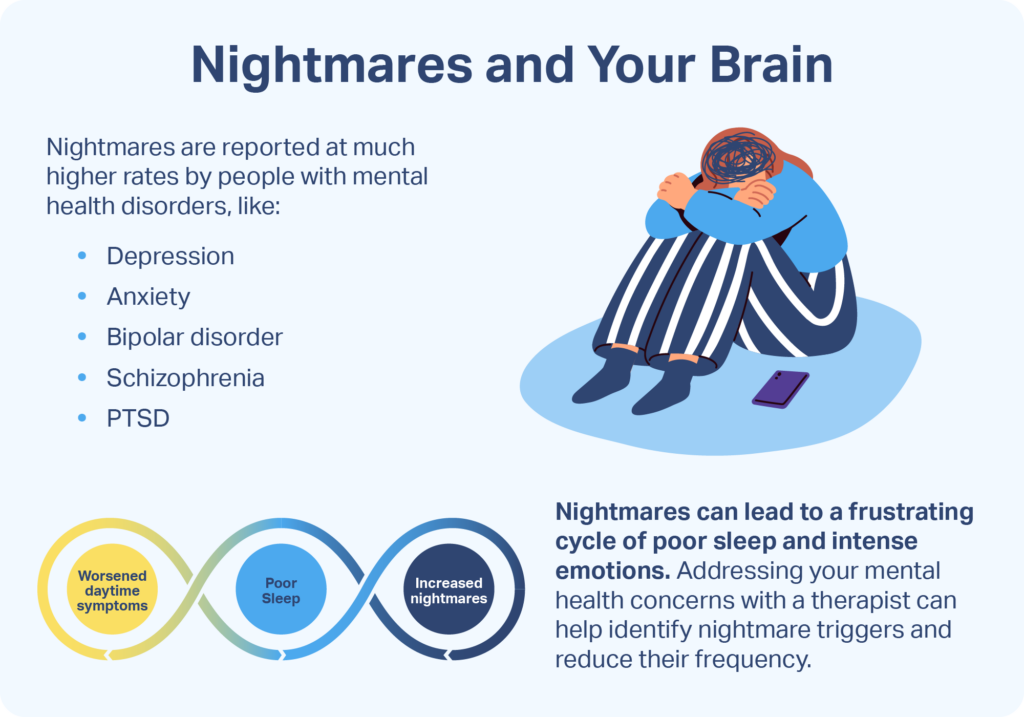
Beyond the purely biological, dreams can also be viewed through a lens of perception and identity, mirroring how brands are constructed and perceived in the marketplace. Our dreams, though often chaotic, can be seen as the subconscious mind’s way of processing information, integrating experiences, and even shaping our internal “brand” of self.
The Subconscious Marketing of Self
Just as brands strive to create a consistent and compelling narrative in the minds of consumers, our dreams can be interpreted as a subconscious marketing effort for our own identities. The recurring themes, symbols, and emotions in our dreams might reflect our deepest desires, anxieties, and aspirations – the very elements that shape our personal brand.
- Archetypal Imagery and Brand Symbolism: Dreams often feature archetypal figures and situations – the hero, the villain, the wise elder, the journey, the challenge. These elements are also prevalent in successful branding. Brands that resonate deeply often tap into universal human narratives and symbolism, creating an emotional connection with their audience. Similarly, the archetypes in our dreams might be the raw material from which our subconscious constructs our internal sense of self and our perceived place in the world.
- Emotional Resonance and Brand Loyalty: The emotional impact of dreams is undeniable. A vivid dream can leave us feeling elated, terrified, or deeply unsettled long after waking. This emotional resonance is a key driver of brand loyalty. Brands that evoke strong positive emotions are more likely to be remembered and favored. In a similar vein, the emotional landscape of our dreams might be shaping our preferences and associations, subtly influencing our choices in the waking world, including our affinity for certain brands.
- Narrative Construction and Personal Storytelling: Dreams weave narratives, however fragmented. We are often the protagonists in these stories, experiencing events, interacting with others, and navigating various scenarios. This narrative construction is fundamental to brand building. A strong brand has a clear story, a compelling origin, and a vision for the future. Our dreams, in turn, might be the subconscious forge where we rehearse and refine our personal narratives, informing how we present ourselves to the world – our own individual brand.
The Impact of Dreams on Waking Perceptions and Brand Choices
While the direct link is speculative, it’s not unreasonable to consider how the subconscious processing during dreams might subtly influence our waking perceptions and even our brand allegiances.
- Priming and Association: If a dream consistently features a particular symbol or scenario associated with a brand, it’s possible that the subconscious mind could create or strengthen an association. For example, recurring dreams of freedom and open spaces might, over time, subconsciously prime an individual towards brands that evoke those feelings, such as travel companies or car manufacturers known for adventure.
- Emotional Catharsis and Receptivity: Dreams can serve as a form of emotional processing. Working through anxieties or fears in a dream might leave us feeling more emotionally balanced and receptive in our waking lives. This enhanced emotional state could make us more open to persuasive marketing messages or more inclined to connect with brands that offer solutions or comfort.
- The “Dream Signature” of a Brand: While a brand cannot directly enter our dreams, the overarching emotional and thematic essence of a brand can become deeply embedded in our subconscious. This “dream signature” might manifest as a feeling, an image, or a narrative that is triggered by our waking encounters with the brand. This could explain why certain brands evoke such powerful and consistent emotional responses, even in individuals who may not consciously recall specific advertising campaigns.
The Tangible and Intangible Value of Dreaming: A Financial and Personal Perspective
While dreams are often perceived as ephemeral, they can, in a broader sense, hold tangible and intangible value, influencing our decision-making and even our creative output – factors that ultimately have financial implications.
The Financial Implications of a Well-Rested Mind
While there isn’t a direct “dream market,” the quality of our sleep, and thus our dreaming, has significant economic consequences.
- Productivity and Innovation: Adequate sleep, including sufficient REM sleep where most vivid dreaming occurs, is crucial for cognitive function. A well-rested mind is more focused, creative, and adept at problem-solving. This directly translates to increased productivity in the workplace and a greater capacity for innovation. Companies that foster good sleep hygiene among their employees might see a return on investment through enhanced performance and groundbreaking ideas.
- Decision-Making and Risk Assessment: Our ability to make sound financial decisions is heavily influenced by our cognitive state. Sleep deprivation and disrupted dream cycles can impair judgment, leading to impulsive choices and poor risk assessment. Investing wisely, managing personal finances effectively, and running a profitable business all rely on clear, rational thinking, which is directly supported by healthy sleep patterns.
- Mental Health and Healthcare Costs: Chronic sleep disturbances and the associated impact on dreaming can exacerbate mental health issues like anxiety and depression. These conditions can lead to significant healthcare costs and reduced earning potential. Prioritizing sleep and understanding the role of dreams in mental well-being can be seen as a form of personal financial investment in health and long-term stability.

Extracting Value: Creativity, Problem-Solving, and Self-Discovery
Beyond direct financial gains, dreams offer a rich source of intangible value that can indirectly contribute to our well-being and success.
- Creative Inspiration and Ideation: Many artists, writers, and scientists have reported drawing inspiration from their dreams. The uninhibited nature of the dreaming mind can lead to novel connections, unexpected juxtapositions, and entirely new ideas. For entrepreneurs and innovators, a particularly vivid or insightful dream could spark the next big idea or a unique solution to a persistent problem, potentially leading to significant financial success.
- Emotional Processing and Personal Growth: Dreams provide a safe space for the subconscious to process difficult emotions, unresolved conflicts, and latent anxieties. Working through these issues in a dream can lead to a greater sense of emotional clarity and personal growth in waking life. This self-awareness and emotional resilience are invaluable assets that contribute to overall well-being and can positively influence our interactions and decision-making in all aspects of life, including business.
- Unlocking Hidden Potential and Self-Awareness: By paying attention to recurring themes or symbols in our dreams, we can gain profound insights into our subconscious motivations, fears, and desires. This self-awareness is the bedrock of personal development and can help us identify our strengths, address our weaknesses, and align our actions with our true aspirations. Understanding oneself is a critical, albeit often overlooked, component of building a successful personal brand and achieving life goals.
In conclusion, the question of “what is dreaming” continues to evolve as technology advances and our understanding of the human mind deepens. From the intricate neural networks firing in our brains, to the subtle ways our subconscious narratives might mirror brand building, and the undeniable impact on our productivity and well-being, dreams remain a fascinating and profoundly influential aspect of the human experience. While we may not be able to bottle them or sell them directly, the value derived from our nightly journeys into the subconscious is immeasurable, shaping who we are, how we perceive the world, and ultimately, the success we achieve in our waking lives.
aViewFromTheCave is a participant in the Amazon Services LLC Associates Program, an affiliate advertising program designed to provide a means for sites to earn advertising fees by advertising and linking to Amazon.com. Amazon, the Amazon logo, AmazonSupply, and the AmazonSupply logo are trademarks of Amazon.com, Inc. or its affiliates. As an Amazon Associate we earn affiliate commissions from qualifying purchases.