
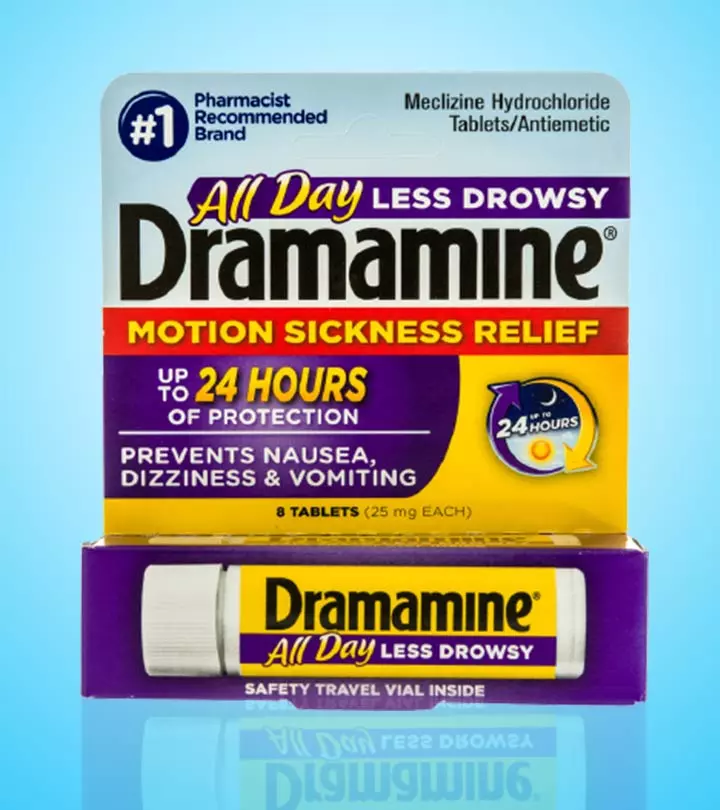
The name “Dramamine” is practically synonymous with relief from motion sickness. For many, it’s a trusted companion for car rides, flights, and boat trips, promising a smoother journey free from nausea and dizziness. But beyond its most well-known application, what else is Dramamine used for? While its primary claim to fame is as an antiemetic (a medication to prevent or treat nausea and vomiting), understanding its mechanism of action and potential off-label uses requires a dive into its pharmacological properties. This exploration will also touch upon how understanding specific remedies can relate to broader principles of problem-solving and optimization, concepts often discussed in areas like technology and personal development.
Understanding the Science Behind Dramamine’s Effectiveness
At its core, Dramamine is an antihistamine. Specifically, the most common active ingredient in over-the-counter Dramamine is dimenhydrinate. Dimenhydrinate is a combination of diphenhydramine (an antihistamine) and 8-chlorotheophylline. While diphenhydramine is the primary antiemetic agent, the role of 8-chlorotheophylline is less clear, possibly acting as a stimulant to counteract some of the sedative effects of diphenhydramine.
The Role of Histamine in Motion Sickness
To grasp how Dramamine works, we need to understand histamine. Histamine is a chemical messenger in the body that plays a role in various physiological processes, including immune responses, digestion, and neurotransmission. In the context of motion sickness, histamine in the inner ear and brainstem is believed to contribute to the symptoms we experience.
The inner ear, with its vestibular system, is responsible for sensing balance and spatial orientation. When traveling, especially in a way that creates conflicting sensory information (e.g., visual input suggests stillness while the inner ear senses motion), the brain can become confused. This confusion can trigger the release of histamine, which in turn stimulates the vomiting center in the brainstem, leading to nausea, vomiting, and dizziness.
How Dimenhydrinate Intervenes
Dimenhydrinate, through its diphenhydramine component, acts as an H1 receptor antagonist. This means it blocks histamine from binding to its receptors in the brain and inner ear. By blocking these receptors, dimenhydrinate effectively reduces the signals that trigger the nauseous response. This is why it’s so effective in preventing and alleviating the symptoms of motion sickness.
The sedative side effect, common with diphenhydramine-based medications, is a direct consequence of its action on the central nervous system. Antihistamines can cross the blood-brain barrier and affect various neurotransmitter systems, leading to drowsiness. This is why many people find Dramamine helpful for sleep, though it’s not its primary intended use and should be approached with caution.
Dramamine’s Primary Application: Combating Motion Sickness
The most prevalent and widely recognized use of Dramamine is to prevent and treat motion sickness. This condition can arise from various forms of travel, including:
Travel by Sea (Seasickness)
The rocking and rolling of a boat or ship can be a significant trigger for motion sickness. The constant, unpredictable movement challenges the vestibular system, leading to a mismatch between what the eyes see and what the body feels. Seasickness can range from mild discomfort to debilitating nausea and vomiting, making it essential for many to have a reliable remedy like Dramamine.
Travel by Air (Airsickness)
While air travel is often smoother than sea travel, turbulence, changes in altitude, and the enclosed cabin environment can still induce airsickness in susceptible individuals. Dramamine can help to calm the nervous system and reduce the body’s overreaction to these stimuli.
Travel by Car (Carsickness)
For some, even a short car ride can be enough to trigger motion sickness. This is often exacerbated by reading or looking at screens inside the vehicle, as this creates a stark visual disconnect with the perceived motion. Dramamine can be a lifesaver for those who experience carsickness, allowing them to enjoy road trips without the unpleasant side effects.
Other Forms of Motion Sickness
Beyond these common travel scenarios, motion sickness can also occur on amusement park rides, in virtual reality experiences, or even during certain medical treatments that involve movement or simulated motion. Dramamine’s ability to dampen the vestibular system’s hypersensitivity makes it a versatile tool for a range of motion-related discomforts.
Dosage and Timing for Optimal Efficacy
The effectiveness of Dramamine for motion sickness is highly dependent on proper dosage and timing. It is generally recommended to take Dramamine at least 30 to 60 minutes before travel to allow the medication to take effect. For longer journeys, subsequent doses may be necessary as per the product’s instructions. It’s crucial to adhere to the recommended dosages to avoid potential side effects and ensure maximum benefit. Over-the-counter formulations often come in different strengths, and it’s important to choose one appropriate for your age and medical history. Always consult a pharmacist or doctor if you are unsure about the correct dosage.
Potential Off-Label Uses and Considerations

While motion sickness is its primary indication, the antihistamine properties of dimenhydrinate have led to its consideration for other conditions, though these are generally considered off-label uses and should be discussed with a healthcare professional.
Nausea and Vomiting Associated with Other Conditions
Due to its antiemetic properties, Dramamine can sometimes be used to alleviate nausea and vomiting stemming from causes other than motion sickness. This might include nausea associated with certain illnesses or treatments, though it is typically not the first-line treatment for these conditions. More targeted antiemetics are usually prescribed for severe or persistent vomiting related to chemotherapy, gastroenteritis, or migraines.
Vertigo and Dizziness
The vestibular system, which is implicated in motion sickness, also plays a crucial role in balance and can be the source of vertigo and dizziness. By acting on the histamine receptors in the brain and inner ear, dimenhydrinate can help to reduce the sensations of spinning or unsteadiness associated with some forms of vertigo. Conditions like Meniere’s disease, which can cause severe vertigo, might see some symptomatic relief from antihistamines, although it’s not a cure.
Insomnia and Sedation
As mentioned earlier, diphenhydramine, the active ingredient in Dramamine, is a well-known sedative. This is why some individuals might take Dramamine to aid in falling asleep. However, it’s important to note that this is an off-label use, and there are medications specifically designed for insomnia that may be more effective and have a better safety profile for long-term use. Using Dramamine for sleep can lead to daytime grogginess and should be done cautiously, if at all, and preferably under medical guidance.
Pre-Anesthesia Sedation
In some medical settings, diphenhydramine has been used as a mild sedative before surgical procedures. Its calming effect can help to reduce patient anxiety and contribute to a smoother anesthetic induction. Again, this is a clinical application and not something for self-administration.
Important Caveats for Off-Label Use
It is paramount to reiterate that any use of Dramamine outside of its approved indication for motion sickness should be done under the supervision of a qualified healthcare professional. Self-medicating with Dramamine for conditions other than motion sickness can lead to:
- Inadequate Treatment: It might not be the most effective treatment for the underlying condition.
- Masking of Serious Symptoms: Using it to suppress nausea could hide the signs of a more serious medical issue.
- Adverse Drug Interactions: Dimenhydrinate can interact with other medications, potentially causing harmful effects.
- Unwanted Side Effects: Sedation, dry mouth, blurred vision, and constipation are common side effects. In higher doses, more severe reactions can occur.
Dramamine’s Place in Personal Wellness and Preparedness
Understanding the utility of a medication like Dramamine can be framed within a broader perspective of personal wellness and preparedness, much like how individuals in the tech or finance sectors approach problem-solving and resource management.
Proactive Planning and Problem Solving
Just as a software developer anticipates potential bugs and a financial planner prepares for market fluctuations, taking Dramamine before a journey requiring travel represents proactive problem-solving. It’s about identifying a potential challenge (motion sickness) and implementing a preventative measure to ensure a positive outcome (a comfortable trip). This mirrors the strategic thinking found in brand management, where anticipating consumer needs and potential reputational risks is key.
Leveraging Tools for Optimization
In the realm of technology, we constantly seek tools to optimize our lives and work. Apps that manage our schedules, software that automates tasks, and gadgets that enhance our communication all serve this purpose. Dramamine, in its context, is a pharmaceutical tool designed to optimize our travel experience by mitigating a specific discomfort. This aligns with the financial sector’s use of tools for investment optimization or the personal branding principle of leveraging resources to enhance one’s public image.
Managing Expectations and Risks
The use of Dramamine also involves managing expectations and understanding risks. We expect it to alleviate motion sickness, but we also acknowledge potential side effects like drowsiness. This mirrors the careful consideration of risk versus reward in investing, or the meticulous brand audits conducted to identify potential weaknesses. By being informed about what Dramamine is used for and its potential implications, individuals can make informed decisions about their well-being during travel.

Conclusion: More Than Just a Travel Companion
While Dramamine’s reputation is firmly cemented as a go-to remedy for motion sickness, its underlying antihistamine action grants it a broader potential, albeit with significant caveats for off-label use. Understanding how it works – by blocking histamine’s influence on the body’s balance and nausea centers – illuminates its effectiveness in combating the unpleasant symptoms of travel. For many, it’s a small pill that unlocks the possibility of enjoying journeys that might otherwise be fraught with discomfort.
However, like any medication, it’s a tool to be used wisely. When considering its use for anything beyond its primary indication, consulting a healthcare professional is essential to ensure safety, efficacy, and to avoid masking more serious conditions. In essence, Dramamine is a testament to how targeted pharmacological interventions can significantly improve quality of life, particularly in scenarios that challenge our sensory systems and overall well-being. It serves as a reminder that even in everyday solutions, there’s an underlying science and a strategic approach to its application.
aViewFromTheCave is a participant in the Amazon Services LLC Associates Program, an affiliate advertising program designed to provide a means for sites to earn advertising fees by advertising and linking to Amazon.com. Amazon, the Amazon logo, AmazonSupply, and the AmazonSupply logo are trademarks of Amazon.com, Inc. or its affiliates. As an Amazon Associate we earn affiliate commissions from qualifying purchases.