
In the vast and ever-evolving landscape of medical terminology, acronyms and abbreviations are commonplace. They serve as shorthand, enabling healthcare professionals to communicate complex ideas efficiently. However, this very efficiency can lead to confusion, especially for those outside the medical bubble. One such ubiquitous acronym, “DM,” frequently surfaces in discussions about health. While many immediately associate it with Diabetes Mellitus, this is far from its only meaning within the medical world. This article aims to demystify the multifaceted nature of “DM” in a medical context, exploring its various interpretations and shedding light on how technology, branding, and even financial considerations intersect with these medical terms.
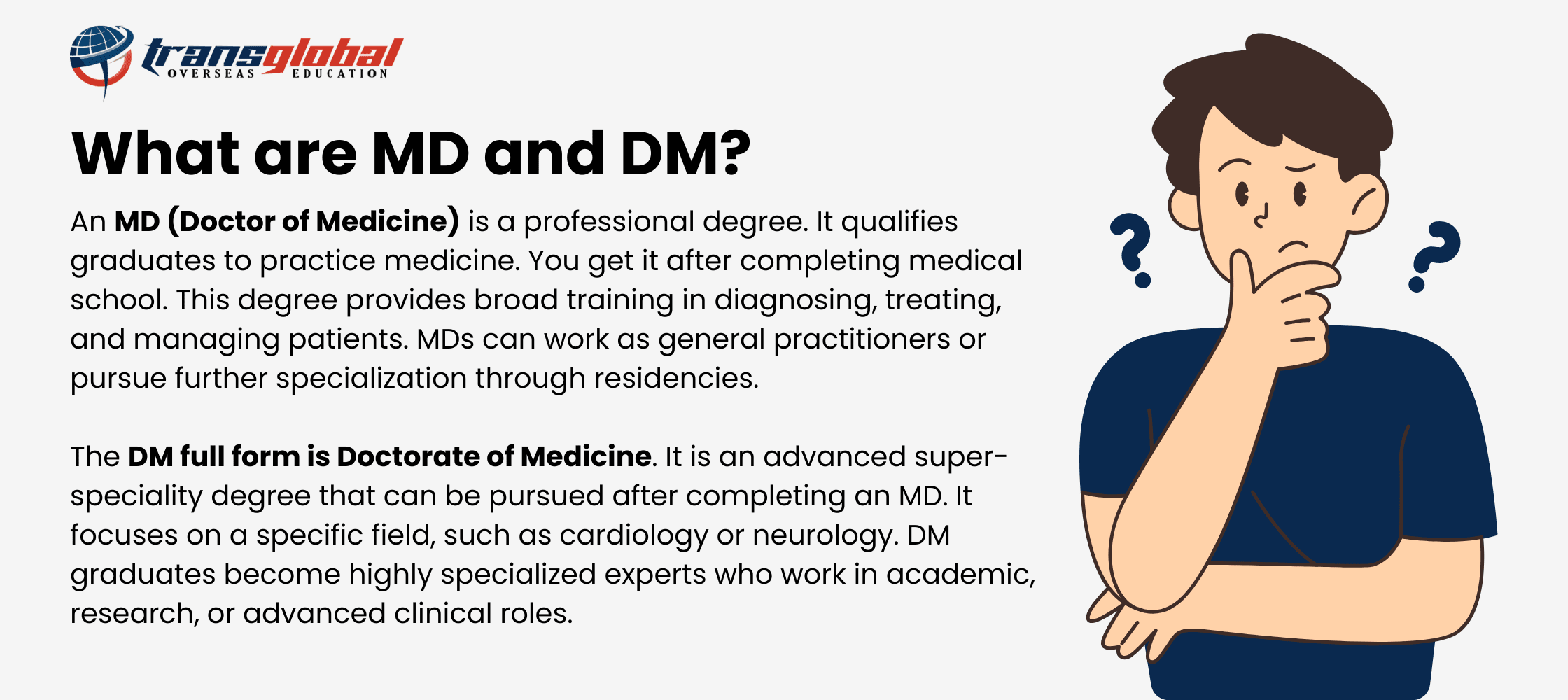
The Pervasive “DM”: More Than Just Diabetes
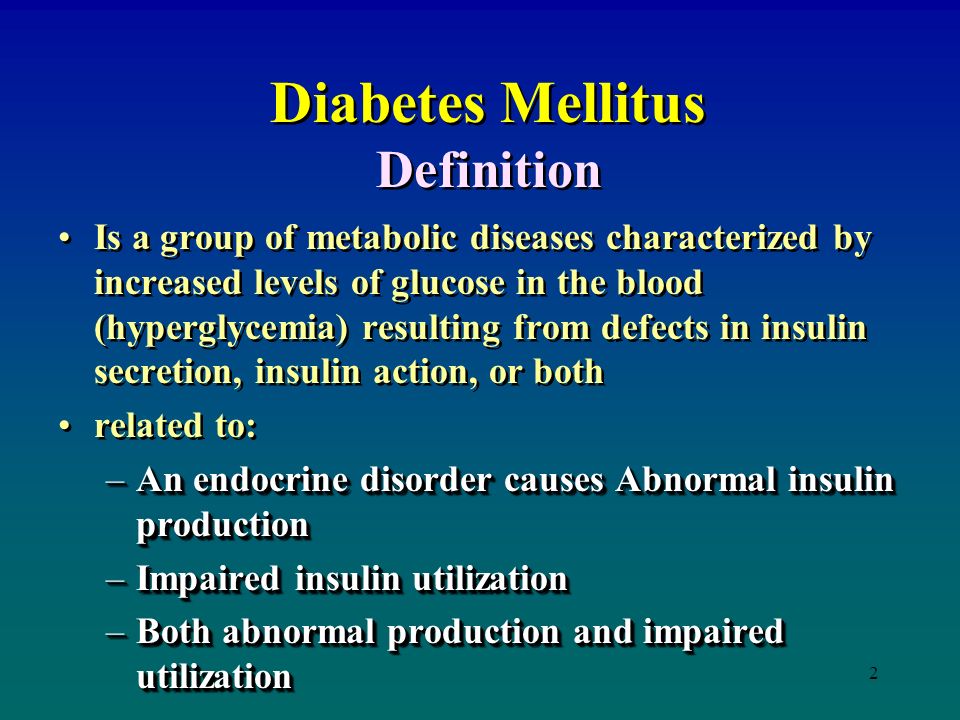
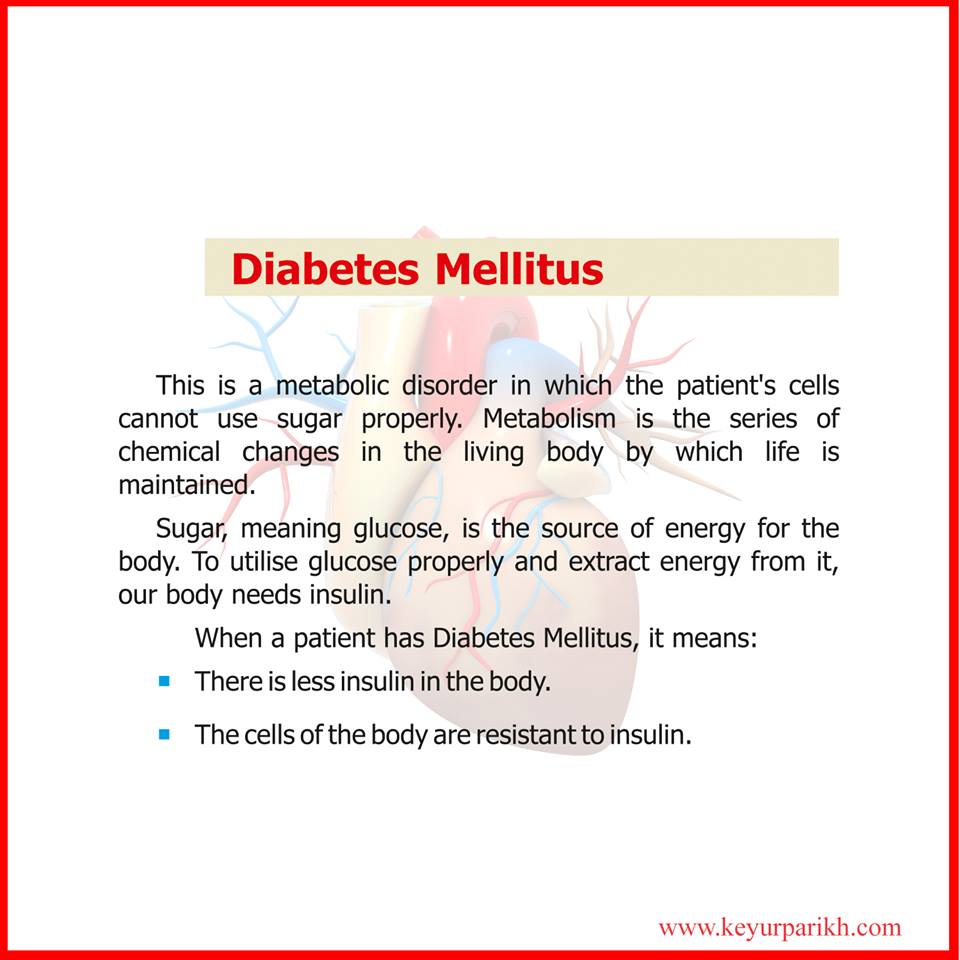
When “DM” is uttered in a medical setting, the most probable and widely recognized meaning is Diabetes Mellitus. This chronic metabolic disorder is characterized by elevated blood glucose levels, resulting from either the pancreas not producing enough insulin or the body’s cells not responding properly to insulin. The implications of Diabetes Mellitus are far-reaching, affecting multiple organ systems and requiring lifelong management.
However, limiting “DM” solely to Diabetes Mellitus would be an oversimplification. Depending on the specialty, the context of the conversation, and the specific documentation, “DM” can signify other medical conditions or concepts. Understanding these nuances is crucial for accurate diagnosis, treatment, and patient care.
Exploring the Spectrum of “DM” Meanings
While Diabetes Mellitus reigns supreme in frequency, other medical terms abbreviated as “DM” exist. These include:
- Dermatomyositis: This is a rare inflammatory disease that causes muscle weakness and skin rash. It belongs to a group of diseases called autoimmune diseases, in which the body’s immune system attacks healthy tissue.
- Diastolic Murmur: In cardiology, a diastolic murmur is an abnormal heart sound heard during diastole, the period when the heart muscle is relaxed and the chambers are filling with blood. These murmurs can indicate various valvular heart diseases.
- Distant Metastasis: In oncology, “DM” can refer to distant metastasis, meaning cancer that has spread from its original site to other parts of the body. This is a critical factor in staging and determining treatment options for cancer patients.
- Differential Diagnosis: While less commonly abbreviated as “DM” in everyday conversation, in formal medical charting and discussions, it can sometimes be used to represent “differential diagnosis,” the process of identifying a disease or condition by comparing and contrasting symptoms with other possibilities.
The prevalence of “DM” as an abbreviation for Diabetes Mellitus is so significant that it often overshadows these other meanings. This highlights a broader challenge in medical communication: the reliance on shorthand that, while efficient, can lead to ambiguity if not properly contextualized.
The Technological Lens on “DM” and its Implications
The digital revolution has profoundly impacted healthcare, and the understanding and management of conditions abbreviated as “DM” are no exception. From advanced diagnostic tools to sophisticated patient management systems, technology plays a pivotal role.
AI and Machine Learning in Diagnosing and Managing “DM” Conditions
Artificial intelligence (AI) and machine learning (ML) are transforming the way medical professionals approach conditions like Diabetes Mellitus and even rarer conditions like Dermatomyositis.
- Diabetes Mellitus: AI algorithms are being developed and deployed to analyze vast datasets of patient information, including glucose readings, lifestyle factors, and genetic predispositions, to predict individuals at higher risk of developing Type 2 Diabetes. Furthermore, AI-powered continuous glucose monitors (CGMs) and insulin pumps are enabling more personalized and effective diabetes management, optimizing insulin delivery based on real-time data. In terms of Tech trends, this represents a significant leap in predictive analytics and personalized medicine.
- Dermatomyositis: While research is ongoing, AI is also being explored for its potential in diagnosing complex conditions like Dermatomyositis. Image recognition AI can assist dermatologists in identifying characteristic skin rashes, and ML models can analyze patterns in symptoms and lab results to aid in earlier and more accurate diagnoses. This falls under the umbrella of AI Tools and their application in specialized medical fields.
- Distant Metastasis: AI is proving invaluable in radiology and pathology for detecting and characterizing metastatic lesions. Machine learning models can analyze medical images (X-rays, CT scans, MRIs) with remarkable accuracy, often identifying subtle signs of metastasis that might be missed by the human eye. This enhances the efficiency and reliability of Digital Security in medical imaging archives and the accuracy of diagnostic workflows.
The development of these Software solutions and Apps for remote patient monitoring and virtual consultations further exemplifies how technology is bridging geographical barriers and improving access to care for individuals managing chronic “DM” related conditions. The continuous stream of Reviews and Tutorials for these innovative medical technologies underscores their growing importance.
Digital Health Platforms and Patient Engagement
Beyond diagnostics and treatment, technology is also empowering patients. Digital health platforms and patient portals offer individuals diagnosed with various “DM” conditions a centralized hub for managing their health.
- Information Access: Patients can access educational materials, track their progress, schedule appointments, and communicate with their healthcare providers through secure online portals. This democratizes information, moving away from solely relying on a doctor’s explanation of “what is DM medical term.”
- Remote Monitoring: Wearable devices and mobile applications allow for continuous monitoring of vital signs and disease-specific markers, providing valuable data for both patients and clinicians. This aligns with the Productivity gains that technology can offer in managing complex health regimens.
- Support Networks: Online communities and forums connect patients with similar conditions, fostering a sense of belonging and shared experience. This highlights the social aspect of health management, often facilitated by digital platforms.
The Brand Identity of “DM” in Healthcare
The term “DM” itself, particularly when referring to Diabetes Mellitus, has cultivated a powerful brand identity within healthcare. This brand encompasses not only the disease but also the associated treatments, support systems, and advocacy efforts.
Crafting the Narrative: Personal and Corporate Branding in Health
The way “DM” is discussed, the stories that are told, and the institutions that champion its understanding all contribute to its brand.
- Personal Branding for Patients and Advocates: Individuals living with Diabetes Mellitus, or advocates for research and awareness, often build personal brands around their journey. This can involve sharing their experiences on social media, writing blogs, or participating in public speaking events. Their “brand” becomes synonymous with resilience, education, and a commitment to managing their health. This directly relates to Personal Branding.
- Corporate Identity of Healthcare Organizations: Hospitals, research institutions, and pharmaceutical companies dedicated to combating “DM” related conditions actively cultivate their corporate identity. This involves clear messaging about their expertise, their commitment to innovation, and their patient-centered approach. Their brand is built on trust, scientific rigor, and positive patient outcomes. This is a core aspect of Corporate Identity and Reputation management.
- Marketing of Diabetes-Related Products and Services: The marketing of insulin, glucose meters, educational programs, and lifestyle interventions all rely on a strong brand strategy. These marketing efforts often leverage emotional connections, emphasizing hope, control, and improved quality of life for individuals managing “DM.” This falls squarely within the domain of Marketing and Design, where visual elements and messaging are crucial. Case Studies of successful marketing campaigns in the diabetes space are abundant.
The consistent and clear communication of what “DM” signifies, particularly Diabetes Mellitus, has solidified its place in public consciousness. This effective branding ensures that awareness campaigns reach their target audiences and that resources are directed towards research and support.
Financial Considerations Surrounding “DM” Medical Terms
The management of conditions abbreviated as “DM,” especially Diabetes Mellitus, carries significant financial implications for individuals, healthcare systems, and the economy.
The Economic Impact: Personal Finance, Investing, and Business Finance
Understanding the financial landscape of “DM” is crucial for effective long-term management and policy-making.
- Personal Finance for Individuals: For individuals diagnosed with Diabetes Mellitus, the ongoing costs of medication (insulin, oral hypoglycemics), blood glucose monitoring supplies, doctor’s visits, and potential complications can be substantial. Managing these costs effectively requires robust Personal Finance strategies, including understanding health insurance coverage, exploring patient assistance programs, and budgeting for healthcare expenses.
- Investing in Diabetes Research and Technology: The pharmaceutical and medical device industries involved in developing treatments and technologies for Diabetes Mellitus represent a significant area of Investing. Venture capital firms and individual investors often see potential returns in companies pioneering innovative solutions for chronic disease management.
- Business Finance and Healthcare Costs: The economic burden of Diabetes Mellitus on healthcare systems is immense. This includes the direct costs of treatment and the indirect costs associated with lost productivity due to illness and disability. Governments and healthcare providers must grapple with Business Finance principles to allocate resources efficiently and develop sustainable models for managing the epidemic of diabetes. Financial Tools such as cost-effectiveness analyses and economic modeling are vital in this regard.
- Online Income and Side Hustles for Support: In some cases, individuals managing chronic conditions like diabetes might explore Online Income opportunities or Side Hustles to supplement their finances, particularly if their condition impacts their ability to work full-time. This could involve developing educational content, offering virtual coaching, or creating products that support healthy living.
The financial aspect of “DM” extends beyond the immediate medical costs. It influences healthcare policy, drives innovation, and impacts the personal financial well-being of millions.
Conclusion: Navigating the Nuances of “DM”
In conclusion, while “DM” is most commonly understood as Diabetes Mellitus, its meaning in the medical realm is more nuanced. Recognizing these variations is essential for clear communication and accurate understanding. The intersection of technology, branding, and finance further illustrates the multifaceted nature of medical terms and their impact on individual lives and society as a whole.
As technology continues to advance, offering new tools for diagnosis, treatment, and patient engagement, our understanding and management of all conditions abbreviated as “DM” will undoubtedly evolve. The strong brand identity associated with Diabetes Mellitus will continue to drive awareness and research, while the critical financial considerations will shape healthcare policy and personal financial planning. By delving deeper into the meanings and implications of medical terms like “DM,” we empower ourselves and our communities to navigate the complexities of health with greater clarity and confidence.
aViewFromTheCave is a participant in the Amazon Services LLC Associates Program, an affiliate advertising program designed to provide a means for sites to earn advertising fees by advertising and linking to Amazon.com. Amazon, the Amazon logo, AmazonSupply, and the AmazonSupply logo are trademarks of Amazon.com, Inc. or its affiliates. As an Amazon Associate we earn affiliate commissions from qualifying purchases.