
Dihydrotestosterone, commonly known as DHT, is a powerful androgen hormone that plays a significant role in human development and bodily functions, particularly in males. While often discussed in the context of hair loss and prostate health, understanding DHT’s broader implications is crucial, especially when considering its influence on everything from cellular growth to societal perceptions of masculinity. This article delves into the science behind DHT, its production, its functions, and its various effects on the human body, drawing parallels and connections to the technological, branding, and financial landscapes that shape our modern world.
The Biological Blueprint: How DHT is Made and What It Does
DHT is not produced directly by the testes; instead, it is a derivative of testosterone, the primary male sex hormone. The conversion process is facilitated by an enzyme called 5-alpha reductase, which is present in various tissues throughout the body, including the skin, liver, and prostate. This enzymatic action transforms testosterone into DHT, a hormone that exhibits a significantly higher binding affinity to androgen receptors, meaning it is about three to five times more potent than testosterone itself. This increased potency allows DHT to exert a more pronounced effect on cells that possess these androgen receptors.
From Embryo to Adulthood: DHT’s Developmental Roles
The influence of DHT begins long before adulthood. During fetal development, DHT is instrumental in the differentiation of the external genitalia in males. It is responsible for the formation of the penis and scrotum from the indifferent fetal structures that would otherwise develop into female genitalia. This critical androgenic role underscores DHT’s foundational importance in establishing male sexual characteristics.
Beyond its role in sexual differentiation, DHT continues to be a vital hormone throughout a person’s life. In puberty, it contributes to the development of secondary sexual characteristics in males, such as the deepening of the voice, the growth of facial and body hair, and the development of muscle mass. It also plays a role in the maturation of the prostate gland.
The Androgen Receptor: DHT’s Mechanism of Action
The efficacy of DHT lies in its potent interaction with androgen receptors (ARs). These receptors are proteins found within cells that, when activated by androgens like testosterone or DHT, regulate the expression of genes. Think of androgen receptors as tiny molecular switches that, when turned on by DHT, trigger specific cellular responses.
Due to its higher binding affinity, DHT can activate these receptors more effectively and for longer durations than testosterone. This means that even if testosterone levels are moderately high, DHT can still drive androgenic effects more powerfully in tissues where 5-alpha reductase is abundant. This differential potency is a key factor in understanding why DHT is implicated in certain conditions more than testosterone itself.
DHT’s Double-Edged Sword: From Health Benefits to Common Concerns
While DHT is essential for male development and health, its potent nature also links it to some of the most common concerns men face, particularly as they age. Understanding these connections can empower individuals to make informed decisions about their health and well-being.
Hair Today, Gone Tomorrow: DHT and Androgenetic Alopecia
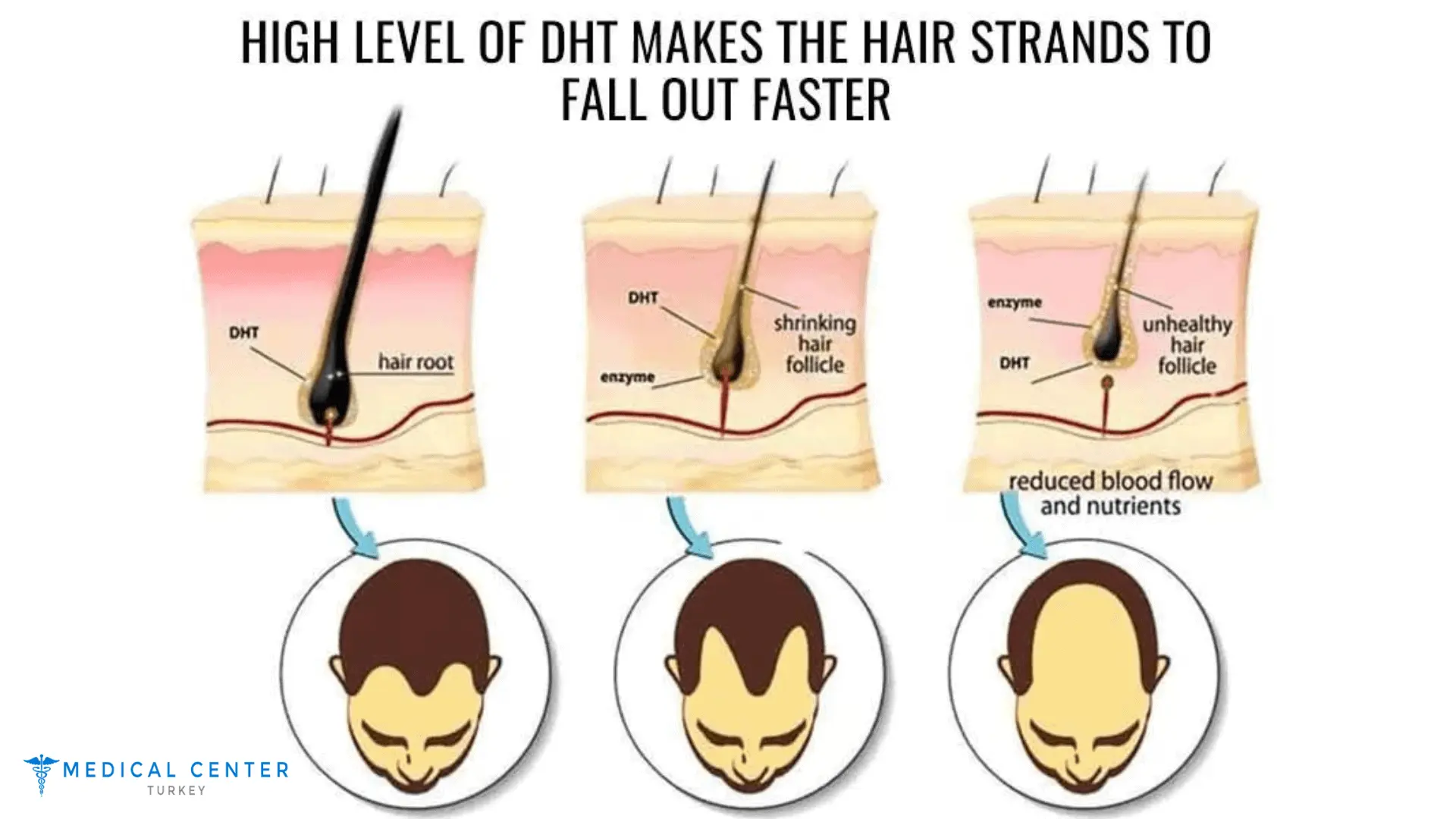
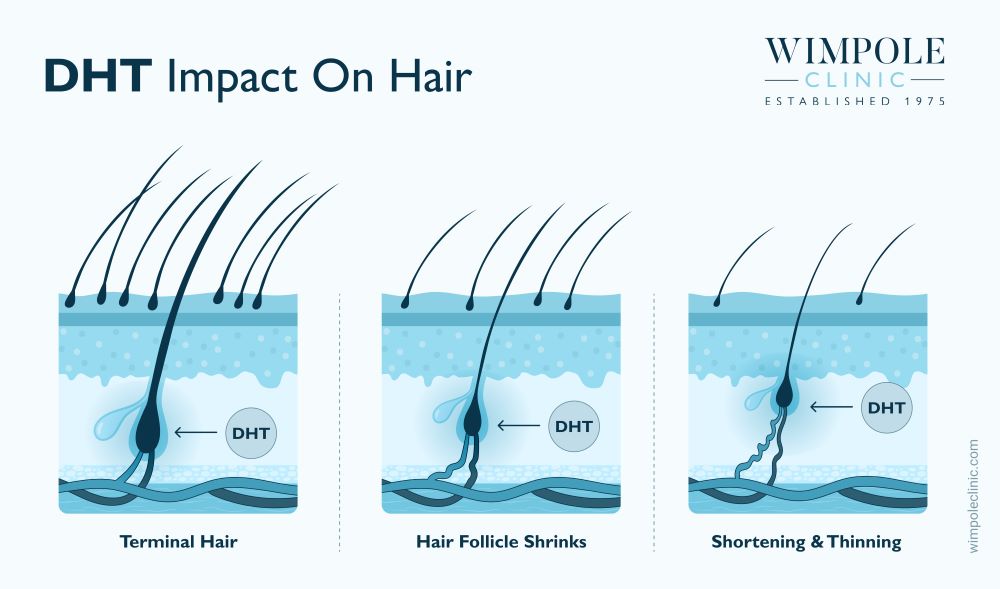
One of the most widely known associations with DHT is its role in androgenetic alopecia, commonly referred to as male-pattern baldness. In genetically predisposed individuals, DHT can bind to androgen receptors in the hair follicles on the scalp. This binding triggers a process of miniaturization, where the hair follicles gradually shrink. Over time, these follicles produce finer, shorter, and less pigmented hairs, eventually leading to thinning and baldness in characteristic patterns.
The mechanism is believed to involve DHT’s interaction with the enzymes within the hair follicle. While the exact pathways are complex and still under intense research, the consensus is that DHT’s androgenic activity disrupts the hair growth cycle, leading to increased shedding and reduced regrowth. This phenomenon highlights how a hormone crucial for development can, under specific genetic circumstances, contribute to a seemingly undesirable outcome.
The Prostate’s Partner: DHT’s Influence on Prostate Health
The prostate gland is another significant target of DHT. Throughout a man’s life, DHT plays a role in prostate growth and maintenance. However, in older age, the continued presence of DHT can contribute to benign prostatic hyperplasia (BPH), a non-cancerous enlargement of the prostate gland. As the prostate enlarges, it can press on the urethra, leading to urinary symptoms such as difficulty urinating, frequent urination, and a weak urine stream.
Interestingly, DHT is also implicated in prostate cancer. While the relationship is complex and not fully understood, elevated DHT levels or heightened sensitivity to DHT in prostate cells may contribute to the development and progression of prostate cancer in some individuals. Research continues to explore the precise role of DHT in both BPH and prostate cancer, seeking to identify therapeutic targets that can mitigate its negative effects.
The Broader Landscape: Connecting DHT to Technology, Brand, and Money
While DHT is a biological entity, its impact and the discussions surrounding it can be viewed through the lenses of technology, brand, and money – the core pillars of the website’s focus.
Tech’s Role in Understanding and Managing DHT
Technology plays a crucial role in our understanding and management of DHT. From advanced diagnostic tools that measure hormone levels with precision to the development of pharmaceutical interventions that target DHT production or its effects, technology is at the forefront.
- Biotechnology and Diagnostics: The development of sophisticated blood tests and genetic screening technologies allows for more accurate identification of individuals susceptible to DHT-related conditions. Innovations in genetic sequencing can help pinpoint specific genetic markers associated with androgenetic alopecia or prostate cancer risk, enabling earlier intervention and personalized treatment plans.
- Pharmaceutical Innovation: The pharmaceutical industry, a significant beneficiary of technological advancements, has developed drugs like finasteride and dutasteride. These medications are 5-alpha reductase inhibitors, meaning they block the enzyme responsible for converting testosterone to DHT. By reducing DHT levels, these drugs can slow or even reverse hair loss and help manage symptoms of BPH. The research and development behind these drugs are a testament to the power of biochemical engineering and medicinal chemistry.
- AI and Data Analysis: In the future, Artificial Intelligence (AI) could play a significant role in analyzing vast datasets of hormonal information, genetic predispositions, and lifestyle factors. This could lead to more predictive models for DHT-related conditions and the development of personalized treatment algorithms. AI-powered platforms could also assist in drug discovery and the identification of novel therapeutic targets.
- Wearable Technology: While currently in its nascent stages for hormonal monitoring, wearable devices might one day offer non-invasive ways to track hormonal fluctuations, potentially providing early indicators of imbalances or trends related to DHT.
Branding Masculinity and the DHT Narrative
The concept of masculinity is deeply intertwined with androgenic hormones, including DHT. This creates a powerful narrative that brands often leverage, consciously or unconsciously.
- “Manly” Attributes: Historically and culturally, traits like strength, hairiness, and assertiveness have been associated with high testosterone and, by extension, DHT. Brands selling products related to fitness, grooming, and even certain types of vehicles often tap into this association, implying that their products enhance or embody these “masculine” qualities, indirectly referencing the hormonal underpinnings.
- Addressing Concerns as a Brand Opportunity: The widespread concern about hair loss and prostate health presents significant opportunities for brands in the health, wellness, and personal care sectors. Companies that develop effective solutions – whether through topical treatments, oral medications, or advanced therapies – can build strong brand loyalty by addressing these deeply felt needs. The branding strategy here involves not just efficacy but also trust, scientific backing, and empathetic communication.
- Personal Branding: For individuals, understanding the biological realities of hormones like DHT can inform their personal branding. For example, someone concerned about hair loss might choose to embrace a shaved head as a style choice, rebranding a perceived negative into a confident aesthetic. This demonstrates how personal narratives can be shaped and communicated to influence perceptions, much like a corporate brand.
The Financial Implications of DHT-Related Health and Treatments
The impact of DHT extends directly to personal and business finance, from the cost of treatments to the economic burden of related health conditions.
- Cost of Treatments: The pharmaceutical interventions for managing DHT-related issues, such as finasteride and dutasteride, represent a significant recurring expense for individuals. The research, development, and manufacturing of these drugs also incur substantial costs, which are reflected in their market prices. This creates a financial barrier for some, highlighting the economic disparity in accessing effective treatments.
- The Hair Loss Industry: The global market for hair loss treatments is enormous, encompassing everything from shampoos and topical solutions to hair transplantation surgeries. This vast industry demonstrates the significant financial investment individuals are willing to make to address concerns related to DHT. The marketing and sales within this sector are substantial.
- Healthcare Costs of Prostate Issues: BPH and prostate cancer can lead to significant healthcare expenditures. These include doctor’s visits, diagnostic tests, medications, and potentially surgical interventions. The long-term management of these conditions can place a substantial financial burden on individuals and healthcare systems.
- Productivity and Income: For individuals experiencing significant hair loss or the urinary difficulties associated with BPH, these conditions can subtly impact their confidence, social interactions, and even productivity, which can indirectly affect their earning potential or career progression.

Conclusion: A Holistic View of DHT
Dihydrotestosterone is a fascinating and influential hormone. Its role in male development is undeniable, shaping physical characteristics from the embryonic stage through adulthood. However, its potency also positions it at the center of common health concerns like hair loss and prostate issues.
By examining DHT through the lenses of technology, brand, and money, we gain a more comprehensive understanding of its impact. Technology offers solutions and deeper insights, branding narratives exploit or address its associations, and financial considerations are intrinsically linked to its management and consequences. Ultimately, understanding DHT is not just about biology; it’s about navigating the complex interplay between our bodies, the innovations that influence them, the messages we receive and project, and the economic realities that shape our choices. As research continues, our knowledge of DHT will undoubtedly deepen, offering new avenues for health management and a more nuanced appreciation of this powerful androgen.
aViewFromTheCave is a participant in the Amazon Services LLC Associates Program, an affiliate advertising program designed to provide a means for sites to earn advertising fees by advertising and linking to Amazon.com. Amazon, the Amazon logo, AmazonSupply, and the AmazonSupply logo are trademarks of Amazon.com, Inc. or its affiliates. As an Amazon Associate we earn affiliate commissions from qualifying purchases.