
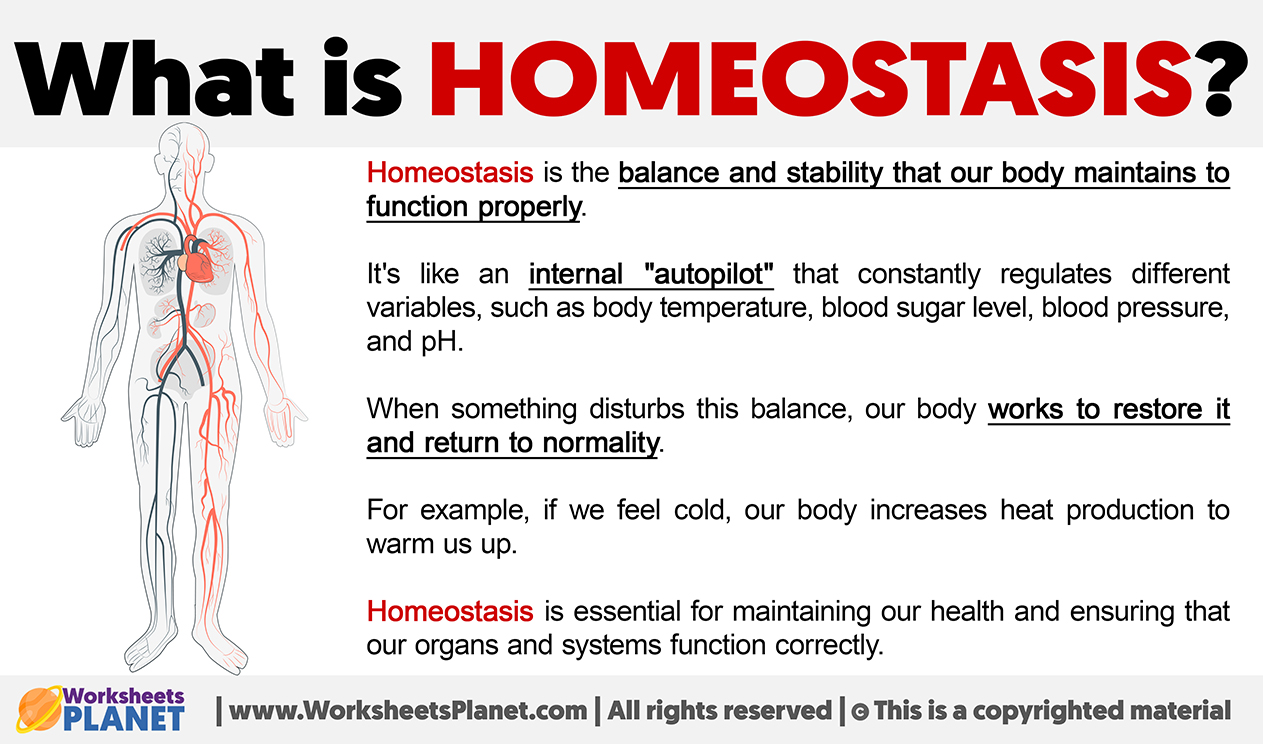
The term “homeostasis” might sound like something confined to the hushed halls of biology labs, a concept solely for understanding the intricate workings of living organisms. However, the principle of maintaining a stable internal environment is remarkably relevant beyond the biological realm, extending its influence into the dynamic worlds of technology, branding, and even personal finance. At its core, homeostasis is the ability of a system to regulate its internal conditions to maintain a stable, consistent state, despite changes in the external environment. This isn’t about being static; it’s about dynamic equilibrium, a constant process of adjustment and correction to ensure optimal functioning.
Think of your body on a simple level. When you step out into a chilly day, your body doesn’t freeze. It initiates mechanisms like shivering to generate heat and constricting blood vessels to conserve warmth. Conversely, on a hot day, you sweat, a process that cools your body through evaporation. These are all homeostatic responses, designed to keep your core body temperature within a narrow, life-sustaining range. Similarly, your body regulates blood sugar levels, blood pressure, and fluid balance. These are complex, interconnected systems working tirelessly behind the scenes to keep you alive and well.
This fundamental biological concept of self-regulation and stability can be powerfully applied to the domains you navigate daily. Whether you’re a tech enthusiast, a business owner building a brand, or an individual managing your finances, understanding and implementing the principles of homeostasis can lead to greater resilience, efficiency, and long-term success. This article will explore the definition of homeostasis and how its principles resonate across technology, brand management, and personal finance.
The Biological Blueprint: Understanding Homeostasis in Living Systems
Before we venture into the broader applications, a clear understanding of homeostasis in its original biological context is crucial. Homeostasis, derived from the Greek words “homoios” (meaning similar) and “stasis” (meaning standing still), was a term coined by American physiologist Walter Bradford Cannon in the early 20th century. He described it as the “cooperative action of the body’s constituents” that tends to “maintain a constant condition.”
Feedback Loops: The Engine of Homeostatic Regulation
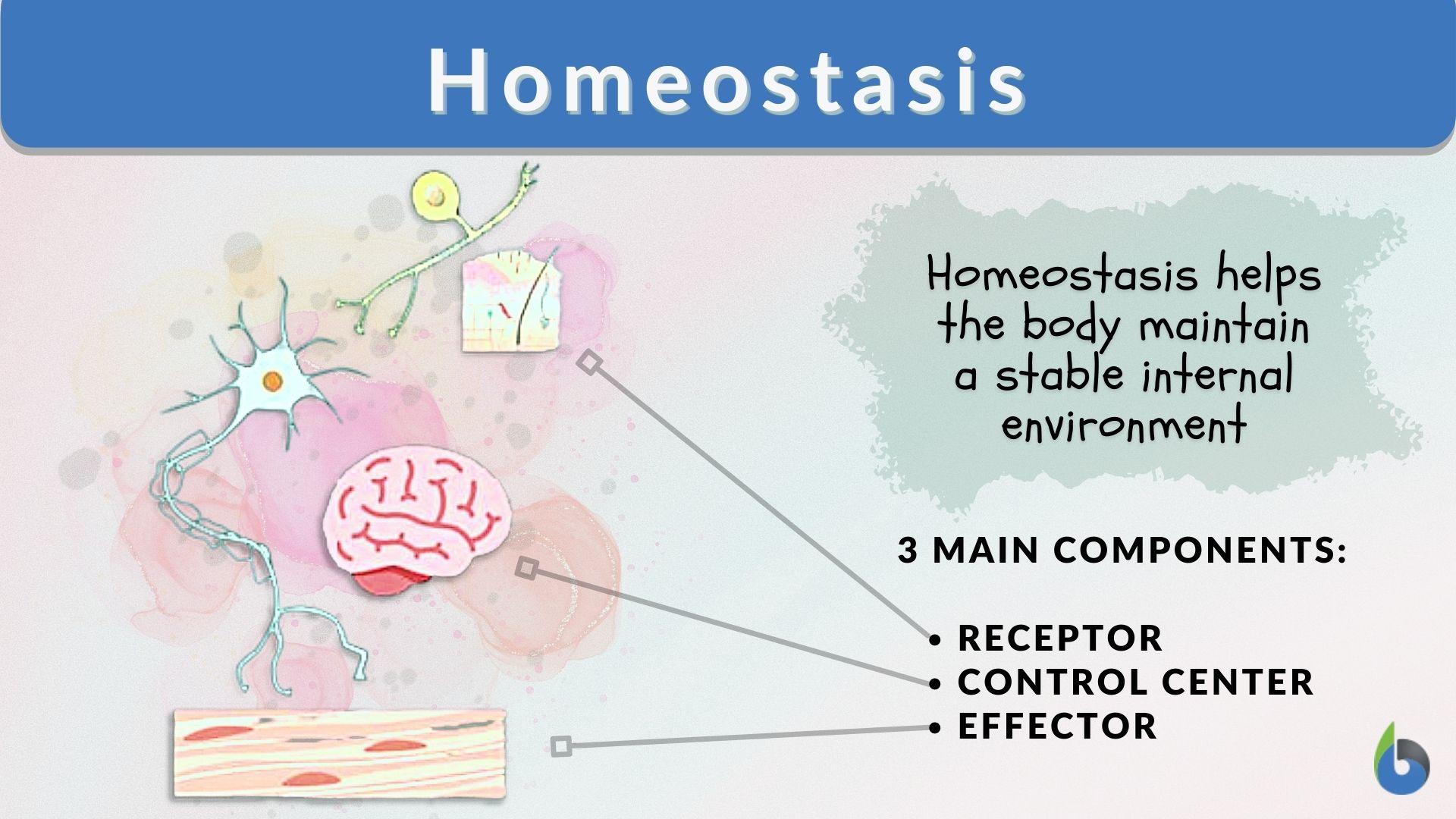
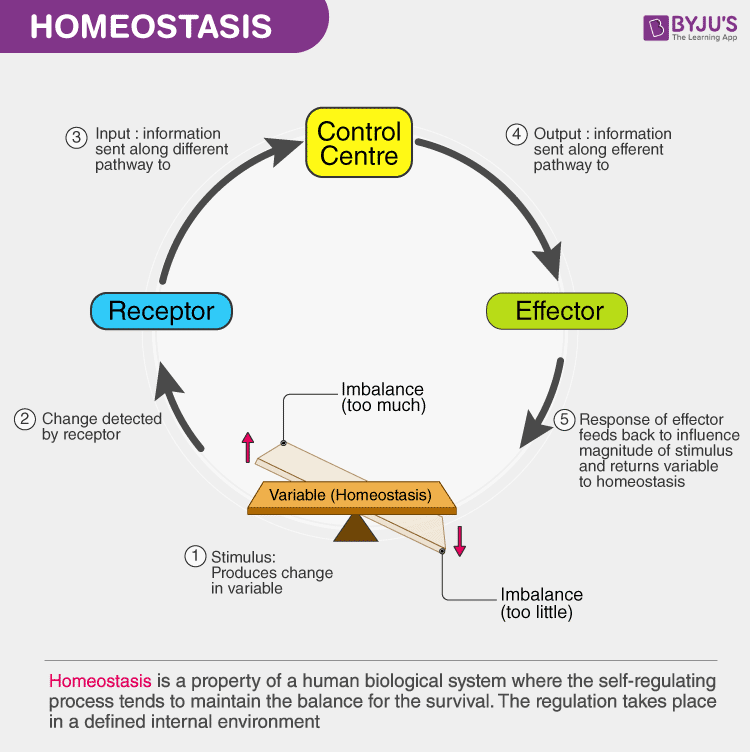
The primary mechanism by which homeostasis is achieved is through feedback loops. These are biological control systems that involve three key components:
- Receptor: This component monitors the internal environment for changes (stimuli). For instance, thermoreceptors in your skin detect temperature fluctuations.
- Control Center: This component receives information from the receptor and compares it to a set point (the ideal or desired condition). The hypothalamus in the brain, for example, acts as a control center for body temperature.
- Effector: This component receives signals from the control center and initiates a response to counteract the change and restore the set point. If your body temperature drops too low, effectors like muscles will shiver to generate heat.
There are two main types of feedback loops:
- Negative Feedback Loops: These are the most common type of homeostatic mechanism. They work to reduce or reverse the initial stimulus. When a change occurs, the system initiates a response that moves the variable back towards the set point. For example, if your blood sugar rises after a meal, your pancreas releases insulin, which lowers blood sugar levels. This is a negative feedback loop because the response (lowering blood sugar) opposes the initial stimulus (high blood sugar).
- Positive Feedback Loops: These are less common in homeostatic regulation because they tend to amplify or reinforce the initial stimulus, pushing the variable further away from the set point. While not typically associated with maintaining stability, they are crucial for processes that need to be completed quickly, such as childbirth (contractions become stronger and more frequent) or blood clotting.
The Importance of Stability for Survival
The constant, subtle adjustments made through homeostatic mechanisms are vital for survival. When these systems fail, the consequences can range from mild discomfort to severe illness or even death. For example, a failure to regulate body temperature can lead to hypothermia or heatstroke. Disruptions in blood sugar regulation lead to diabetes. Maintaining internal stability allows cells, tissues, and organs to function efficiently, ensuring that biochemical reactions occur at optimal rates and that essential nutrients and oxygen are delivered where needed.
Homeostasis in the Digital Realm: Maintaining Equilibrium in Technology
The principles of homeostasis are not confined to flesh and blood; they are increasingly relevant in the complex and rapidly evolving world of technology. Just as our bodies strive for internal balance, the technological systems we rely on must maintain stability and adaptability to function effectively.
Ensuring System Stability and Resilience
In the realm of Tech, software and hardware systems are constantly bombarded by external factors: fluctuating user demand, network interruptions, cybersecurity threats, and evolving user needs. To function reliably, these systems must employ homeostatic principles.
- Dynamic Scaling in Cloud Computing: Cloud platforms like AWS, Azure, and Google Cloud utilize dynamic scaling to manage fluctuating workloads. When demand for an application surges, the system automatically allocates more resources (servers, memory, processing power). Conversely, when demand subsides, resources are scaled back. This is a direct application of homeostasis, ensuring the system remains stable and responsive despite external variations in traffic. The “set point” here is the desired performance level, and the “feedback loop” involves monitoring resource utilization and automatically adjusting capacity.
- Error Handling and Fault Tolerance: Robust software development includes extensive error handling and fault tolerance mechanisms. These are designed to detect deviations from normal operation (errors, bugs, hardware failures) and initiate corrective actions to prevent system collapse. A well-designed system can often reroute traffic, reallocate tasks, or quarantine faulty components to maintain overall functionality – a form of negative feedback that restores stability.
- AI and Machine Learning for Predictive Maintenance: In the context of AI Tools, machine learning algorithms are increasingly used for predictive maintenance in hardware. By analyzing patterns in sensor data, these systems can anticipate potential equipment failures before they occur. This allows for proactive intervention, preventing disruptions and maintaining the operational “health” of the system, mirroring the preventative care our bodies undertake.
- Digital Security as a Homeostatic Defense: Digital security itself can be viewed through a homeostatic lens. Firewalls, intrusion detection systems, and antivirus software constantly monitor the digital environment for external threats (viruses, malware, unauthorized access attempts) – the “stimuli.” They then initiate “effector” responses, such as blocking malicious traffic, quarantining infected files, or alerting administrators, to maintain the system’s integrity and prevent it from being compromised.
Maintaining User Experience: The Balance Between Innovation and Stability
For Apps and Gadgets, achieving homeostasis is about delivering a consistent and positive user experience. This involves a delicate balance between introducing new features and ensuring the core functionality remains stable and intuitive.
- Regular Updates and Bug Fixes: Developers constantly release updates to fix bugs and improve performance. These are homeostatic adjustments designed to address deviations from the ideal user experience caused by software glitches.
- Balancing Features and Simplicity: A well-designed app or gadget avoids overwhelming users with too many options. This is a form of homeostasis, maintaining a stable and predictable user interface that is easy to navigate. Overly complex interfaces can lead to user frustration and abandonment – a system breakdown in the user’s perception.
- Performance Optimization: Productivity apps and tools are particularly reliant on smooth and efficient operation. Developers constantly optimize their code to ensure these tools perform their intended functions quickly and without lag, maintaining a stable and productive environment for the user.
Branding as a Living System: Nurturing Corporate Identity and Reputation
Just as a biological organism strives for internal balance, a successful Brand must also maintain a stable yet adaptable identity in the marketplace. This involves carefully managing its internal components and external perception to ensure long-term viability and growth.
Consistency in Identity and Messaging
Brand Strategy and Corporate Identity are all about establishing a consistent and recognizable presence. This is the brand’s “internal environment” that needs to be regulated.
- Brand Guidelines: These documents act as the “genetic code” for a brand, dictating everything from logo usage and color palettes to tone of voice and messaging. Adhering to brand guidelines ensures consistency across all touchpoints, maintaining a stable and coherent brand identity. Any deviation from these guidelines can create confusion and dilute the brand’s impact, akin to a biological system going out of balance.
- Integrated Marketing Campaigns: Effective marketing campaigns ensure that all communication channels work in harmony, reinforcing the same core message. This synchronized effort maintains a stable perception of the brand in the minds of consumers, preventing contradictory messages that could destabilize brand recall.
- Personal Branding for Professionals: For individuals, Personal Branding involves cultivating a consistent image and narrative. This includes professional attire, communication style, and online presence. Maintaining this consistency helps build trust and credibility, essential for career advancement and establishing a stable professional reputation.
Responding to Market Shifts: Adaptability as a Homeostatic Trait
While consistency is crucial, brands cannot afford to be static. The market is a dynamic external environment, and a brand must adapt to survive and thrive. This is where the adaptive nature of homeostasis comes into play.
- Market Research and Trend Analysis: Companies that actively monitor market trends and consumer behavior are essentially conducting “sensory input” to understand external shifts. This information allows them to make informed decisions and adapt their strategies accordingly, preventing their brand from becoming irrelevant.
- Product Innovation and Evolution: Successful brands are not afraid to evolve their products and services. This might involve updating existing offerings or launching entirely new ones to meet changing customer needs. This process of innovation, when managed strategically, is a form of adaptive homeostasis, allowing the brand to remain relevant and competitive.
- Crisis Management and Reputation Repair: A significant part of maintaining brand homeostasis involves effectively managing crises. When a negative event occurs, a brand’s response – its ability to acknowledge the issue, apologize, and take corrective action – is a homeostatic mechanism aimed at restoring balance and mitigating damage to its Reputation.
Financial Equilibrium: Applying Homeostasis to Personal and Business Finance
The principles of homeostasis offer a powerful framework for understanding and managing Money. Just as our bodies need to regulate nutrient levels and energy expenditure, individuals and businesses must maintain financial equilibrium to achieve stability and long-term prosperity.
Personal Finance: Budgeting, Saving, and Investing as Regulatory Mechanisms
For individuals, managing their finances is a constant exercise in regulation and adjustment.
- Budgeting as a Feedback Loop: A budget acts as a critical control center for personal finances. By tracking income and expenses, individuals can identify deviations from their planned spending – the “stimulus.” The budget then allows for “effector” responses, such as reducing discretionary spending or increasing savings, to bring finances back into alignment with their financial goals. This is a direct application of negative feedback, aiming to keep spending within a sustainable range.
- Emergency Funds as a Buffer: Building an Emergency Fund is a fundamental homeostatic practice in personal finance. This fund acts as a buffer against unexpected financial shocks (job loss, medical emergencies). It prevents a temporary downturn from spiraling into a full-blown financial crisis, allowing the individual to maintain stability.
- Diversification in Investing: In Investing, diversification is a key strategy for managing risk. By spreading investments across different asset classes, investors reduce their exposure to the volatility of any single investment. This is a homeostatic principle that aims to maintain a more stable overall portfolio value, cushioning the impact of market fluctuations.
Business Finance: Maintaining Solvency and Profitability
For businesses, maintaining financial homeostasis is paramount to survival and growth.
- Cash Flow Management: Business Finance heavily relies on managing cash flow. This involves ensuring that incoming cash (from sales, investments) is sufficient to cover outgoing expenses (salaries, rent, inventory). Inefficient cash flow is akin to a biological system struggling to deliver vital nutrients – it can lead to operational paralysis. Effective cash flow management, through strategies like optimizing payment terms and maintaining adequate reserves, is a crucial homeostatic practice.
- Profitability and Cost Control: Businesses must consistently generate profits to remain viable. This requires a continuous process of monitoring revenue streams and controlling costs. Identifying areas where expenses are exceeding projections (a stimulus) and implementing cost-saving measures (an effector response) is a core homeostatic activity that maintains financial health.
- Financial Tools for Monitoring and Adjustment: Financial Tools, such as accounting software, budgeting platforms, and financial forecasting models, are essential for monitoring the financial “internal environment” of a business. They provide the data necessary to identify deviations from financial targets and to implement corrective actions, thus facilitating the maintenance of financial homeostasis.
Conclusion: The Pervasive Power of Homeostasis
The definition of homeostasis extends far beyond the biological. It is a fundamental principle of regulation and stability that underpins the success of systems across technology, branding, and finance. Whether it’s a biological organism maintaining its internal temperature, a tech company scaling its servers, a brand crafting a consistent identity, or an individual managing their budget, the ability to sense deviations and initiate corrective actions is key to survival, resilience, and sustained well-being. By understanding and applying these homeostatic principles, we can build more robust, adaptable, and ultimately, more successful systems in all aspects of our lives. The pursuit of balance, even amidst constant change, is a universal imperative.
aViewFromTheCave is a participant in the Amazon Services LLC Associates Program, an affiliate advertising program designed to provide a means for sites to earn advertising fees by advertising and linking to Amazon.com. Amazon, the Amazon logo, AmazonSupply, and the AmazonSupply logo are trademarks of Amazon.com, Inc. or its affiliates. As an Amazon Associate we earn affiliate commissions from qualifying purchases.