
The term “CTE injury” has become increasingly prevalent in discussions surrounding sports, particularly contact sports, and the long-term health of those who participate. While the initial focus has been on athletes, the implications of this degenerative brain disease are broadening, raising important questions about head trauma, its consequences, and how we understand and address it. This article delves into what CTE injury entails, exploring its origins, symptoms, diagnosis, and the ongoing research and societal implications, drawing parallels to how technology, branding, and financial considerations are increasingly intersecting with this critical health issue.
Understanding the Core of CTE Injury: A Neurological Degeneration
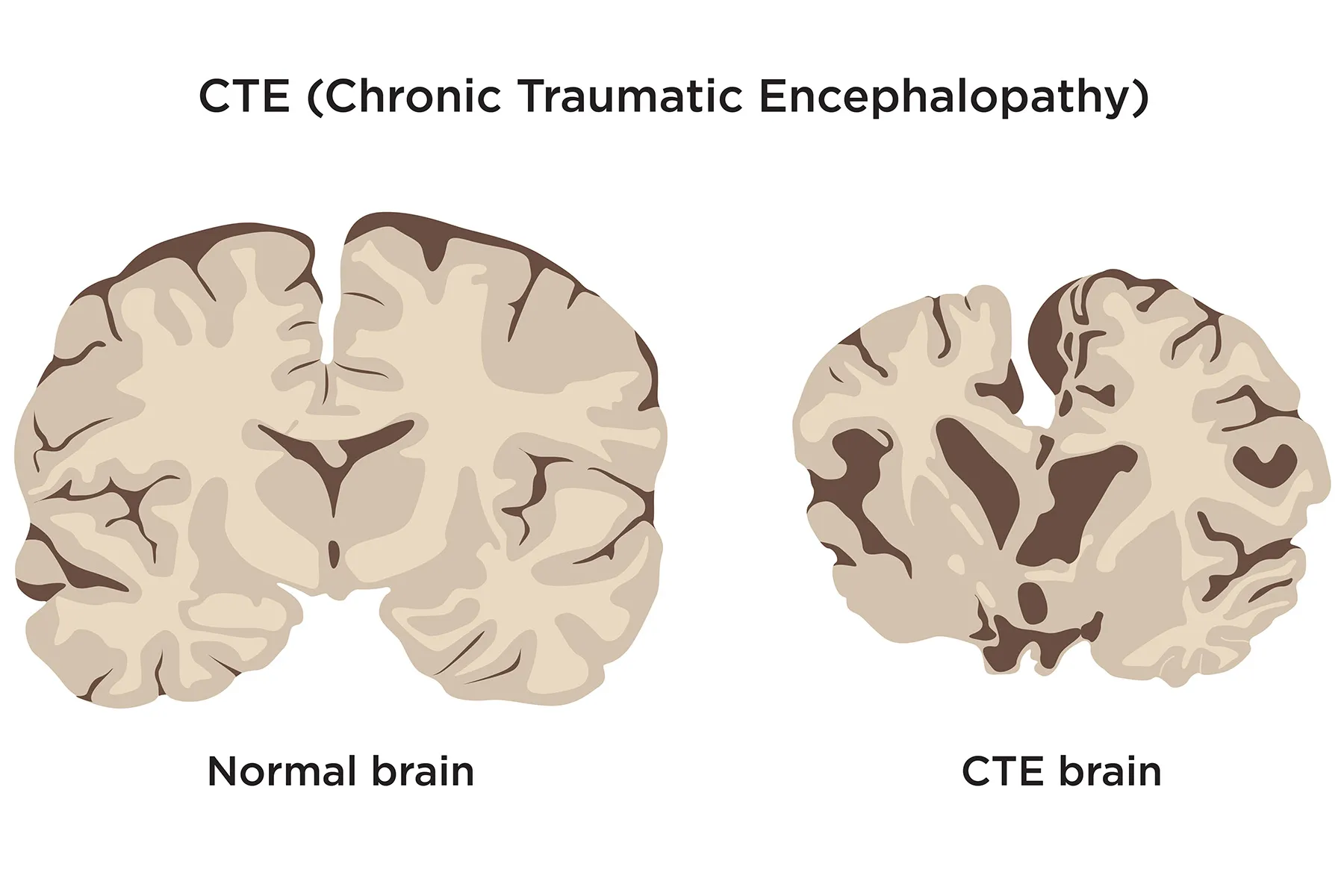
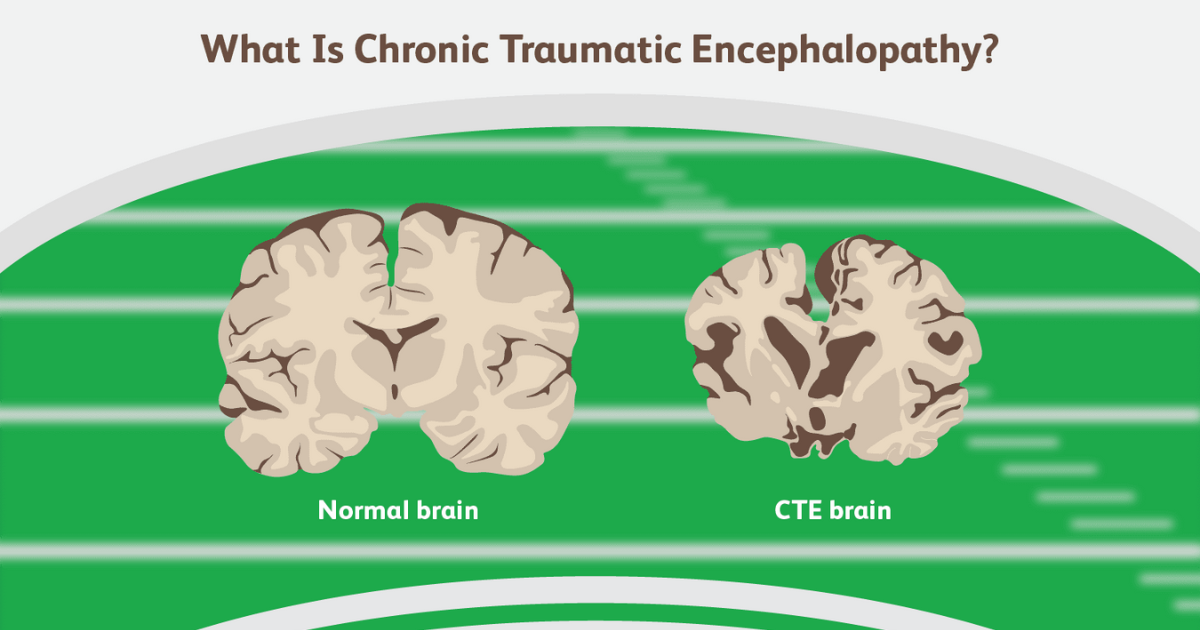
Chronic Traumatic Encephalopathy (CTE) is a progressive and degenerative brain disease associated with repeated head trauma. This trauma can manifest as concussions, subconcussive blows (impacts that don’t cause immediate symptoms but still affect the brain), or even a combination of both. The hallmark of CTE is the abnormal accumulation of a protein called tau. In healthy brains, tau protein helps stabilize the internal structure of nerve cells (neurons). However, in CTE, tau misfolds and clumps together, forming neurofibrillary tangles. These tangles disrupt the normal function of neurons, leading to their death and the development of scar tissue within the brain.
The Protein at the Heart of the Matter: Tau Accumulation
The tau protein is not unique to CTE; it plays a vital role in neuronal health. However, in conditions like CTE, tau becomes abnormally phosphorylated, causing it to detach from its normal function and aggregate. These aggregates then spread through the brain, creating a cascade of damage. This abnormal tau accumulation is distinct from the amyloid plaques characteristic of Alzheimer’s disease, although some research suggests a potential overlap in certain individuals. The specific mechanisms by which repeated head trauma triggers this tau pathology are still a subject of intense scientific investigation. It’s believed that the physical forces involved in head impacts can initiate a process of neuroinflammation and cellular stress, ultimately leading to the misfolding and aggregation of tau.
Differentiating from Other Brain Injuries: Concussions vs. CTE
It’s crucial to differentiate CTE from a single concussion. A concussion is an acute brain injury resulting from a blow to the head or a violent shaking of the head and body. Symptoms of a concussion are typically immediate and temporary, often including headache, dizziness, confusion, and memory problems. Most individuals recover fully from a concussion within a few weeks or months. CTE, on the other hand, is a chronic condition that develops over years, often decades, after the initial head trauma. The symptoms of CTE are progressive and can manifest long after an individual has stopped participating in activities that put them at risk. While a concussion is a single event, CTE is the result of repeated insults to the brain. However, the relationship between concussions and CTE is complex. While a history of diagnosed concussions is often present in individuals with CTE, many also have a history of numerous subconcussive blows, which may not have resulted in immediate symptoms but still contributed to the cumulative brain damage.
The Manifestation of CTE Injury: Symptoms and Stages
The symptoms of CTE can vary widely depending on the individual and the stage of the disease. They often begin subtly and worsen over time, impacting cognitive, emotional, and behavioral functions. The progressive nature of these symptoms can make early diagnosis challenging, as they can be mistaken for other neurological or psychological conditions.
Cognitive Decline: Memory, Executive Function, and Reasoning
One of the most prominent aspects of CTE is cognitive decline. Individuals may experience significant problems with memory, particularly short-term memory, making it difficult to recall recent events or conversations. Executive functions, which encompass planning, decision-making, problem-solving, and impulse control, are also frequently impaired. This can lead to difficulties in managing daily tasks, organizing thoughts, and maintaining focus. Reasoning abilities can diminish, making it harder to understand complex information or make sound judgments. In later stages, individuals may exhibit severe memory loss, disorientation, and a profound inability to perform complex cognitive tasks.
Emotional and Behavioral Changes: Mood Swings, Aggression, and Depression
Beyond cognitive impairments, CTE significantly affects emotional and behavioral regulation. Mood swings are common, ranging from irritability and anger to periods of profound sadness and depression. Aggression, impulsivity, and a marked increase in temper outbursts can also be characteristic symptoms. Some individuals may develop a tendency towards reckless behavior, substance abuse, or even suicidal ideation. These emotional and behavioral shifts can be particularly distressing for both the individual and their loved ones, often leading to strained relationships and social isolation. The frustration and distress associated with these changes can further exacerbate mental health challenges.
Progressive Stages of CTE: A Timeline of Deterioration

While there is no definitive staging system for CTE that perfectly correlates with symptom progression, neuropathologists often describe stages based on the distribution and severity of tau pathology in the brain. These stages are not directly linked to the timing of symptom onset, which can vary significantly. Generally, the earliest signs of CTE pathology are found in the depths of the cerebral sulci (grooves on the surface of the brain). As the disease progresses, the tau pathology spreads to other areas, including the cerebral cortex, hippocampus (crucial for memory), amygdala (involved in emotion), and brainstem. The progression is characterized by increasing neuronal loss and the widespread disruption of neural circuits, leading to the worsening of cognitive, emotional, and behavioral symptoms.
Diagnosis and Research: The Challenges and Advancements in Understanding CTE Injury
Diagnosing CTE in living individuals is a significant challenge. Currently, a definitive diagnosis can only be made post-mortem through microscopic examination of brain tissue. However, advancements in neuroimaging and biomarker research offer promising avenues for earlier and more accurate detection. The ongoing research into CTE is multidisciplinary, involving neurologists, neurosurgeons, neuropathologists, geneticists, and sports scientists.
The Post-Mortem Gold Standard: Neuropathological Examination
The definitive diagnosis of CTE relies on identifying specific patterns of tau deposition in the brain during a post-mortem examination. Neuropathologists look for tau-positive neurofibrillary tangles, glial tau and neuropil threads, and other tau-related changes that are distributed in a characteristic pattern throughout the brain, particularly around blood vessels and in the depths of the sulci. This examination allows for the identification and staging of the disease based on the extent and location of the tau pathology. The reliance on post-mortem diagnosis means that many individuals who may have suffered from CTE might not have had their condition formally identified during their lifetime, leading to underestimation of its prevalence.
Towards In-Vivo Diagnosis: Neuroimaging and Biomarkers
The development of reliable in-vivo (in a living person) diagnostic tools for CTE is a major focus of current research. Neuroimaging techniques like Magnetic Resonance Imaging (MRI) and Positron Emission Tomography (PET) scans are being refined to detect subtle changes in brain structure and function that might be indicative of CTE. Researchers are exploring advanced MRI sequences that can detect changes in white matter integrity and blood flow, as well as PET tracers that can bind to the abnormal tau protein in the brain. Additionally, the search for reliable biomarkers in cerebrospinal fluid (CSF) and blood is ongoing. These biomarkers could potentially reflect the underlying pathological processes of CTE, offering a less invasive way to identify individuals at risk or those in the early stages of the disease.
Societal and Ethical Considerations: Broader Impacts of CTE Injury
The growing awareness of CTE has profound societal and ethical implications, extending beyond the realm of professional sports. It raises questions about player safety, the responsibilities of sports organizations, the definition of consent in high-risk activities, and the allocation of resources for research and support.
Sports Safety and Prevention: A Paradigm Shift
The findings related to CTE have catalyzed a significant re-evaluation of safety protocols in contact sports. This includes stricter guidelines for concussion management, the development of improved protective equipment, and changes in playing rules aimed at reducing the frequency and impact of head blows. There is a growing emphasis on player education about the risks of head trauma and the importance of reporting symptoms. This paradigm shift is not limited to professional leagues; it extends to youth sports, where early education and preventative measures are considered crucial for long-term brain health. The challenge lies in balancing the inherent risks of certain sports with the desire to participate and excel.
The Intersection of Tech, Brand, and Money in Addressing CTE
While not directly causing CTE, advancements in Technology are playing a crucial role in understanding and potentially mitigating its impact. Wearable sensors are being developed to measure the forces of impacts during sports, providing objective data on exposure to head trauma. AI tools are being explored to analyze this data and identify patterns that might predict an individual’s risk. In the realm of Brand, sports organizations and equipment manufacturers are facing pressure to enhance their brands by prioritizing player safety and investing in research. This necessitates a transparent approach to the risks associated with their products and activities. Financially, the understanding of CTE has implications for Money in several ways. Insurance policies for athletes may need to be re-evaluated. Furthermore, the legal ramifications and potential for litigation related to CTE are significant, impacting team finances and the liability of governing bodies. The substantial investment required for ongoing research and the development of effective treatments also represents a considerable financial undertaking. The economic burden of caring for individuals with advanced CTE is also a growing concern for healthcare systems.
Ethical Dilemmas and Future Directions
The prevalence of CTE raises complex ethical dilemmas. How much risk are individuals willing to accept for the love of the game or the pursuit of athletic success? What is the ethical obligation of sports organizations to protect their athletes from known risks? The concept of informed consent becomes paramount, requiring athletes to have a thorough understanding of the potential long-term consequences of repeated head trauma. Future directions in addressing CTE include continued research into its underlying mechanisms, the development of effective preventative strategies and treatments, and the establishment of comprehensive support systems for individuals and families affected by the disease. The conversation around CTE injury is evolving, urging us to be more proactive and informed about brain health, particularly in the context of activities that involve head trauma.
aViewFromTheCave is a participant in the Amazon Services LLC Associates Program, an affiliate advertising program designed to provide a means for sites to earn advertising fees by advertising and linking to Amazon.com. Amazon, the Amazon logo, AmazonSupply, and the AmazonSupply logo are trademarks of Amazon.com, Inc. or its affiliates. As an Amazon Associate we earn affiliate commissions from qualifying purchases.