
The term “cosmetic surgery” often conjures images of dramatic transformations and celebrity makeovers. While it certainly encompasses these aspects, a deeper understanding reveals a multifaceted field that intersects with technology, personal branding, and even financial considerations. Far from being solely about vanity, cosmetic surgery has evolved into a sophisticated practice that allows individuals to align their physical appearance with their inner selves, enhance their confidence, and address insecurities that can impact their overall well-being.
At its core, cosmetic surgery is a subspecialty of plastic surgery that focuses on improving a person’s appearance. Unlike reconstructive surgery, which aims to restore function or correct congenital defects and abnormalities resulting from accidents or disease, cosmetic surgery is elective. Its primary goal is aesthetic enhancement, to reshape or alter specific features of the body to achieve a more desirable look, as defined by the individual seeking the procedure. This can range from subtle refinements to more significant alterations, driven by a desire for greater self-satisfaction and a boost in confidence.
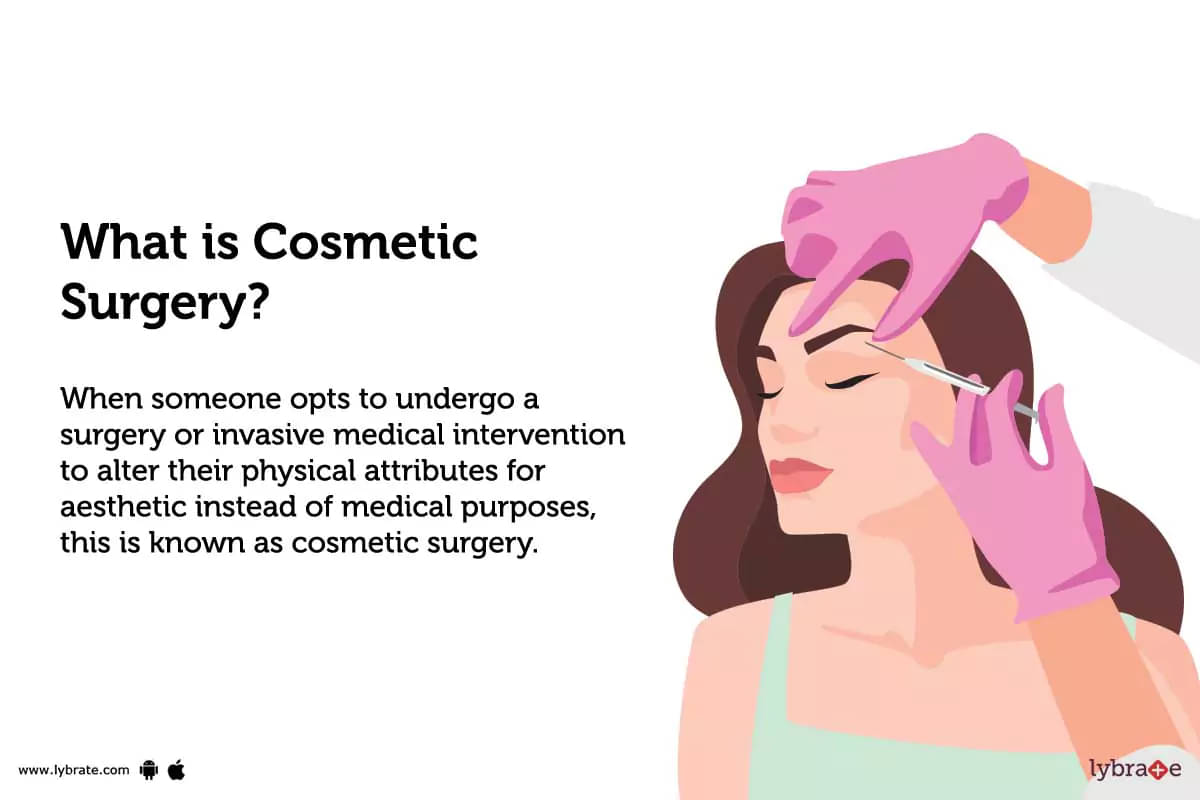
The decision to undergo cosmetic surgery is a deeply personal one, often rooted in a complex interplay of psychological, social, and even economic factors. In an era where digital representation and curated online personas are increasingly prevalent, the desire to present an idealized version of oneself can be amplified. This is where the domains of technology and branding subtly weave into the conversation surrounding cosmetic surgery.
The Evolving Landscape of Cosmetic Surgery: Technology and Personal Branding
The field of cosmetic surgery has been revolutionized by advancements in technology, mirroring the rapid progress seen in sectors like tech and digital innovation. From sophisticated imaging techniques to minimally invasive procedures and cutting-edge materials, technology plays an indispensable role in both the execution and the perception of cosmetic enhancements.
Precision and Personalization: The Role of Digital Tools
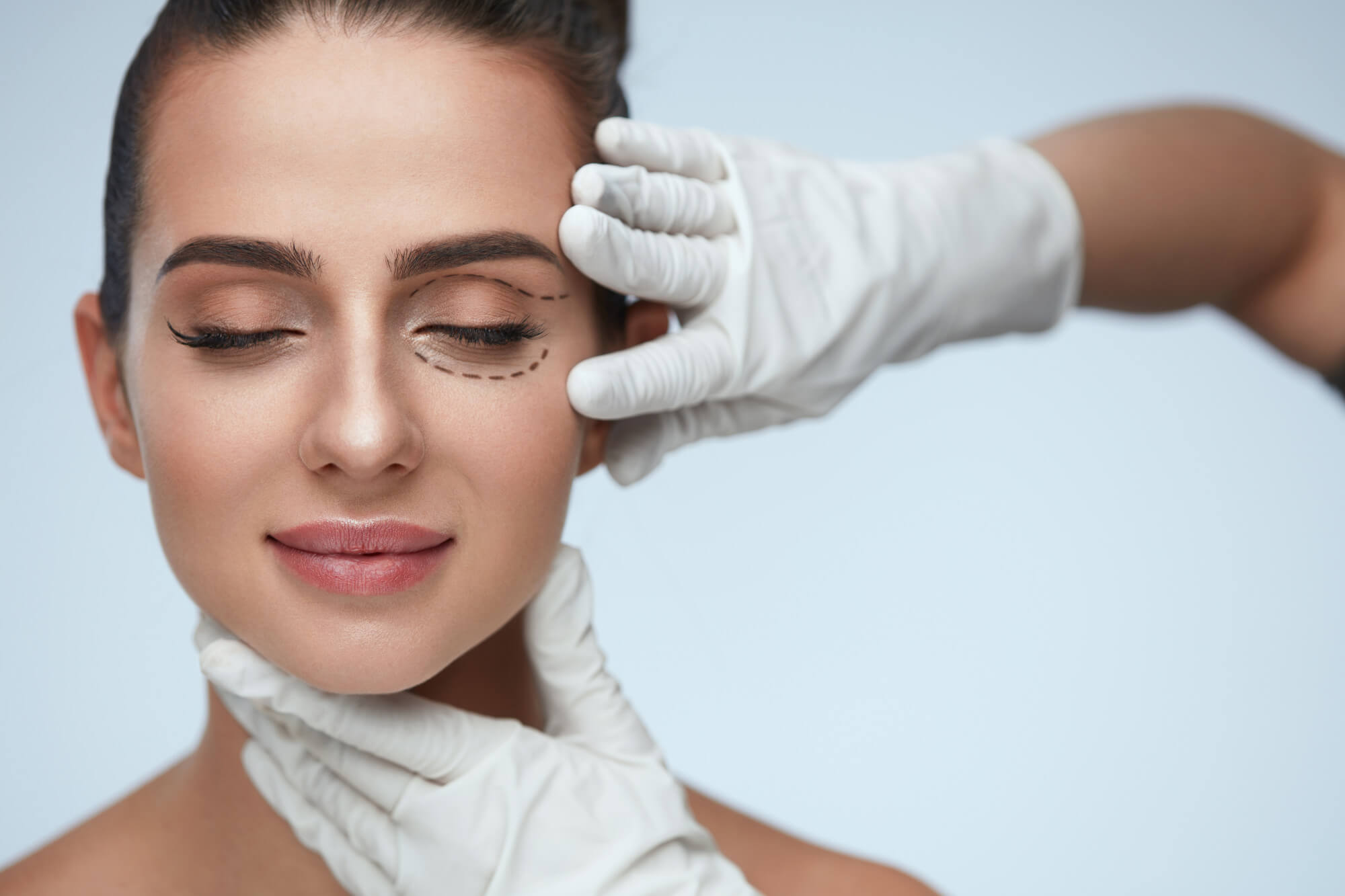
The days of purely speculative surgical outcomes are largely behind us. Today, advanced digital tools are integral to the cosmetic surgery process. 3D imaging and virtual reality (VR) simulations allow patients and surgeons to visualize the potential results of a procedure before it even begins. This technological leap enables a level of personalization and predictability that was once unimaginable. Patients can see how a proposed rhinoplasty might alter their profile, or how a breast augmentation would affect their overall silhouette. This collaborative visualization empowers patients, ensuring their expectations are realistic and their desires are understood.
Furthermore, AI-powered diagnostic tools are beginning to emerge, assisting surgeons in analyzing facial structures, identifying potential complications, and even suggesting optimal surgical approaches. This integration of AI into surgical planning signifies a shift towards data-driven decision-making, enhancing both safety and efficacy. The precision offered by these technologies directly contributes to the concept of personal branding, as individuals seek to refine their physical presentation to align with their desired self-image. Just as a company invests in its brand identity through logos and marketing, individuals are increasingly seeing their appearance as a form of personal branding, and cosmetic surgery offers a tangible way to sculpt that brand.
Minimally Invasive Techniques and Rapid Recovery
The technological advancements in cosmetic surgery are not limited to planning; they also extend to the surgical techniques themselves. Minimally invasive procedures have become increasingly popular, utilizing smaller incisions, specialized instruments, and sophisticated energy devices. This translates to reduced trauma, less scarring, faster recovery times, and often, less discomfort for the patient. Procedures like endoscopic facelifts, laser liposuction, and radiofrequency skin tightening exemplify this trend. The appeal of these techniques lies not only in their aesthetic outcomes but also in their ability to minimize the disruption to a patient’s life, allowing them to return to their professional and social activities more quickly. This efficiency is crucial for individuals who view their appearance as an extension of their professional brand, where maintaining a polished image is paramount.
The Digital Footprint of Enhancement
The rise of social media and the constant sharing of visual content have further amplified the influence of appearance on personal branding. Before and after photos, often showcasing dramatic transformations, are widely disseminated online. This creates a visual dialogue about beauty standards and the possibilities of aesthetic enhancement. For individuals aiming to project a certain image, whether for career advancement, social influence, or personal satisfaction, cosmetic surgery can be seen as a tool to curate their digital presence. This is where the principles of digital security and reputation management, often discussed in tech contexts, also find a curious parallel. While not directly related to the surgery itself, the careful consideration of one’s public image and the desire to control how one is perceived online can indirectly influence the pursuit of cosmetic procedures.
Financial Considerations in Cosmetic Surgery: Investing in Self-Perception
The decision to undergo cosmetic surgery, being elective, inevitably brings financial considerations to the forefront. Unlike medical procedures deemed necessary for health, cosmetic surgeries are typically not covered by insurance, making them a direct personal investment. This aligns with the broader themes of personal finance and investing, where individuals weigh costs against potential returns, albeit in this case, the “return” is often measured in terms of improved self-esteem and perceived quality of life.

The Cost of Transformation: Budgeting for Beauty
The cost of cosmetic surgery can vary significantly depending on the procedure, the surgeon’s expertise, the geographic location, and the complexity of the case. From breast augmentation and liposuction to rhinoplasty and eyelid surgery, each procedure carries a distinct price tag. Patients must carefully budget for these procedures, often involving extensive research into pricing, financing options, and the long-term value they expect to gain. This process mirrors the meticulous financial planning required for other significant investments, such as buying a home or starting a business.
Financing and Investment in Well-being
For many, the significant cost of cosmetic surgery necessitates exploring financing options. Many clinics offer payment plans or partner with third-party lenders specializing in medical financing. This allows individuals to spread the cost over time, making these procedures more accessible. From a financial perspective, some individuals view cosmetic surgery as an investment in their personal capital. They may believe that by improving their appearance, they can enhance their confidence, which in turn can lead to better career opportunities, improved social interactions, and a greater sense of overall well-being. This perspective frames the procedure not as a frivolous expense, but as a strategic enhancement that can yield dividends in various aspects of their lives.
The Business of Aesthetics: ROI and Patient Satisfaction
The cosmetic surgery industry itself is a significant economic sector. Clinics and surgeons operate as businesses, offering services and aiming for patient satisfaction. This involves not only the surgical expertise but also effective marketing and branding strategies to attract clients. Case studies showcasing successful transformations, testimonials, and a strong online presence are crucial for building a reputation and drawing in new patients. Ultimately, the success of a cosmetic surgery practice, like any business, hinges on delivering value and achieving positive outcomes for its clientele, demonstrating a clear return on investment in terms of patient happiness and self-confidence.
Beyond the Surface: The Psychological and Societal Impact
While technology and finance provide the practical frameworks for cosmetic surgery, its true impact often lies in the psychological and societal realms. The desire for aesthetic enhancement is rarely purely superficial; it often stems from a deeper yearning for self-acceptance and a more comfortable engagement with the world.
Self-Esteem and Confidence: The Personal ROI
One of the most frequently cited benefits of cosmetic surgery is the boost in self-esteem and confidence. For individuals who have long been self-conscious about a particular physical feature, a successful procedure can be life-changing. It can alleviate persistent anxieties, allowing them to engage more fully in social situations, pursue career goals with greater assertiveness, and experience a general improvement in their quality of life. This psychological return on investment is often immeasurable, as it impacts an individual’s overall happiness and well-being.
Societal Perceptions and Shifting Beauty Standards
The pervasive influence of media and popular culture on beauty standards cannot be ignored. While cosmetic surgery offers individuals the power to alter their appearance, it also reflects and, at times, shapes societal perceptions of beauty. The widespread availability of these procedures, coupled with their increasing acceptance, can contribute to a discourse around what is considered desirable. It’s a complex relationship, where societal pressures can drive individuals to seek enhancement, while simultaneously, the visibility of these transformations can, for some, normalize the pursuit of aesthetic perfection.
The Ethical Considerations and Responsible Choices
As with any powerful tool, cosmetic surgery comes with ethical considerations. Responsible surgeons emphasize realistic expectations, thorough pre-operative counseling, and a focus on the patient’s overall health and well-being. The decision to undergo surgery should be driven by personal desire, not by external pressure or unrealistic ideals. Understanding the risks and benefits, seeking qualified professionals, and having a clear understanding of one’s motivations are crucial for making an informed and responsible choice.
In conclusion, “what is cosmetic surgery” is a question that extends far beyond a simple definition. It is a dynamic field that is continuously shaped by technological innovation, where personal branding principles are often implicitly applied, and where financial planning plays a crucial role. Ultimately, for many, it represents a pathway to greater self-acceptance and a renewed sense of confidence, allowing them to present themselves to the world with a greater sense of alignment between their inner selves and their outward appearance.
aViewFromTheCave is a participant in the Amazon Services LLC Associates Program, an affiliate advertising program designed to provide a means for sites to earn advertising fees by advertising and linking to Amazon.com. Amazon, the Amazon logo, AmazonSupply, and the AmazonSupply logo are trademarks of Amazon.com, Inc. or its affiliates. As an Amazon Associate we earn affiliate commissions from qualifying purchases.