
The pursuit of a healthier, fitter life often leads us to the gym, the track, or the great outdoors. We hear terms like “moderate intensity” and “vigorous intensity” thrown around, but what do they truly mean in practical terms? Understanding the distinction is crucial for maximizing your workout’s effectiveness, avoiding overexertion, and ensuring you’re reaching your fitness goals safely. This article will delve into what constitutes intense exercise, drawing parallels and offering insights relevant to the broader themes of technology, branding, and financial well-being that shape our modern lives.
Defining Intense Exercise: Beyond Just Sweating
At its core, intense exercise, often referred to as vigorous or high-intensity exercise, is characterized by a significant elevation in your heart rate and breathing rate. It’s the kind of activity where you’ll find it difficult to hold a conversation, and your muscles will likely feel like they’re working hard. While subjective feelings are a part of it, objective measures provide a more precise understanding.
The Science of Intensity: Heart Rate and METs
-
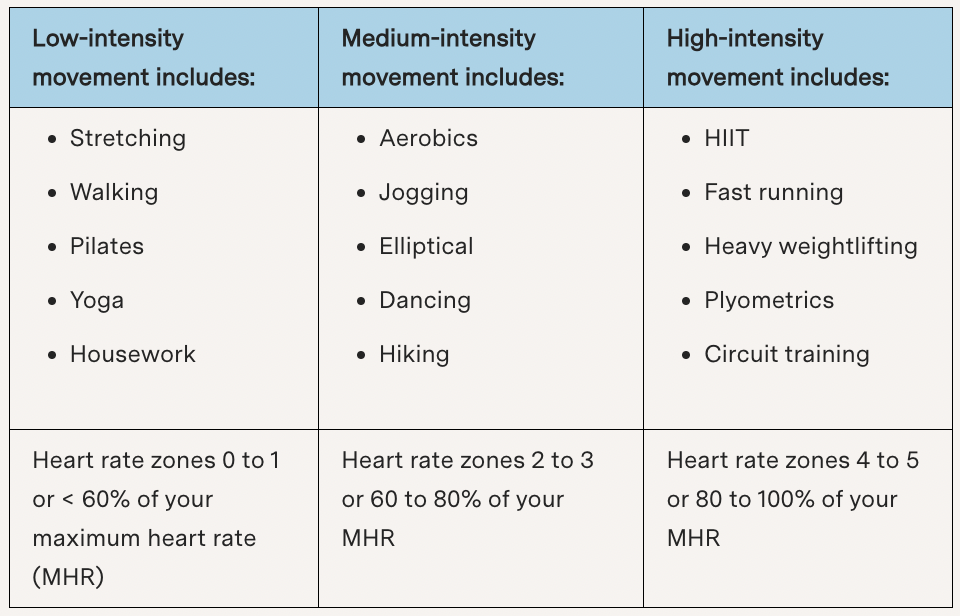
Heart Rate Zones: A fundamental way to gauge exercise intensity is by monitoring your heart rate. Your heart rate is a direct indicator of how hard your cardiovascular system is working.
- Moderate-Intensity Exercise: Typically falls within 50-70% of your maximum heart rate. During moderate exercise, you can talk, but not sing. You’ll feel your breathing increase, but you won’t be gasping for air.
- Vigorous-Intensity Exercise: Generally targets 70-85% of your maximum heart rate. At this level, you can only manage a few words at a time before needing to pause for breath. Your breathing will be deep and rapid.
To calculate your estimated maximum heart rate, a common formula is 220 minus your age. For example, a 30-year-old person would have an estimated maximum heart rate of 190 beats per minute (bpm). Therefore, moderate intensity would be between approximately 95 and 133 bpm, and vigorous intensity would be between roughly 133 and 162 bpm. It’s important to remember that these are estimates, and individual variations exist. Factors like fitness level, medication, and overall health can influence your actual heart rate response.
-
Metabolic Equivalents (METs): Another scientific metric is Metabolic Equivalents (METs). One MET represents the energy expenditure of sitting quietly. Activities are assigned a MET value based on their intensity:
- Moderate-intensity activities generally range from 3 to 6 METs. Examples include brisk walking (3 mph), water aerobics, or ballroom dancing.
- Vigorous-intensity activities are typically rated at 6 METs or higher. This encompasses activities like running (5 mph), swimming laps vigorously, or participating in a competitive game of basketball.
Think of METs as a standardized way to quantify how much “extra” energy your body is burning compared to resting. A higher MET value signifies a more demanding workout.
The “Talk Test” and Perceived Exertion
While heart rate monitors and METs offer objective measurements, your own body’s feedback is invaluable. The “talk test” is a simple yet effective way to gauge intensity:
- Moderate Intensity: You can talk comfortably, but not sing.
- Vigorous Intensity: You can only speak a few words at a time. If you can speak more than a sentence, you’re likely not in the vigorous zone.
This subjective assessment is often correlated with objective measures. If you find yourself panting and unable to string together coherent sentences, chances are you’re pushing into high intensity. This is akin to understanding your audience’s engagement with your brand; if they can easily grasp your message, it’s likely resonating. If they’re struggling, your communication strategy needs refinement.
The Rating of Perceived Exertion (RPE) scale, often on a scale of 1 to 10, also helps quantify how hard you feel you’re working. For vigorous exercise, you’d typically be in the 7-8 range, feeling significantly challenged.
Activities That Qualify as Intense Exercise
What does this translate to in terms of actual workouts? Numerous activities, when performed with sufficient effort, can be considered intense. The key is the intensity at which you perform them, not just the activity itself.
Examples of Vigorous-Intensity Activities:

- Running or Jogging: Especially at a faster pace or uphill.
- Swimming: Laps at a brisk pace.
- Cycling: Fast pace or uphill.
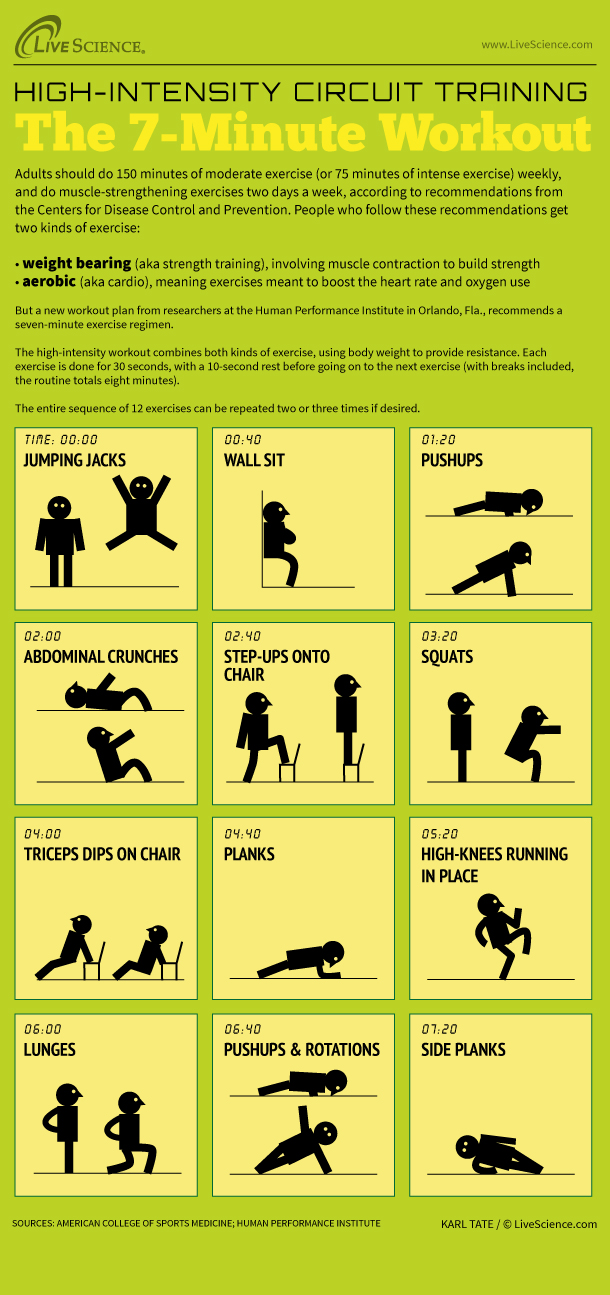
- High-Intensity Interval Training (HIIT): This training style inherently pushes you into vigorous zones with short bursts of maximal effort followed by brief recovery periods.
- Team Sports: Such as basketball, soccer, or rugby, which involve bursts of running, jumping, and quick movements.
- Aerobic Classes: High-impact aerobics, kickboxing, or intense dance fitness classes.
- Circuit Training: If performed with minimal rest between stations and at a challenging pace.
- Hiking: Uphill and at a brisk pace.
- Jumping Rope: At a consistent, rapid pace.
- Weightlifting: When performing compound movements with challenging weights and minimal rest between sets, pushing close to failure.
It’s important to note that the duration and how you perform these activities matter. A leisurely bike ride is moderate, but a challenging climb is vigorous. Similarly, lifting very light weights for many repetitions might not reach vigorous intensity, whereas lifting heavier weights for fewer repetitions with maximal effort will. This is analogous to how a brand’s messaging can be moderate or intense; the depth of engagement and the impact of the communication determine its intensity.
The Impact of Fitness Level
Your current fitness level plays a significant role in what you perceive and physiologically experience as intense exercise. What might be a vigorous workout for a beginner could be a moderate warm-up for an elite athlete.
- Beginners: Might find brisk walking or jogging at a moderate pace to be challenging enough to qualify as vigorous for them.
- Intermediates: Will likely need to increase speed, resistance, or duration to achieve vigorous intensity.
- Advanced individuals: Will be pushing their limits with higher speeds, heavier weights, and more complex training protocols.
This progression is a core principle of effective training, similar to how a company scales its operations or refines its brand identity as it grows and matures. Continuously seeking greater challenges is what drives progress.
Benefits of Incorporating Intense Exercise
Why should you aim for intense exercise? The rewards extend far beyond just burning calories. Incorporating vigorous activity into your routine offers a wealth of physical and mental health benefits.
Physical Health Advantages:
- Improved Cardiovascular Health: Intense exercise strengthens your heart and lungs, improving their efficiency. This can lead to lower resting heart rate, reduced blood pressure, and a decreased risk of heart disease.
- Enhanced Calorie Expenditure: You burn more calories in a shorter amount of time during vigorous exercise, aiding in weight management and fat loss.
- Increased Metabolism: High-intensity workouts can lead to a significant “afterburn effect” (EPOC – Excess Post-exercise Oxygen Consumption), meaning your body continues to burn calories at an elevated rate even after you’ve finished exercising.
- Better Aerobic and Anaerobic Capacity: You’ll become more efficient at utilizing oxygen (aerobic) and better able to perform short bursts of intense activity without relying solely on oxygen (anaerobic).
- Bone Density Improvement: Weight-bearing intense activities can help strengthen bones and reduce the risk of osteoporosis.
- Muscle Strength and Endurance: While often associated with strength training, cardiovascularly intense activities also build muscular endurance and can contribute to overall strength.
Mental and Cognitive Benefits:
- Stress Reduction: Exercise is a powerful stress reliever. The endorphins released during intense workouts can boost your mood and create a sense of well-being.
- Improved Cognitive Function: Studies suggest that vigorous exercise can enhance cognitive abilities, including memory, focus, and problem-solving skills. This is similar to how utilizing advanced AI tools can boost productivity and analytical capabilities.
- Increased Energy Levels: Paradoxically, expending more energy through intense exercise can lead to greater overall energy levels throughout the day.
- Enhanced Self-Esteem and Confidence: Achieving fitness goals and feeling stronger and healthier can significantly boost your self-confidence and self-esteem.
These benefits are not dissimilar to the strategic advantages a well-defined brand can offer. A strong brand builds trust, commands attention, and fosters loyalty, much like consistent, intense exercise builds a resilient and capable body and mind.
Safely Incorporating Intense Exercise into Your Routine
While the benefits are compelling, it’s crucial to approach intense exercise with a mindful and informed strategy to avoid injury and burnout.
The Importance of a Gradual Approach and Listening to Your Body:
- Start Slowly: If you’re new to exercise or returning after a break, don’t jump straight into high-intensity workouts. Begin with moderate-intensity activities and gradually increase the duration, frequency, and intensity as your fitness improves. This mirrors the iterative development process common in technology, where features are added and refined over time.
- Warm-up and Cool-down: Always dedicate time to a proper warm-up before your workout to prepare your muscles and cardiovascular system. A cool-down afterward helps your body gradually return to its resting state and can aid in recovery.
- Listen to Your Body: Pay attention to any pain signals. Discomfort is normal when pushing your limits, but sharp, persistent pain is a sign to stop. Rest and recovery are just as important as the workout itself. Pushing through pain can lead to injuries that set you back significantly, much like a poorly implemented product launch can damage a brand’s reputation.
- Hydration and Nutrition: Ensure you’re adequately hydrated before, during, and after exercise, especially when engaging in intense activities. Proper nutrition fuels your body for performance and aids in recovery.
- Cross-Training: Varying your workouts to include different types of activities can prevent overuse injuries and work different muscle groups. This is akin to diversifying your investment portfolio to mitigate risk.
When to Seek Professional Guidance:
- Pre-existing Health Conditions: If you have any underlying health conditions, such as heart disease, high blood pressure, or diabetes, consult your doctor before starting any new exercise program, especially one that includes intense activity.
- Uncertainty About Intensity: If you’re unsure whether your current activities are meeting the criteria for intense exercise or if you’re struggling to gauge your exertion levels, a certified personal trainer or fitness professional can provide personalized guidance and create a safe and effective training plan tailored to your needs. They can also help you understand your body’s signals, much like financial advisors help individuals navigate complex investment landscapes.
- Performance Plateaus or Injuries: If you’ve hit a plateau in your progress or are experiencing recurring injuries, seeking professional advice can help you identify the cause and adjust your training regimen.
By understanding what constitutes intense exercise and approaching it with a strategic, informed, and mindful mindset, you can unlock its transformative benefits for your physical and mental well-being, much like leveraging technology, solid branding, and smart financial planning can lead to success in various aspects of life.
aViewFromTheCave is a participant in the Amazon Services LLC Associates Program, an affiliate advertising program designed to provide a means for sites to earn advertising fees by advertising and linking to Amazon.com. Amazon, the Amazon logo, AmazonSupply, and the AmazonSupply logo are trademarks of Amazon.com, Inc. or its affiliates. As an Amazon Associate we earn affiliate commissions from qualifying purchases.