
In today’s fast-paced, digitally-driven society, staying healthy and informed is paramount. While we often associate “tech” with the latest gadgets and AI advancements, the realm of personal well-being is equally crucial. Within this space, understanding common medications, even those seemingly unrelated to our digital lives, can empower us to make better health decisions. This is where clotrimazole enters the picture. You might have encountered it in over-the-counter creams, lotions, or vaginal suppositories. But what exactly is clotrimazole, and why is it so prevalent in addressing fungal infections? This article aims to demystify this widely used antifungal agent, exploring its nature, applications, and how understanding such medical basics contributes to our overall well-being, even within the context of our tech-centric lives.

While clotrimazole isn’t a piece of software or a new AI algorithm, its accessibility and effectiveness have made it a cornerstone of antifungal treatment. In a world where instant access to information is the norm, understanding the “why” and “how” behind everyday medical solutions is a natural extension of our desire for knowledge and control. We readily seek out reviews for new tech gadgets, delve into tutorials to master new software, and track our finances with sophisticated apps. Similarly, gaining a clear understanding of medications like clotrimazole falls under the umbrella of informed decision-making and personal productivity in the broadest sense – by maintaining our health, we ensure we can engage fully with all aspects of our lives, from our careers to our personal projects.
Understanding the Science Behind Clotrimazole
At its core, clotrimazole is an antifungal medication. This means its primary function is to combat and eliminate fungal infections. To grasp how it achieves this, we need a rudimentary understanding of how fungi operate and how clotrimazole interferes with their life cycle.
How Fungi Cause Infections
Fungi are a diverse group of organisms, some of which can cause infections in humans. These infections, known as mycoses, can affect various parts of the body, including the skin, nails, and mucous membranes. Common culprits include yeasts like Candida and dermatophytes, the fungi responsible for conditions like athlete’s foot and ringworm.
Fungal cells, like ours, have a cell membrane that is vital for their survival. However, the composition of fungal cell membranes differs significantly from human cell membranes. A key component of fungal cell membranes is ergosterol. Ergosterol plays a crucial role in maintaining the membrane’s structure, fluidity, and the function of various membrane-bound enzymes.
Clotrimazole’s Mechanism of Action: Disrupting the Fungal Cell Membrane
Clotrimazole belongs to a class of antifungal drugs known as imidazoles. Its effectiveness stems from its ability to disrupt the synthesis of ergosterol. Here’s a breakdown of how it works:
-
Inhibition of Lanosterol 14α-demethylase: The synthesis of ergosterol is a multi-step process. Clotrimazole specifically targets and inhibits an enzyme called lanosterol 14α-demethylase. This enzyme is essential for converting lanosterol into ergosterol. By blocking this enzyme, clotrimazole effectively halts the production of ergosterol.
-
Accumulation of Toxic Sterols: When ergosterol production is inhibited, intermediate sterols that are toxic to the fungal cell begin to accumulate within the fungal membrane. These abnormal sterols disrupt the normal structure and function of the membrane.
-
Increased Permeability and Cell Lysis: The compromised cell membrane becomes more permeable, allowing essential intracellular components to leak out. This leakage, combined with the toxic sterols, weakens the fungal cell wall, ultimately leading to cell death. In essence, clotrimazole creates holes in the fungal cell’s protective barrier, causing it to disintegrate.
This targeted approach, focusing on a component unique to fungal cell membranes, is what makes clotrimazole an effective and generally well-tolerated antifungal agent. It preferentially harms fungal cells while having minimal impact on human cells, which rely on cholesterol for their cell membranes.
Common Applications and Formulations of Clotrimazole
The versatility of clotrimazole in treating various fungal infections has led to its availability in numerous forms, catering to different body parts and types of infections. Understanding these formulations can help individuals choose the most appropriate treatment.
Topical Applications: For Skin and Nails
When dealing with superficial fungal infections affecting the skin, clotrimazole is most commonly found in topical formulations such as:
-
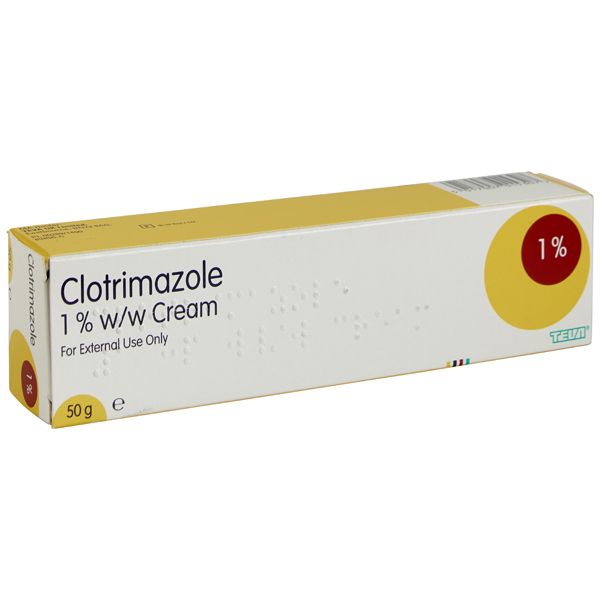
Creams: These are perhaps the most popular and widely used form. Clotrimazole creams are effective for treating conditions like:
- Athlete’s Foot (Tinea Pedis): A common fungal infection of the feet, often characterized by itching, scaling, and redness between the toes.
- Jock Itch (Tinea Cruris): A fungal infection affecting the groin area, typically causing an itchy, red, and sometimes circular rash.
- Ringworm (Tinea Corporis): A fungal infection of the body’s skin, presenting as a circular, scaly rash with a raised border.
- Other Fungal Skin Infections: Including those caused by yeasts on various parts of the body.
The cream formulation allows for direct application to the affected area, providing localized treatment. It’s designed to be absorbed by the skin, delivering the antifungal agent directly to the site of infection.
-
Lotions: Similar to creams, lotions are also applied topically but tend to be lighter and can be more easily spread over larger areas of skin. They are suitable for similar fungal infections as creams, particularly when the affected area is extensive or prone to moisture.
-
Solutions/Sprays: These can be convenient for hard-to-reach areas or for treating infections on hairy parts of the skin. They offer quick application and absorption.
-
Powders: Clotrimazole powders can be useful in managing fungal infections in moist areas, such as between the toes or in skin folds. They help to absorb excess moisture, creating a less favorable environment for fungal growth, while also delivering the antifungal agent.
-
Nail Lacquers/Solutions: For fungal infections of the nails (onychomycosis), specific formulations are designed to penetrate the nail plate. These lacquers are applied directly to the affected nails, providing a sustained release of clotrimazole to combat the stubborn infection within the nail structure.
Vaginal Formulations: Addressing Yeast Infections

Clotrimazole is a widely recognized and highly effective treatment for vulvovaginal candidiasis, commonly known as a yeast infection. This infection is caused by an overgrowth of Candida fungi, often Candida albicans, which normally reside in the vagina in small numbers. When the balance of the vaginal flora is disrupted, these yeasts can multiply, leading to symptoms like itching, burning, discharge, and discomfort.
Clotrimazole is available in several vaginal formulations:
-
Vaginal Suppositories (Tablets/Ovules): These are small, ovule-shaped medications inserted directly into the vagina. They are designed to dissolve and release clotrimazole over a specific period, typically one, three, or seven days, depending on the product’s strength and formulation. The medication works locally to eliminate the Candida overgrowth.
-
Vaginal Creams: These creams are also inserted into the vagina using a special applicator. They can be used for a similar duration as suppositories and are often accompanied by an external cream to alleviate external itching and irritation.
The availability of these formulations provides women with effective and convenient options for managing common and often recurrent yeast infections.
Clotrimazole in the Context of Digital Health and Brand Trust
While clotrimazole is a purely pharmaceutical entity, its presence and accessibility in our lives can be viewed through the lenses of modern “Tech,” “Brand,” and “Money” discussions.
Tech and Information Access: Empowering Self-Care
The internet and digital platforms have revolutionized how we access health information. When experiencing symptoms of a fungal infection, the first instinct for many is to search online. This is where understanding what clotrimazole is becomes empowering.
-
Informed Search Queries: Instead of vague searches like “itchy rash,” knowing “what is clotrimazole” allows for more targeted searches. This leads to discovering its uses, effectiveness, and potential side effects. Platforms offering health information, online pharmacies, and even symptom checkers can then provide more relevant and helpful results.
-
Virtual Consultations and Telemedicine: With the rise of telemedicine, patients can discuss symptoms with healthcare professionals remotely. Having a basic understanding of potential treatments like clotrimazole can facilitate clearer communication during these virtual consultations, helping patients articulate their concerns and understand the doctor’s recommendations.
-
Digital Health Monitoring: While clotrimazole itself isn’t a digital health tool, the broader trend of digital health monitoring and management can intersect. For individuals managing chronic skin conditions or recurrent infections, understanding the role of various medications, including clotrimazole, contributes to their overall digital health strategy, allowing for better tracking and adherence to treatment plans.
Brand Trust and Over-the-Counter Accessibility
The widespread availability of clotrimazole as an over-the-counter (OTC) medication speaks volumes about its safety profile and established efficacy. This accessibility is a testament to the trust built by pharmaceutical brands over time.
-
Brand Recognition and Reliability: Brands that consistently offer effective and safe generic or branded clotrimazole products have earned consumer trust. This brand recognition is vital in a market where consumers often rely on familiar names for their health needs. When choosing between different antifungal creams, brand reputation, backed by years of successful use and positive consumer reviews, can be a significant factor.
-
Marketing and Education: Pharmaceutical companies often invest in educating consumers about their products. While direct-to-consumer advertising for prescription drugs is limited in many regions, the marketing of OTC medications focuses on clear labeling, accessible information, and highlighting benefits. Understanding the core ingredient like clotrimazole allows consumers to cut through marketing jargon and focus on the actual therapeutic value.
-
Case Studies and Consumer Reviews: In the digital age, consumer reviews and online case studies play a significant role in shaping perceptions. Positive testimonials about clotrimazole’s effectiveness in treating specific fungal infections contribute to its perceived value and reinforce brand trust. This is akin to how tech reviews influence purchasing decisions for gadgets; health-related reviews influence choices for medications.
Money and Cost-Effectiveness
From a financial perspective, clotrimazole stands out as a highly cost-effective solution for common fungal infections.
-
Affordability of OTC Treatments: The fact that clotrimazole is widely available without a prescription makes it significantly more affordable than many prescription-only medications. This is particularly important for individuals managing chronic conditions or those with limited healthcare budgets.
-
Preventing Complications: By effectively treating fungal infections early, clotrimazole can prevent them from worsening and potentially leading to more severe complications. These complications could require more expensive treatments, doctor visits, or even time off work, thus impacting one’s earning potential. Proactive self-care with accessible medications like clotrimazole contributes to financial well-being by avoiding these downstream costs.
-
Generic vs. Branded Options: The availability of both branded and generic versions of clotrimazole provides consumers with further choices to manage their health expenses. Generic medications, which contain the same active ingredient and are equally effective, are typically less expensive. This economic consideration is a crucial aspect of personal finance and informed healthcare spending.
Conclusion: Integrating Health Knowledge into Our Digital Lives
Understanding “what is clotrimazole” goes beyond simply knowing the name of a medication. It represents a broader commitment to informed self-care, a key component of maintaining one’s overall well-being in our increasingly digital world. Just as we leverage technology to optimize our finances, streamline our work, and stay connected, we can and should extend this proactive approach to our health.
Clotrimazole, a powerful yet accessible antifungal agent, exemplifies how fundamental medical knowledge empowers individuals. By understanding its mechanism of action, its various applications, and its place in the market, we are better equipped to make sound health decisions, manage common ailments effectively, and contribute to our financial stability by preventing more serious and costly issues. In a society that values efficiency and control, incorporating basic health literacy, including understanding common medications like clotrimazole, is not just a matter of good health; it’s a smart, tech-savvy approach to a healthier, more productive life.
aViewFromTheCave is a participant in the Amazon Services LLC Associates Program, an affiliate advertising program designed to provide a means for sites to earn advertising fees by advertising and linking to Amazon.com. Amazon, the Amazon logo, AmazonSupply, and the AmazonSupply logo are trademarks of Amazon.com, Inc. or its affiliates. As an Amazon Associate we earn affiliate commissions from qualifying purchases.