
When the phrase “what is Clash of Clans” enters the digital conversation, it’s usually accompanied by a sense of intrigue, a hint of nostalgia for many, and a definite nod to one of the most enduring and influential mobile games of the past decade. Beyond its simple moniker, Clash of Clans represents a fascinating intersection of technology, brand building, and surprisingly, a subtle understanding of economic principles – all within the engaging framework of a strategy game.
While primarily a gaming application, understanding Clash of Clans can offer surprising insights that ripple across the broader themes of technology, brand, and even finance. This isn’t just about tapping on a screen; it’s about understanding what makes a digital product resonate, how a brand achieves such longevity, and the underlying economic drivers that keep millions of players engaged.
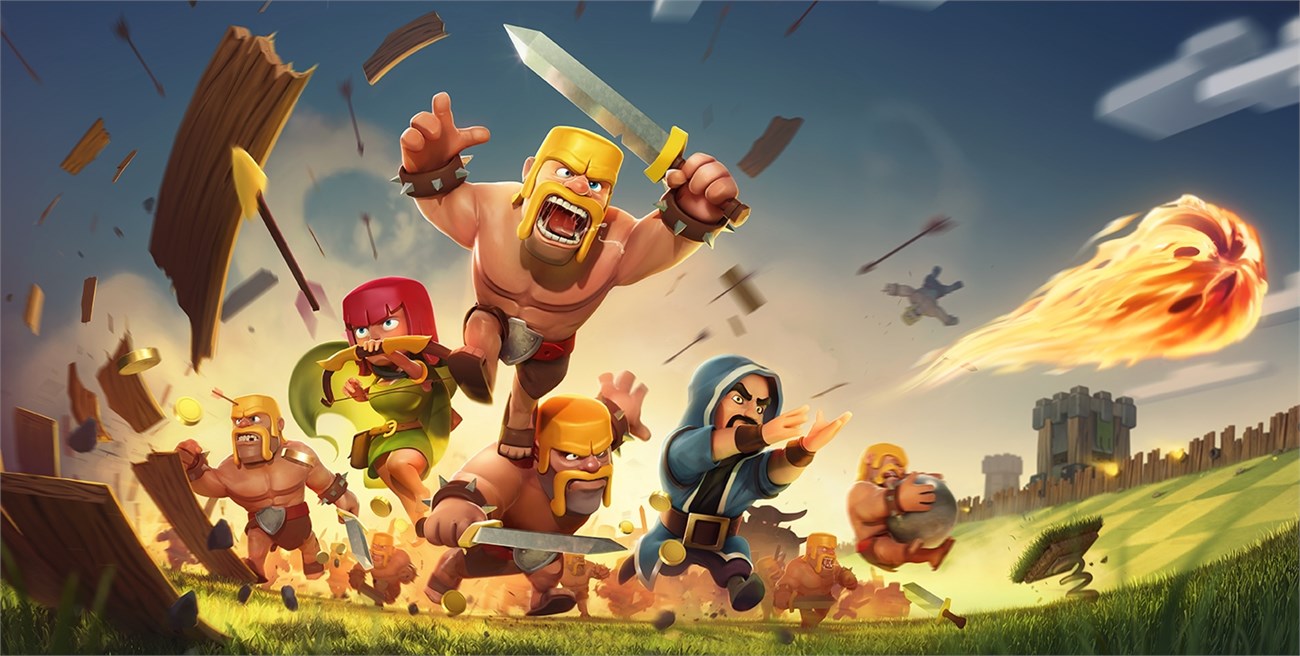
This exploration will delve into the core of Clash of Clans, not just as a game, but as a case study in digital product development, brand evolution, and the subtle ways in which virtual economies can mirror real-world financial concepts.
The Technological Foundation: Building a Digital Empire
At its heart, Clash of Clans is a testament to the power of accessible, yet sophisticated, mobile technology. Developed by Supercell, a Finnish mobile game company, the game leverages the ubiquitous nature of smartphones and tablets to deliver a complex real-time strategy experience that can be enjoyed by anyone, anywhere.
Core Gameplay Mechanics: Strategy Meets Accessibility
The fundamental premise of Clash of Clans is straightforward: players build and expand their own villages, train troops, and attack other players’ villages to earn resources. However, the depth lies in the intricate interplay of these seemingly simple mechanics.
-
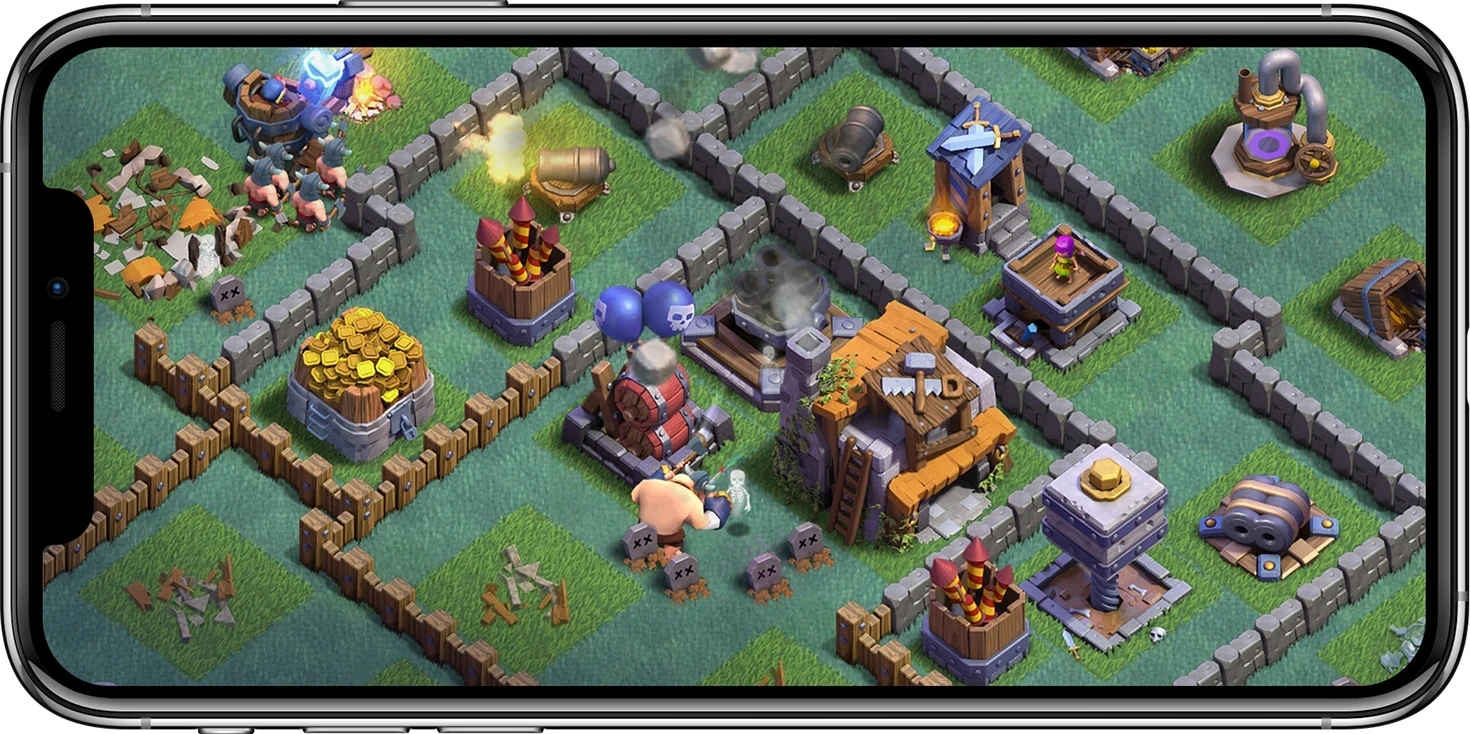
Village Building and Management: This aspect of the game taps into a player’s innate desire for creation and organization. Players strategically place defensive structures like cannons, archer towers, and bomb traps, alongside resource-generating buildings such as gold mines and elixir collectors. The placement of these buildings is crucial, as it directly impacts the village’s ability to withstand attacks. This mirrors real-world principles of resource management and strategic planning, where efficient allocation of assets is key to survival and growth.
-
Troop Training and Combat: The game features a diverse array of troops, each with unique strengths, weaknesses, and attack patterns. From the brute force of the Barbarian to the magical prowess of the Wizard, players must carefully select and deploy their armies to overcome enemy defenses. This strategic element requires foresight, adaptability, and an understanding of troop synergy. The combat itself is a real-time simulation, where players can observe the outcome of their strategies, learning and adjusting for future battles. This continuous feedback loop is a core tenet of effective learning and development, both in games and in real-world endeavors.
-
Asynchronous Multiplayer: A key technological innovation that underpins Clash of Clans’ success is its asynchronous multiplayer model. Unlike real-time strategy games where players directly control their armies simultaneously, in Clash of Clans, attacks are initiated against another player’s base while they are offline. This removes the pressure of immediate response and allows players to engage with the game at their own pace, fitting seamlessly into busy schedules. It’s a brilliant solution that democratizes competitive play on mobile, making it accessible to a much wider audience.
The Role of Apps and Gadgets: A Seamless User Experience
Clash of Clans is, fundamentally, an app. Its success is intrinsically linked to the evolution of the smartphone as a powerful computing device and the app ecosystem that surrounds it. The intuitive touch controls, high-fidelity graphics rendered on relatively modest hardware, and constant connectivity afforded by mobile devices all contribute to the game’s immersive experience.
The game’s design prioritizes a user-friendly interface, ensuring that even novice players can grasp the core mechanics quickly. This ease of access, coupled with the sheer depth of strategic possibilities, has been a winning combination. Furthermore, the continuous updates and patches released by Supercell demonstrate an ongoing commitment to improving the app, fixing bugs, and introducing new content, keeping the game fresh and engaging.
Digital Security and Productivity: An Unexpected Connection
While not immediately obvious, the principles of digital security and productivity are subtly woven into the fabric of Clash of Clans. Players must secure their own villages against attacks, employing defensive strategies and keeping their valuable resources protected. This parallels the need for digital security in the real world, where protecting personal data and financial assets is paramount.
Moreover, the game encourages a form of strategic productivity. Players are encouraged to optimize their resource collection, upgrade their buildings efficiently, and plan their attacks to maximize gains. This requires a degree of long-term planning and resource allocation that, in a simplified form, mirrors productivity principles in business and personal life. The drive to “get more done” – in this case, more resources, more trophies, more progression – is a powerful motivator.
The Brand Powerhouse: Cultivating a Lasting Legacy
Clash of Clans is more than just a game; it’s a globally recognized brand. Supercell has masterfully cultivated its image, fostering a massive and dedicated player base that spans continents and age groups.
Brand Strategy and Identity: More Than Just Cartoons
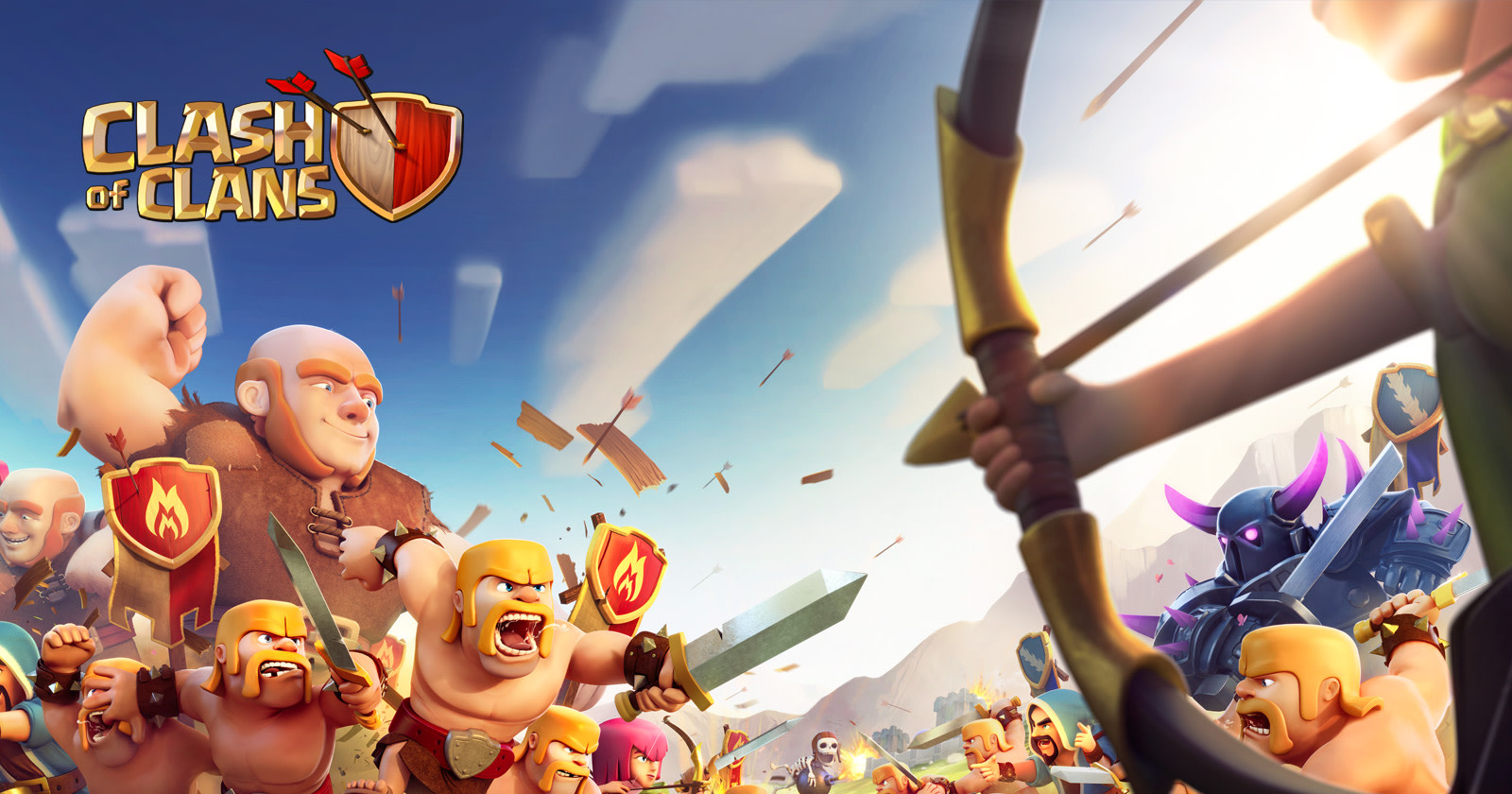
Supercell’s brand strategy for Clash of Clans has been remarkably consistent and effective. The game sports a distinctive art style: cartoony, vibrant characters and environments that are instantly recognizable. This visual identity is not only appealing but also contributes to the game’s broad demographic appeal, making it less intimidating than hyper-realistic or violent titles.
The brand is built on the pillars of:
- Community: Supercell actively fosters a sense of community around the game. Features like Clans (player groups) encourage collaboration, competition, and social interaction. This communal aspect is a powerful retention tool, making players feel invested not just in their own progress, but in the success of their team.
- Fairness and Balance: While free-to-play, the game has maintained a reputation for being relatively fair. While in-app purchases can accelerate progress, strategic skill and smart decision-making remain the primary drivers of success. This perceived fairness is crucial for long-term brand trust.
- Consistent Updates and Evolution: The game has undergone numerous updates, introducing new troops, defenses, game modes, and quality-of-life improvements. This continuous evolution keeps the gameplay fresh and prevents stagnation, a common pitfall for many online games. This demonstrates a commitment to the product and its players, reinforcing the brand’s reliability.
Marketing and Case Studies: Reaching a Global Audience
Clash of Clans’ marketing has been a masterclass in reaching a diverse global audience. From memorable television commercials featuring its iconic characters to subtle in-app advertisements that feel less intrusive, Supercell has employed a multi-pronged approach.
The success of Clash of Clans has also served as a compelling case study for other game developers and even businesses in unrelated industries looking to understand the dynamics of mobile game monetization and player engagement. Its ability to maintain relevance and a massive player base for so long is a testament to its strong foundations.
- Virality and Word-of-Mouth: The engaging nature of the game, combined with the social features, naturally leads to word-of-mouth marketing. Players share their successes, strategies, and frustrations, organically drawing in new users.
- Cross-Promotion and Partnerships: Supercell has also leveraged partnerships and cross-promotions, further expanding its reach. The introduction of the animated series and other media tie-ins have reinforced the brand’s presence beyond the gaming sphere.
Reputation Management: Navigating the Challenges
Like any long-standing online service, Clash of Clans has faced its share of challenges, from occasional server issues to player concerns about game balance or monetization. Supercell’s success in reputation management lies in its transparency, responsiveness to player feedback, and commitment to addressing issues promptly. This ongoing dialogue with its player base is vital for maintaining a positive brand perception.
The Monetary Framework: Understanding Virtual Economies
While not explicitly a financial app, Clash of Clans operates within a sophisticated virtual economy that has surprising parallels to real-world financial principles. The game’s monetization strategy and player-driven resource management offer valuable insights into the dynamics of virtual currency and strategic investment.
Personal Finance and Online Income: A Gamer’s Perspective
For players, engaging with Clash of Clans can be viewed through the lens of personal finance. Resources like Gold and Elixir are the primary currency. Players must “invest” these resources in building and upgrading their village, training troops, and researching new technologies.
- Resource Management: The core of the game involves managing these virtual resources efficiently. Players must decide whether to spend their Gold on a new cannon or save up for a more significant upgrade. This decision-making process mirrors personal finance choices, where individuals decide between immediate gratification and long-term savings or investments.
- Earning Online Income (Virtual): The “income” in Clash of Clans comes from attacking other players, collecting from resource-generating buildings, and completing in-game quests. The efficiency of these methods dictates how quickly a player can progress. This concept of optimizing income streams, even in a virtual context, is a fundamental financial principle.
- The “Side Hustle” Mentality: Many players adopt a “side hustle” mentality towards the game, dedicating specific times to farming resources or attacking to maximize their gains. This mirrors the concept of side hustles in the real world, where individuals leverage their time and skills to generate additional income.
Investing and Financial Tools (Virtual):
The game’s upgrade system can be seen as a form of virtual investment. Players “invest” their hard-earned resources into upgrades that provide future benefits, such as increased defense strength, faster troop training, or higher resource production.
- Return on Investment (ROI): Players implicitly calculate the ROI of their upgrades. Will a new Archer Tower be worth the Gold and time it takes to build, considering the defensive advantage it provides? This mental calculation of return on investment is a core concept in financial planning.
- Strategic Resource Allocation: Similar to how businesses allocate capital, players must strategically allocate their limited resources to achieve their objectives, whether it’s climbing the trophy ranks or preparing for a clan war.
Business Finance and Monetization: The Free-to-Play Model
Supercell’s monetization of Clash of Clans is a prime example of the successful free-to-play (F2P) business model. Players can download and play the game for free, with optional in-app purchases (IAPs) available.
- Gems as Premium Currency: The primary IAP currency is “Gems.” These can be used to speed up build times, instantly train troops, or purchase missing resources. This introduces a premium layer that can accelerate progress for those willing to pay.
- The Value Proposition of Time: The F2P model in Clash of Clans thrives on the trade-off between time and money. Players who have more time can progress steadily through gameplay, while those with less time or a desire for faster advancement can opt to spend money. This creates a sustainable ecosystem where both free and paying players can coexist.
- Player Retention and Engagement: The game’s design is meticulously crafted to keep players engaged over the long term. Constant challenges, social incentives, and the satisfaction of progression ensure that players continue to invest their time, and sometimes their money, into the game. This long-term player retention is crucial for the financial success of F2P titles.
In conclusion, Clash of Clans is far more than just a mobile game. It stands as a remarkable achievement in technological innovation, a masterclass in brand building and community management, and a fascinating illustration of virtual economic principles. For anyone interested in the intersection of technology, brand strategy, and even the psychology of economic behavior, understanding “what is Clash of Clans” offers a compelling and insightful journey. It’s a testament to how a well-designed digital product, coupled with smart business practices, can create a lasting legacy and captivate millions worldwide.
aViewFromTheCave is a participant in the Amazon Services LLC Associates Program, an affiliate advertising program designed to provide a means for sites to earn advertising fees by advertising and linking to Amazon.com. Amazon, the Amazon logo, AmazonSupply, and the AmazonSupply logo are trademarks of Amazon.com, Inc. or its affiliates. As an Amazon Associate we earn affiliate commissions from qualifying purchases.