
Cardiovascular training, often simply called “cardio,” has long been a cornerstone of health and fitness regimens. Historically, understanding and engaging with cardio exercises relied on subjective effort, stopwatch timings, and rudimentary equipment. In the digital age, however, the very definition and execution of cardio training have been profoundly reshaped by technology. From smart wearables to AI-powered coaching apps and virtual reality fitness environments, technology has not only made cardio more accessible but also more personalized, trackable, and engaging. This article delves into what cardio training entails, viewed through the innovative prism of modern technological solutions.

Understanding Cardio in the Digital Age
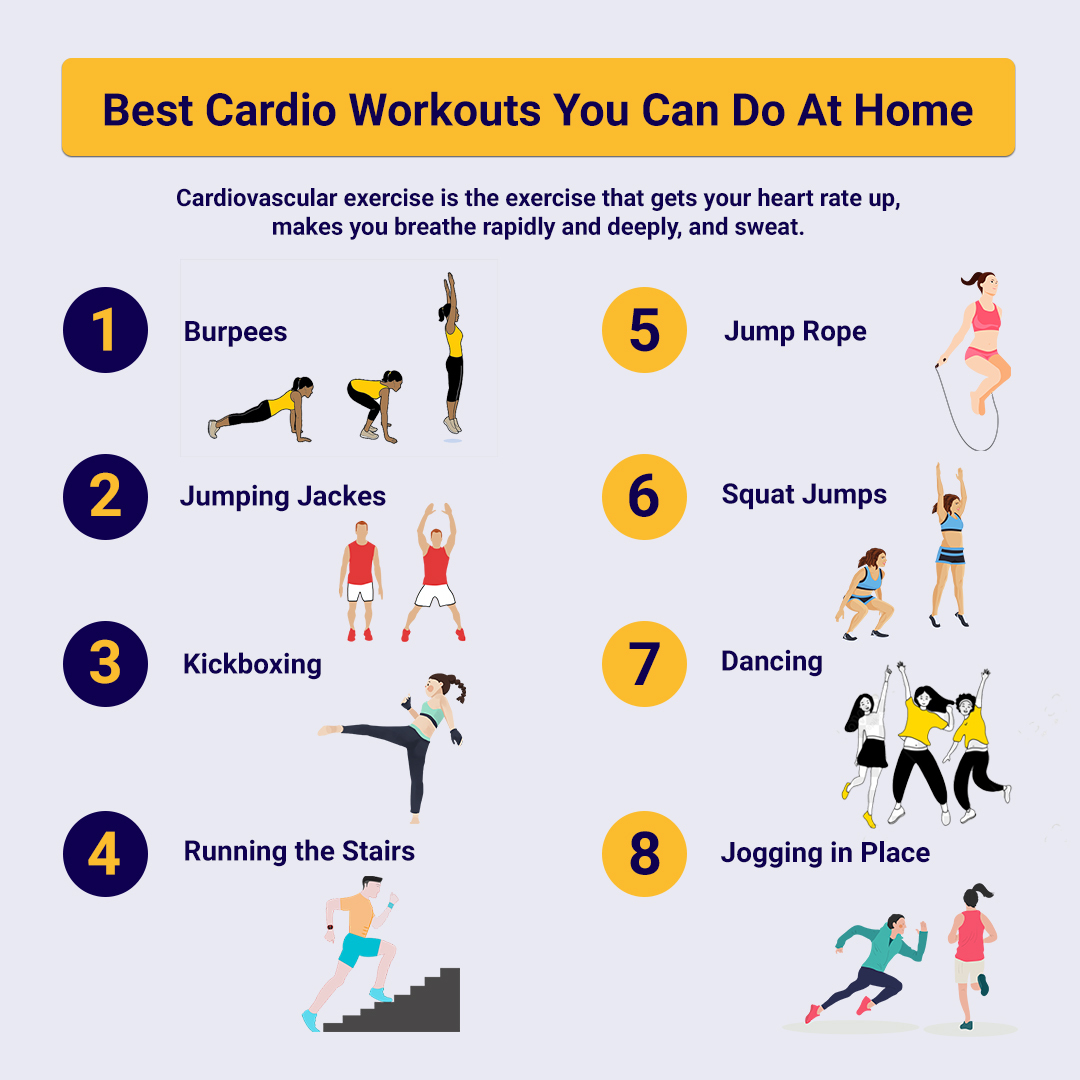
At its core, cardiovascular training refers to any exercise that elevates your heart rate and keeps it elevated for an extended period, thereby strengthening your heart and lungs. It’s about improving your body’s ability to take in, distribute, and utilize oxygen efficiently. While these physiological principles remain constant, our approach to understanding and measuring them has evolved dramatically with technological intervention.
The Fundamental Principles of Cardiovascular Exercise
Traditionally, cardio was broadly categorized by intensity and duration. Activities like running, swimming, cycling, and brisk walking were (and still are) prime examples. The goal is to engage large muscle groups rhythmically to increase blood flow and oxygen delivery to working muscles. Health organizations recommend regular cardiovascular activity for improved heart health, weight management, increased stamina, and reduced risk of chronic diseases.
In a tech-enhanced context, these fundamental principles are now quantified with unprecedented precision. Instead of simply “feeling out” your exertion, modern tech provides real-time data to ensure you’re training within optimal heart rate zones, for appropriate durations, and with consistent effort. This shift from qualitative to quantitative understanding is central to modern cardio training.
Evolving Definitions: Beyond the Treadmill
While treadmills, ellipticals, and stationary bikes remain popular, the definition of “cardio” has expanded, partly due to technological innovation. High-Intensity Interval Training (HIIT), for instance, has gained immense popularity for its efficiency and effectiveness, often guided by apps and timers. Gamified workouts, virtual races, and interactive fitness classes delivered through smart screens also represent a departure from traditional cardio environments. Technology allows for a broader, more diverse array of activities to be recognized and optimized as cardiovascular training, moving beyond the confines of conventional gym equipment to personalized, dynamic experiences anywhere.
Wearable Technology: Your Personal Fitness Companion
Perhaps no other technological advancement has impacted personal cardio training more profoundly than wearable devices. Smartwatches, fitness trackers, and specialized sensors have become ubiquitous, transforming how individuals monitor, analyze, and engage with their physical activity. These devices provide an immediate, data-rich feedback loop, turning every workout into a measurable, optimizable event.
Real-time Data: Heart Rate, Calories, and Distance
The cornerstone of wearable tech’s contribution to cardio is its ability to provide real-time physiological data. Optical heart rate sensors, now standard in most smartwatches, allow users to continuously monitor their heart rate zones, ensuring they stay within target ranges for fat burning, cardio fitness, or peak performance. This eliminates the guesswork of perceived exertion.
Beyond heart rate, wearables track a myriad of other critical metrics:
- Calories Burned: Algorithms estimate calorie expenditure based on heart rate, activity type, age, weight, and other parameters.
- Distance and Pace: Integrated GPS or accelerometers precisely measure distance covered and average pace for outdoor activities like running and cycling.
- Steps Taken: A basic yet powerful metric for overall daily activity levels.
- Sleep Tracking: While not directly cardio, sleep quality impacts recovery and performance, offering a holistic view of well-being.
This wealth of data empowers users to make informed decisions about their training, adjust intensity on the fly, and achieve specific fitness goals more effectively.
Smartwatch Integration and GPS Tracking
Modern smartwatches are sophisticated mini-computers on your wrist, capable of far more than just displaying heart rate. They integrate seamlessly with dedicated fitness apps, allowing for advanced workout tracking, navigation during runs or bike rides, and even music control. For outdoor cardio enthusiasts, built-in GPS capabilities are invaluable, mapping routes, tracking elevation changes, and providing precise distance and speed metrics without needing a separate device. The convenience of having all these functions in a single, comfortable wrist-worn device has revolutionized outdoor cardio training.
Personalized Feedback and Goal Setting
Wearables don’t just collect data; they often interpret it to provide actionable insights. Many devices offer personalized recovery recommendations, assess VO2 max (a key indicator of cardiovascular fitness), and suggest optimal training loads. Users can set custom goals—be it a daily step count, a target heart rate zone duration, or a specific running pace—and receive prompts and encouragement to meet them. This constant feedback loop and goal-oriented approach keep users motivated and help them progressively improve their cardiovascular fitness over time.
Apps and Software: Revolutionizing Workout Planning and Tracking
Beyond the hardware of wearables, the software ecosystem plays an equally critical role in shaping modern cardio training. Mobile applications and cloud-based platforms have transformed how individuals plan, execute, and analyze their workouts, offering unprecedented levels of personalization, guidance, and community engagement.

AI-Powered Coaching and Customized Routines
The rise of artificial intelligence has brought sophisticated coaching directly to users’ pockets. AI-powered fitness apps analyze user data—from past workout performance and heart rate variability to sleep patterns and stress levels—to generate dynamically adjusted workout plans. These plans can customize intensity, duration, and exercise types to align with individual fitness levels, goals, and recovery needs. For cardio, this means an AI coach can suggest optimal running paces, cycling routes, or HIIT protocols, ensuring progressive overload without overtraining. This level of personalized guidance was once exclusive to elite athletes with personal trainers but is now accessible to the masses.
Gamification and Community Engagement
To combat the monotony that can sometimes accompany cardio, many apps employ gamification techniques. Earning badges for milestones, competing on leaderboards, or unlocking new levels for consistent activity can significantly boost motivation. Furthermore, fitness apps foster strong community engagement. Users can share their workouts, challenge friends, join virtual groups, and receive encouragement from a global network of fellow enthusiasts. This social dimension transforms solitary cardio sessions into communal experiences, enhancing accountability and enjoyment. Virtual running clubs, shared workout playlists, and celebratory notifications for friends’ achievements all contribute to a more engaging and sticky fitness journey.
Data Analysis for Performance Optimization
The true power of fitness software lies in its ability to aggregate and analyze vast amounts of data over time. Users can visualize their progress through detailed charts and graphs, identifying trends in their performance, consistency, and physiological responses. This historical data is invaluable for performance optimization:
- Identifying Plateaus: Recognizing when progress stalls allows for adjustments in training approach.
- Tracking Improvements: Seeing tangible gains in pace, endurance, or heart rate recovery is highly motivating.
- Injury Prevention: Analyzing trends in exertion and recovery can help identify potential overtraining risks.
- Periodization: Planning training cycles based on data to peak for specific events or avoid burnout.
This analytical capability turns raw workout data into actionable intelligence, empowering users to continually refine their cardio training strategies.
Smart Equipment and Virtual Experiences
The gym floor itself is becoming increasingly digitized, and the home fitness market is exploding with smart equipment and immersive virtual experiences that redefine what cardio training can be. These innovations merge hardware with software to create interactive, engaging, and highly effective workout environments.
Connected Gyms and Interactive Machines
Modern gym equipment is often “smart,” meaning it connects to the internet and can integrate with personal fitness trackers or dedicated platforms. Treadmills, ellipticals, and stationary bikes now feature high-definition touchscreens that offer guided workouts, virtual scenic routes, or live-streamed classes. These machines can automatically adjust resistance or incline based on the chosen program or even a virtual instructor’s commands. This connectivity allows users to track their performance directly on the equipment, sync data to their profiles, and enjoy a more engaging and less monotonous workout experience.
Virtual Reality (VR) and Augmented Reality (AR) Workouts
Perhaps the most futuristic frontier of cardio training lies in virtual and augmented reality. VR fitness platforms transport users to fantastical worlds, allowing them to run through ancient ruins, cycle across alien landscapes, or dodge obstacles in rhythm-based games. This immersive experience significantly reduces the perceived effort of cardio, making workouts feel more like gaming or exploration. AR, on the other hand, overlays digital elements onto the real world, turning a simple run around the block into an interactive adventure with virtual challenges or scenic enhancements. These technologies are particularly powerful for combating exercise boredom and providing novel stimuli.
The Future of Home Fitness Technology
The pandemic accelerated the adoption of home fitness technology, with platforms like Peloton, Mirror, and Tonal leading the charge. These integrated ecosystems combine smart hardware (bikes, smart mirrors, strength machines) with subscription-based content, offering live and on-demand cardio classes led by world-class instructors. The convenience of accessing high-quality, interactive cardio training from home, coupled with real-time performance tracking and community features, has cemented these solutions as a significant part of the cardio landscape. The future promises even more sophisticated integration, personalized experiences, and intelligent feedback within the home environment.
Digital Security and Data Privacy in Fitness Tech
As technology becomes more deeply embedded in our health and fitness routines, the importance of digital security and data privacy cannot be overstated. Fitness tech collects highly personal and sensitive information, from heart rate data and sleep patterns to location history and calorie intake. Protecting this data is crucial for user trust and safety.
Protecting Personal Health Information
The data collected by fitness wearables and apps often falls under the category of personal health information. Ensuring this data is encrypted, stored securely, and only accessible to authorized individuals is paramount. Users should be aware of the privacy policies of the apps and devices they use, understanding how their data is collected, used, and shared. Reputable companies invest heavily in cybersecurity measures to prevent breaches and safeguard user anonymity. The potential for misuse of such intimate data—whether for targeted advertising, insurance premium adjustments, or identity theft—highlights the necessity of robust security protocols.
Ensuring Accuracy and Reliability of Fitness Data
Beyond privacy, the accuracy and reliability of the data generated by fitness technology are vital. Users make decisions about their health and training based on these metrics. While modern sensors are highly sophisticated, factors like device fit, skin contact, and environmental conditions can affect accuracy. It’s important for users to understand the limitations of their devices and to use them as tools for guidance rather than infallible medical instruments. Developers continuously work on improving sensor technology and algorithms to provide the most precise data possible, reinforcing the credibility of tech-enhanced cardio training.
In conclusion, “what is cardio training exercises” in the modern era is no longer a purely physiological question but one deeply intertwined with technological innovation. From precise tracking with wearables to personalized coaching via AI and immersive virtual workouts, technology has democratized access to sophisticated fitness tools, made training more engaging, and provided unprecedented insights into our bodies. As technology continues to advance, the future of cardio training promises even more intelligent, integrated, and impactful ways to achieve and maintain cardiovascular health.
aViewFromTheCave is a participant in the Amazon Services LLC Associates Program, an affiliate advertising program designed to provide a means for sites to earn advertising fees by advertising and linking to Amazon.com. Amazon, the Amazon logo, AmazonSupply, and the AmazonSupply logo are trademarks of Amazon.com, Inc. or its affiliates. As an Amazon Associate we earn affiliate commissions from qualifying purchases.