
The word “bad” carries a remarkable weight in our everyday lexicon, signaling disapproval, dissatisfaction, or outright failure. In the intricate world of branding, however, “bad” is rarely a singular, simple concept. It’s a spectrum, a symptom, and often, a precursor to profound challenges that can erode a brand’s value, market position, and very existence. To truly understand and mitigate the impact of “bad” in branding, we must move beyond its simplistic definition and delve into the myriad ways it manifests, from a fleeting negative perception to a full-blown reputational catastrophe.
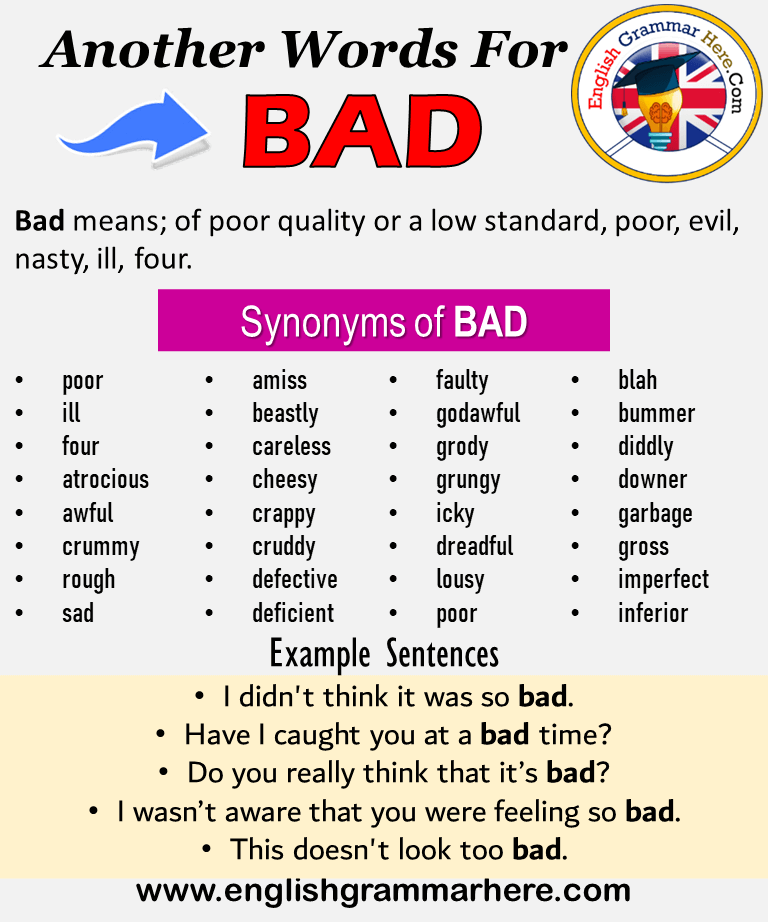
For a brand, “bad” isn’t just about making a mistake; it’s about the erosion of trust, the misalignment of promises and delivery, the failure to adapt, or a breakdown in ethical conduct. It’s the moment a customer chooses a competitor, an investor pulls their capital, or a talented employee seeks opportunities elsewhere. It is the antithesis of everything a brand strives to be: trustworthy, desirable, innovative, and resilient. This exploration aims to unpack the multifaceted nature of “bad” in branding, providing a framework to identify its sources, measure its impact, and, crucially, strategize its remediation and prevention. By understanding the true lexicon of negative brand health, businesses can better fortify their brand strategy against the inevitable challenges that arise in a dynamic marketplace.
Beyond “Bad”: Deconstructing Negative Brand Perceptions
The initial recognition of something being “bad” within a brand context often feels like a vague unease, a dip in sentiment, or a critical comment. However, this superficial understanding belies a deeper, more complex reality where “bad” takes on many forms, each with its unique implications and strategic requirements. Brands operate in a landscape where perceptions are fragile, and missteps can quickly escalate.
The Spectrum of “Bad”: From Substandard to Catastrophic
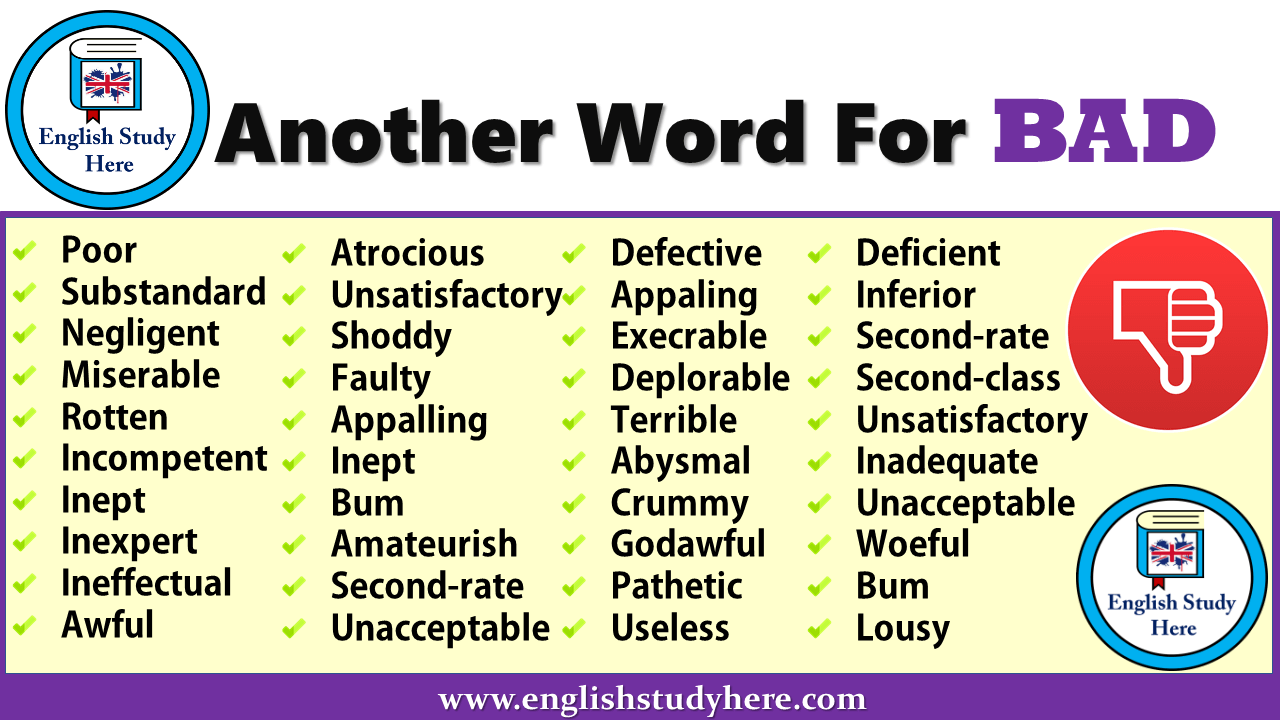
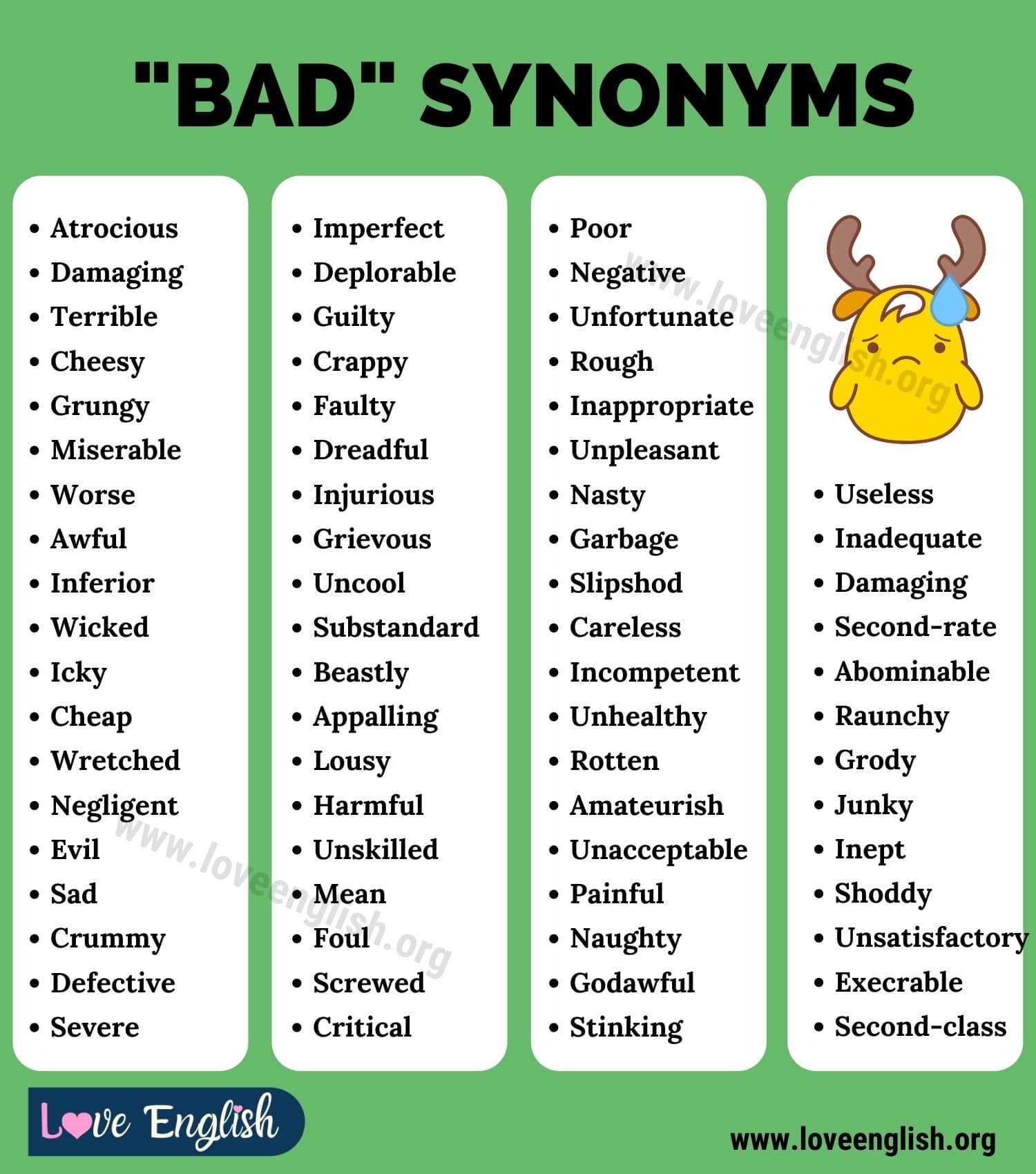
“Bad” in branding isn’t a monolithic concept; it exists on a continuum. At one end, we have issues that are merely substandard or underperforming. This could be a product feature that doesn’t quite meet expectations, a marketing campaign that yields disappointing ROI, or a customer service interaction that is merely adequate, not exceptional. These issues, while not immediately devastating, chip away at brand equity over time, signaling a lack of commitment to excellence.
Moving along the spectrum, we encounter flawed or defective elements. This might be a recurring bug in software, a product design oversight that leads to inconvenience, or an operational inefficiency that causes delays. These are more significant than substandard issues, actively creating friction or frustration for the customer. Left unaddressed, they can quickly turn into reasons for customers to switch.
Further still, we find damaging or detrimental events. These often involve significant service failures, product recalls, data breaches, or controversial public statements. These issues directly harm the brand’s reputation, potentially leading to widespread negative media coverage, social media backlash, and a tangible loss of customer trust and market share.
At the extreme end lies the catastrophic or disastrous. This level of “bad” typically involves ethical scandals, major environmental violations, fraudulent activities, or egregious acts of corporate irresponsibility. These events don’t just damage a brand; they threaten its very existence, leading to irreparable reputational harm, massive financial penalties, and potentially, complete market rejection. Understanding this spectrum is crucial for brands to accurately assess the severity of their challenges and allocate appropriate resources for resolution.
Immediate Ramifications: Trust Erosion and Customer Churn
Regardless of where an issue falls on the “bad” spectrum, its most immediate and critical consequence is the erosion of trust. Trust is the bedrock of any successful brand-consumer relationship. When a brand acts in a way perceived as “bad,” it breaches an implicit contract with its audience. Customers question the brand’s integrity, its reliability, and its commitment to their well-being. This erosion of trust manifests rapidly in tangible ways.
Firstly, there is customer churn. Dissatisfied customers, particularly those who have experienced significant negative interactions or perceptions, are quick to take their business elsewhere. In today’s hyper-connected world, switching brands is often just a click away, and the cost of acquiring a new customer far outweighs the cost of retaining an existing one. Secondly, there’s a decline in advocacy and word-of-mouth marketing. Happy customers are often a brand’s most potent marketers. When their experience turns “bad,” not only do they cease to advocate, but they may actively dissuade others, amplifying negative sentiment through online reviews, social media, and personal networks. This immediate fallout underscores the urgency with which brands must address any perceived negativity to staunch the bleeding and begin the long process of rebuilding.
Identifying the Core Sources of “Bad” Branding
To effectively address and prevent “bad” branding, it’s imperative to pinpoint its origins. Negative perceptions rarely emerge from a vacuum; they are typically rooted in specific operational, strategic, or cultural failures within an organization. Identifying these core sources is the first step toward implementing targeted solutions.
Product/Service Failures: The Tangible Misstep
Perhaps the most direct source of “bad” branding stems from a brand’s core offering. If a product is defective, unreliable, or simply doesn’t deliver on its promises, customer dissatisfaction is inevitable. Think of software riddled with bugs, electronics with short lifespans, or food products that fail quality standards. Similarly, a service that is inefficient, unresponsive, or falls short of advertised capabilities quickly frustrates consumers. Poor customer support, extended wait times, or a lack of personalized attention can turn an otherwise good product experience “bad.” These tangible missteps directly impact the user experience, leading to complaints, negative reviews, and a tarnished reputation. Brands must prioritize quality control, rigorous testing, and continuous improvement in their products and services to mitigate these fundamental failures.
Communication Breakdown: Mismanaging Messages and Expectations
Even the best products can suffer from “bad” branding if communication is mishandled. This category encompasses a range of issues, from misleading marketing that over-promises and under-delivers, to inconsistent messaging across different channels, confusing the audience about the brand’s identity or offerings. A lack of transparency during a crisis, or worse, outright deception, can severely damage public trust. Brands that fail to listen to their customers, ignore feedback, or communicate in a tone that is dismissive or arrogant are also prone to developing a “bad” reputation. Effective communication is a two-way street; it requires not only clearly articulating the brand’s value but also actively listening and responding to stakeholder concerns.
Ethical Lapses and Corporate Irresponsibility
In an increasingly socially conscious world, ethical conduct is paramount. “Bad” branding can result from serious ethical lapses such as fraudulent practices, exploitation of labor, environmental negligence, or discriminatory policies. Brands perceived as prioritizing profit over people or the planet face severe backlash. Controversies involving executive misconduct, data privacy breaches, or a lack of social responsibility can quickly turn public opinion against a brand, leading to boycotts, regulatory scrutiny, and a profound loss of moral authority. For modern consumers, a brand’s values and actions are as important as its products, making ethical behavior a cornerstone of “good” branding.
Inconsistent Brand Experience: Diluting Identity
A brand’s identity is its promise, and consistency is key to reinforcing that promise. When a brand delivers an inconsistent experience across different touchpoints—be it online, in-store, through customer service, or in its advertising—it dilutes its identity and confuses its audience. This can manifest as varying quality standards, conflicting brand messaging, or a disjointed customer journey. Such inconsistencies make it difficult for consumers to form a clear and reliable perception of the brand, leading to a sense of unreliability or amateurism. Over time, this fragmented experience can lead to a “bad” impression, making the brand seem disorganized, untrustworthy, or simply not worth the investment of loyalty.
Measuring the Impact: Quantifying “Bad” on Brand Health
While the term “bad” might seem qualitative, its impact on a brand is anything but. Negative perceptions translate directly into measurable consequences that affect a company’s financial health, operational stability, and long-term viability. Quantifying this impact is crucial for internal justification of brand investment and for understanding the true cost of inaction.
Reputational Damage: The Unseen Cost
Reputational damage is often the most pervasive and insidious form of “bad.” While difficult to put an exact monetary figure on, it manifests in several quantifiable ways. Firstly, there’s a decline in brand sentiment as tracked through social listening tools, media monitoring, and sentiment analysis. An increase in negative mentions, a drop in positive engagement, and a rise in critical reviews all signal a worsening reputation. Secondly, there’s a decrease in brand perception metrics, such as trust, admiration, and willingness to recommend, as revealed through brand health surveys. This directly impacts brand equity, diminishing the intangible value consumers place on the brand. The unseen cost of reputational damage is the loss of future opportunities—new markets, partnerships, and customer segments that become harder to penetrate once a brand’s name carries negative connotations.
Financial Fallout: Revenue, Valuation, and Investor Confidence
The most tangible impact of “bad” branding is felt on the bottom line. A decline in customer trust and an increase in churn directly lead to reduced sales and revenue. Brands may also face the need to increase marketing spend to counter negative perceptions, effectively increasing their customer acquisition costs. Beyond immediate sales, persistent “bad” branding can significantly depress a company’s market valuation, as investors become wary of future risks and potential liabilities. Share prices can plummet, making it harder to attract new capital or engage in mergers and acquisitions. Furthermore, investor confidence can erode, leading to divestment and a reluctance to support future initiatives. This financial fallout underscores that “bad” branding is not merely a PR problem but a fundamental business risk.
Talent Drain: Attracting and Retaining the Best
A “bad” brand reputation doesn’t just deter customers and investors; it also alienates talent. Top professionals are increasingly seeking employers whose values align with their own and who maintain a positive public image. Brands suffering from reputational damage may find it significantly harder to attract skilled employees, especially in competitive industries. The perceived stain of a “bad” brand can deter job seekers, leading to a shallow talent pool and increased recruitment costs. Moreover, existing employees, particularly the most valuable ones, may experience a loss of pride in their workplace, leading to increased employee turnover. A “bad” employer brand not only hinders recruitment but also impacts productivity, morale, and organizational culture, creating a vicious cycle that further compounds the brand’s problems.
From “Bad” to Better: Strategies for Brand Remediation and Resilience
Recognizing “bad” is only the first step; the true test of a brand’s strength lies in its ability to recover. Remediation is a complex process that demands transparency, decisive action, and a long-term commitment to change. Building resilience ensures that once a brand recovers, it is better prepared for future challenges.
Crisis Communication: Transparency and Accountability
When a brand faces a significant “bad” event, immediate and effective crisis communication is paramount. This means acting swiftly, not defensively. Brands must acknowledge the issue directly, take responsibility where appropriate, and express genuine empathy for those affected. Transparency is key; withholding information or appearing evasive only amplifies distrust. Communicating a clear plan of action, even if preliminary, demonstrates control and commitment to resolution. Establishing clear channels for updates and feedback is also crucial. Beyond transparency, accountability is essential. This might involve internal investigations, personnel changes, or making amends to affected parties. A brand that openly admits its mistakes and demonstrates a sincere commitment to making things right stands a far greater chance of rebuilding trust than one that attempts to deflect or deny.
Rebuilding Trust: Actions Louder Than Words
Crisis communication can stop the bleeding, but rebuilding trust requires sustained action. Words are cheap; deeds are priceless. This involves implementing the announced changes, improving product or service quality, enhancing ethical oversight, and genuinely listening to customer feedback. For example, if a data breach occurred, the brand must invest significantly in bolstering its cybersecurity and clearly communicate these improvements. If a product was defective, a visible and generous recall or compensation program is necessary. Brands must demonstrate tangible evidence of their commitment to reform, consistently delivering on new promises over time. This process is often slow and requires patience, but consistent, positive actions are the only way to mend damaged relationships with customers, partners, and the public.
Innovation and Adaptation: Evolving Beyond Past Mistakes
A crisis stemming from “bad” branding can also be an unexpected catalyst for innovation and adaptation. Rather than merely correcting past mistakes, resilient brands use these moments as opportunities to reimagine their offerings, operations, and values. This might involve developing new, more robust products, overhauling customer service protocols, or implementing entirely new ethical guidelines. By openly embracing change and demonstrating a forward-looking perspective, brands can signal that they are not only rectifying the past but also actively evolving to meet future challenges and customer expectations. This proactive approach helps to redefine the brand narrative, shifting the focus from past failures to future possibilities and renewed commitment.
Proactive Monitoring: Early Warning Systems for Brand Health
Building resilience means not waiting for “bad” to become catastrophic. Brands must establish proactive monitoring systems for continuous brand health assessment. This involves utilizing social listening tools to track sentiment in real-time, conducting regular customer surveys, monitoring media mentions, and analyzing customer service interactions for recurring pain points. Early warning systems allow brands to identify nascent issues—a dip in a specific product review, a rise in a particular type of complaint, or a subtle shift in public discourse—before they escalate into full-blown crises. By addressing these smaller “bad” instances promptly, brands can prevent larger reputational damage and maintain a healthier, more consistent brand image over time.
Cultivating a “Good” Brand: The Proactive Approach
Ultimately, the best defense against “bad” branding is a robust and proactively cultivated “good” brand. This isn’t about avoiding mistakes entirely, which is impossible, but about embedding principles and practices that foster positive perceptions, build strong relationships, and create a resilient foundation that can withstand scrutiny and occasional missteps.
Strong Brand Values and Culture
At the heart of a “good” brand lies a clear set of brand values that are not merely statements on a wall but living principles that guide every decision and action. These values, when authentically embodied by the entire organization, shape a positive corporate culture. Employees who are aligned with these values become brand ambassadors, delivering consistent experiences and upholding the brand’s integrity. A strong, values-driven culture acts as an internal compass, guiding ethical behavior and decision-making, significantly reducing the likelihood of ethical lapses or corporate irresponsibility that can lead to “bad” branding.
Consistent Quality and Customer Experience
A truly “good” brand consistently delivers high-quality products and services and ensures an exceptional customer experience at every touchpoint. This means investing in continuous improvement, rigorous quality control, and comprehensive training for customer-facing teams. It involves anticipating customer needs, actively seeking feedback, and responding to it effectively. When customers consistently encounter excellence, reliability, and care, it builds deep loyalty and trust, creating a buffer against minor issues. This consistent delivery is the most fundamental way a brand communicates its commitment and value, ensuring that the prevailing narrative remains overwhelmingly positive.
Ethical Leadership and Social Responsibility
Finally, “good” brands are characterized by ethical leadership and a deep commitment to social responsibility. Leaders who embody integrity, transparency, and accountability set the tone for the entire organization. A brand that genuinely cares about its impact on society and the environment, and actively works towards positive change, builds a reputation for being a responsible corporate citizen. This extends beyond philanthropy to sustainable practices, fair labor, and community engagement. In an era where consumers increasingly vote with their wallets based on values, a brand’s ethical stance and social impact are powerful determinants of its “goodness,” fostering respect, admiration, and unwavering loyalty.
In conclusion, “bad” in branding is a nuanced and potent force, ranging from minor imperfections to existential threats. By meticulously deconstructing its manifestations, pinpointing its sources, quantifying its costly impact, and proactively implementing strategies for remediation and sustained “goodness,” brands can navigate the complex terrain of perception and build a legacy of trust, resilience, and enduring value.
aViewFromTheCave is a participant in the Amazon Services LLC Associates Program, an affiliate advertising program designed to provide a means for sites to earn advertising fees by advertising and linking to Amazon.com. Amazon, the Amazon logo, AmazonSupply, and the AmazonSupply logo are trademarks of Amazon.com, Inc. or its affiliates. As an Amazon Associate we earn affiliate commissions from qualifying purchases.