
Navigating the world of personal finance can feel like traversing a complex digital landscape. You’re likely familiar with the buzz around emerging tech, the importance of building a strong personal brand, and the endless opportunities for online income. But at the core of managing your money, especially when earning it, lies a fundamental concept: income tax. Understanding what an income tax is, how it works, and why it’s a crucial aspect of your financial life is paramount, whether you’re a freelancer, a small business owner, or an employee.
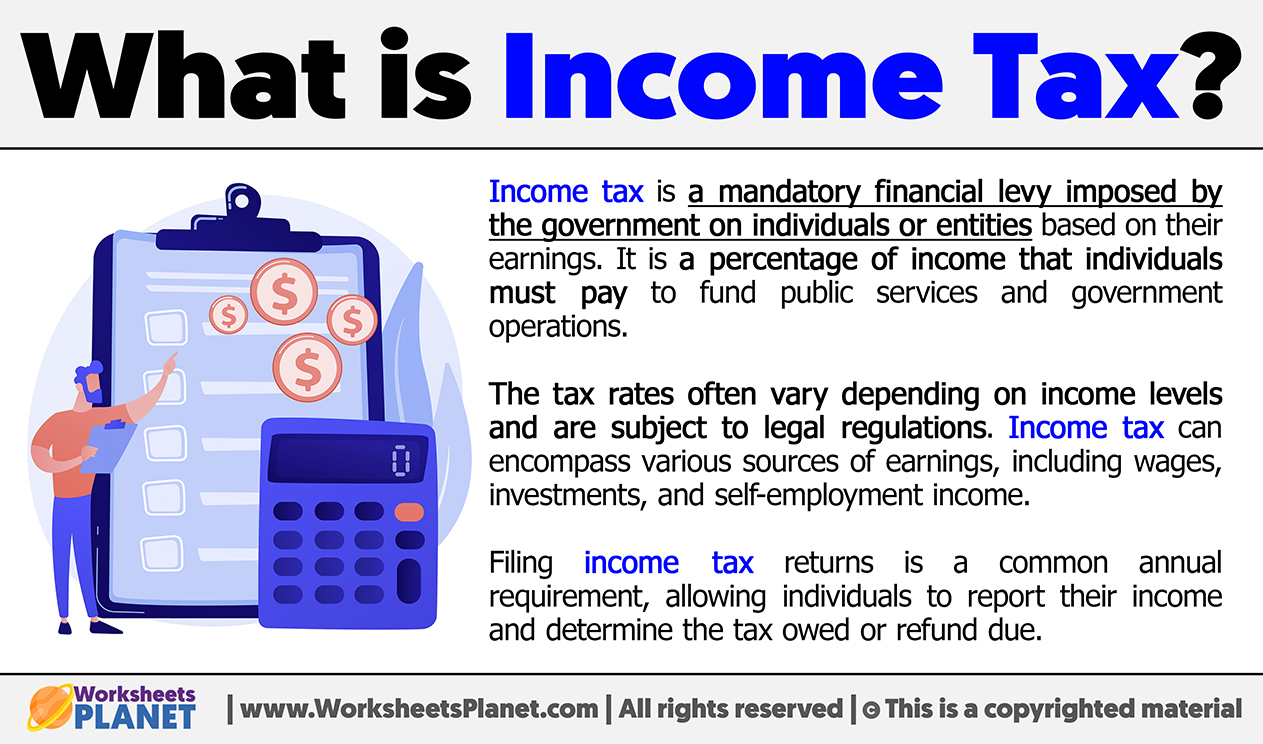
In essence, an income tax is a levy imposed by governments on the income earned by individuals and corporations. It’s a primary source of revenue for governments, funding essential public services like infrastructure, education, healthcare, and defense. For individuals, it represents a significant financial obligation, and comprehending its intricacies is vital for responsible financial planning and avoiding costly mistakes.
This article will delve into the fundamental aspects of income tax, drawing connections to the broader themes of technology, branding, and money management that define our digital economy. We’ll explore how income taxes function, the different types of income they apply to, and the factors that influence your tax liability.
The Mechanics of Income Tax: How it Works
At its core, income tax is a system of collecting a portion of the money people and businesses earn. This isn’t a one-size-fits-all scenario; the specific rules and regulations vary significantly from country to country, and even within different regions of a country. However, the underlying principle remains consistent: the more you earn, generally, the more tax you will owe.
Calculating Your Taxable Income
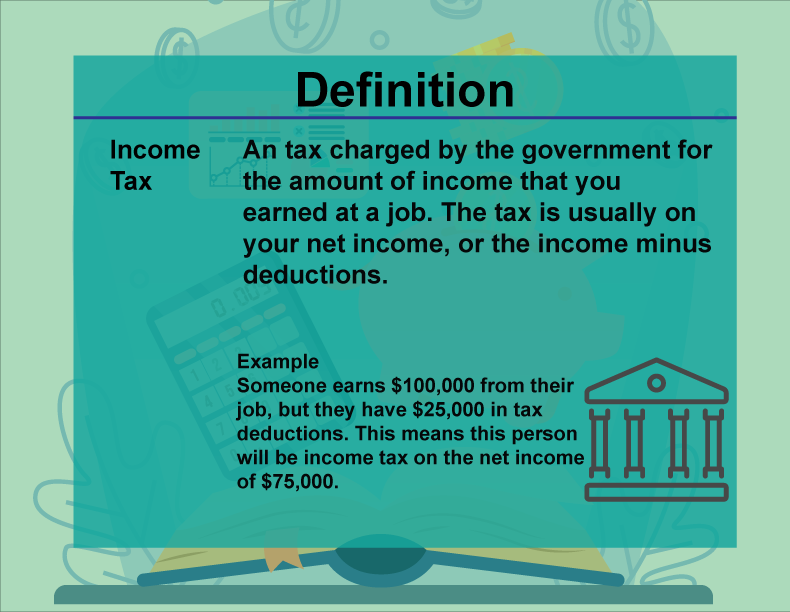
The first step in understanding your income tax is to determine your taxable income. This isn’t simply your gross earnings. Instead, it’s the portion of your income that is actually subject to taxation after certain deductions and exemptions have been applied.
- Gross Income: This is the total amount of money you earn from all sources before any deductions. For individuals, this can include wages, salaries, tips, bonuses, commissions, self-employment income, rental income, interest, dividends, and capital gains. For businesses, it includes revenue from sales of goods or services.
- Deductions: These are expenses that the government allows you to subtract from your gross income, thereby reducing your taxable income. There are two main categories of deductions:
- Above-the-line Deductions: These are subtractions made directly from your gross income to arrive at your Adjusted Gross Income (AGI). Examples often include contributions to traditional IRAs, student loan interest, and self-employment tax deductions.
- Below-the-line Deductions: These are taken from your AGI. Taxpayers typically choose between taking the standard deduction (a fixed amount set by the government based on filing status) or itemizing deductions (listing out specific deductible expenses). Itemizing is usually beneficial if your total itemized deductions exceed the standard deduction amount. Common itemized deductions include mortgage interest, state and local taxes (SALT), medical expenses exceeding a certain threshold, and charitable contributions.
The process of calculating taxable income is crucial. It directly impacts your tax liability, and understanding available deductions can lead to significant savings. This is where meticulous record-keeping, often facilitated by financial apps and software, becomes indispensable.
Tax Brackets and Rates: Progressive Taxation
Most income tax systems employ a progressive tax system. This means that as your income increases, the percentage of tax you pay on each additional dollar earned also increases. This is achieved through tax brackets.
- Tax Brackets: These are ranges of income that are taxed at specific rates. For instance, a country might have brackets like:
- 0-10% on the first $10,000 of income
- 12% on income between $10,001 and $40,000
- 22% on income between $40,001 and $85,000
- And so on.
It’s crucial to understand that you don’t pay the highest marginal tax rate on all your income. You only pay that rate on the portion of your income that falls within that specific bracket. For example, if your income is $50,000 and the brackets are as listed above, you’d pay 10% on the first $10,000, 12% on the next $30,000, and 22% on the final $10,000.
The concept of progressive taxation is designed to place a greater tax burden on those who can afford to pay more, aiming for a more equitable distribution of tax revenue. For individuals and businesses alike, understanding their position within these tax brackets is essential for accurate tax forecasting and budgeting.
Types of Income Subject to Taxation
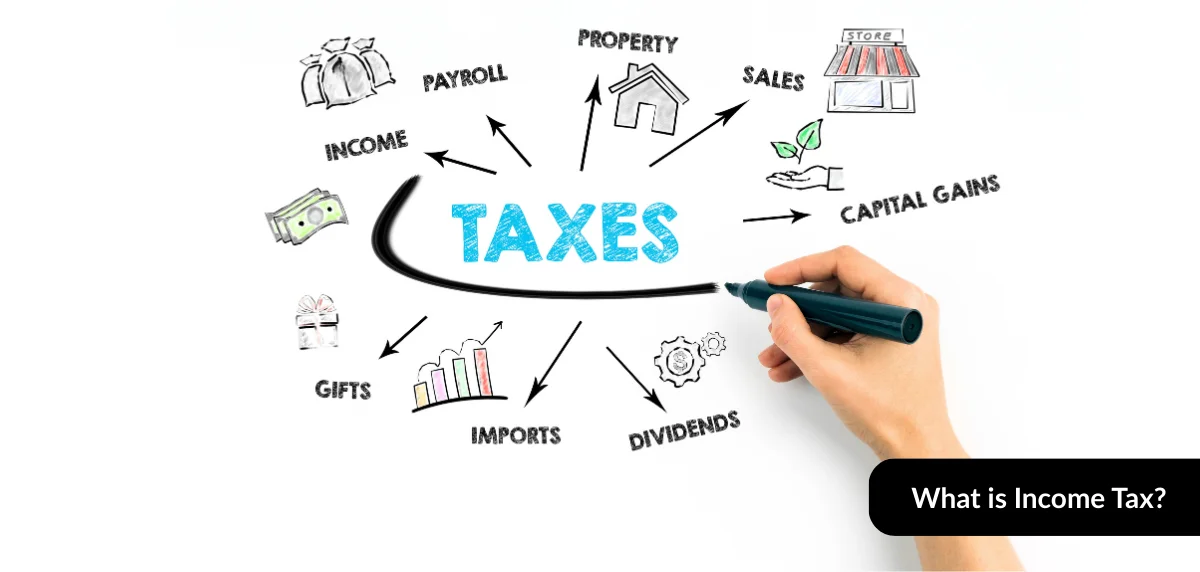
When we talk about income tax, it’s important to recognize that not all forms of income are treated the same. Different types of earnings can be subject to different tax rules, rates, and reporting requirements.
Earned Income vs. Unearned Income
A primary distinction is made between earned income and unearned income.
- Earned Income: This is income derived from labor or services performed. It includes wages, salaries, tips, commissions, bonuses, and self-employment income. This is the most common form of income for most individuals.
- Unearned Income: This is income that does not come from actively working. Examples include:
- Interest Income: Earnings from savings accounts, certificates of deposit (CDs), and bonds.
- Dividend Income: Payments made by corporations to their shareholders.
- Capital Gains: Profits realized from the sale of assets like stocks, bonds, or real estate for more than their purchase price. The tax treatment of capital gains often depends on how long you owned the asset (short-term vs. long-term).
- Rental Income: Money earned from renting out property.
- Royalties: Payments received for the use of intellectual property, such as copyrights or patents.
Understanding these distinctions is vital, particularly for those engaged in online income streams. A side hustle might generate a mix of earned income (from services) and unearned income (from affiliate marketing or digital product sales, which can have elements of capital gains or royalty-like structures).
Income for Individuals vs. Businesses
The way income is taxed also differs significantly between individuals and businesses.
- Individual Income Tax: This is what most people think of when they hear “income tax.” It’s levied on the personal earnings of individuals. In many countries, individuals have the option to file as single, married filing jointly, married filing separately, head of household, or qualifying widow(er), each with different tax implications and deductions.
- Business Income Tax: Corporations and other business entities are subject to corporate income tax on their profits. This tax is paid by the business itself before any profits are distributed to owners or shareholders. Small businesses structured as sole proprietorships or partnerships often have their business income “pass through” to the owners’ personal tax returns, meaning the owners pay individual income tax on that business profit.
The choice of business structure has profound implications for tax liability, and often requires consultation with financial and legal professionals. Technology plays a significant role here, with accounting software and platforms designed to streamline business finance and tax preparation.
Navigating Tax Season and Beyond
Tax season, typically the period leading up to the annual deadline for filing tax returns, can be a source of stress for many. However, by understanding the fundamentals and leveraging available resources, it can be a manageable and even beneficial process.
Filing Your Tax Return
The process of filing a tax return involves reporting your income, deductions, and tax liability to the government. This is typically done annually. The form used varies by country, but the core information remains the same.
- Tax Forms: These are standardized documents provided by tax authorities where you report your financial information.
- Filing Deadlines: These are the dates by which your tax return must be submitted to avoid penalties.
- Tax Payments and Refunds: If your tax liability exceeds the amount of taxes already withheld from your income (through payroll deductions or estimated tax payments), you’ll need to pay the difference. Conversely, if more taxes have been withheld than you owe, you’ll receive a tax refund.
The advent of digital tools and online filing systems has revolutionized tax season. Tax software, online tax preparation services, and even direct electronic filing through government portals make the process more accessible and efficient than ever before. For those running online businesses or earning income through side hustles, understanding how to accurately report these diverse income streams is crucial for timely and correct filing.
Tax Planning and Minimization Strategies
While taxes are a certainty, the amount you owe isn’t always fixed. Proactive tax planning can help you legally minimize your tax liability.
- Understanding Tax Credits: Unlike deductions, which reduce your taxable income, tax credits directly reduce the amount of tax you owe. Some credits are refundable, meaning you can get them back as a refund even if you don’t owe any tax. Examples often include credits for education expenses, child care, or energy-efficient home improvements.
- Retirement Accounts: Contributions to tax-advantaged retirement accounts like 401(k)s (in the US) or similar plans in other countries can often be tax-deductible or grow tax-deferred, significantly reducing your current and future tax burden.
- Investment Strategies: The way you invest can impact your tax liability, particularly with capital gains and dividends. Understanding tax-loss harvesting and the differences between taxable and tax-advantaged investment accounts is important.
- Business Structure Decisions: As mentioned earlier, the legal structure of your business can have significant tax implications. Consulting with a tax professional to choose the most tax-efficient structure is a key planning step.
In today’s interconnected world, your financial strategy, including your tax approach, is deeply intertwined with technology and your personal brand. A strong online presence and a reputation for responsible financial management can open doors to new income opportunities, all of which need to be considered within the framework of your tax obligations. By embracing the tools and knowledge available, you can transform the often-daunting prospect of income tax into a manageable and even advantageous part of your financial journey.
aViewFromTheCave is a participant in the Amazon Services LLC Associates Program, an affiliate advertising program designed to provide a means for sites to earn advertising fees by advertising and linking to Amazon.com. Amazon, the Amazon logo, AmazonSupply, and the AmazonSupply logo are trademarks of Amazon.com, Inc. or its affiliates. As an Amazon Associate we earn affiliate commissions from qualifying purchases.