
In today’s hyper-connected and rapidly evolving business landscape, efficiency, integration, and intelligent decision-making are no longer mere aspirations – they are the cornerstones of survival and success. Businesses of all sizes are constantly seeking ways to streamline their operations, gain deeper insights into their performance, and adapt swiftly to market dynamics. This is precisely where an Enterprise Resource Planning (ERP) solution emerges as a transformative technology, promising to orchestrate the complex symphony of a modern enterprise.
But what exactly constitutes an ERP solution? Far from being a single piece of software, an ERP is a powerful, integrated system designed to manage and automate a company’s core business processes across various departments. It acts as the central nervous system of an organization, connecting disparate functions like finance, human resources, manufacturing, supply chain, services, procurement, and more into a unified and cohesive platform. The ultimate goal? To provide a single source of truth, enhance operational visibility, and empower businesses with the data-driven insights needed to thrive.
The Core Functionality of an ERP Solution
At its heart, an ERP solution is built upon the principle of integration. Instead of relying on separate, siloed applications for each business function, an ERP brings them together into a shared database and a common interface. This fundamental shift unlocks a cascade of benefits, fundamentally altering how businesses operate.
1. Streamlined Operations and Automation
Imagine a scenario where your sales team closes a deal, and this information automatically updates inventory levels, triggers a production order, and initiates an invoicing process in the finance department, all without manual data re-entry. This is the power of ERP integration. By automating routine tasks and workflows, ERP solutions:
- Reduce Manual Errors: Eliminating human touchpoints in repetitive processes significantly minimizes the risk of costly mistakes.
- Increase Speed and Efficiency: Tasks that once took days or weeks can be completed in hours or minutes, accelerating business cycles.
- Improve Data Accuracy and Consistency: A single, shared database ensures that everyone is working with the most up-to-date and accurate information, fostering trust and reliability.
- Enhance Collaboration: With shared access to real-time data, departments can collaborate more effectively, breaking down communication barriers and fostering a more cohesive work environment.
2. Enhanced Visibility and Real-time Insights
One of the most significant advantages of an ERP solution is its ability to provide unparalleled visibility into every facet of the business. Gone are the days of waiting for month-end reports or struggling to piece together information from various spreadsheets. An ERP offers:
- Centralized Data Repository: All critical business data resides in one secure and accessible location, providing a holistic view of operations.
- Real-time Reporting and Analytics: Dashboards and reporting tools offer up-to-the-minute insights into key performance indicators (KPIs), allowing for agile decision-making.
- Predictive Analytics: Leveraging AI and machine learning capabilities, some advanced ERPs can even forecast future trends, identify potential bottlenecks, and suggest proactive solutions.
- Improved Decision-Making: With accurate and timely data at their fingertips, managers and executives can make more informed and strategic decisions, leading to better outcomes.
3. Integrated Modules for Comprehensive Management
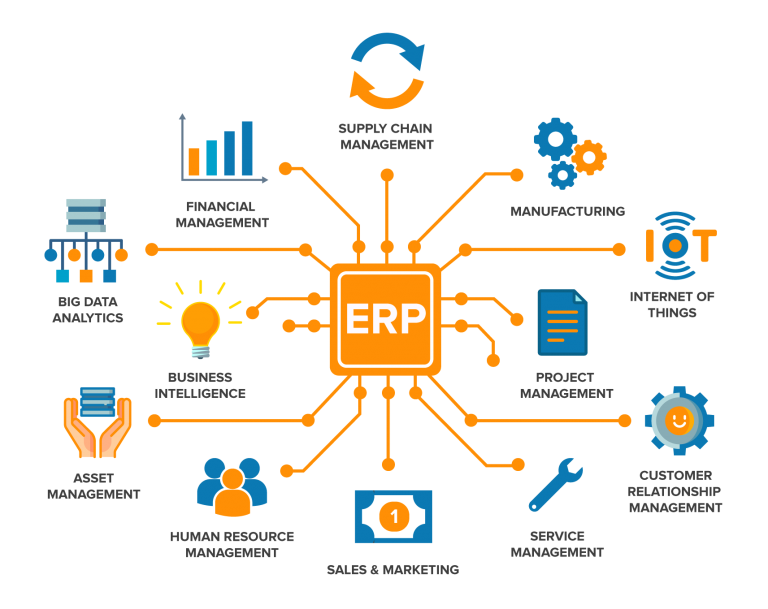
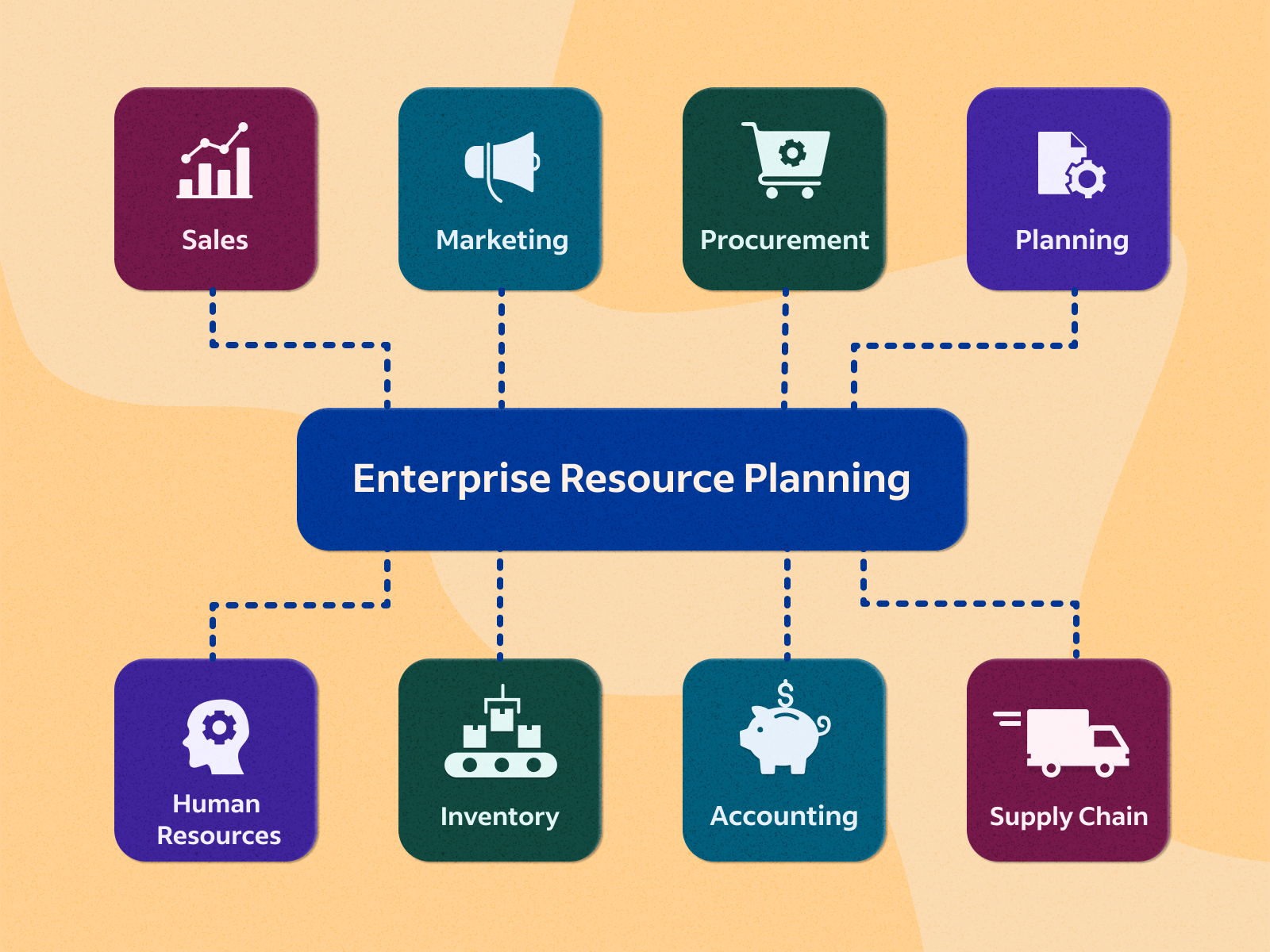
An ERP solution is typically composed of various interconnected modules, each catering to a specific business function. While the exact modules can vary depending on the vendor and the specific needs of an organization, some of the most common include:
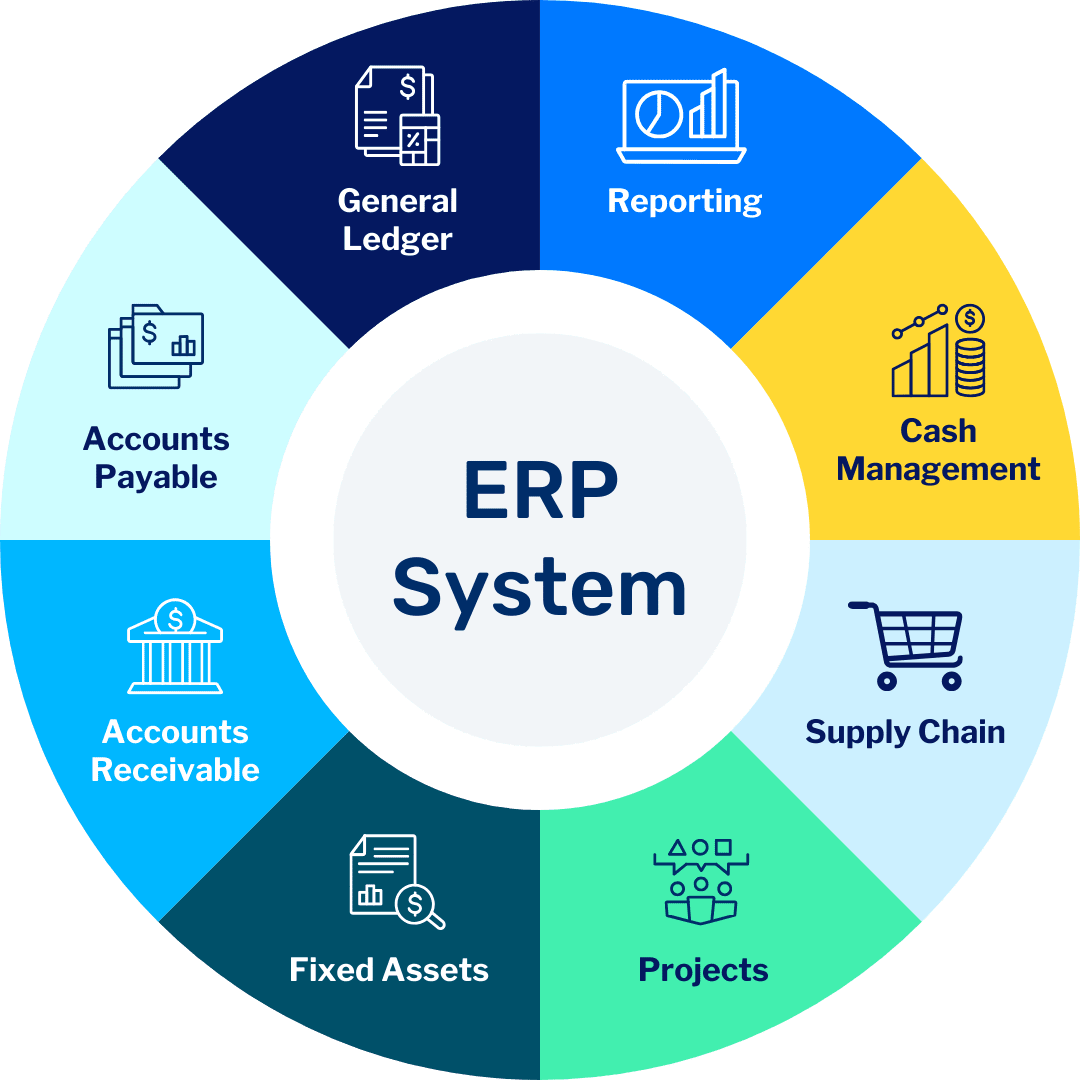
- Financial Management: This module handles all aspects of accounting, including general ledger, accounts payable, accounts receivable, budgeting, and financial reporting. It ensures compliance with financial regulations and provides a clear picture of the company’s financial health.
- Human Resources (HR) Management: From payroll processing and benefits administration to employee onboarding and performance management, the HR module streamlines all HR-related activities, ensuring compliance and fostering employee engagement.
- Supply Chain Management (SCM): This module oversees the entire supply chain, from procurement of raw materials to inventory management, warehousing, logistics, and distribution. It optimizes inventory levels, reduces lead times, and improves customer satisfaction.
- Manufacturing/Production Management: For businesses involved in manufacturing, this module manages production planning, scheduling, material requirements planning (MRP), quality control, and shop floor operations. It ensures efficient production processes and adherence to quality standards.
- Customer Relationship Management (CRM): While often a standalone system, many ERPs integrate CRM functionalities to manage sales pipelines, customer interactions, marketing campaigns, and customer service, fostering stronger customer relationships.
- Procurement: This module manages the purchasing process, including vendor management, purchase order creation, and invoice processing, ensuring efficient and cost-effective sourcing of goods and services.
- Project Management: For companies that undertake projects, this module helps in planning, executing, and monitoring project timelines, resources, and budgets.
The true power of an ERP lies in the seamless flow of information between these modules. A sale recorded in CRM automatically impacts inventory in SCM and generates revenue in Financial Management, creating a connected and responsive business ecosystem.
The Strategic Advantages of Implementing an ERP Solution
Beyond the immediate operational benefits, adopting an ERP solution offers profound strategic advantages that can shape a company’s long-term trajectory.
Leveraging Technology for Competitive Edge
In the realm of Tech, ERP solutions are at the forefront of digital transformation. They act as a robust foundation upon which businesses can build and leverage advanced technologies.
- AI and Machine Learning Integration: Modern ERPs are increasingly incorporating AI and machine learning capabilities. This allows for predictive analytics, intelligent automation of complex tasks, anomaly detection, and personalized customer experiences. For example, AI can predict demand fluctuations, optimize inventory levels, or identify potential fraud in financial transactions.
- Cloud Computing: The shift towards cloud-based ERP solutions offers scalability, flexibility, and accessibility. Businesses can access their ERP system from anywhere, at any time, and easily scale their resources up or down as needed, without significant upfront hardware investments. This agility is crucial in today’s dynamic market.
- Data Analytics and Business Intelligence: ERP systems generate vast amounts of data. Advanced analytics tools within or integrated with the ERP transform this raw data into actionable insights. This empowers businesses to identify trends, understand customer behavior, optimize pricing strategies, and pinpoint areas for improvement, giving them a significant competitive edge.
- Internet of Things (IoT) Integration: For manufacturing and logistics, integrating ERP with IoT devices can provide real-time data from machinery, sensors, and vehicles. This enables proactive maintenance, optimized asset utilization, and enhanced supply chain visibility, leading to increased efficiency and reduced downtime.
Strengthening Brand Reputation and Corporate Identity
From a Brand perspective, an ERP solution plays a critical role in building a reputation for reliability, transparency, and customer-centricity.
- Consistent Customer Experience: By integrating CRM and other customer-facing functions, ERP ensures that every customer interaction, from initial inquiry to post-purchase support, is consistent and well-managed. This leads to higher customer satisfaction and loyalty, a key pillar of a strong brand.
- Operational Excellence and Reliability: A well-functioning ERP system drives operational efficiency, reduces errors, and ensures timely delivery of products and services. This reliability directly translates into a positive brand perception among customers, partners, and stakeholders.
- Data-Driven Marketing and Personalization: Insights derived from ERP data can inform highly targeted marketing campaigns and personalized customer experiences. Understanding customer preferences and purchase history allows brands to deliver relevant offers and communications, strengthening customer engagement and brand affinity.
- Corporate Social Responsibility (CSR) and Sustainability: ERP systems can track and manage aspects related to sustainability, such as resource consumption, waste generation, and ethical sourcing. Demonstrating a commitment to these areas can significantly enhance a company’s corporate identity and appeal to socially conscious consumers and investors.
- Reputation Management: By providing accurate and timely information, an ERP helps in managing public perception. In case of issues, having a unified system allows for quick and coordinated responses, minimizing reputational damage.
Optimizing Financial Performance and Driving Growth
In the Money domain, an ERP solution is an indispensable tool for financial control, profitability, and strategic investment.
- Improved Financial Planning and Budgeting: With real-time financial data and forecasting capabilities, businesses can create more accurate budgets, track spending against targets, and identify potential financial shortfalls or opportunities early on.
- Enhanced Cash Flow Management: ERP modules provide clear visibility into accounts receivable and payable, enabling businesses to optimize cash flow, reduce late payments, and secure favorable payment terms with suppliers.
- Cost Reduction and Profitability Analysis: By providing detailed cost breakdowns across departments and product lines, ERP solutions help businesses identify areas of inefficiency and high expenditure. This allows for targeted cost-reduction initiatives and a more accurate understanding of product and service profitability.
- Streamlined Auditing and Compliance: A well-implemented ERP system creates an auditable trail of all financial transactions, making it easier to comply with regulatory requirements and pass audits with greater confidence.
- Informed Investment Decisions: With a comprehensive view of financial performance and market trends, businesses can make more strategic investment decisions, whether it’s investing in new technology, expanding into new markets, or acquiring other companies.
- Support for Online Income and E-commerce: For businesses with online sales channels, ERP integration ensures that online orders are seamlessly processed, inventory is accurately managed, and customer data is captured, contributing to efficient online income generation.
The Evolution of ERP: From On-Premise to Cloud and Beyond
The journey of ERP solutions has been one of continuous evolution, mirroring the broader technological advancements.
The Rise of Cloud ERP
Initially, ERP systems were primarily installed on-premises, requiring significant upfront investments in hardware and IT infrastructure. However, the advent of cloud computing revolutionized the ERP landscape. Cloud ERP solutions offer:
- Reduced Infrastructure Costs: Eliminating the need for on-site servers and maintenance.
- Scalability and Flexibility: Easily adjusting resources to meet changing business needs.
- Automatic Updates and Maintenance: Vendors handle software updates and security patches.
- Remote Accessibility: Access from any device with an internet connection.
- Faster Deployment: Quicker implementation compared to on-premise solutions.
This shift to the cloud has made sophisticated ERP capabilities accessible to a wider range of businesses, including small and medium-sized enterprises (SMEs) that may not have had the resources for traditional on-premise deployments.
The Future of ERP: Intelligent and Connected
Looking ahead, the future of ERP solutions is characterized by increased intelligence, greater connectivity, and a more pervasive integration into the fabric of business operations. We can expect to see:
- Ubiquitous AI Integration: AI will become even more deeply embedded, driving predictive capabilities, hyper-personalization, and intelligent automation across all modules.
- Enhanced Interoperability: ERP systems will become more adept at integrating with a wider array of external applications and platforms, creating even more seamless data flows and extended business ecosystems.
- Focus on User Experience: As technology becomes more complex, there will be a greater emphasis on intuitive and user-friendly interfaces, making ERP systems more accessible and easier to navigate for all employees.
- Industry-Specific Solutions: While many ERPs offer broad functionality, the trend towards highly specialized, industry-specific ERP solutions tailored to the unique needs of sectors like healthcare, construction, or retail will continue to grow.
Choosing the Right ERP Solution
Selecting the right ERP solution is a critical decision that requires careful consideration. It’s not a one-size-fits-all scenario. Businesses must:
- Define their specific business needs and objectives.
- Evaluate different ERP vendors and their offerings.
- Consider the scalability, flexibility, and integration capabilities of the system.
- Assess the total cost of ownership, including implementation, customization, and ongoing support.
- Prioritize user-friendliness and the availability of training and support resources.
In conclusion, an ERP solution is far more than just software; it’s a strategic imperative for businesses aiming to achieve operational excellence, drive innovation, and secure a competitive advantage in today’s complex and interconnected global marketplace. By unifying processes, providing real-time insights, and leveraging cutting-edge technology, an ERP empowers organizations to navigate challenges, seize opportunities, and ultimately, build a more resilient, efficient, and prosperous future.
aViewFromTheCave is a participant in the Amazon Services LLC Associates Program, an affiliate advertising program designed to provide a means for sites to earn advertising fees by advertising and linking to Amazon.com. Amazon, the Amazon logo, AmazonSupply, and the AmazonSupply logo are trademarks of Amazon.com, Inc. or its affiliates. As an Amazon Associate we earn affiliate commissions from qualifying purchases.