
The term “Asperger’s Syndrome” has, for many years, been a familiar label in discussions surrounding neurological differences. While it’s no longer a distinct diagnosis in the current diagnostic manual, its legacy and the experiences of individuals who were diagnosed under its umbrella continue to be highly relevant. This article aims to explore what Asperger’s Syndrome represented, the characteristics associated with it, and how individuals who identify with these traits navigate the modern world, particularly within the domains of technology, branding, and finance.
Decoding the Nuances: What Asperger’s Syndrome Entailed
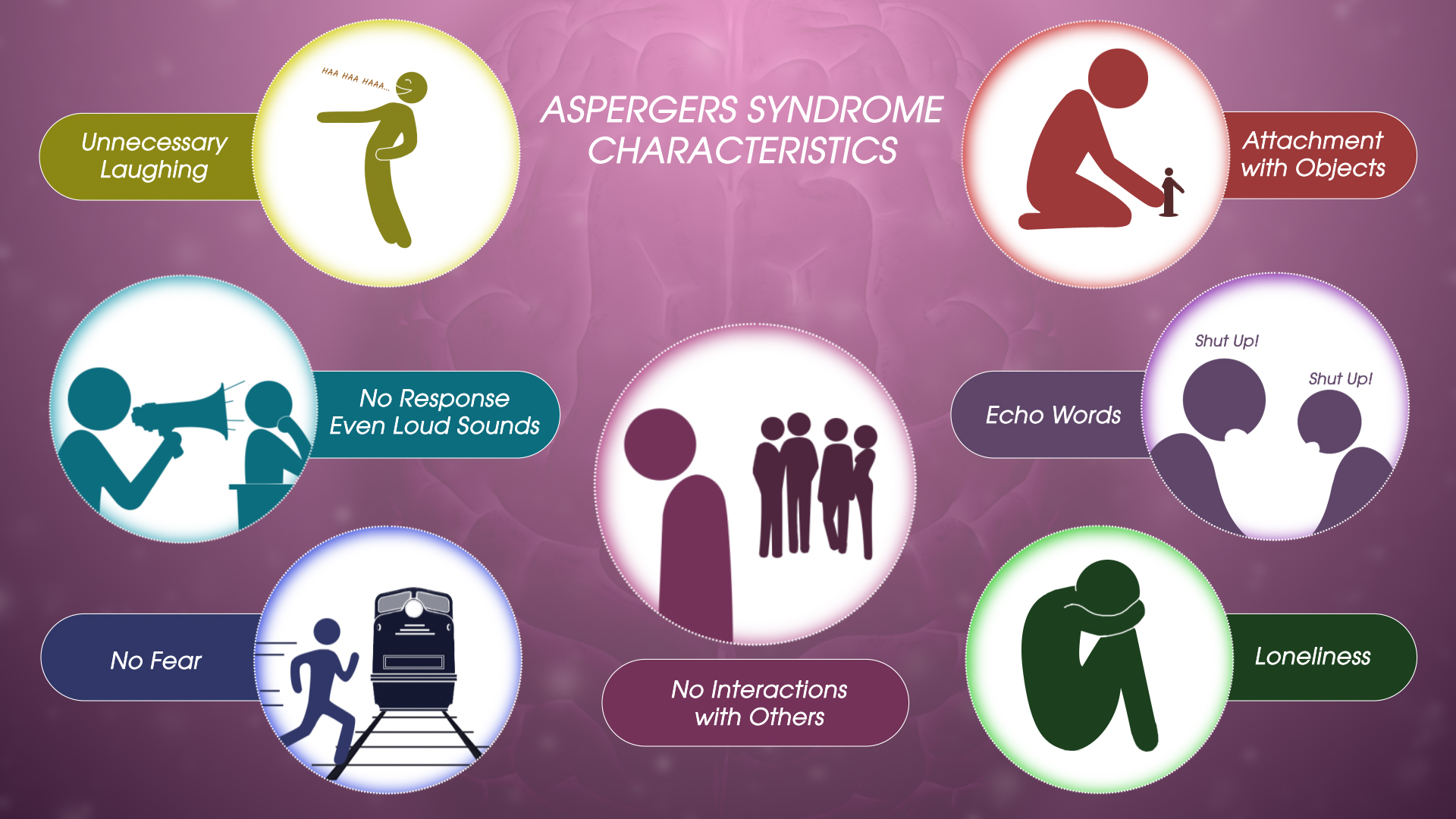
Historically, Asperger’s Syndrome was categorized as a developmental disorder on the autism spectrum. It was characterized by significant challenges in social interaction and nonverbal communication, alongside restricted and repetitive patterns of behavior, interests, and activities. However, a key distinction often drawn was that individuals with Asperger’s typically did not experience significant delays in language development or cognitive abilities. This meant they often possessed average to above-average intelligence and could articulate their thoughts, albeit sometimes in a manner that differed from neurotypical communication styles.

Social and Communication Differences
One of the hallmark features of what was once diagnosed as Asperger’s Syndrome is the presence of difficulties in understanding and navigating social cues. This can manifest in several ways:
- Literal Interpretation: Individuals might interpret language very literally, struggling with sarcasm, irony, metaphors, or figurative speech. This can lead to misunderstandings and a feeling of being out of sync in conversations.
- Challenges with Nonverbal Communication: Reading and using nonverbal cues like body language, facial expressions, and tone of voice can be challenging. This can make it difficult to interpret emotions, understand social hierarchies, or engage in reciprocal conversation.
- Difficulty with Social Reciprocity: Initiating and maintaining social interactions, understanding social boundaries, and responding appropriately to social overtures can be a source of stress and confusion. This doesn’t stem from a lack of desire for connection, but rather from a different understanding of how social interactions function.
- Intense Focus on Specific Interests: A common characteristic is a deep and often encyclopedic interest in particular subjects. This can lead to profound knowledge and expertise in these areas, which can be both a strength and, at times, a social hurdle if the interest dominates conversations to the exclusion of others’ contributions.
Behavioral Patterns and Sensory Sensitivities
Beyond social and communication aspects, individuals often presented with:
- Repetitive Behaviors: This could include repetitive motor movements (stimming) like hand-flapping, or a strong preference for routine and predictability. Deviations from routine can cause significant distress.
- Sensory Sensitivities: Many individuals experience heightened or diminished sensitivity to sensory input such as light, sound, touch, taste, or smell. This can lead to overwhelm in certain environments or a seeking out of specific sensory experiences.
- Unusual Speech Patterns: While language development is typically not delayed, speech might sometimes be characterized by a formal or pedantic tone, or an unusual rhythm and pitch.
It’s crucial to remember that Asperger’s Syndrome existed on a spectrum, meaning the manifestation and intensity of these traits varied significantly from person to person. The diagnosis aimed to provide a framework for understanding these differences and for offering support. Today, these characteristics are often encompassed within the broader diagnosis of Autism Spectrum Disorder (ASD), with varying levels of support needs.
Navigating the Digital Frontier: Technology and Asperger’s Traits
The world of technology, with its structured logic, clear rules, and often predictable interfaces, can be a surprisingly natural fit for many individuals who previously would have been diagnosed with Asperger’s Syndrome. The inherent order and the ability to delve deeply into specific subjects align well with common neurodivergent strengths.
The Appeal of Structured Systems
Technology trends, software development, and the intricacies of AI tools often appeal to a desire for logical problem-solving and the mastery of complex systems. The absence of ambiguous social rules in a well-designed piece of software, for instance, can be a welcome relief compared to the often unpredictable nature of human interaction.

- Deep Dive into Expertise: The ability to focus intensely on a specific interest, a hallmark of Asperger’s, translates directly into the capacity to become a highly skilled programmer, data analyst, cybersecurity expert, or AI specialist. These fields reward in-depth knowledge and the meticulous attention to detail that many neurodivergent individuals possess.
- The Power of Digital Security: For those who thrive on order and the identification of patterns, digital security can be a fascinating and fulfilling area. The logical framework of encryption, vulnerability analysis, and threat detection offers a tangible and rule-based challenge.
- Productivity through Precision: Productivity tools, from project management software to specialized apps designed for focus and organization, can be instrumental in helping individuals manage tasks and information efficiently. The clarity and structure these tools provide can mitigate some of the executive functioning challenges that may co-occur.
- AI as a Tool for Understanding and Connection: Artificial intelligence, in its various forms, offers intriguing possibilities. AI tools that can analyze data, automate repetitive tasks, or even provide structured communication support can be incredibly valuable. For individuals who find direct social interaction taxing, AI-powered communication aids or virtual assistants might offer a bridge. Furthermore, the development of AI itself often requires a deep understanding of logic and patterns, areas where neurodivergent minds often excel.
- Gadgets and the Tangible: The concrete nature of gadgets and hardware can also be appealing. Understanding how devices work, troubleshooting technical issues, and exploring new technologies offers a realm of predictable cause-and-effect that can be very satisfying.
However, the tech industry also presents its own social dynamics. While the work itself might be a natural fit, navigating team collaborations, understanding office politics, and engaging in casual workplace banter can still pose challenges. Awareness and the implementation of inclusive practices within tech companies are crucial for harnessing the full potential of neurodivergent talent.
Crafting a Narrative: Branding and Personal Identity
The concept of branding, whether personal or corporate, involves understanding and communicating value, identity, and purpose. For individuals who identify with traits associated with Asperger’s Syndrome, approaching branding can be approached with a unique perspective, often focusing on authenticity and a clear articulation of strengths.
Authenticity in Brand Strategy
In the realm of brand strategy and personal branding, the common advice is often to “be authentic.” For individuals who may have struggled with masking or conforming to social expectations, this can be a liberating principle.
- Focus on Expertise and Value: Instead of relying on broad social appeal, a personal brand can be built around genuine expertise and the unique value proposition an individual offers. This aligns perfectly with the deep, focused interests often seen in individuals with Asperger’s traits. A personal brand that highlights specialized knowledge in a niche tech area, for example, can be incredibly powerful.
- Clear and Direct Communication: Corporate identity and marketing often benefit from clear, unambiguous messaging. This mirrors the literal communication style that can be a characteristic of Asperger’s. A brand that values transparency, precision, and factual accuracy will likely resonate well.
- Case Studies as Proof of Concept: Presenting case studies that demonstrate tangible results and the successful application of skills is a powerful branding tool. This approach leverages the focus on evidence and logic, allowing individuals to showcase their capabilities without relying solely on interpersonal charisma.
- Reputation Built on Reliability and Skill: For many, reputation is built on consistent performance and demonstrable skill. This is an area where individuals with Asperger’s traits can excel. A reputation for meticulous work, innovative problem-solving, and unwavering reliability can be a cornerstone of a strong personal or corporate brand.
- Design and Structure: The visual aspects of branding, such as design and corporate identity, can also be approached with a preference for order and clarity. Clean lines, logical layouts, and consistent visual themes can be particularly effective.
The challenge in branding for neurodivergent individuals often lies in the social aspects of networking and self-promotion. Building genuine connections through shared interests, rather than forced small talk, can be a more effective strategy. Online platforms, where communication can be more deliberate and asynchronous, can also be a valuable tool for establishing a brand presence.
Financial Foundations: Money Management and Investment Strategies
The principles of personal finance, investing, and business finance often rely on logic, data analysis, and strategic planning – all areas where individuals with Asperger’s traits can demonstrate significant aptitude.
The Logic of Financial Planning
The systematic nature of financial management, with its clear rules and measurable outcomes, can be very appealing.
- Personal Finance and Budgeting: The structured approach required for budgeting and managing personal finances can be a natural fit. Creating clear spreadsheets, tracking expenses meticulously, and setting achievable financial goals aligns with a preference for order and control.
- Investing with Data: Investment strategies often thrive on research, data analysis, and long-term planning. The ability to focus on specific market trends, analyze company reports, and make informed decisions based on evidence is a significant advantage. This can lead to successful investing strategies that are less influenced by emotional market fluctuations.
- Online Income and Side Hustles: The online world offers numerous opportunities for income generation that can be pursued with a high degree of independence and focus. From freelance work in specialized fields to managing online stores or creating digital products, these avenues can leverage unique skills and interests.
- Business Finance and Financial Tools: For entrepreneurs or those in business, understanding business finance is crucial. The ability to analyze financial statements, manage cash flow, and utilize financial tools for forecasting and reporting can be a significant asset. The meticulous attention to detail that may characterize Asperger’s can prevent costly errors and lead to more robust financial management.
- The Appeal of Financial Tools: Specialized financial tools, from budgeting apps to sophisticated trading platforms, offer structured ways to interact with money and investments. The clear interfaces and data-driven insights provided by these tools can be highly beneficial.
The potential for emotional decision-making in finance can be a pitfall for anyone, but for individuals who may process information more analytically, the temptation to make impulsive decisions based on fear or excitement might be reduced. This can lead to more disciplined and strategic financial management. However, it’s also important to acknowledge that some individuals may struggle with executive functioning aspects that impact long-term planning or impulsivity control. Seeking professional financial advice and utilizing tools that provide structure can be highly beneficial.
In conclusion, while the diagnostic label of Asperger’s Syndrome may have evolved, the understanding of the neurodivergent traits it described remains vital. By recognizing and leveraging these strengths within the domains of technology, branding, and finance, individuals can not only navigate the world more effectively but also thrive, contributing their unique perspectives and exceptional talents to society. The key lies in fostering an environment of understanding, acceptance, and tailored support that allows these remarkable minds to flourish.
aViewFromTheCave is a participant in the Amazon Services LLC Associates Program, an affiliate advertising program designed to provide a means for sites to earn advertising fees by advertising and linking to Amazon.com. Amazon, the Amazon logo, AmazonSupply, and the AmazonSupply logo are trademarks of Amazon.com, Inc. or its affiliates. As an Amazon Associate we earn affiliate commissions from qualifying purchases.