
Atrial Fibrillation, or AFib, is a common type of irregular heartbeat that can significantly impact an individual’s health and well-being. While the term itself might sound intimidating, understanding its definition, causes, symptoms, and implications is crucial for proactive health management. In the context of our website, which explores the intersection of technology, brand, and money, understanding AFib takes on a multifaceted dimension. It’s not just about the medical definition; it’s about how technology can help us detect, manage, and even prevent it, how personal and corporate brands are increasingly focusing on health and wellness, and the significant financial implications associated with managing this condition.
Understanding the Mechanics of AFib: When the Heart’s Rhythm Falters
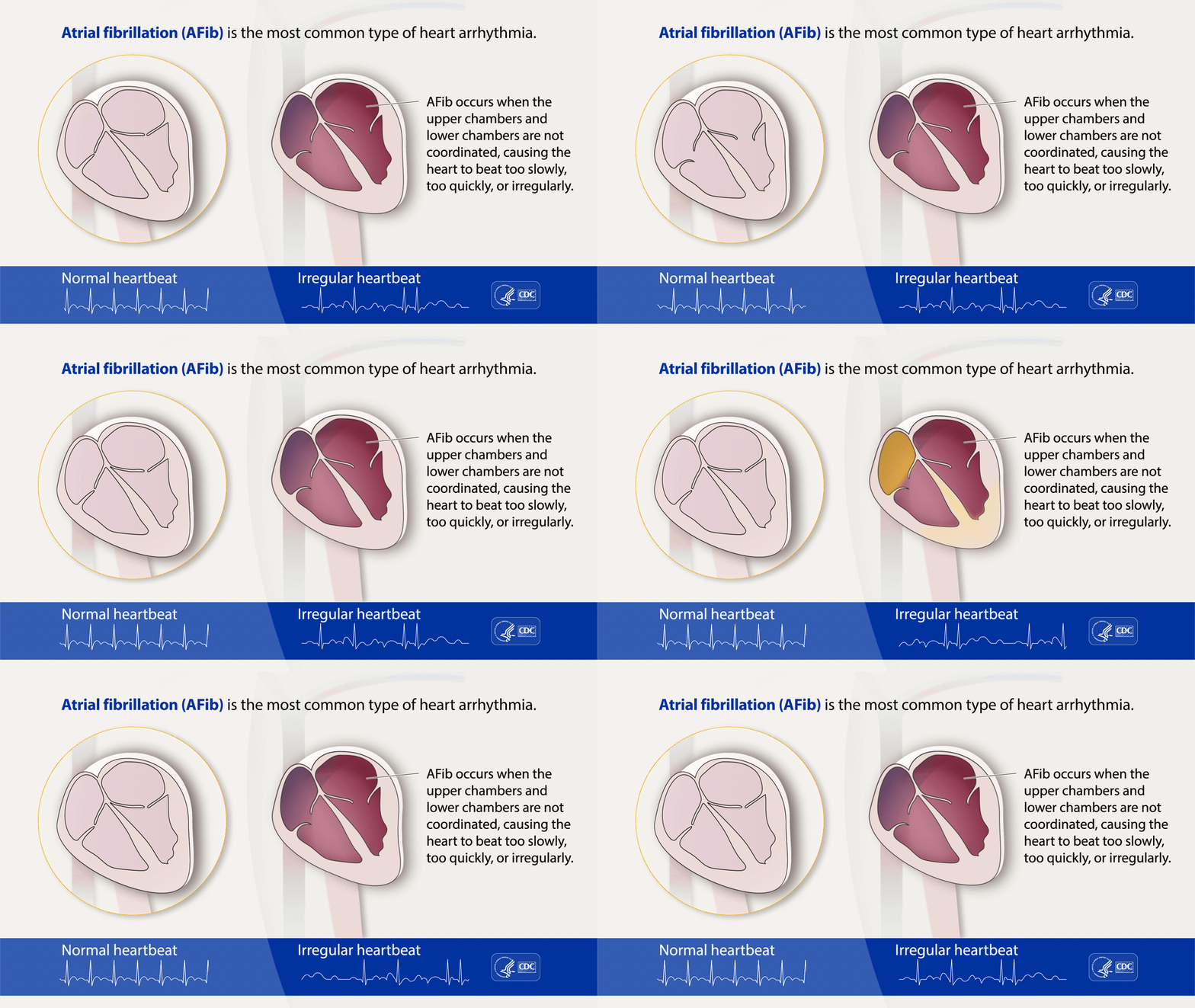
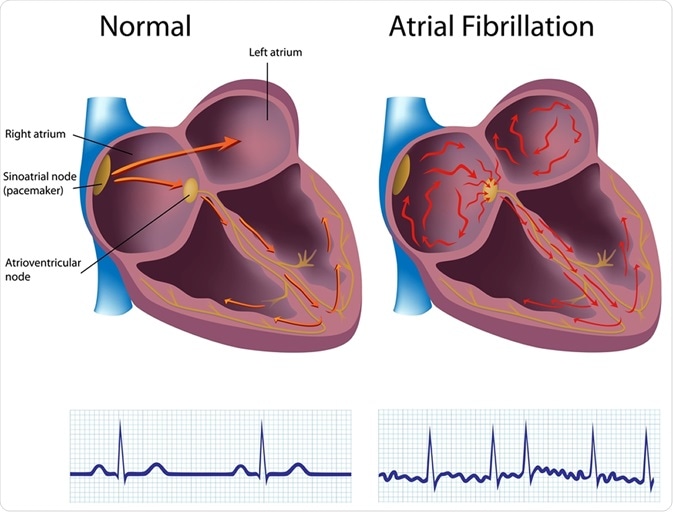
To define AFib, we must first understand the normal electrical activity of the heart. The heart has a natural pacemaker, the sinoatrial (SA) node, located in the upper right chamber of the heart, called the right atrium. This node generates electrical impulses that travel across the atria, causing them to contract and pump blood into the ventricles. The impulses then pass through the atrioventricular (AV) node, which relays them to the ventricles, causing them to contract and pump blood to the rest of the body. This coordinated electrical activity results in a regular heartbeat.
In AFib, this electrical signaling becomes chaotic. Instead of a single, organized impulse from the SA node, the atria begin to receive multiple, disorganized electrical signals from various points within the atria. This leads to rapid, irregular, and often uncoordinated contractions of the atria. Think of it like a conductor losing control of the orchestra; instead of a harmonious melody, you get a cacophony of sounds.
The Atria’s Unsettled Rhythm: A Deeper Dive
The primary characteristic of AFib is the disarray in the atria. Instead of a strong, unified squeeze, the atria quiver or “fibrillate” chaotically. This fibrillation means the atria are not effectively pumping blood into the ventricles. This has several significant consequences:
- Reduced Blood Ejection: Because the atria are not contracting properly, less blood is pumped into the ventricles with each beat. This can lead to a decrease in the heart’s overall efficiency and may cause symptoms like fatigue and shortness of breath.
- Irregular Ventricular Response: The AV node, normally acting as a gatekeeper for electrical signals, is bombarded with these disorganized impulses from the atria. While it tries to filter these signals to prevent the ventricles from beating too rapidly, it often allows a rapid and irregular pattern of ventricular contractions to pass through. This is what translates to the irregular pulse that is a hallmark of AFib. The heart rate can fluctuate wildly, sometimes exceeding 100 beats per minute even at rest, and at other times dropping significantly.
- Blood Clot Formation: The stasis of blood within the poorly contracting atria creates a breeding ground for blood clots. These clots can form in the left atrial appendage, a small pouch that extends from the left atrium. If a clot breaks off and enters the bloodstream, it can travel to other parts of the body, most notably the brain, leading to a stroke. This is one of the most serious complications of AFib.
Triggers and Risk Factors: Why Does the Rhythm Break?
While the exact cause of AFib is not always clear, a variety of factors can trigger or increase an individual’s risk of developing this condition. Understanding these can empower individuals to make lifestyle changes and seek early medical intervention.
Underlying Health Conditions: The Silent Culprits
Several pre-existing medical conditions can contribute to the development of AFib. These often involve changes in the heart’s structure or function, or conditions that put strain on the cardiovascular system.
- Hypertension (High Blood Pressure): Chronically high blood pressure forces the heart to work harder, leading to thickening and enlargement of the heart chambers, particularly the atria. This structural change can disrupt the normal electrical pathways, making AFib more likely.
- Coronary Artery Disease (CAD): Narrowed or blocked arteries in the heart can damage heart muscle, leading to scar tissue that can interfere with electrical signals. Previous heart attacks are also a significant risk factor.
- Heart Failure: When the heart cannot pump blood effectively, it can lead to changes in heart size and pressure, increasing the risk of arrhythmias like AFib.
- Valvular Heart Disease: Problems with the heart valves, such as mitral valve prolapse or stenosis, can alter blood flow and put strain on the atria, promoting the development of AFib.
- Thyroid Disorders: Both an overactive thyroid (hyperthyroidism) and, less commonly, an underactive thyroid (hypothyroidism) can affect heart rate and rhythm.
- Diabetes: Diabetes can damage blood vessels and nerves throughout the body, including those that regulate heart function.
Lifestyle and Environmental Factors: External Influences
Beyond underlying medical conditions, certain lifestyle choices and environmental factors can also play a role in AFib development.
- Age: The risk of AFib increases significantly with age. Many individuals diagnosed with AFib are over the age of 60.
- Obesity: Excess body weight can strain the heart and is often associated with other AFib risk factors like hypertension and sleep apnea.
- Sleep Apnea: This condition, characterized by repeated pauses in breathing during sleep, can lead to fluctuations in oxygen levels and blood pressure, stressing the heart.
- Alcohol Consumption: Excessive alcohol intake, particularly binge drinking, can trigger AFib episodes. This is sometimes referred to as “holiday heart syndrome.”
- Stimulants: The use of recreational drugs or even excessive caffeine can sometimes trigger AFib in susceptible individuals.
- Electrolyte Imbalances: Abnormal levels of electrolytes like potassium and magnesium can disrupt the heart’s electrical activity.
The Impact of AFib: Beyond the Diagnosis
The implications of AFib extend far beyond a mere medical diagnosis. They touch upon an individual’s quality of life, their financial well-being, and the evolving landscape of healthcare technology.
Symptoms and Quality of Life: Living with an Irregular Beat
The symptoms of AFib can vary greatly from person to person. Some individuals may experience no symptoms at all, while others can have debilitating ones.
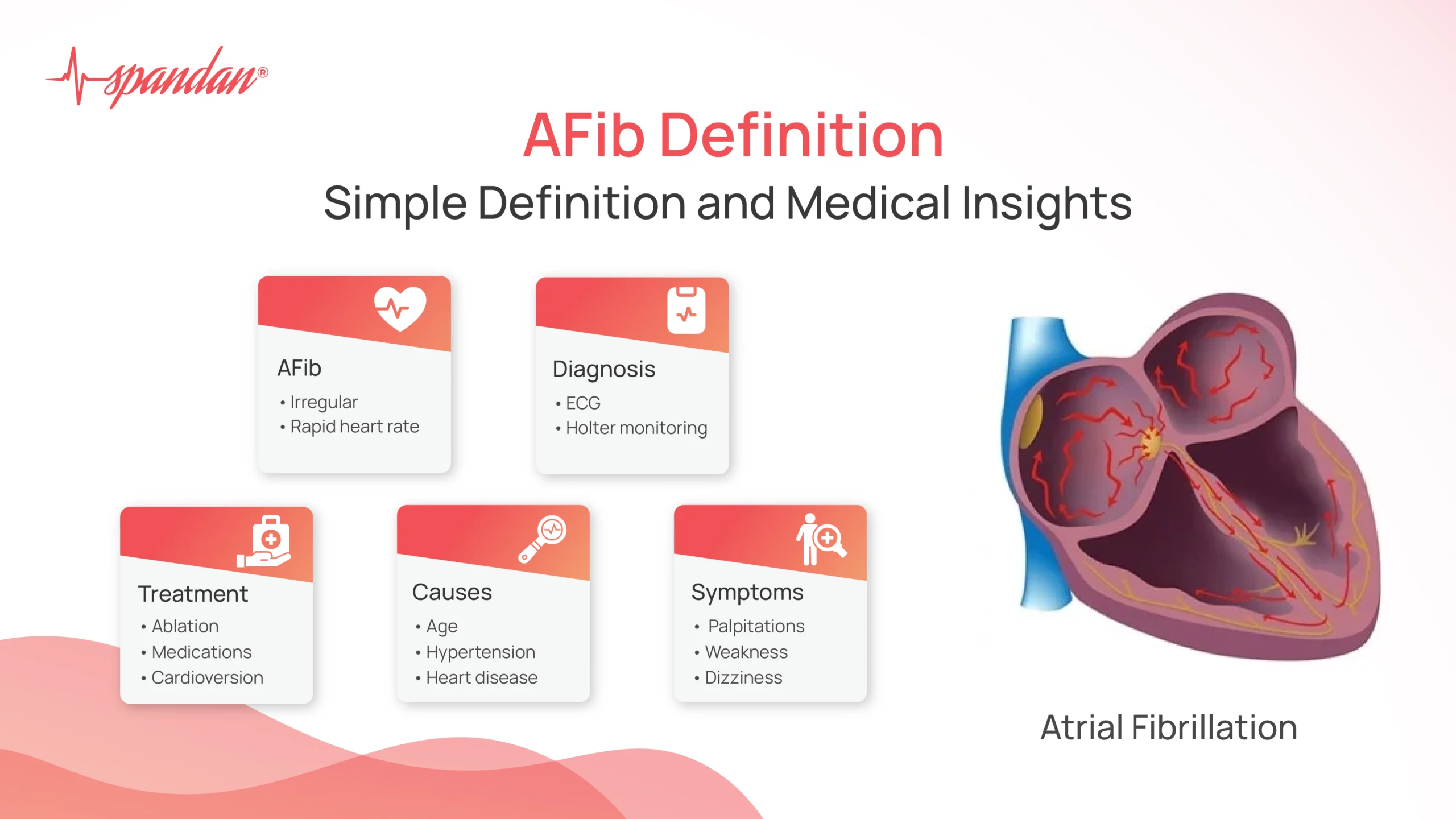
- Palpitations: This is often the most noticeable symptom – a sensation of a fluttering, racing, or pounding heart.
- Fatigue: Reduced blood flow and the heart’s inefficient pumping can lead to a feeling of tiredness and lack of energy.
- Shortness of Breath: The heart’s inability to pump oxygenated blood efficiently can result in breathlessness, especially during exertion.
- Dizziness or Lightheadedness: Reduced blood flow to the brain can cause these sensations.
- Chest Pain or Discomfort: While not always present, some individuals may experience pressure or pain in the chest.
- Weakness: A general feeling of physical weakness can accompany AFib.
These symptoms can significantly impact an individual’s daily life, affecting their ability to work, exercise, and engage in social activities. The constant worry about symptoms or potential complications like stroke can also lead to anxiety and depression, further diminishing quality of life.
The Financial Burden of AFib: Costs of Care and Lost Productivity
Managing AFib involves ongoing medical care, potential hospitalizations, and medications, all of which carry significant financial implications.
- Diagnostic Testing: ECGs, Holter monitors, echocardiograms, and other tests to diagnose and monitor AFib can be costly.
- Medications: Anticoagulants (blood thinners) are crucial for preventing strokes in many AFib patients and can be expensive, especially long-term. Antiarrhythmics and other heart medications also add to the cost.
- Procedures and Surgeries: In some cases, procedures like cardioversion, catheter ablation, or even pacemaker implantation might be necessary, incurring substantial healthcare expenses.
- Hospitalizations: AFib episodes can sometimes lead to emergency room visits and hospital stays, significantly increasing costs.
- Lost Productivity: The symptoms of AFib can lead to missed workdays, reduced work capacity, and even early retirement, impacting income and financial stability.
- Insurance Costs: Individuals with pre-existing conditions like AFib may face higher health insurance premiums.
This financial strain can be particularly challenging for individuals on fixed incomes or those without comprehensive health insurance. It highlights the critical need for accessible and affordable healthcare solutions.
Technological Innovations in AFib Management: A Smarter Approach to Heart Health
The intersection of technology and healthcare is revolutionizing how AFib is detected, monitored, and managed. This is an area where our website’s focus on tech trends, AI tools, and apps becomes particularly relevant.
- Wearable Devices and Smartwatches: Many modern smartwatches now feature electrocardiogram (ECG) capabilities, allowing users to take on-demand readings of their heart rhythm. Some devices can also continuously monitor heart rate and alert users to potential irregularities, providing early detection of AFib episodes that might otherwise go unnoticed.
- Mobile Health (mHealth) Apps: A plethora of apps are available to help individuals track their AFib symptoms, manage medications, record vital signs, and communicate with their healthcare providers. These apps can empower patients with data and facilitate better adherence to treatment plans.
- Remote Patient Monitoring: For individuals with established AFib, remote monitoring devices can transmit vital data, including heart rhythm and rate, directly to their healthcare team. This allows for continuous oversight without the need for frequent in-person visits, improving convenience and enabling prompt intervention if necessary.
- Artificial Intelligence (AI) in Diagnosis and Prediction: AI algorithms are being developed to analyze ECG data with greater accuracy, potentially identifying subtle signs of AFib that human eyes might miss. AI is also being explored for predicting an individual’s risk of developing AFib or experiencing AFib-related complications like stroke.
- Telemedicine: The rise of telemedicine platforms allows individuals to consult with cardiologists and other specialists remotely, making expert care more accessible, especially for those in rural areas or with mobility issues.
These technological advancements are not only making AFib management more convenient and accessible but are also contributing to earlier diagnosis, more personalized treatment, and ultimately, better patient outcomes.
Conclusion: Embracing a Proactive Approach to AFib
Defining AFib is the first step towards understanding and managing this prevalent heart condition. It’s a complex interplay of electrical chaos within the heart, often triggered by underlying health issues and lifestyle factors. The impact of AFib is far-reaching, affecting not only physical health but also mental well-being and financial stability. However, the continuous evolution of technology offers a beacon of hope, providing innovative tools for early detection, continuous monitoring, and more effective management. By staying informed, embracing technological advancements, and collaborating closely with healthcare professionals, individuals can navigate the challenges of AFib and strive for a healthier, more rhythmically stable life.
aViewFromTheCave is a participant in the Amazon Services LLC Associates Program, an affiliate advertising program designed to provide a means for sites to earn advertising fees by advertising and linking to Amazon.com. Amazon, the Amazon logo, AmazonSupply, and the AmazonSupply logo are trademarks of Amazon.com, Inc. or its affiliates. As an Amazon Associate we earn affiliate commissions from qualifying purchases.