
In the decades past, the ability to purchase stock was a privilege reserved for the wealthy or those with direct lines to specialized brokerage firms. The image of the stock market was one of shouting traders on a floor, paper tickets, and high-barrier entry costs. Today, that landscape has been fundamentally transformed. The democratization of finance has moved the stock market from the floor of the New York Stock Exchange to the palm of your hand.
If you are asking “where can I purchase stock,” you are likely looking for a balance between security, ease of use, and cost-effectiveness. The “where” is no longer a physical location, but a digital ecosystem of platforms tailored to different investor profiles. Understanding which platform aligns with your financial goals is the first step in a successful long-term investment strategy.

1. The Evolution of Online Brokerage Platforms
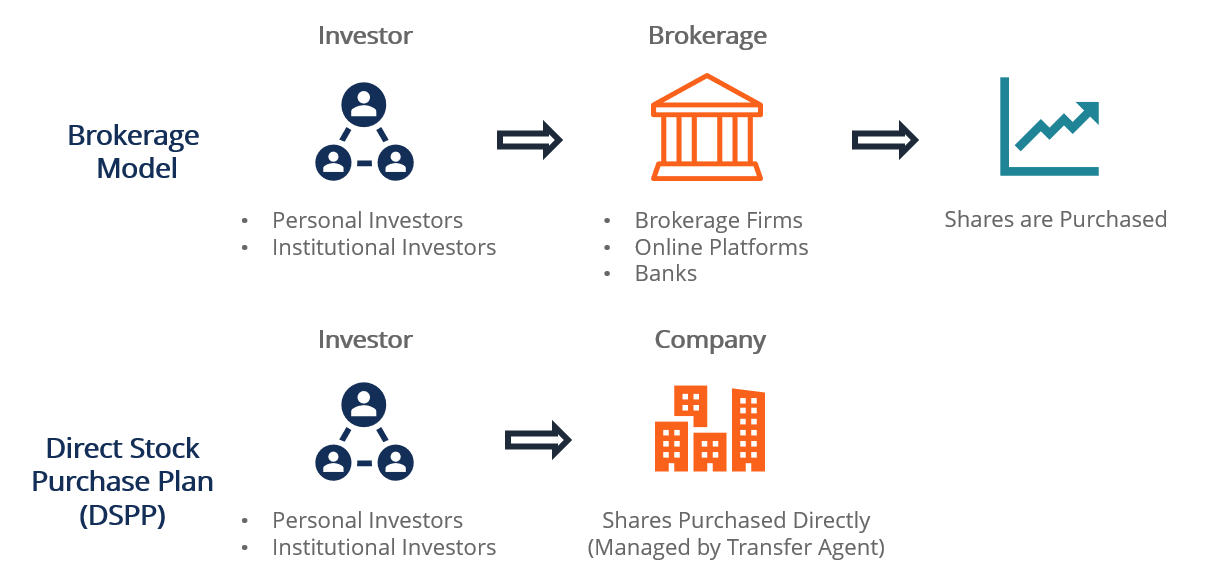
The primary destination for purchasing stock today is through an online brokerage. These platforms act as the intermediary between you and the stock exchanges. While they all perform the same basic function—executing your buy and sell orders—they differ significantly in their service models.
Full-Service Brokerages
For investors who require a high level of guidance, full-service brokerages like Morgan Stanley or Merrill Lynch offer a comprehensive suite of financial services. These firms provide more than just a platform to buy stock; they offer personalized financial advice, estate planning, and tax strategies. While these are excellent for high-net-worth individuals, they often come with higher management fees or require a substantial minimum initial investment.
Discount Online Brokers
The most common “where” for the modern retail investor is the discount broker. Names like Charles Schwab, Fidelity Investments, and Vanguard have dominated this space for years. These platforms have largely moved to a zero-commission model for stocks and ETFs (Exchange-Traded Funds). They offer robust desktop platforms, deep research libraries, and a wide array of investment options beyond just individual stocks, such as mutual funds and bonds. They are ideal for investors who want a “one-stop shop” for their financial life.
Mobile-First Trading Apps
The most recent evolution in stock purchasing is the rise of mobile-first apps like Robinhood and Webull. These platforms revolutionized the industry by introducing commission-free trading to the masses and focusing on a streamlined, intuitive user interface. They are particularly popular among younger investors due to their low barriers to entry—often allowing users to start with as little as $1. However, investors should be aware that these platforms may offer less in-depth fundamental research compared to traditional discount brokers.
2. Choosing the Right Account Type for Your Purchases
Knowing where to purchase stock also involves deciding what type of account will hold those assets. In the realm of personal finance, the “wrapper” you put around your stocks is just as important as the stocks themselves, particularly regarding taxation.
Individual Brokerage Accounts
Often referred to as “taxable accounts,” these are the most flexible. You can deposit money, buy stocks, and withdraw your funds at any time. There are no contribution limits. However, you are liable for capital gains taxes when you sell a stock for a profit, and you must pay taxes on dividends received in the year they are paid. This is the best option for those who want liquidity and have already maximized their retirement contributions.
Retirement Accounts (IRAs and 401ks)
If your goal for purchasing stock is long-term wealth building or retirement, you should consider purchasing them through a tax-advantaged account. A Traditional IRA or a Roth IRA allows you to purchase stocks while benefiting from tax-deferred or tax-free growth. For many, the first place they “purchase” stock is through a 401(k) offered by their employer, which often includes a company match—essentially an immediate 100% return on your investment.
Managed and Robo-Advisor Accounts
If you know you want to own stocks but aren’t comfortable choosing individual companies, robo-advisors like Betterment or Wealthfront are a viable “where.” These platforms use algorithms to build and manage a diversified portfolio of stock ETFs based on your risk tolerance. You are still purchasing stock (via ETFs), but the platform handles the execution, rebalancing, and tax-loss harvesting for you.
3. Critical Criteria for Evaluating an Investment Platform
With so many options available, how do you narrow down where to purchase your stock? It requires a professional assessment of the platform’s infrastructure, costs, and security measures.
Fee Structures and Hidden Costs
While “zero-commission” is the industry standard for US stocks, no platform is truly free. You must look at the “expense ratios” of the funds you buy, any wire transfer fees, or “inactivity fees” that some brokers might charge. Additionally, professional traders often look at the quality of “order execution.” A broker that offers a slightly better price on the purchase of a share can save you more money over time than a platform that hides its costs in the “bid-ask spread.”
Security and Regulatory Compliance
Security is non-negotiable when choosing where to purchase stock. Ensure any platform you use is a member of the Securities Investor Protection Corporation (SIPC). This protects the securities and cash in your brokerage account up to $500,000 should the brokerage firm fail. Furthermore, checking if the broker is regulated by the Financial Industry Regulatory Authority (FINRA) provides an added layer of professional oversight and dispute resolution.
Research Tools and Data Accessibility
For the proactive investor, the value of a brokerage is found in its data. Does the platform provide real-time quotes? Do they offer access to analyst reports from firms like Morningstar or Reuters? A high-quality platform should provide you with the balance sheets, income statements, and cash flow statements of the companies you are looking to purchase. The “where” should not just be a checkout counter, but an educational resource.
4. Alternative Methods: Direct Purchases and DRIPs
While online brokers are the standard, they are not the only way to acquire equity in a company. Some investors prefer a more direct route that bypasses the traditional brokerage environment.
Direct Stock Purchase Plans (DSPPs)
Some large, blue-chip corporations allow investors to purchase stock directly from the company. This is handled through a transfer agent rather than a broker. The advantage of a DSPP is that it allows you to bypass brokerage middle-men. However, these plans can be cumbersome to set up and may have specific rules regarding when you can sell your shares.
Dividend Reinvestment Plans (DRIPs)
A DRIP is a feature offered by many brokers and corporations that automatically uses your cash dividends to purchase additional shares (or fractions of shares) of the underlying stock. This is a powerful tool for compounding wealth. Instead of receiving a cash payment, your ownership stake in the company grows automatically every quarter. When deciding where to purchase stock, check if the platform offers “automated DRIPs” for free, as this simplifies the process of long-term wealth accumulation.
Fractional Shares and Accessibility
In the past, if a single share of a company like Amazon or Berkshire Hathaway cost thousands of dollars, a small investor was priced out. Today, most modern platforms offer “fractional shares.” This means you can purchase $5 or $10 worth of a high-priced stock. This feature is a crucial consideration for new investors, as it allows for immediate diversification even with a small amount of capital.
5. Navigating the Execution: How to Place Your First Purchase
Once you have decided on a platform, the final “where” involves the technical execution of the trade within the software. Understanding the mechanics of the purchase is vital to ensuring you get the price you want.
Market Orders vs. Limit Orders
When you go to purchase stock on your chosen platform, you will be faced with two primary choices. A Market Order tells the broker to buy the stock immediately at the best available current price. This guarantees the trade will happen but does not guarantee the price. A Limit Order tells the broker to only buy the stock if it hits a specific price or lower. This guarantees the price but not the execution. Professional investors typically lean toward limit orders to maintain control over their entry points.
Domestic vs. International Exchanges
Most US-based platforms provide easy access to the NYSE and the NASDAQ. However, if you are looking to purchase stock in a company based in Europe or Asia, you need to ensure your chosen platform supports “International Trading” or “Global Accounts.” Buying stocks on foreign exchanges often involves currency conversion fees and different regulatory rules, so it is essential to verify these capabilities before opening an account.

The Importance of User Interface (UI) and Support
Finally, the “where” should be a place where you feel comfortable navigating. If a platform is too complex, you might make a manual error in your trade. Conversely, if it is too “gamified,” it might encourage over-trading. Look for a platform that balances a clean interface with 24/7 customer support. In the world of finance, being able to reach a human being when there is an issue with your funds is a feature that is often undervalued until it is needed.
In conclusion, the question of where to purchase stock has more answers today than ever before. Whether you choose a legacy giant like Fidelity for its stability and research, a mobile app like Robinhood for its ease of use, or a robo-advisor for a hands-off approach, the key is to start with a platform that matches your level of expertise and your financial goals. By focusing on low fees, strong security, and the right account type, you can transition from a saver to a shareholder with confidence.
aViewFromTheCave is a participant in the Amazon Services LLC Associates Program, an affiliate advertising program designed to provide a means for sites to earn advertising fees by advertising and linking to Amazon.com. Amazon, the Amazon logo, AmazonSupply, and the AmazonSupply logo are trademarks of Amazon.com, Inc. or its affiliates. As an Amazon Associate we earn affiliate commissions from qualifying purchases.