
In today’s rapidly evolving digital landscape, the lines between traditional websites and native mobile applications are blurring. Users expect seamless, fast, and engaging experiences, whether they’re browsing online or using an app. This is where Progressive Web Apps (PWAs) enter the picture, promising the best of both worlds. But what exactly is a PWA, and why is it becoming an increasingly important concept across the realms of Tech, Brand, and even Money?
PWAs represent a significant leap forward in web development, offering a way to deliver app-like experiences directly through a web browser. They are essentially websites that have been engineered to behave and function much like native mobile applications. This means they can be installed on a user’s device, work offline, send push notifications, and offer a fast, reliable, and engaging user interface.
The Evolution of Web and App Experiences
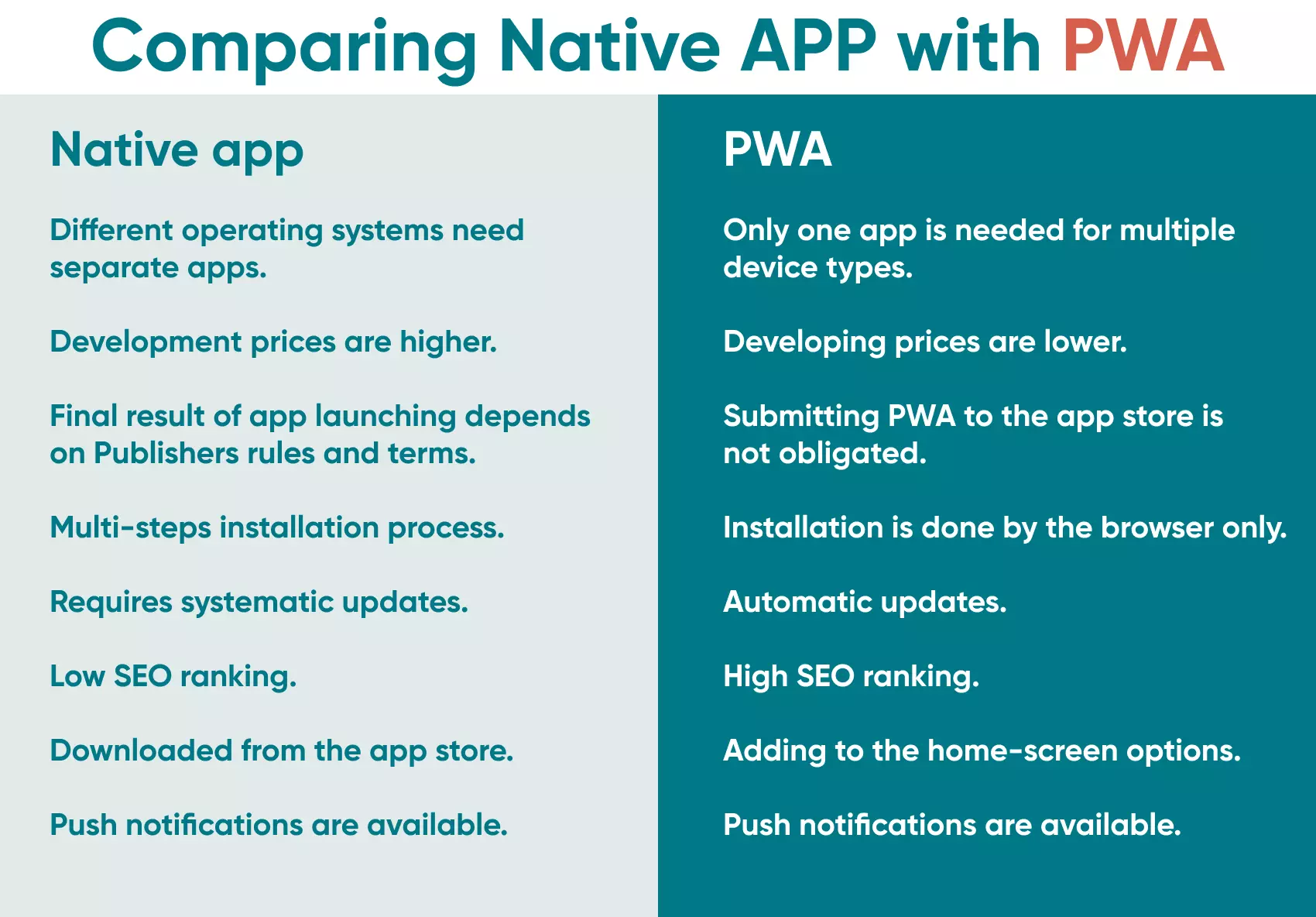
For years, businesses and developers have grappled with the dichotomy of web versus native apps. Websites offered broad accessibility and ease of updates, but often lacked the speed, offline capabilities, and rich user interactions of native apps. Conversely, native apps provided superior performance and access to device features, but came with the friction of app store downloads, installation, and platform-specific development.
This is where PWAs emerge as a powerful solution. They leverage modern web technologies to bridge this gap, offering a compelling alternative that can significantly impact how we interact with digital services. From a Tech perspective, PWAs are a testament to the continuous innovation in web standards and browser capabilities. They allow developers to build applications that are discoverable via search engines, shareable via URLs, and instantly accessible without a download.
From a Brand perspective, PWAs offer a unique opportunity to enhance user engagement and loyalty. By providing an experience that mirrors native apps, brands can foster deeper connections with their audience. The ability to “install” a PWA to a home screen, for instance, creates a more permanent and accessible presence for the brand, akin to a native app icon. This increased visibility and ease of access can translate into higher conversion rates and a stronger brand presence in the user’s daily digital life.
Even in the Money sector, PWAs are proving to be a game-changer. Financial institutions and fintech companies are increasingly adopting PWAs to offer secure, convenient, and accessible banking and investment services. The speed and offline capabilities of PWAs are particularly valuable for users who may have intermittent internet access, ensuring they can manage their finances anytime, anywhere.
Understanding the Core Technologies of PWAs
At their heart, PWAs are built upon a foundation of modern web technologies, enhanced with specific architectural patterns and functionalities. They are not a single technology but rather a set of best practices and capabilities that transform a standard website into an app-like experience. The key components that define a PWA are:
-
Service Workers: These are JavaScript files that run in the background, separate from the web page, and act as a proxy between the browser and the network. Service workers are the backbone of PWA functionality, enabling features like offline caching, background sync, and push notifications. They intercept network requests, allowing developers to cache essential resources like HTML, CSS, JavaScript, and images. This means that even when a user is offline or on a poor network connection, the PWA can serve cached content, providing a seamless and responsive experience. They also enable the ability to update content in the background without user intervention, ensuring the PWA is always up-to-date.
-
Web App Manifest: This is a JSON file that provides metadata about the web application, such as its name, icon, and launch URL. The manifest allows the PWA to be “installed” on a user’s device, appearing as an icon on their home screen, just like a native app. It also dictates how the PWA launches and presents itself to the user, such as in fullscreen mode or with a browser address bar. This “installability” is a crucial aspect of the PWA experience, making it feel more like a dedicated application than just another website bookmark.
-
HTTPS: PWAs must be served over HTTPS to ensure security. This is a fundamental requirement, as service workers have the ability to intercept and modify network requests, and this functionality must be protected from malicious interference. The use of HTTPS guarantees that the data exchanged between the user and the PWA is encrypted and secure, which is particularly critical for applications dealing with sensitive information, like those in the financial sector.
The “Progressive” Aspect: Enhancing Experiences for All
The “Progressive” in Progressive Web App is a critical differentiator. It signifies that these applications are designed to work for every user, regardless of their browser or device choice, but to provide an enhanced experience for users with modern browsers that support the necessary features. This means that a PWA will function as a basic website on older browsers, while progressively enhancing its capabilities on newer ones.
This principle of progressive enhancement is vital for ensuring broad accessibility and inclusivity. A user on an older device or a slow internet connection will still be able to access the core content and functionality of the PWA. As their device and network capabilities improve, the PWA will automatically leverage these advancements to offer a richer, faster, and more engaging experience. This adaptability makes PWAs a highly inclusive technology, reaching a wider audience without compromising the experience for those who can utilize its full potential.
Key Benefits of Progressive Web Apps
The advantages of adopting PWAs are multifaceted, impacting users, businesses, and developers alike. These benefits span across the core interests of Tech, Brand, and Money.
Enhanced User Experience and Engagement (Tech & Brand)
One of the most significant benefits of PWAs is the vastly improved user experience they offer. This translates directly into increased user engagement, a key objective for any Brand.

-
Speed and Responsiveness: PWAs are designed to be fast and responsive. Through efficient caching mechanisms enabled by service workers, content can be loaded almost instantaneously, even on slow or unreliable networks. This eliminates the frustrating wait times often associated with traditional websites, leading to higher user satisfaction and reduced bounce rates. For businesses, this means users are more likely to stay on their site, explore their offerings, and complete desired actions, whether that’s making a purchase, signing up for a service, or consuming content.
-
Offline Functionality: The ability to work offline is a game-changer. Users can access certain features or content of a PWA even without an internet connection. This is invaluable for individuals commuting, traveling, or living in areas with poor connectivity. For brands, this ensures their services remain accessible, fostering a sense of reliability and convenience. Imagine an e-commerce PWA where users can browse products and even add them to their cart while offline, with the transaction completing once a connection is re-established.
-
Installability and Home Screen Presence: As mentioned, PWAs can be “installed” on a user’s device, adding an icon to their home screen. This provides a persistent and easily accessible shortcut to the application, increasing brand visibility and reducing the friction of having to remember a URL or navigate through a browser. For brands, this is akin to having a prime piece of real estate on a user’s device, fostering a more intimate and direct relationship.
-
Push Notifications: PWAs can send push notifications to users, similar to native apps. This allows brands to re-engage users with timely updates, promotions, or personalized content. This direct line of communication can significantly boost customer retention and drive repeat visits. For instance, an e-commerce PWA could send a notification when a user’s favorite item goes on sale, or a news PWA could alert them to breaking stories.
Cost-Effectiveness and Wider Reach (Tech & Money)
From a Tech and Money perspective, PWAs offer compelling advantages in terms of development and deployment.
-
Cross-Platform Compatibility: Unlike native apps, which require separate development for iOS and Android, PWAs are built on web technologies and work across all platforms and devices. This significantly reduces development costs and time, as a single codebase can serve all users. This cost efficiency is a major draw for businesses of all sizes, from startups to large enterprises, allowing them to allocate resources more effectively.
-
Easier Updates and Maintenance: Updating a PWA is as simple as updating a website. Developers can deploy changes instantly, and users will automatically receive the latest version without needing to download an update from an app store. This streamlined maintenance process saves considerable effort and ensures users are always interacting with the most current and functional version of the application.
-
Discoverability and SEO: PWAs are indexable by search engines, meaning they can be discovered through organic search queries. This traditional web benefit, combined with app-like features, provides a powerful discoverability advantage. For businesses looking to attract new customers, this integration with search engines is invaluable.
-
Reduced Friction for Acquisition: The absence of an app store download process significantly reduces the barrier to entry for users. They can access and even “install” a PWA in just a few taps, often without leaving their browser. This frictionless acquisition process can lead to higher conversion rates and a broader user base, especially for businesses where initial user engagement is critical. This directly impacts Money by reducing customer acquisition costs.
Security and Reliability (Tech & Money)
Security is paramount, especially for applications dealing with financial transactions or sensitive data. PWAs, by adhering to modern web standards, offer robust security features.
-
HTTPS Requirement: As mentioned, PWAs must be served over HTTPS. This encryption protects data in transit, safeguarding users from man-in-the-middle attacks and ensuring the integrity of their information. This is non-negotiable for any business operating online, particularly in the Money sector, where trust and security are paramount.
-
Service Worker Security: While service workers offer powerful capabilities, they are also subject to security protocols. They operate within a secure context, and their ability to intercept requests is governed by strict rules to prevent abuse. This ensures that the advanced features of PWAs are delivered in a safe and controlled manner.

Real-World Applications and Future Potential
The adoption of PWAs is on the rise across various industries, demonstrating their versatility and effectiveness. From e-commerce giants to news publishers and financial services, businesses are leveraging PWAs to enhance their digital offerings.
In the Tech sphere, developers are continuously pushing the boundaries of what PWAs can achieve, integrating them with emerging technologies like augmented reality and machine learning to create even more immersive and intelligent experiences.
For Brands, PWAs represent a strategic advantage in building a strong, consistent, and engaging online presence. They allow brands to deliver consistent experiences across all touchpoints, from desktop browsers to mobile devices, fostering brand loyalty and increasing customer lifetime value.
In the Money sector, PWAs are revolutionizing how people manage their finances. Banks and fintech companies are using them to provide secure, accessible, and user-friendly platforms for banking, investing, and payments. The offline capabilities are particularly beneficial in regions with limited internet infrastructure, democratizing access to financial services.
The future of PWAs is bright. As web technologies continue to mature and browser support expands, we can expect to see even more sophisticated and feature-rich PWAs emerge. They offer a powerful, cost-effective, and user-centric approach to building digital experiences, making them an indispensable tool for businesses aiming to thrive in the modern digital economy. Whether you’re a developer building the next big application, a brand looking to connect with your audience, or a user seeking seamless digital interactions, understanding what a PWA is will become increasingly crucial.
aViewFromTheCave is a participant in the Amazon Services LLC Associates Program, an affiliate advertising program designed to provide a means for sites to earn advertising fees by advertising and linking to Amazon.com. Amazon, the Amazon logo, AmazonSupply, and the AmazonSupply logo are trademarks of Amazon.com, Inc. or its affiliates. As an Amazon Associate we earn affiliate commissions from qualifying purchases.