
The term “poker flush” might immediately conjure images of intense poker faces, clinking chips, and the thrill of a winning hand. But what exactly constitutes a poker flush, and why is it such a significant hand in the game? Beyond the felt of a casino or the digital interface of an online poker room, understanding the concept of a flush can even offer surprising insights into strategy, probability, and risk management – principles that resonate deeply with the core themes of technology, branding, and finance that we explore on this website.
While the immediate context is a card game, the underlying principles of identifying patterns, understanding rarity, and leveraging probabilities are universal. In the realm of technology, we analyze emerging trends and the likelihood of certain advancements. In branding, we assess the distinctiveness of an identity and its potential to stand out from the competition. And in finance, we constantly evaluate investment opportunities based on their potential for return and the inherent risks involved. Therefore, delving into the mechanics of a poker flush is not just about mastering a game; it’s about sharpening our analytical minds in ways that are applicable to all facets of our modern lives.
This article will break down the poker flush into its fundamental components, explore its strategic implications within the game, and then draw parallels to how these concepts of rarity, pattern recognition, and calculated risk manifest in the dynamic worlds of technology, branding, and money.
Understanding the Anatomy of a Poker Flush
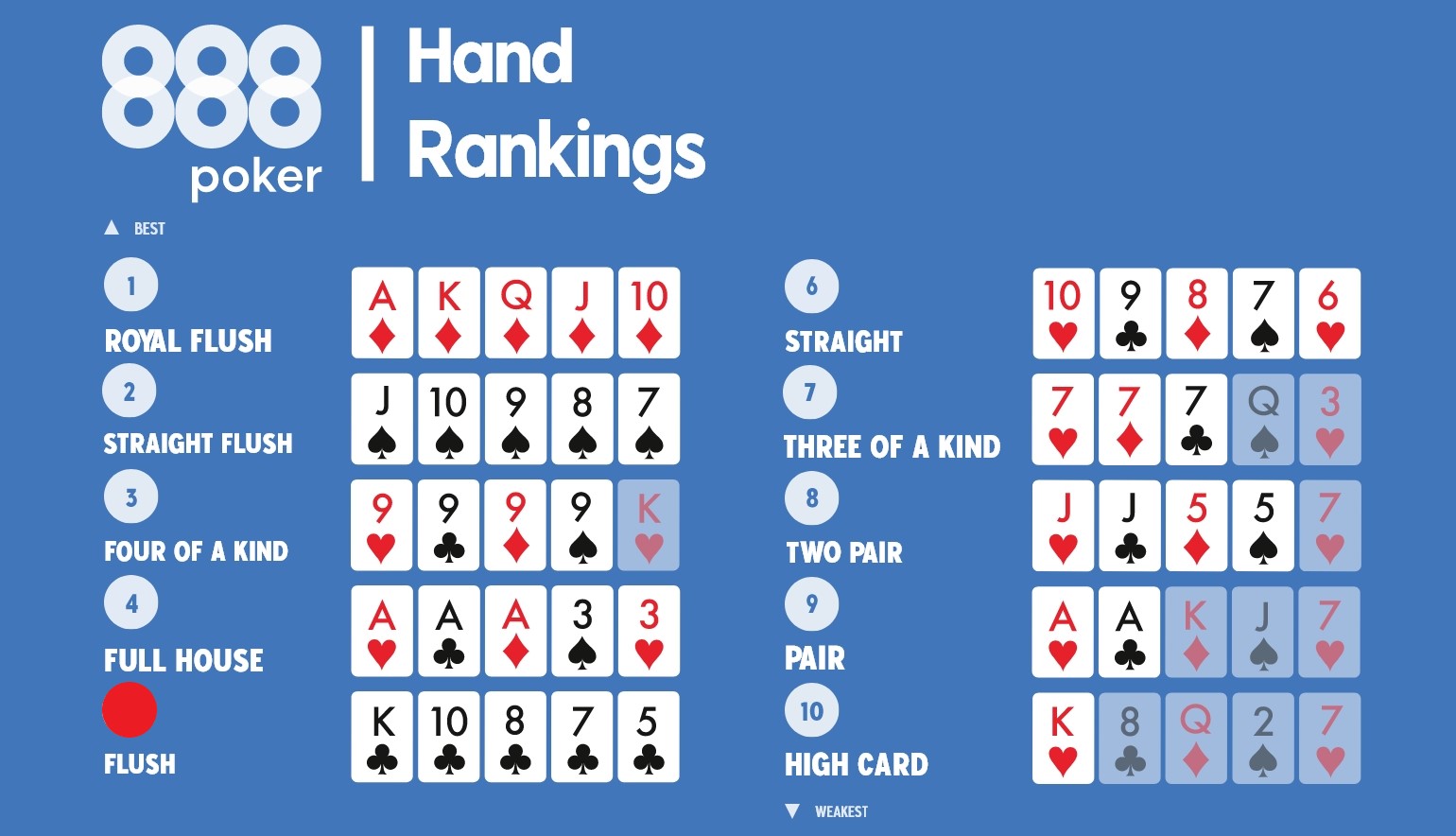
At its most basic, a poker flush is a five-card hand where all five cards share the same suit. The suits in a standard 52-card deck are Spades (♠), Hearts (♥), Diamonds (♦), and Clubs (♣). For a hand to be a flush, all five cards must belong to one of these four suits.
The Five Cards, One Suit: The Core Definition
The beauty of a poker flush lies in its elegant simplicity. It’s not about the rank of the cards as much as their uniformity in suit. For example, a hand consisting of the 7 of Hearts, 9 of Hearts, Jack of Hearts, King of Hearts, and Ace of Hearts is a perfect flush. Similarly, any five Spades, any five Diamonds, or any five Clubs would also qualify.
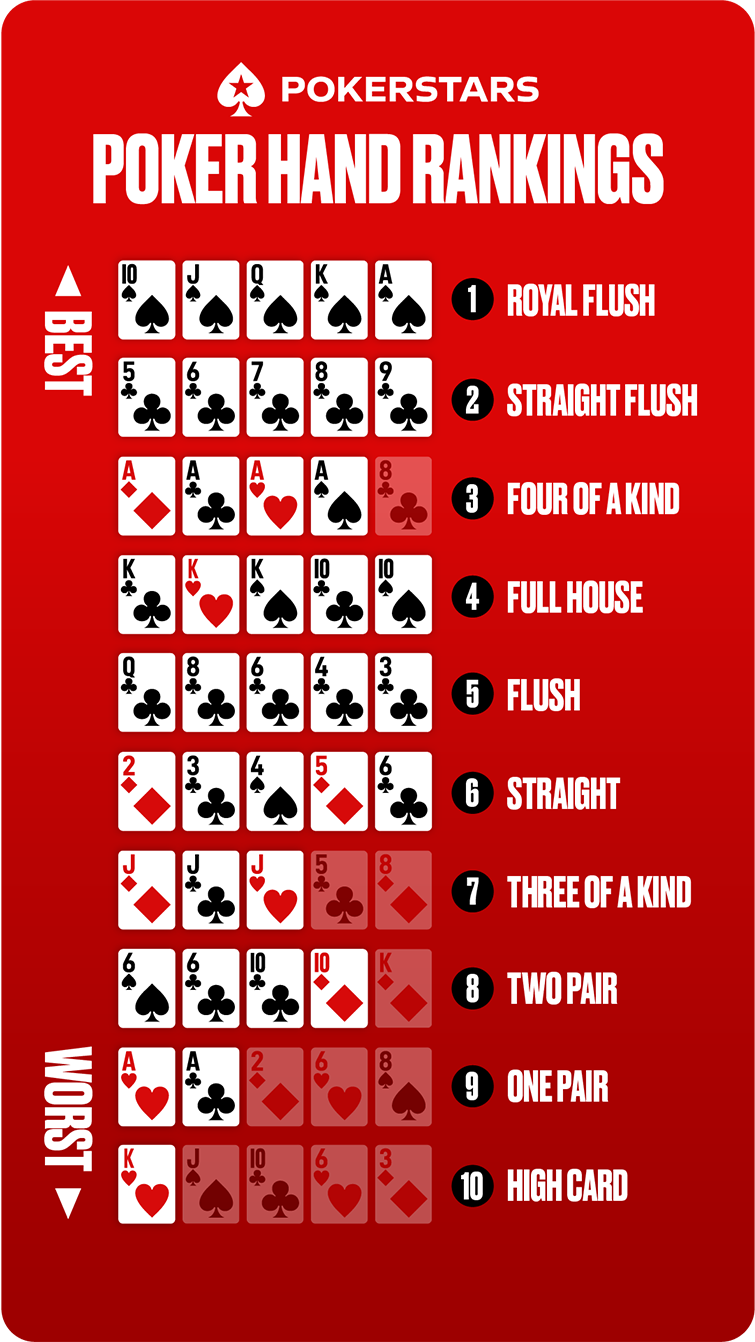
It’s crucial to distinguish a flush from other poker hands. For instance, a straight flush occurs when the five cards are not only of the same suit but also form a sequence (e.g., 5, 6, 7, 8, 9 of Diamonds). A royal flush is the highest possible straight flush, consisting of the Ace, King, Queen, Jack, and Ten of the same suit. These are more powerful hands than a standard flush.
Ranking Flushes: When Suits Aren’t Enough
While the suit is the primary determinant of a flush, if two or more players hold a flush in the same hand, the rank of the cards within that flush becomes paramount. This is where the “high card” rule comes into play. The flush with the highest-ranking card wins.
- Ace-high flush: An Ace is the highest card in poker. Therefore, a flush containing an Ace is the strongest possible flush. For example, an Ace-high flush would beat any other flush that doesn’t include an Ace.
- Comparing ranks: If players have flushes with the same high card (e.g., both have Ace-high flushes), then the second-highest card is compared, and so on, down to the fifth card. For example, an Ace-King-Queen-Jack-5 of Spades would beat an Ace-Queen-Jack-10-9 of Spades because the King is higher than the Queen.
- The kicker: In the rare instance where all five cards are identical in rank between two flushes (which is impossible in a standard game of poker where suits are the differentiator), the game typically results in a tie, and the pot is split. However, the comparison is always made sequentially from the highest card downwards.
The Odds of the Deal: Probability and Rarity
The strategic value of a poker flush is intrinsically linked to its probability. It’s not an everyday occurrence, which is precisely why it holds such significant weight in the game.
- Calculating the odds: In a standard 52-card deck, there are 13 cards of each suit. The number of possible five-card hands you can be dealt is astronomical (over 2.5 million). When you factor in the combinations that create a flush, the odds become clearer.
- Approximate probability: The probability of being dealt a flush (excluding straight flushes) is roughly 0.1965%, or about 1 in 507 hands. This makes it a relatively rare but achievable hand.
- Implications for play: Understanding these odds informs strategic decisions. Because a flush is statistically unlikely for any given hand, when you do hit one, it’s often a strong contender for winning the pot. This leads players to bet more aggressively when they suspect they have or are close to completing a flush. Conversely, players facing bets from an opponent who might be chasing a flush will need to weigh the pot odds against the likelihood of their opponent succeeding.
Strategic Implications: More Than Just a Strong Hand
The power of a poker flush isn’t solely defined by its rank. Its strategic value lies in how it influences betting patterns, opponent perception, and risk assessment.
Bluffing and Semi-Bluffing: The Art of Deception
The relative rarity of a flush makes it an excellent hand to bluff with, or more effectively, to semi-bluff with.
- Bluffing: A pure bluff involves betting as if you have a strong hand when you actually have a weak one. While a flush can be a powerful hand to bluff with (as opponents are less likely to call large bets if they suspect you have it), it’s a high-risk strategy.
- Semi-bluffing: This is where the strategic advantage of a flush truly shines. A semi-bluff involves betting on a hand that is not yet complete but has a strong potential to become a strong hand, like a flush draw. For instance, if you have four cards of the same suit and are still awaiting your fifth card, you can bet aggressively. This serves two purposes:
- Winning the pot now: Your opponent might fold if they don’t have a strong hand, allowing you to win the pot without even completing your flush.
- Building the pot for when you hit: If you do complete your flush on a later street, you’ve already built a larger pot, leading to a bigger payout. This is a sophisticated tactic that leverages the potential of the flush.
Reading Your Opponents: Inferring Strength
Observing your opponents’ betting actions can provide clues about the strength of their hands, including whether they might be holding or drawing to a flush.
- Betting patterns: Consistent, strong betting on multiple streets can indicate a strong hand, potentially a flush. Conversely, tentative betting or a sudden change in betting style might suggest a draw or a bluff.
- Understanding draws: Experienced players recognize when opponents are drawing to a flush. If multiple cards of the same suit have appeared on the board, and an opponent is betting, they might be trying to complete a flush. This knowledge allows you to make more informed decisions about whether to call, raise, or fold.
- The “tell”: In live poker, players might exhibit unconscious “tells” – physical cues that reveal their hand strength. While less prevalent in online poker, the betting behavior itself becomes the primary “tell.”
Pot Odds and Equity: Calculating Risk and Reward
The concept of pot odds is fundamental to poker strategy and directly relates to the pursuit of hands like flushes.
- Pot odds: This refers to the ratio of the amount of money already in the pot to the amount you need to bet to stay in the hand. If the pot is large and the bet is small, the pot odds are favorable, making it mathematically sound to call even if you don’t have a strong hand yet, especially if you’re drawing to a powerful hand like a flush.
- Equity: This is your calculated percentage chance of winning the hand at any given point. When you have a flush draw, your equity increases with each card dealt. You compare your equity to the pot odds to determine if calling a bet is profitable in the long run. If your equity is higher than what the pot odds suggest, it’s often a good decision to continue.
- The flush as an equity builder: A flush draw represents significant equity. Even if you don’t complete the flush, the possibility of it happening makes your hand more valuable than a random assortment of cards. This allows you to extract value from opponents who might be betting with weaker hands or drawing to even weaker hands.
The Flush in the Digital and Financial Worlds: Parallels in Strategy and Analysis
While the game of poker is distinct, the underlying principles of identifying patterns, understanding rarity, and managing risk are remarkably transferable to other domains, particularly technology, branding, and finance.
Tech: Identifying Trends and the Rarity of Innovation
In the technology sector, “flushes” can be analogous to groundbreaking innovations or dominant trends.
- Identifying a technological “suit”: Just as a flush requires five cards of the same suit, a major tech trend emerges when several related technologies or applications converge and gain widespread adoption. Think of the rise of smartphones, cloud computing, or artificial intelligence. These weren’t single inventions but rather a confluence of advancements that created a powerful, unified force.
- The “rank” of innovation: The impact and “rank” of a technological trend are determined by its disruptiveness, scalability, and the value it creates. An AI breakthrough that revolutionizes a particular industry is akin to an Ace-high flush – it’s a high-impact event.
- Odds of success: Just as not every hand is a flush, not every tech idea becomes a dominant trend. Many promising technologies fail to gain traction due to market timing, implementation challenges, or simply not being superior enough to existing solutions. Companies that invest in these emerging “suits” need to understand the odds of success and manage their R&D investments accordingly, much like a poker player managing their bankroll.
- “Semi-bluffing” in product development: Companies often invest in developing features or products with the potential to become major trends. This is a form of strategic investment, akin to a semi-bluff. If the technology matures and the market embraces it, the reward can be immense. If not, the investment might be lost, but the learning and the foundational work could pave the way for future successes.
Brand: Standing Out in a Crowded Market
In the competitive landscape of branding and marketing, a distinct identity can be seen as a strategic “flush.”
- The “suit” of brand identity: A strong brand identity is built on a consistent and cohesive set of elements: logo, messaging, visual style, tone of voice, and customer experience. When all these elements are aligned and work in harmony, they create a recognizable and memorable brand “suit” that stands out from generic competitors.
- The “rank” of brand influence: The “rank” of a brand is determined by its market share, customer loyalty, perceived value, and overall influence. A globally recognized brand with a cult following has a high-ranking brand identity, much like a high-ranking poker hand.
- “Reading the market” and competitor analysis: Just as a poker player analyzes opponents, brands must constantly “read the market” to understand consumer needs, competitor strategies, and emerging trends. Identifying a gap in the market or a unique selling proposition can be the equivalent of spotting a potential flush draw – an opportunity to build a winning strategy.
- Brand “semi-bluffing”: Companies might launch experimental campaigns or products with the hope of creating a viral hit or a new market niche. This is a strategic risk, a “semi-bluff” in the branding world. If successful, it can elevate the brand’s standing significantly. The marketing budget allocated is the “bet,” and the potential market impact is the “pot.”

Money: Investing and the Pursuit of High-Return Opportunities
In the realm of personal and business finance, understanding probability, risk, and the pursuit of rare, high-reward opportunities is paramount.
- “Flush” investments: Certain investments, while rare, can offer exceptionally high returns. These might be in emerging markets, disruptive technologies, or unique business ventures. Successfully identifying and capitalizing on these “flush” investment opportunities can significantly boost wealth.
- The “rank” of investment returns: The “rank” of an investment is its potential return on investment (ROI) and its overall profitability. A high-ROI investment is like a high-ranking poker hand – it’s highly desirable.
- “Odds” of market success: Just as there are odds of being dealt a flush, there are odds of any given investment succeeding. Thorough research, due diligence, and understanding market dynamics are crucial for assessing these odds. Investing in a well-researched startup with a strong business plan is akin to having a solid flush draw – there’s a good chance of success.
- Risk management and diversification: Poker players manage their bankrolls to withstand losing hands, and investors diversify their portfolios to mitigate risk. The pursuit of “flush” opportunities (high-return investments) needs to be balanced with a solid strategy for managing the inherent risks, ensuring that a single failed venture doesn’t wipe out an entire portfolio. This is the financial equivalent of understanding when to fold a weak hand or not chase every flush draw.
In conclusion, the poker flush, while a concept rooted in a game of cards, offers a powerful lens through which to examine strategic thinking across diverse fields. Its definition is clear, its rarity is quantifiable, and its strategic implications extend far beyond the poker table. By understanding the anatomy of a flush, its probabilities, and its role in deception and risk assessment, we can sharpen our analytical skills, making more informed decisions in the ever-evolving landscapes of technology, brand building, and financial management. The principles of pattern recognition, calculated risk, and the pursuit of high-value opportunities are indeed universal, proving that sometimes, the most valuable lessons can be learned from a simple five-card hand.
aViewFromTheCave is a participant in the Amazon Services LLC Associates Program, an affiliate advertising program designed to provide a means for sites to earn advertising fees by advertising and linking to Amazon.com. Amazon, the Amazon logo, AmazonSupply, and the AmazonSupply logo are trademarks of Amazon.com, Inc. or its affiliates. As an Amazon Associate we earn affiliate commissions from qualifying purchases.