
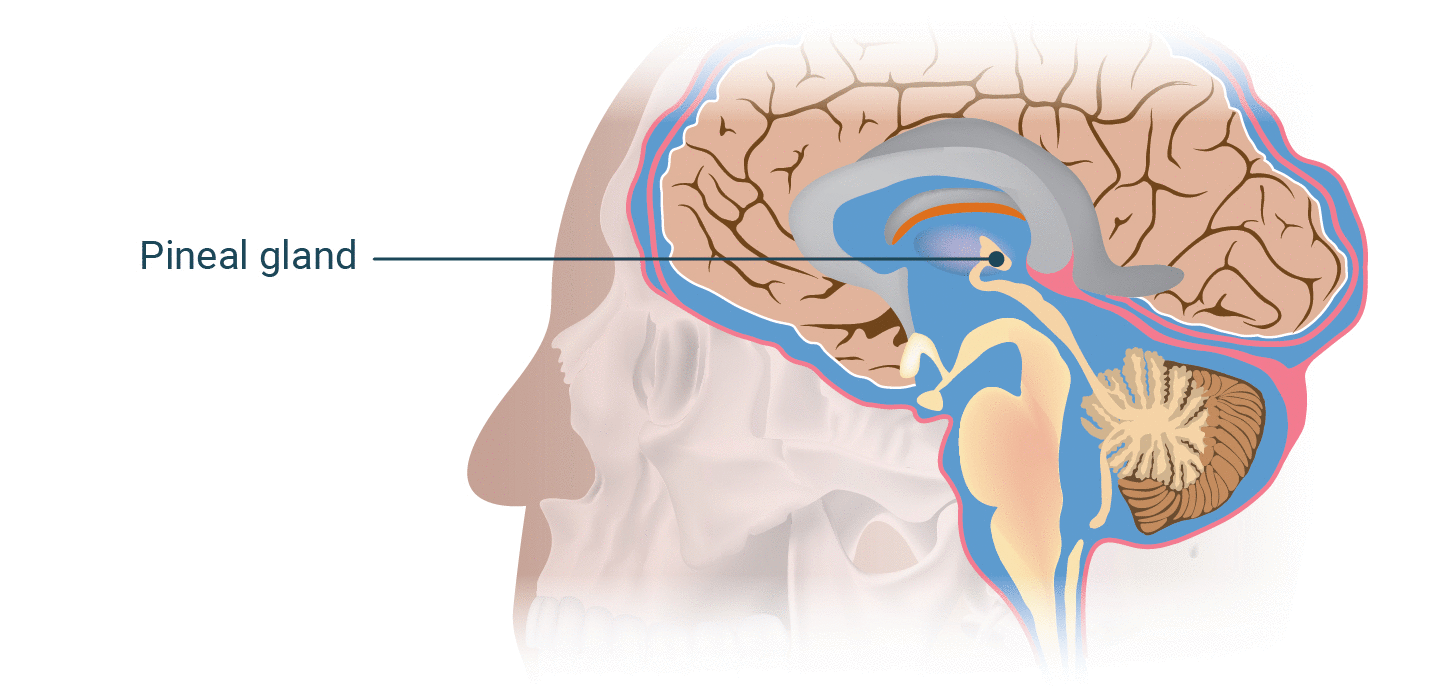
The human body is a symphony of intricate systems, each playing a vital role in our survival and well-being. While we often focus on the mechanics of our organs, the biochemical processes that govern our moods, sleep cycles, and even our perception of reality remain a source of profound fascination. Among these lesser-understood marvels is the pineal gland, a tiny endocrine gland nestled deep within the brain. Its enigmatic nature, coupled with its profound influence on fundamental biological rhythms, has captivated scientists and thinkers for centuries. But in the context of modern technological advancements, evolving branding strategies, and the pursuit of personal and financial growth, understanding this ancient biological clock takes on a new dimension.
The Brain’s Master Clock: Decoding the Pineal Gland’s Biological Role
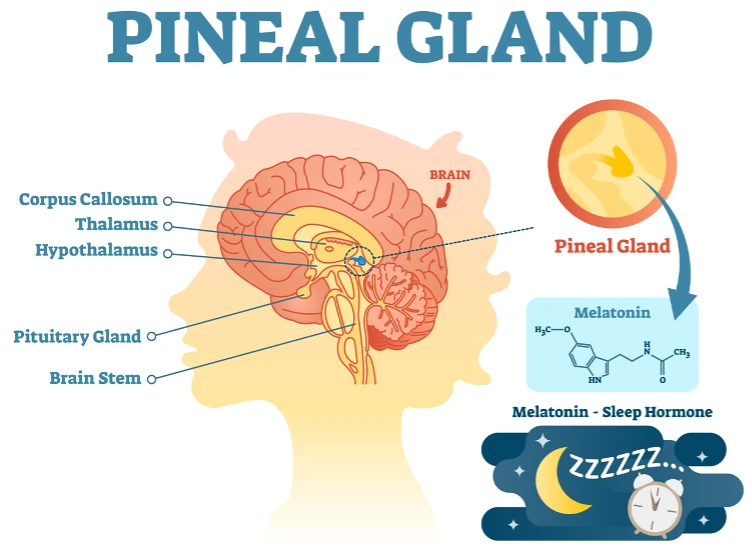
At its core, the pineal gland is an endocrine organ, meaning it produces and secretes hormones directly into the bloodstream. Its primary and most well-documented function is the production of melatonin, often dubbed the “sleep hormone.” This remarkable substance plays a crucial role in regulating our circadian rhythms – the internal 24-hour biological clock that dictates our sleep-wake cycles.
Melatonin: The Symphony of Sleep and Light
The synthesis and release of melatonin by the pineal gland are intricately linked to light exposure. When darkness falls, specialized cells in the retina signal the brain, prompting the pineal gland to ramp up melatonin production. This rise in melatonin levels signals to the body that it’s time to wind down, leading to feelings of drowsiness and preparing us for sleep. Conversely, when exposed to light, melatonin production is suppressed, helping us to feel awake and alert.
This intricate dance between light and melatonin is fundamental to our health. Consistent and healthy sleep patterns are not merely about rest; they are essential for cognitive function, immune system strength, emotional regulation, and a myriad of other vital processes. Disruptions to this delicate balance, often caused by artificial light at night, shift work, or travel across time zones, can have far-reaching consequences, contributing to sleep disorders, mood disturbances, and even impacting our long-term health.
Beyond Sleep: The Expanding Understanding of Melatonin’s Influence
While its role in sleep regulation is its most recognized function, scientific research is increasingly revealing that melatonin’s influence extends far beyond the bedroom. Emerging studies suggest that melatonin possesses potent antioxidant properties, helping to protect cells from damage caused by free radicals. It also plays a role in immune system modulation, influencing the activity of various immune cells. Furthermore, there’s growing interest in melatonin’s potential impact on mood and its involvement in the body’s stress response.
The pineal gland’s continuous modulation of melatonin, responding to the subtle cues of our environment, underscores its importance as a central regulator of our physiological and psychological state. It’s a testament to the body’s elegant design, orchestrating complex biological processes with remarkable precision.
The Pineal Gland in a Modern World: Navigating Tech, Brand, and Personal Growth
In today’s hyper-connected and rapidly evolving world, understanding the pineal gland and its hormonal outputs takes on new relevance when viewed through the lenses of technology, branding, and personal development. The very forces that shape our modern lives can also impact the delicate balance of this ancient gland.
Navigating the Digital Landscape: Technology’s Impact on Our Internal Clocks
The pervasive nature of technology presents a unique challenge to the pineal gland’s natural regulatory functions. The blue light emitted from screens – smartphones, tablets, computers, and televisions – is particularly effective at suppressing melatonin production. Late-night screen use can effectively trick our bodies into believing it’s still daytime, leading to delayed sleep onset, reduced sleep quality, and a disruption of our circadian rhythms.
AI Tools and Digital Well-being: As we increasingly rely on AI tools for productivity and information, understanding their potential impact on our biological rhythms is paramount. AI-powered scheduling assistants or task managers, while beneficial, can inadvertently encourage late-night work sessions. Developing and utilizing AI tools that promote digital well-being, perhaps by intelligently managing notification times or suggesting screen breaks based on our established circadian patterns, could be a significant advancement.
Gadgets and Sleep Enhancement: The burgeoning market for sleep-tracking gadgets and smart home devices offers a dual-edged sword. While some devices aim to optimize our sleep environment, others might contribute to a sense of constant monitoring, creating anxiety around sleep. Ultimately, technology can be a powerful ally in understanding and supporting our pineal gland’s function, but it requires mindful application to avoid unintended consequences.
Crafting Your Personal Brand: Authenticity and Biological Harmony
In the realm of branding, both personal and corporate, authenticity and a deep understanding of one’s core drivers are crucial. While not a direct correlation, the pineal gland’s role in our natural rhythms influences our energy levels, focus, and emotional states – all of which are foundational to how we present ourselves and how we are perceived.
Personal Branding and Energy Cycles: Understanding your individual circadian rhythm, influenced by your pineal gland’s melatonin production, can inform your personal branding strategy. Identifying your peak productivity hours, your times of greatest creativity, and your periods of needed rest allows you to align your efforts with your natural biological flow. This leads to more sustainable and authentic branding, where your public persona is in harmony with your internal state.
Corporate Identity and Employee Well-being: For businesses, fostering an environment that respects employees’ natural rhythms can lead to increased productivity, reduced burnout, and a stronger corporate culture. Implementing flexible work arrangements, encouraging breaks, and promoting a healthy work-life balance can indirectly support the well-being of the pineal gland in employees, leading to a more engaged and effective workforce.
The Pursuit of Financial Success: Energy, Focus, and the Long Game
The connection between the pineal gland and financial well-being might seem tangential, but it’s rooted in the fundamental human capacities that drive success: energy, focus, and the ability to make sound decisions.
Personal Finance and Optimal Performance: Effective personal finance management requires discipline, strategic thinking, and consistent effort. When our sleep is disrupted by a malfunctioning circadian rhythm, our cognitive abilities suffer. Poor sleep can lead to impulsive financial decisions, reduced focus on long-term goals, and decreased motivation for tasks like budgeting or investing. Prioritizing sleep, and thus supporting the pineal gland’s function, is an investment in our own cognitive capital, enabling better financial decision-making.
Online Income and Side Hustles: The flexibility of online income streams and side hustles often necessitates irregular work hours. This can be a double-edged sword for the pineal gland. While offering autonomy, it also increases the risk of disrupting natural sleep patterns. Developing disciplined routines, even within flexible frameworks, is crucial to maintaining biological harmony and, consequently, sustained productivity and income generation.
Investing and Long-Term Vision: Successful investing is about patience, foresight, and the ability to weather market fluctuations. A well-rested mind is better equipped to analyze information critically, resist emotional responses to market volatility, and maintain a disciplined approach to long-term investment strategies. The pineal gland, by regulating our sleep and thereby our cognitive clarity, plays an indirect but crucial role in our ability to execute sound investment plans.
The Pineal Gland: A Bridge Between Biology and the Modern World
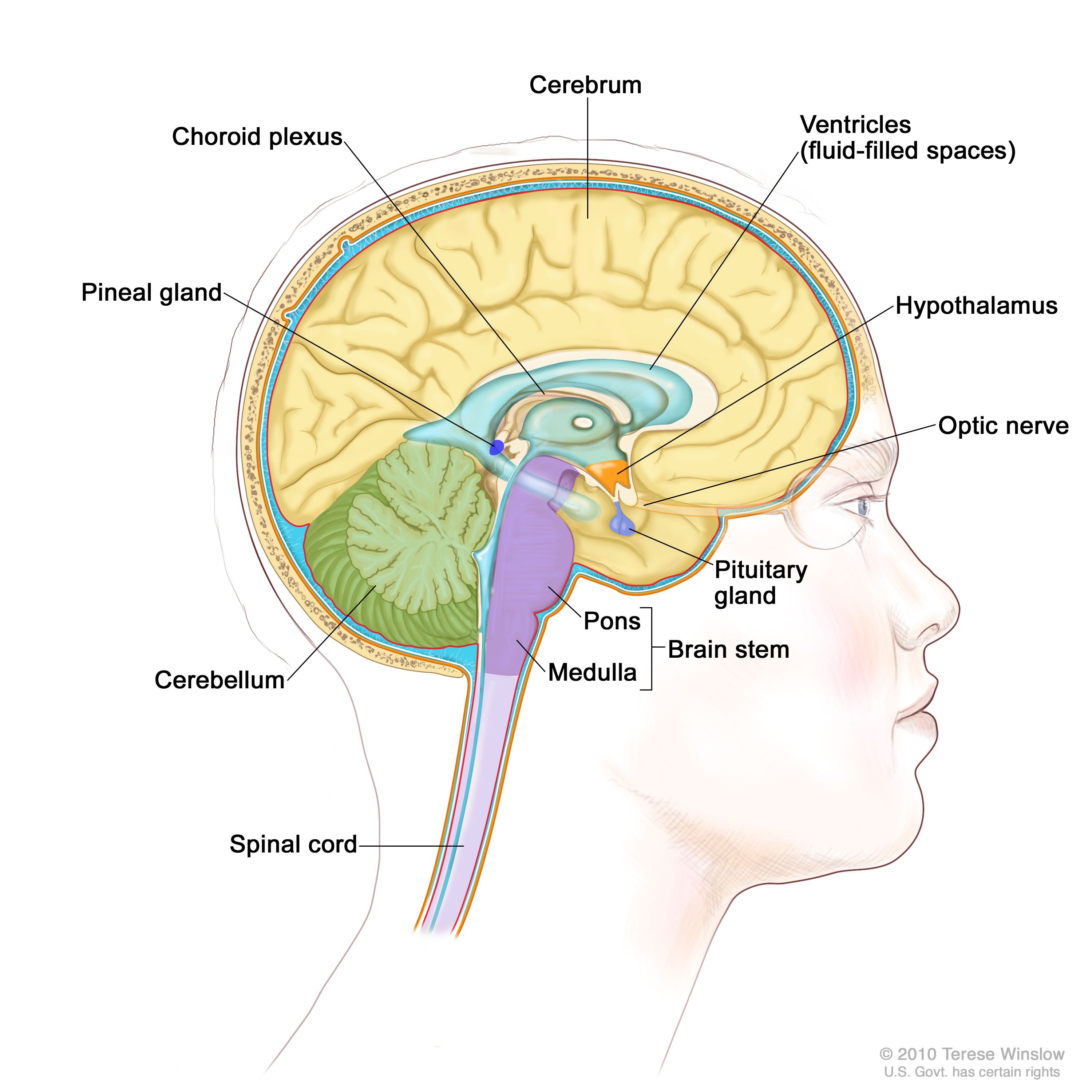
The pineal gland, once shrouded in mystique and often associated with esoteric concepts, is increasingly understood through the lens of modern science. Its role in regulating our sleep-wake cycles through melatonin production is well-established, impacting everything from our mood to our immune function.
As we navigate the complexities of the digital age, where technology constantly beckons for our attention, understanding and protecting our pineal gland’s natural rhythms is more important than ever. The intelligent integration of AI tools, the mindful use of sleep-enhancing gadgets, and a conscious effort to manage our digital consumption can all contribute to better sleep hygiene.
Furthermore, by recognizing the link between our biological rhythms and our capacity for focused work, authentic self-expression, and sound decision-making, we can leverage this understanding to enhance our personal branding efforts and achieve greater success in our financial pursuits. The pineal gland, therefore, serves as a fascinating bridge between the ancient wisdom of our biology and the ever-evolving landscape of our modern world, reminding us that true productivity and well-being are rooted in a harmonious integration of both. By prioritizing our sleep and respecting our natural rhythms, we unlock a fundamental aspect of our potential, enabling us to thrive in all facets of our lives.
aViewFromTheCave is a participant in the Amazon Services LLC Associates Program, an affiliate advertising program designed to provide a means for sites to earn advertising fees by advertising and linking to Amazon.com. Amazon, the Amazon logo, AmazonSupply, and the AmazonSupply logo are trademarks of Amazon.com, Inc. or its affiliates. As an Amazon Associate we earn affiliate commissions from qualifying purchases.