
The term “narcissist” is frequently tossed around in casual conversation, often to describe someone perceived as vain, self-centered, or lacking empathy. However, understanding what truly constitutes a narcissist involves delving deeper than superficial observations. This article aims to clarify the concept of narcissism, exploring its psychological underpinnings and, crucially, how these traits can manifest and impact individuals within the realms of technology, branding, and personal finance – areas that are increasingly intertwined with our digital and professional lives.
Understanding the Core of Narcissism
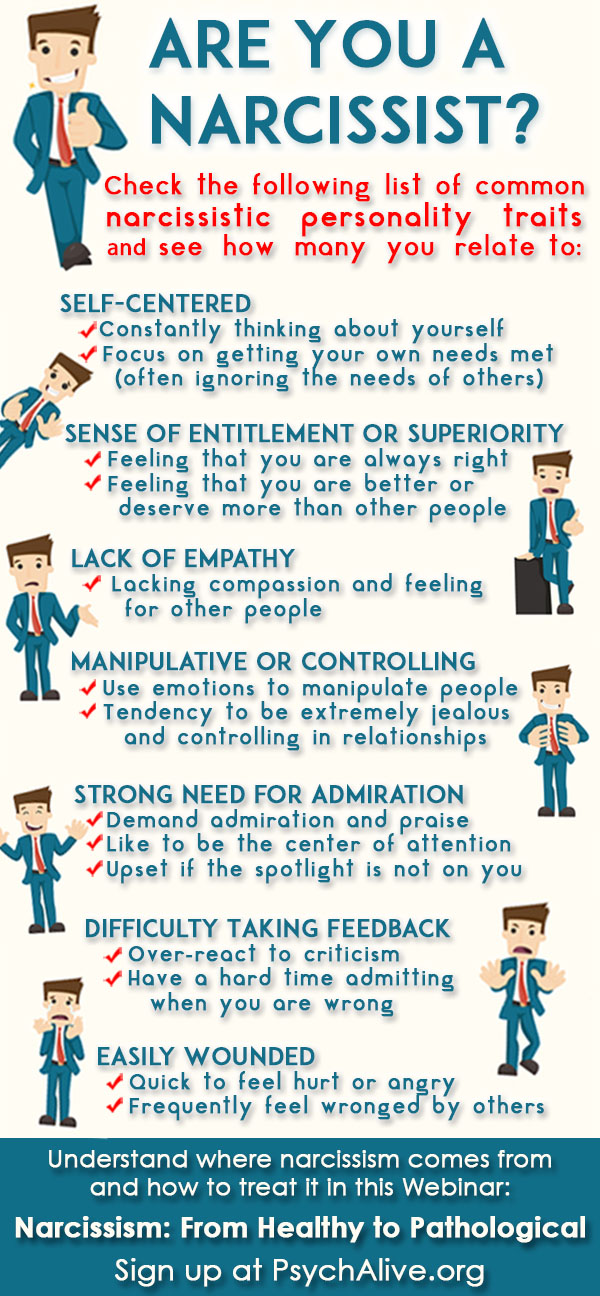
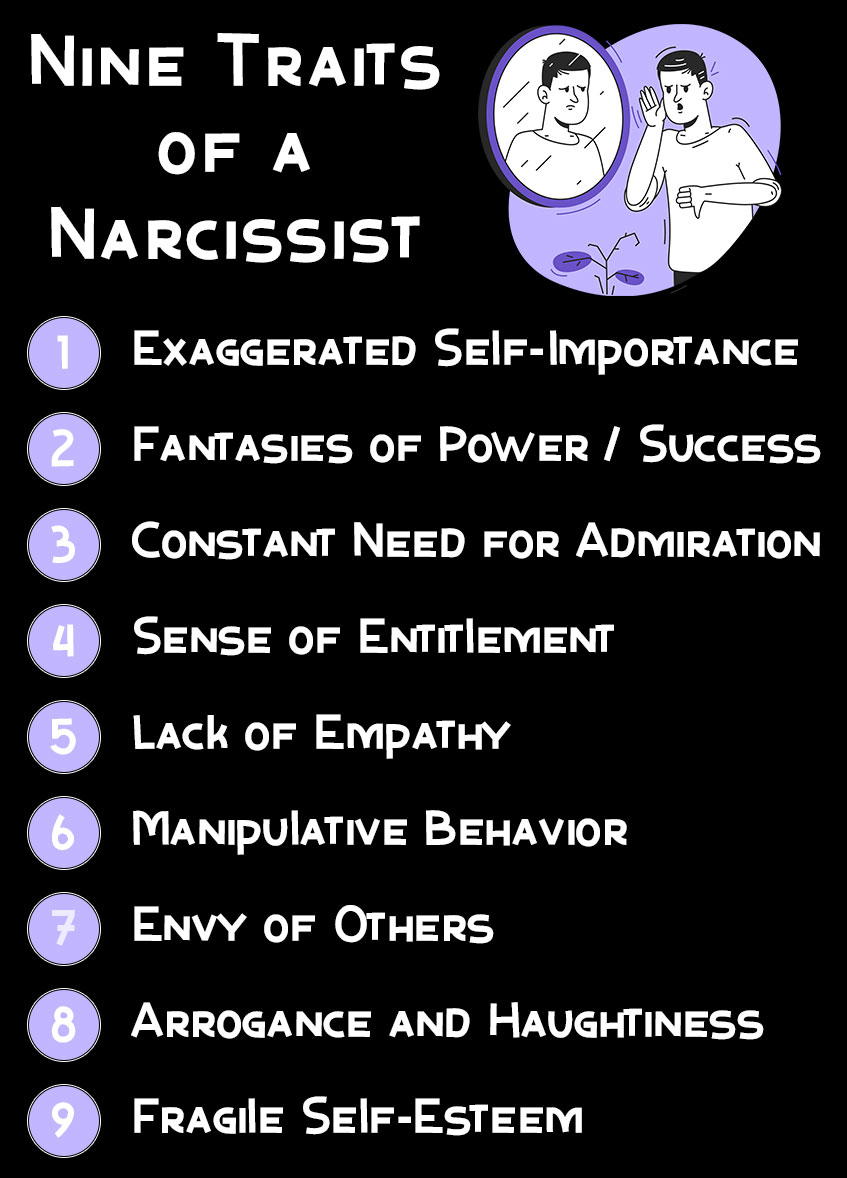
At its heart, narcissism refers to a personality disorder characterized by an inflated sense of self-importance, a deep need for excessive attention and admiration, troubled relationships, and a lack of empathy for others. While a spectrum of narcissistic traits exists, from mild self-admiration to severe narcissistic personality disorder (NPD), the underlying pattern involves a grandiose self-view that masks a fragile self-esteem.
Grandiosity and the Illusion of Superiority
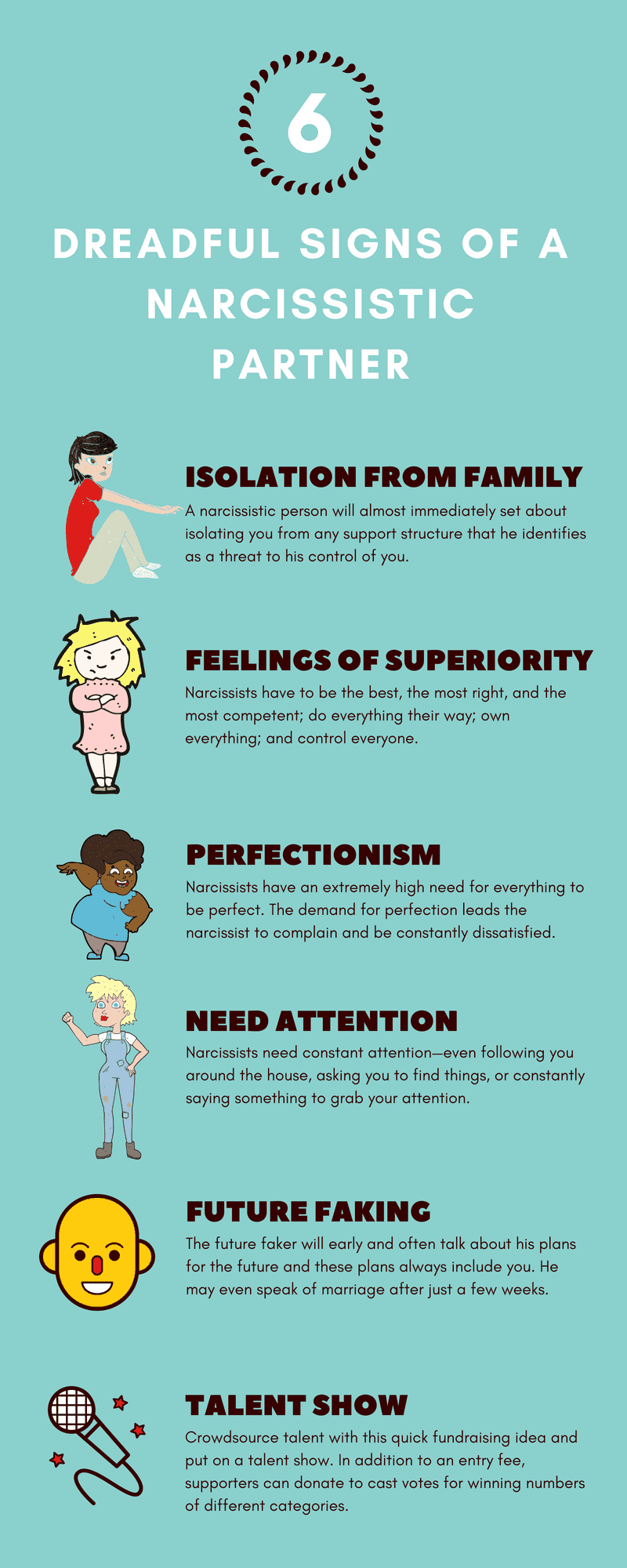
One of the most prominent features of narcissism is grandiosity. Individuals with strong narcissistic tendencies often believe they are special, unique, and superior to others. This belief can translate into an exaggerated sense of their accomplishments and talents, even when evidence to the contrary exists. They may boast about their achievements, downplay the contributions of others, and expect to be recognized as superior, regardless of their actual standing. This grandiosity serves as a defense mechanism, protecting a deeply insecure ego from perceived criticism or failure.
The Insatiable Need for Admiration
Complementing their grandiose self-perception is an insatiable need for admiration. Narcissists crave attention and validation from others. They thrive on praise and accolades, seeking constant affirmation of their perceived specialness. This can manifest as a constant need to be the center of attention, a tendency to monopolize conversations, and a disappointment or anger when they don’t receive the admiration they feel they deserve. This relentless pursuit of external validation highlights the fragility of their self-worth, which is contingent on the opinions of others.
Empathy Deficit: The Chasm of Understanding
A defining characteristic of narcissism is a profound lack of empathy. Narcissists struggle to understand or share the feelings of others. They often view people as objects to be used to satisfy their own needs and desires. This emotional disconnect can lead to exploitative behavior, where they may manipulate or take advantage of others without remorse. They may dismiss or invalidate the emotions of those around them, viewing their own feelings as paramount and others’ as insignificant. This deficit in empathy significantly impacts their interpersonal relationships, making genuine connection and mutual understanding difficult.
Entitlement and Exploitative Tendencies
Individuals with narcissistic traits often exhibit a sense of entitlement, believing they are deserving of special treatment and automatic compliance with their expectations. They may feel that rules don’t apply to them and that others should cater to their needs without question. This entitlement can fuel exploitative tendencies. They are prone to taking advantage of others, believing they have the right to do so. This might involve using people for personal gain, manipulating situations to their advantage, or disregarding the boundaries and well-being of others in pursuit of their own goals.
Narcissism in the Digital Age: Tech and Online Presence
The rise of technology and social media has created fertile ground for narcissistic traits to manifest and even be amplified. The digital landscape offers unprecedented opportunities for self-promotion and the accumulation of superficial validation, making it a stage where narcissistic behaviors can flourish.
The Social Media Arena: A Narcissist’s Playground
Social media platforms are often described as a digital stage for self-performance, and for individuals with narcissistic tendencies, this is particularly true. They can curate an idealized version of themselves, meticulously crafting an online persona that aligns with their grandiose self-image. They may post frequently, share meticulously edited photos, and engage in self-congratulatory posts, all designed to elicit likes, comments, and shares – the modern currency of admiration.
- Curated Realities and the Pursuit of Likes: The constant stream of carefully selected content serves to bolster their inflated sense of self. Every like and positive comment acts as a validation, feeding the insatiable need for admiration. This can lead to an obsessive focus on online engagement, where their self-worth becomes intrinsically linked to their digital popularity.
- The Amplification of Grandiosity: Online platforms allow narcissists to project an image of success, happiness, and perfection, often divorced from reality. They can exaggerate achievements, downplay failures, and present a life that appears far more exciting and accomplished than it is. This amplified grandiosity, when met with positive online feedback, can further entrench their distorted self-perception.
- Online Conflicts and Trolling: The lack of immediate face-to-face consequence can embolden individuals with narcissistic traits to engage in aggressive or confrontational online behavior. They might be quick to anger when challenged, engage in online arguments, or even resort to trolling behavior, where they intentionally provoke or upset others to gain attention or a sense of power.
AI Tools and the Illusion of Effortless Brilliance
As artificial intelligence (AI) tools become more sophisticated, they can also be leveraged by individuals with narcissistic traits to further enhance their image and projects. From AI-powered writing assistants that can generate impressive-sounding content to design tools that create visually appealing graphics, these technologies can help individuals present themselves as more competent and knowledgeable than they might actually be.
- Leveraging AI for Content Creation: AI can assist in generating articles, social media posts, or even presentations, allowing individuals to appear prolific and insightful with minimal personal effort. This can be particularly appealing to those who seek admiration for their output without necessarily possessing the underlying skills or knowledge.
- AI-Generated Designs and Visuals: Tools that create professional-looking graphics, logos, or website layouts can help individuals project a polished and successful brand image. This can be a shortcut for those who lack design skills but desire a sophisticated visual representation of themselves or their ventures.
- The Risk of Superficiality: While AI tools can be incredibly beneficial, their overuse by individuals with narcissistic tendencies can lead to a superficial presentation. The generated content might lack genuine depth or originality, and the impressive visuals might mask an underlying lack of substance. This can ultimately lead to a disconnect between the projected image and the actual capabilities.
Narcissism and Personal Branding: Crafting the Impeccable Image
In today’s competitive landscape, personal branding is crucial for career advancement and influence. For narcissists, personal branding can be a powerful tool to cultivate the admiration and recognition they crave.
The Art of Self-Promotion and Image Management
Narcissists excel at self-promotion. They are adept at highlighting their perceived strengths and downplaying any weaknesses. Their personal branding efforts are often focused on creating an aspirational and untouchable image, positioning themselves as experts or leaders in their field, even if their expertise is limited.
- Building a Grandiose Narrative: Their personal brand story is often one of continuous success, overcoming insurmountable odds (often embellished), and inherent talent. They meticulously craft narratives that emphasize their uniqueness and exceptionalism.
- Strategic Networking and Association: Narcissists are often skilled at strategically networking, seeking out influential individuals who can further enhance their reputation. They may gravitate towards opportunities where they can be seen alongside successful people, associating themselves with their prestige.
- Controlled Public Appearances: In professional settings, they may carefully control their public appearances, ensuring they are always perceived in the best possible light. This can involve meticulous preparation for presentations, public speaking engagements, and even informal interactions.
The “Hustle Culture” and the Narcissistic Drive
The popular “hustle culture” – the emphasis on relentless work, ambition, and entrepreneurial spirit – can inadvertently cater to and even reward narcissistic traits. The constant drive to achieve, the celebration of individual success, and the glorification of “grinding” can be interpreted and exploited by those with narcissistic tendencies.
- Glorifying Overwork and Sacrifice: Narcissists may use the narrative of excessive work and personal sacrifice to project an image of dedication and superiority. They may romanticize burnout as a badge of honor, further solidifying their self-perception as exceptional individuals.
- Competitive Drive and the “Win at All Costs” Mentality: The competitive nature of hustle culture can appeal to a narcissist’s desire to be the best. This can lead to a “win at all costs” mentality, where they may engage in unethical or manipulative tactics to outmaneuver rivals.
- The Pursuit of Visible Success Metrics: The focus on quantifiable achievements – likes, followers, revenue, accolades – aligns perfectly with a narcissist’s need for external validation. They will often chase these metrics relentlessly to bolster their sense of self.
Narcissism and Financial Behavior: The Pursuit of Wealth and Status
The relationship between narcissism and financial behavior is complex, often revolving around the pursuit of wealth and status as a means of reinforcing their grandiose self-image.
Money as a Measure of Success and Superiority
For individuals with narcissistic traits, money is often not just a means to an end but a powerful symbol of success, power, and superiority. The accumulation of wealth can be a primary way they seek external validation and reinforce their inflated sense of self-worth.
- Display of Wealth and Status Symbols: Narcissists are often drawn to ostentatious displays of wealth – expensive cars, designer clothing, lavish homes – as these serve as tangible proof of their perceived superiority and success. These symbols are not just for personal enjoyment but are intended to impress and elicit admiration from others.
- Risk-Taking Behavior and Overconfidence in Investing: In the realm of investing, narcissistic tendencies can manifest as overconfidence and a propensity for taking on excessive risk. Believing they are uniquely insightful or immune to failure, they might make impulsive investment decisions without adequate due diligence, driven by the allure of quick and substantial gains.
- Exploitative Financial Practices: The lack of empathy and sense of entitlement can lead to exploitative financial practices. This might involve taking advantage of friends or family for financial gain, engaging in shady business dealings, or manipulating others into financially disadvantageous situations.
The Allure of Online Income and Side Hustles
The digital economy, with its plethora of online income opportunities and side hustles, can be particularly appealing to individuals with narcissistic tendencies. These avenues offer the potential for rapid wealth accumulation and public recognition, aligning perfectly with their desires.
- Chasing the “Get Rich Quick” Schemes: The allure of quick and easy money through online ventures can be a strong draw. They may jump from one online income opportunity to another, always seeking the next big breakthrough that will solidify their image as a financial genius.
- Marketing Themselves as “Experts”: Many online platforms allow individuals to market themselves as experts in various fields, regardless of their actual credentials. Narcissists can leverage this to create courses, sell e-books, or offer coaching services, projecting an image of authority and success to attract followers and clients.
- The Pitfalls of Unrealistic Financial Expectations: The constant exposure to aspirational content about online wealth can foster unrealistic financial expectations. For narcissists, this can fuel a cycle of disappointment and further attempts to prove their financial prowess, often leading to poor decision-making and financial instability.
In conclusion, understanding what constitutes a narcissist person requires looking beyond surface-level observations. While the digital age, branding strategies, and the pursuit of financial success offer potent arenas for these personality traits to manifest, it’s crucial to recognize the underlying psychological dynamics of grandiosity, a need for admiration, empathy deficits, and entitlement. By understanding these core characteristics, we can better navigate our interactions and protect ourselves from potentially harmful influences in both our personal and professional lives.
aViewFromTheCave is a participant in the Amazon Services LLC Associates Program, an affiliate advertising program designed to provide a means for sites to earn advertising fees by advertising and linking to Amazon.com. Amazon, the Amazon logo, AmazonSupply, and the AmazonSupply logo are trademarks of Amazon.com, Inc. or its affiliates. As an Amazon Associate we earn affiliate commissions from qualifying purchases.