
In the fast-paced world of sports, the thrill of competition often extends beyond the final whistle. For many, the excitement is amplified by the strategic dance of predicting outcomes, and at the heart of this prediction lies a fundamental concept: the moneyline. While the term “moneyline” might sound intrinsically linked to finance and wealth, its primary application in this context is within the realm of sports betting. Understanding what a moneyline is, how it works, and how it integrates with the broader landscape of technology, branding, and financial literacy is key to demystifying this aspect of modern entertainment and potential income streams.

This article will delve into the essence of the moneyline, exploring its origins, its mechanics, and its significance. We will also consider how advancements in technology are shaping the way we interact with betting markets, how brands leverage sports and betting to connect with audiences, and importantly, how sound financial understanding can inform responsible engagement with the moneyline and its associated opportunities.
The Genesis of the Moneyline: More Than Just a Bet
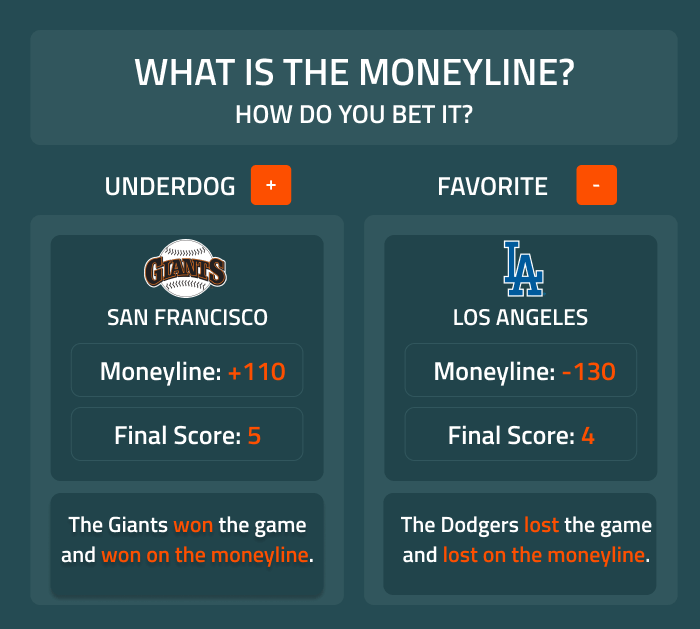
At its core, a moneyline represents the odds for a specific team or individual to win a sporting event outright. Unlike point spread bets, which focus on the margin of victory, or over/under bets, which predict the total score, the moneyline is a direct wager on who will emerge victorious. This simplicity makes it one of the most straightforward and widely used betting formats, particularly in sports like baseball, hockey, and basketball where scoring can be less predictable than in football.
The term “moneyline” itself hints at its purpose: to determine the potential monetary payout for a bet. The odds are expressed using a plus (+) or minus (-) sign, followed by a number.
Decoding the Plus and Minus: Favorite vs. Underdog
The crucial element of the moneyline lies in the presence of the plus or minus sign.
The Minus (-) Sign: Identifying the Favorite
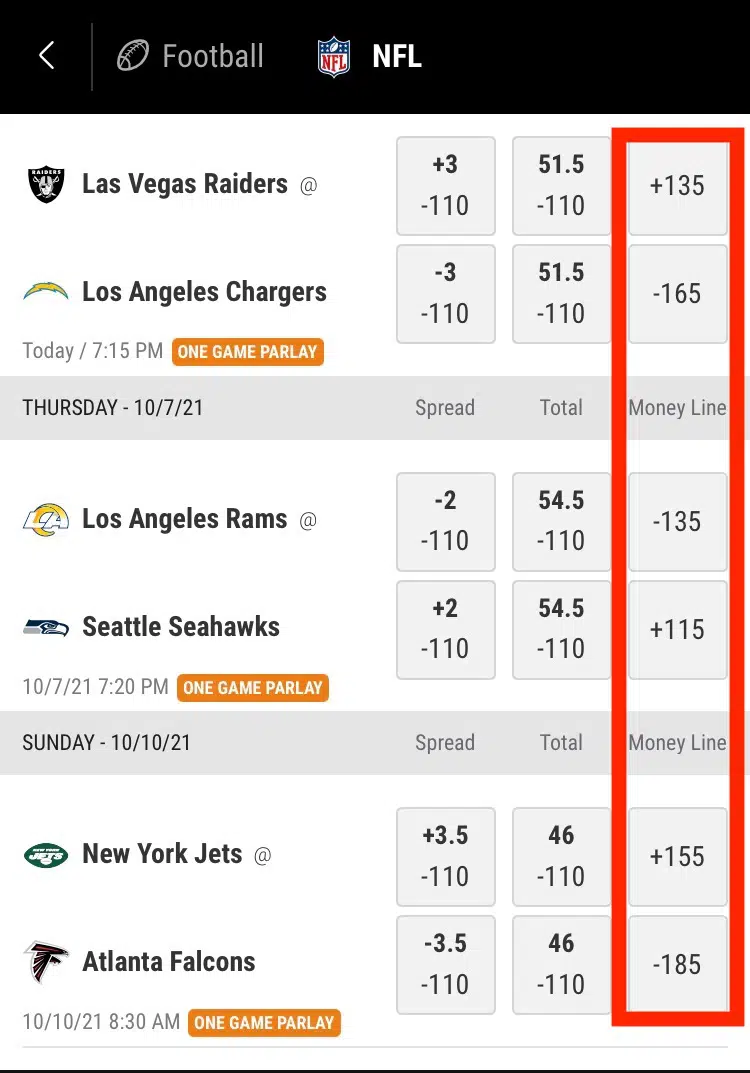
When you see a minus sign next to a team’s name or a specific outcome, it signifies that this entity is the favorite to win the game. The number following the minus sign indicates how much money you would need to wager to win $100.
For example, if a team is listed with odds of -200, it means you must bet $200 to win a profit of $100. Your total return would be $300 ($200 stake + $100 profit). The higher the number after the minus sign, the stronger the favorite and the less potential profit you stand to gain. A team with odds of -500 is a much more significant favorite than a team at -150.
The Plus (+) Sign: Spotting the Underdog
Conversely, a plus sign indicates the underdog. The number following the plus sign represents how much profit you would win on a $100 wager.
For example, if a team is listed with odds of +150, it means that for every $100 you bet, you will win a profit of $150. Your total return would be $250 ($100 stake + $150 profit). The higher the number after the plus sign, the greater the underdog and the higher the potential payout. An underdog with odds of +300 offers a significantly larger potential return than an underdog at +50.
Understanding the Zero Sum: Even Odds
In rare instances, you might encounter odds of +100 or simply no sign, indicating even odds. This means that a $100 bet would win a profit of $100, resulting in a total return of $200. This signifies an equally matched contest where the oddsmakers perceive both sides as having an equal chance of winning.
The Tech Revolution: How Technology is Reshaping the Moneyline Landscape
The way we access, understand, and even interact with moneyline odds has been profoundly transformed by technological advancements. The digital age has democratized access to sports betting information and platforms, creating a more dynamic and informed betting environment.
Online Sportsbooks and Real-Time Odds
The proliferation of online sportsbooks has made placing moneyline bets more accessible than ever. These platforms offer a vast array of betting options across numerous sports, often with real-time odds that fluctuate based on team news, player injuries, public betting trends, and other influential factors. This real-time data allows bettors to make more informed decisions and capitalize on shifting probabilities.
AI and Predictive Analytics: The Future of Odds Setting
Artificial intelligence (AI) is increasingly being employed by oddsmakers to analyze vast datasets, including historical performance, player statistics, weather conditions, and even social media sentiment. AI algorithms can identify complex patterns and predict outcomes with a higher degree of accuracy, leading to more refined and nuanced moneyline odds. While human expertise remains crucial, AI is becoming an indispensable tool in the sophisticated world of sports betting.
Mobile Apps and Accessibility
The ubiquity of smartphones means that moneyline betting is no longer confined to desktop computers. Dedicated mobile apps for sportsbooks provide a seamless and convenient experience, allowing users to check odds, place bets, and manage their accounts from virtually anywhere. This enhanced accessibility has undoubtedly contributed to the growth and popularity of sports betting.
Data Visualization and Betting Tools
Beyond just displaying odds, technology offers tools that can visualize betting data, helping bettors to understand trends, identify value, and manage their risk. From heatmaps showing where the money is going to statistical breakdowns of team matchups, these digital resources empower individuals to approach moneyline betting with a more analytical mindset.
Brand Building Through Sports and Betting: A Symbiotic Relationship
The world of sports and the world of betting are inextricably linked, and brands play a crucial role in bridging these two realms. For companies, sponsoring sports teams, leagues, or individual athletes, and for betting platforms, integrating with sports narratives, offers a powerful avenue for brand building and customer engagement.
Sponsorships and Endorsements: Aligning Brands with Victory
Sports teams and athletes are aspirational figures, embodying qualities like dedication, skill, and the pursuit of excellence. Brands that align themselves with these entities, whether through jersey sponsorships, athlete endorsements, or advertising during games, aim to associate their own identity with these positive attributes. When a team with a specific brand sponsor performs well and its moneyline odds reflect its favoritism, it can create a positive halo effect for the associated brand.
Betting Platforms as Brand Integrators
Online sportsbooks actively seek to integrate themselves into the sports ecosystem. This can involve advertising during games, sponsoring sports-related content, or developing partnerships with media outlets that cover sports extensively. By becoming a recognized and trusted name within the sports betting landscape, these platforms build their brand identity and attract a dedicated user base.
The Power of Fan Engagement
The moneyline is not just about financial transactions; it’s about generating passion and engagement. Brands that understand the emotional investment fans have in the outcome of a game can tap into this by creating interactive experiences, offering promotions tied to betting outcomes, or providing content that educates fans about the moneyline and how to engage with it. This creates a more immersive and enjoyable experience for the consumer, strengthening brand loyalty.
Case Studies in Brand Success
Many brands have successfully leveraged sports and the associated betting markets. Think of the ubiquitous presence of betting logos on sports jerseys, or the advertising campaigns that often accompany major sporting events. These strategies are not accidental; they are carefully crafted to reach a target audience that is already engaged with the excitement of competition and the allure of potential winnings. The moneyline, in this context, becomes a silent partner in these branding efforts, a subtle indicator of a team’s perceived strength and a driver of fan interest.
Financial Literacy and the Moneyline: Making Informed Decisions
While the moneyline is rooted in sports, understanding it can also serve as a gateway to developing broader financial literacy and responsible decision-making. Approaching sports betting with a mindful financial perspective is crucial.
Understanding Risk and Reward
The moneyline inherently presents a clear picture of risk and reward. A favorite with low odds offers a lower potential reward for a lower perceived risk, while an underdog with high odds presents a higher potential reward for a higher perceived risk. This mirrors fundamental investment principles, where higher potential returns typically come with greater risk. Learning to evaluate these probabilities and make calculated decisions based on perceived value can translate into better financial planning.
Bankroll Management: A Crucial Skill
Responsible engagement with sports betting, and by extension, the moneyline, hinges on effective bankroll management. This involves setting a strict budget for betting activities and sticking to it, never betting more than one can afford to lose. This principle is directly transferable to personal finance, where managing income, expenses, and savings requires discipline and foresight.
Avoiding the Gambler’s Fallacy and Emotional Decisions
The moneyline can sometimes tempt individuals to make emotional bets or fall prey to the gambler’s fallacy – the mistaken belief that past independent events influence future independent events. For instance, believing a team is “due” for a win after a string of losses, despite their unfavorable moneyline, is a classic example. Financial literacy emphasizes making rational decisions based on data and analysis, rather than emotion or superstition.
The Moneyline as a Microcosm of Market Dynamics
The fluctuations in moneyline odds, driven by public perception, expert analysis, and real-time events, offer a simplified microcosm of how markets operate. Understanding why odds shift and how information influences prices can foster a greater appreciation for market dynamics in financial investments.
Seeking Professional Guidance
For those who wish to explore more complex financial strategies, understanding concepts like risk assessment, probability, and strategic decision-making, which are inherent in deciphering the moneyline, can be a valuable stepping stone. Just as one might seek advice from a financial advisor for investments, understanding the principles of responsible engagement with any form of betting is paramount.
In conclusion, the moneyline, while appearing to be a simple sports betting term, is a multifaceted concept. It’s a direct reflection of perceived probabilities, a product of sophisticated technological analysis, and a tool that, when approached with a sound financial mindset, can even contribute to developing crucial financial literacy. By understanding its mechanics, its evolution, and its relationship with broader economic and branding principles, we can gain a richer appreciation for the dynamic interplay of sports, technology, and the pursuit of informed decisions.
aViewFromTheCave is a participant in the Amazon Services LLC Associates Program, an affiliate advertising program designed to provide a means for sites to earn advertising fees by advertising and linking to Amazon.com. Amazon, the Amazon logo, AmazonSupply, and the AmazonSupply logo are trademarks of Amazon.com, Inc. or its affiliates. As an Amazon Associate we earn affiliate commissions from qualifying purchases.