
A low blood pressure reading, often medically termed hypotension, is a state where the force of blood against your artery walls is significantly lower than normal. While high blood pressure (hypertension) often grabs more headlines due to its pervasive risks, understanding what constitutes a low reading and its potential consequences is equally vital for maintaining overall health and well-being. This exploration delves into the nuances of low blood pressure, its causes, symptoms, and how it intersects with our increasingly digital and performance-driven lives, touching upon technological advancements in health monitoring, the branding of health awareness, and financial considerations related to healthcare.
Understanding Blood Pressure: The Fundamentals
Before dissecting “low” readings, it’s crucial to grasp what blood pressure actually represents. Blood pressure is the force exerted by circulating blood on the walls of blood vessels. It’s measured in millimeters of mercury (mmHg) and is expressed as two numbers:
- Systolic Pressure (the top number): This measures the pressure in your arteries when your heart beats, pushing blood out.
- Diastolic Pressure (the bottom number): This measures the pressure in your arteries when your heart rests between beats.
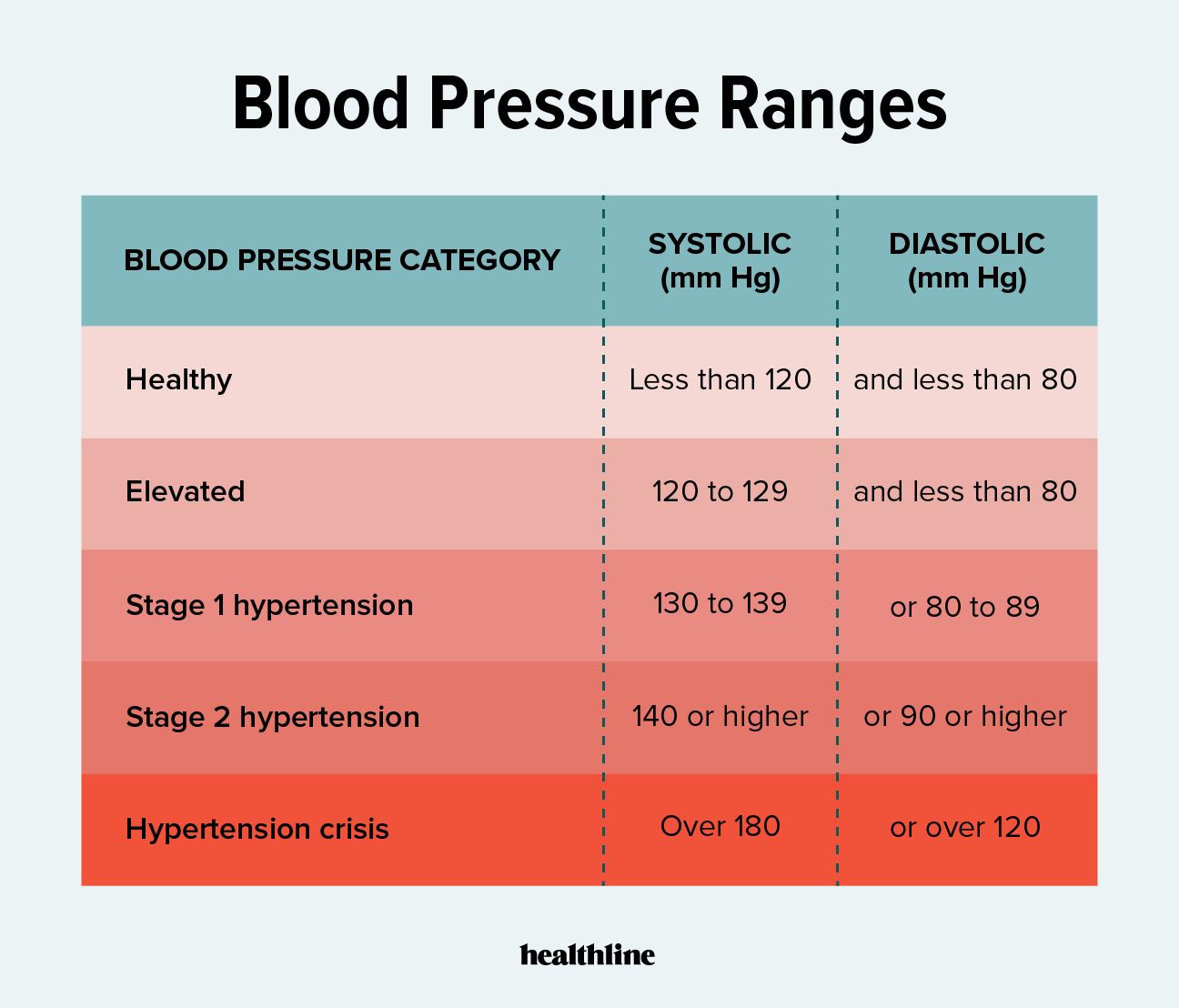
A typical healthy blood pressure reading is generally considered to be around 120/80 mmHg. However, what is considered “low” can be more nuanced and context-dependent.
What Constitutes a “Low” Reading?
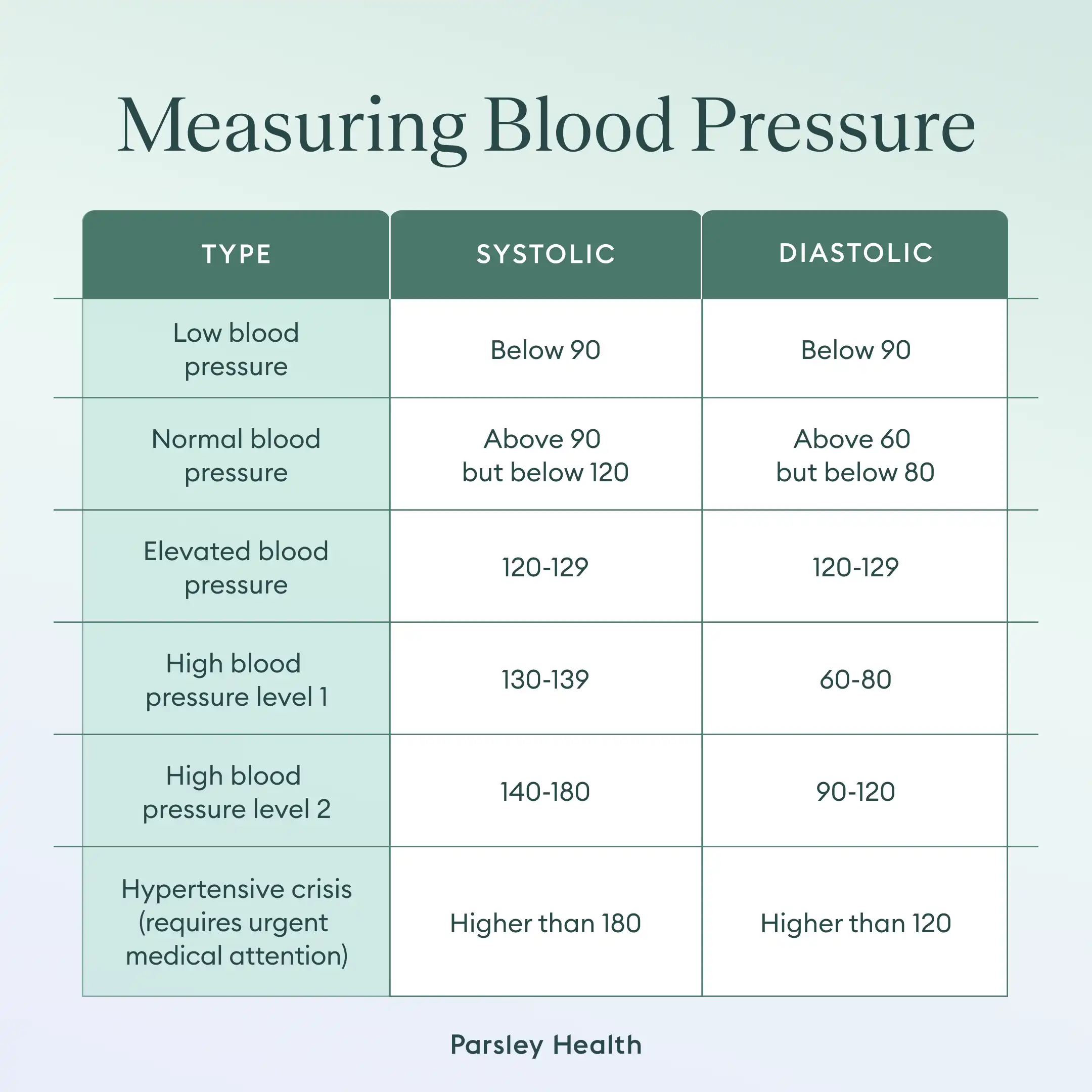
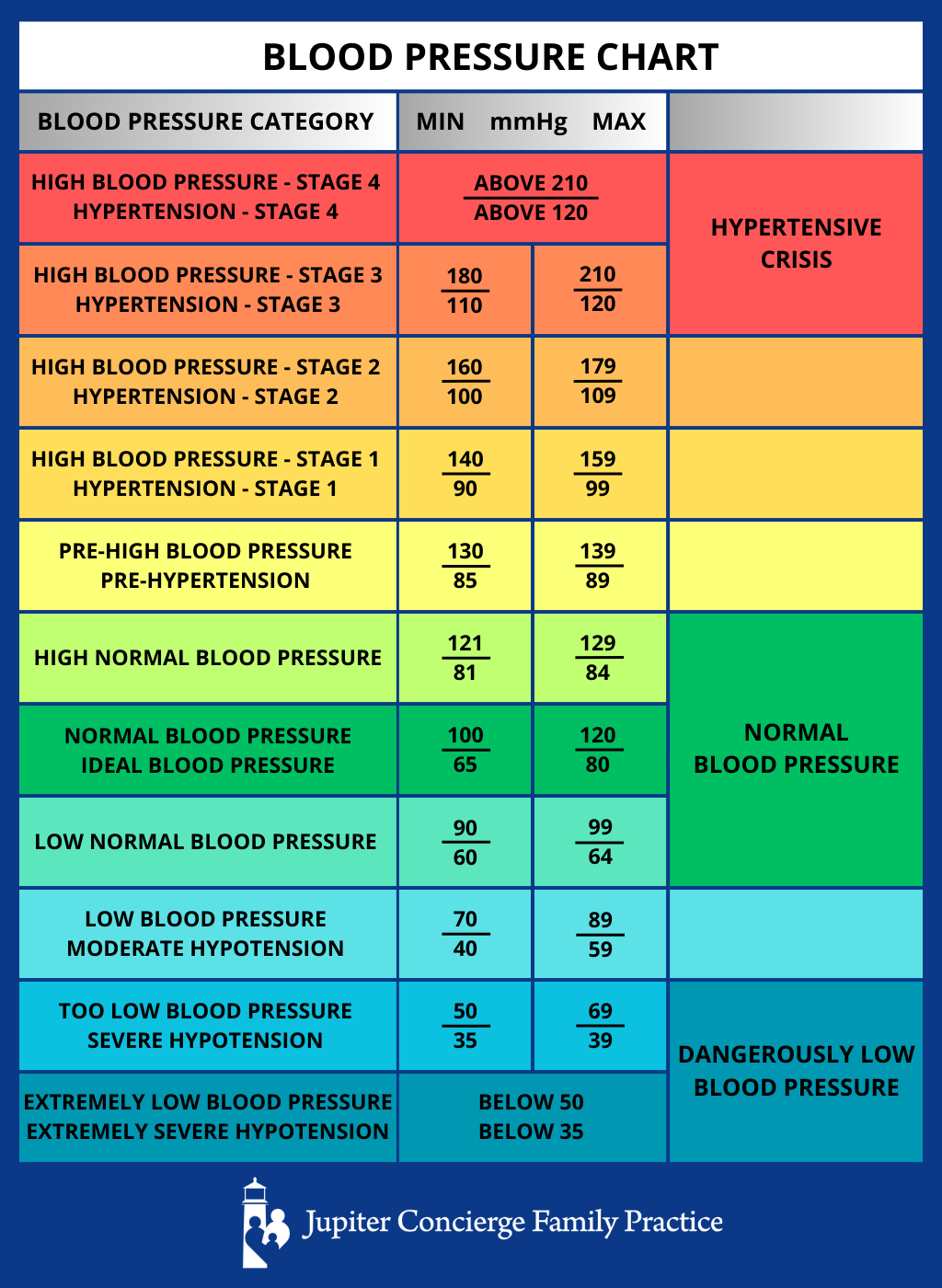
While there’s no single universal threshold that definitively labels a blood pressure reading as “low” for everyone, a sustained reading below 90/60 mmHg is often flagged by medical professionals as hypotensive. More importantly, the symptoms associated with a low reading are often the primary indicator that a blood pressure level is problematic. For some individuals, a reading of 100/70 mmHg might be perfectly normal and asymptomatic, while for others, it could lead to discomfort and health concerns.
The critical factor isn’t just the number on the sphygmomanometer, but how that number impacts the body’s ability to deliver oxygen and nutrients to vital organs. If blood pressure drops too low, organs like the brain, heart, and kidneys may not receive adequate blood supply, leading to a range of symptoms.
The Causes of Low Blood Pressure
Hypotension can arise from a variety of factors, ranging from temporary, benign conditions to more serious underlying medical issues. Understanding these causes is key to identifying and managing low blood pressure effectively.
Lifestyle and Environmental Factors
- Dehydration: When your body lacks sufficient fluids, blood volume decreases, leading to a drop in blood pressure. This can happen due to insufficient water intake, excessive sweating, vomiting, or diarrhea.
- Prolonged Standing or Sitting: In some individuals, standing for extended periods can cause blood to pool in the legs, reducing the amount of blood returning to the heart and subsequently lowering blood pressure. This is known as orthostatic hypotension, or postural hypotension.
- Heat Exposure: Spending too much time in hot environments can lead to vasodilation (widening of blood vessels) to cool the body, which can temporarily lower blood pressure.
- Medications: Certain prescription drugs are designed to lower blood pressure, such as diuretics, alpha-blockers, beta-blockers, and medications for Parkinson’s disease. If dosage is too high or combined with other factors, it can lead to readings that are too low.
- Nutritional Deficiencies: Lack of essential vitamins, particularly vitamin B12 and folate, can lead to anemia, where the body doesn’t produce enough red blood cells. Anemia can manifest as low blood pressure because there’s less blood volume circulating.
Medical Conditions
- Heart Problems: Conditions such as severely low heart rate (bradycardia), heart valve problems, heart attack, and heart failure can impair the heart’s ability to pump blood effectively, leading to hypotension.
- Endocrine Issues: Imbalances in hormones can affect blood pressure. This includes problems with the thyroid gland (hypothyroidism), adrenal insufficiency (Addison’s disease), and low blood sugar (hypoglycemia).
- Severe Infection (Sepsis): When an infection spreads throughout the body, it can lead to a life-threatening condition called sepsis, which can cause a dramatic drop in blood pressure known as septic shock.
- Allergic Reactions (Anaphylaxis): A severe, life-threatening allergic reaction can cause widespread vasodilation and a sudden, significant drop in blood pressure, leading to anaphylactic shock.
- Blood Loss: Significant bleeding, whether internal or external, directly reduces blood volume, leading to a sharp decline in blood pressure.
- Neurological Conditions: Certain neurological disorders, such as autonomic neuropathy (damage to nerves that control involuntary bodily functions), can disrupt the body’s ability to regulate blood pressure.
Symptoms of Low Blood Pressure: Recognizing the Signs
The most telling aspect of low blood pressure is its symptomatic presentation. While some individuals might have consistently low readings without any issues, others can experience a range of uncomfortable or even dangerous symptoms when their blood pressure dips.
Common Symptoms to Watch For
- Dizziness or Lightheadedness: This is one of the most frequently reported symptoms, often exacerbated when standing up quickly.
- Fainting (Syncope): In more severe cases, a significant drop in blood pressure can lead to a temporary loss of consciousness.
- Blurred Vision: Reduced blood flow to the brain can affect vision.
- Nausea: The digestive system can be sensitive to reduced blood flow.
- Fatigue: A persistent feeling of tiredness or lack of energy can be a sign of insufficient oxygen delivery to tissues.
- Lack of Concentration: Cognitive functions can be impaired when the brain isn’t receiving optimal blood supply.
- Cold, Clammy, Pale Skin: This can indicate that blood flow is being redirected away from the extremities to preserve vital organ function.
- Rapid, Shallow Breathing: The body may try to compensate for low oxygen levels by breathing faster.
When to Seek Medical Attention
While occasional dizziness might be attributed to simple dehydration or standing up too fast, persistent or severe symptoms warrant immediate medical evaluation. It’s particularly important to seek professional help if you experience:
- Fainting spells.
- Sudden, unexplained dizziness.
- Symptoms accompanied by chest pain or shortness of breath.
- Low blood pressure readings in conjunction with other concerning symptoms like confusion or weakness.
A healthcare provider can conduct a thorough assessment, including a physical examination, blood tests, and potentially further diagnostic procedures, to determine the cause of the low blood pressure and recommend the appropriate course of action.
The Tech, Brand, and Money of Blood Pressure Management
In our modern world, the conversation around health is increasingly intertwined with technology, brand messaging, and financial implications. Understanding “what is a low BP reading” is no longer solely a clinical matter but also an area influenced by these broader societal trends.
Tech: Empowering Monitoring and Early Detection
The technological landscape has revolutionized how we approach health monitoring, including blood pressure.
Smart Devices and Wearables
The rise of smartwatches, fitness trackers, and dedicated blood pressure monitors has made tracking this vital sign more accessible than ever. Many modern wearables incorporate sensors that can estimate heart rate and, in some advanced models, even offer blood pressure readings. While these devices are not a substitute for clinical-grade measurements, they provide valuable continuous data and can alert users to significant fluctuations.
- AI-Powered Health Apps: Beyond simple tracking, a growing number of AI-powered health applications can analyze blood pressure data over time. These apps can identify patterns, correlate low readings with lifestyle factors like diet, exercise, and sleep, and even provide personalized recommendations for improvement. They can also flag potential issues for users to discuss with their healthcare providers.
- Remote Patient Monitoring: For individuals with chronic conditions or those at risk of hypotension, remote patient monitoring systems allow healthcare providers to track blood pressure from a distance. This is particularly beneficial for elderly patients or those living in remote areas, ensuring timely intervention if readings become concerning.
- Digital Security of Health Data: As we rely more on digital tools for health, ensuring the security and privacy of our sensitive blood pressure data becomes paramount. Robust encryption, secure cloud storage, and transparent data usage policies from tech companies are crucial for building trust and encouraging widespread adoption of these health technologies.
Gadgets and Innovations
Innovations are constantly emerging. From non-invasive continuous blood pressure monitoring devices that can be worn discreetly to smart clothing embedded with biosensors, the future promises even more seamless integration of health tracking into our daily lives. These advancements empower individuals to take a more proactive role in understanding their bodies and identifying potential health issues, including low blood pressure, early on.
Brand: Shaping Health Awareness and Personal Branding
The way health information is presented and consumed is heavily influenced by branding and marketing.
Health Campaigns and Awareness
Public health organizations and private companies often launch campaigns to raise awareness about various health conditions, including blood pressure management. Effective branding in these campaigns uses compelling visuals, relatable stories, and clear, concise messaging to educate the public about the risks of both high and low blood pressure, encouraging proactive health checks.
- Personal Branding for Health: Individuals can also leverage their personal brand to advocate for health awareness. Sharing personal experiences with managing blood pressure, whether low or high, can resonate with others and inspire them to take their health seriously. This involves sharing reliable information, promoting healthy lifestyle choices, and encouraging dialogue about often-stigmatized health concerns.
- Corporate Identity and Employee Wellness: Companies are increasingly integrating employee wellness programs into their corporate identity. Offering accessible blood pressure screenings, educational workshops, and resources for managing health can be a key differentiator, showcasing a commitment to employee well-being. This extends to promoting a culture where employees feel comfortable discussing and addressing their health concerns.
- Design in Healthcare Communication: The design of health-related materials, from app interfaces to informational pamphlets, plays a crucial role in how information is perceived and acted upon. Intuitive navigation, clear typography, and aesthetically pleasing visuals can make complex health information, like understanding low blood pressure readings, more accessible and engaging.
Money: The Financial Dimensions of Hypotension
The financial implications of managing blood pressure are multifaceted, ranging from the cost of monitoring devices to the long-term expenses associated with treating underlying conditions.
Personal Finance and Healthcare Costs
- Cost of Monitoring: While some basic blood pressure monitors are relatively inexpensive, advanced devices and those recommended by healthcare professionals can represent a significant personal investment. Exploring insurance coverage and looking for affordable, reliable options is key.
- Medical Consultations and Treatments: If low blood pressure is diagnosed and requires treatment, this can involve doctor’s visits, diagnostic tests, and potentially prescription medications. Understanding your health insurance plan, deductibles, and co-pays is crucial for managing these expenses.
- Impact on Productivity and Income: For individuals experiencing severe or recurrent symptoms of low blood pressure, the impact on their ability to work and earn income can be substantial. Frequent dizziness, fatigue, or fainting spells can lead to missed workdays, reduced productivity, and potentially the need for adjustments in their career path.
Investing in Health and Financial Tools
- Health Savings Accounts (HSAs) and Flexible Spending Accounts (FSAs): These pre-tax accounts can be utilized to pay for eligible medical expenses, including blood pressure monitors, doctor visits, and prescription drugs, offering a way to save money on healthcare costs.
- Financial Planning for Healthcare: Long-term financial planning should always include a buffer for unexpected medical expenses. For individuals with chronic health conditions or predispositions to certain issues like blood pressure fluctuations, this becomes even more critical.
- Online Income and Side Hustles: While not directly related to treating low blood pressure, for some individuals whose health impacts their primary income, exploring online income streams or side hustles might become a financial necessity. This highlights the interconnectedness of health and financial stability.
Conclusion: A Holistic View of Blood Pressure
Understanding “what is a low BP reading” extends far beyond memorizing numbers. It involves recognizing the intricate web of factors that influence blood pressure, from the fundamental physiology of our bodies to the technological tools we use to monitor them, the messages we receive about health, and the financial realities of healthcare. By embracing a holistic perspective, individuals can better empower themselves to manage their blood pressure, detect potential issues early, and ultimately lead healthier, more fulfilling lives. Regular check-ups with healthcare professionals, informed use of technology, and a mindful approach to personal finance are all vital components in navigating the complexities of our well-being.
aViewFromTheCave is a participant in the Amazon Services LLC Associates Program, an affiliate advertising program designed to provide a means for sites to earn advertising fees by advertising and linking to Amazon.com. Amazon, the Amazon logo, AmazonSupply, and the AmazonSupply logo are trademarks of Amazon.com, Inc. or its affiliates. As an Amazon Associate we earn affiliate commissions from qualifying purchases.