
The question, “What is an HCG test?” might seem straightforward, but it unlocks a world of biological marvels, technological advancements, and surprisingly, even touches upon broader themes of brand identity and financial implications. While primarily associated with confirming pregnancy, the HCG test is a testament to how science and technology converge to provide vital information about our bodies and lives. Understanding this seemingly simple diagnostic tool reveals a fascinating interplay between biology, user experience, and the underlying infrastructure that makes it accessible.
The Science Behind the Scan: Understanding Human Chorionic Gonadotropin (HCG)
At its core, an HCG test is designed to detect the presence of Human Chorionic Gonadotropin (HCG), a hormone produced by cells that will eventually form the placenta. This hormone plays a crucial role in maintaining a pregnancy in its early stages. The production of HCG begins shortly after a fertilized egg implants in the uterine wall, typically around 6 to 10 days after conception. Its levels then rise rapidly in the first trimester, doubling approximately every 48 to 72 hours.

The Biological Indicator of Pregnancy
HCG is the body’s primary signal that pregnancy has occurred. Its detection is the bedrock upon which most pregnancy tests, both at-home and clinical, are built. The hormone circulates in the bloodstream and is also excreted in the urine. This dual presence is what allows for the development of different testing methodologies. For pregnant individuals, HCG is the hormonal herald of new life, initiating and supporting the physiological changes necessary for a developing fetus.
How HCG Signals Pregnancy to the Body
Beyond simply signaling pregnancy, HCG has a direct impact on the mother’s body. It signals the corpus luteum (a temporary endocrine structure in the ovary) to continue producing progesterone, a hormone essential for sustaining the uterine lining and preventing menstruation. Without this ongoing progesterone production, the uterine lining would shed, leading to a miscarriage. Therefore, HCG acts as a vital communication molecule, orchestrating the hormonal dialogue between the developing pregnancy and the maternal system.
The Technology of Detection: From Lab to Living Room
The journey of detecting HCG has been dramatically transformed by technological innovation, moving from complex laboratory procedures to user-friendly kits that can be used in the privacy of one’s home. This evolution reflects a broader trend in technology: making sophisticated diagnostics accessible, intuitive, and affordable.
The Evolution of Pregnancy Testing Technology
Historically, confirming pregnancy was a more involved process, often requiring medical appointments and laboratory analysis. Early methods relied on detecting HCG in urine through biological assays, which were time-consuming and less sensitive. The breakthrough came with the development of immunometric assays, particularly enzyme-linked immunosorbent assays (ELISAs) and later, lateral flow assays. These technologies enabled the creation of rapid, highly sensitive, and specific tests.
At-Home Pregnancy Tests: A Technological Marvel for Everyday Use
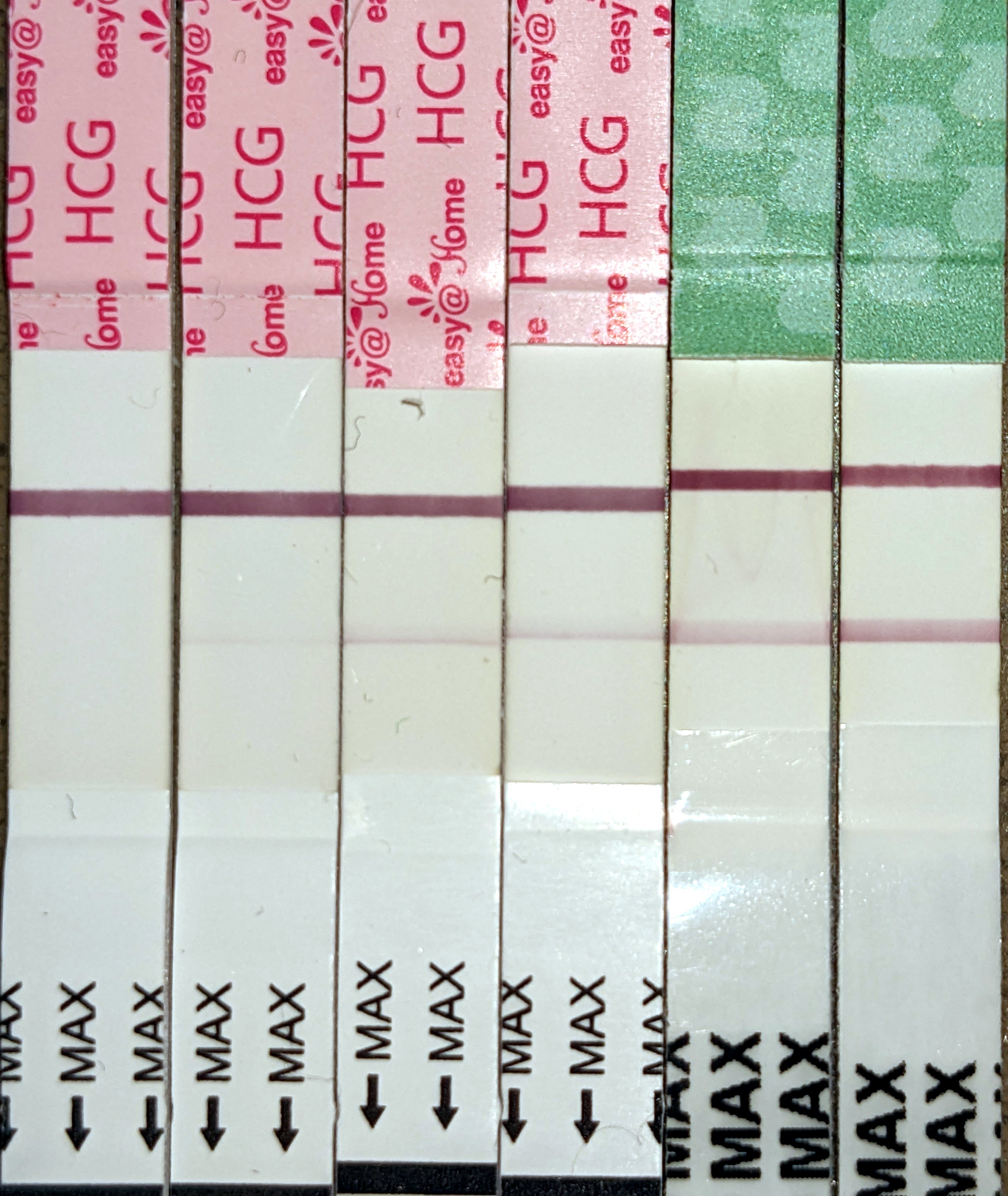
The most common application of HCG testing is through at-home pregnancy test kits. These devices, readily available in pharmacies and supermarkets, utilize lateral flow immunoassay technology. This technology involves a strip of porous material impregnated with antibodies that are specific to HCG. When urine is applied to the sample pad, it travels along the strip via capillary action. If HCG is present, it binds to the antibodies, creating a visible line or symbol on the test result window.
The design of these kits is a prime example of user-centric technological innovation. They are engineered for simplicity, requiring minimal steps and clear, unambiguous results. The visual indicators – often lines, plus signs, or digital readouts – are a form of intuitive branding for a critical life event. The accessibility and affordability of these tests have empowered countless individuals to take control of their reproductive health and make informed decisions about their bodies.
Clinical HCG Testing: Precision and Range
While at-home tests are highly accurate for detecting pregnancy, clinical HCG testing offers a greater range of applications and precision. Blood tests, for instance, can detect HCG earlier than urine tests and can also quantify the exact amount of HCG present. This quantitative measurement is crucial for:

- Monitoring Pregnancy Progression: Doctors use serial HCG blood tests to track the rate of HCG rise, which can indicate the health of a pregnancy. A slower-than-expected rise or a drop in HCG levels can sometimes signal complications like an ectopic pregnancy or a potential miscarriage.
- Diagnosing Ectopic Pregnancies: In cases of suspected ectopic pregnancy (where the fertilized egg implants outside the uterus), serial HCG measurements are vital in conjunction with ultrasound to guide management.
- Assessing Fertility Treatments: For individuals undergoing fertility treatments like IVF, HCG levels are monitored to confirm successful implantation and to guide medication dosages.
- Detecting Molar Pregnancies and Gestational Trophoblastic Disease: Extremely high levels of HCG can sometimes indicate conditions like molar pregnancies or gestational trophoblastic disease, which require specific medical intervention.
- Screening for Certain Cancers: In rare cases, elevated HCG levels in non-pregnant individuals can be a marker for certain types of cancer, such as germ cell tumors.
The technology behind clinical HCG testing often involves more sophisticated laboratory equipment, such as chemiluminescent immunoassays, which offer high sensitivity and accuracy. This demonstrates how different technological approaches cater to varying needs, from quick self-screening to in-depth medical diagnostics.
Beyond Biology: Branding, Money, and the HCG Test Experience
While the primary function of an HCG test is biological, its impact and perception extend into broader societal and economic spheres, touching upon branding, personal finance, and even digital security.
The Brand of Assurance: Trusting Your Test Results
The reliability and accuracy of HCG tests are paramount. Brands in this sector invest heavily in research and development, quality control, and marketing to build trust with consumers. The visual branding of these test kits – the packaging, the instructions, the design of the test itself – is meticulously crafted to convey a sense of accuracy, ease of use, and discretion.
Think about the user experience. A brand needs to offer a product that is not only scientifically sound but also emotionally supportive during what can be a highly anxious time. The clear visual cues on a test strip, the straightforward instructions, and the reassuring branding all contribute to building confidence in the result. A brand’s reputation in this sensitive market is built on consistent accuracy and clear communication. Reviews and word-of-mouth play a significant role in a brand’s perceived trustworthiness, directly impacting its market share and consumer loyalty. The “brand” of a pregnancy test is, therefore, inextricably linked to its scientific integrity and the emotional journey it accompanies.
Financial Implications: The Cost of Confirmation and Future Planning
The cost of an HCG test, whether an at-home kit or a clinical blood test, represents an initial financial outlay. For at-home tests, this is typically a few dollars per kit, making them an accessible option for most. However, the cumulative cost of repeated testing, especially if early results are inconclusive, can add up.
From a broader financial perspective, a positive HCG test is often the catalyst for significant financial planning. For individuals and families, the prospect of a new child triggers considerations related to:
- Healthcare Costs: Prenatal care, delivery, and ongoing medical expenses for a child.
- Childcare Expenses: Daycare, nannies, and other childcare solutions.
- Housing and Living Expenses: The need for larger living spaces, increased food bills, and clothing.
- Education Savings: Planning for future educational costs, such as college funds.
- Insurance Coverage: Understanding and navigating health insurance plans for maternity benefits and pediatric care.
The HCG test, therefore, is not just a biological indicator but a financial trigger, prompting a reassessment of personal or household budgets and future financial strategies. The availability of affordable and reliable tests democratizes this initial step, allowing for earlier planning and adaptation to impending life changes.
Digital Security and Information Privacy
In an age where health data is increasingly digitized, the information derived from an HCG test, even if self-administered, touches upon digital security and privacy. While at-home tests are typically private, the data generated from clinical tests, including blood HCG levels, are stored within electronic health records. Ensuring the security and privacy of this sensitive information is paramount.
This involves robust cybersecurity measures by healthcare providers to protect against data breaches, unauthorized access, and misuse of personal health information. For consumers, understanding their rights regarding their health data and choosing healthcare providers with strong privacy policies is crucial. While not directly part of the HCG test itself, the surrounding digital ecosystem and the security of the data it generates are an important, albeit often overlooked, aspect of modern healthcare.
Conclusion: A Small Test, A Big Impact
The HCG test, a seemingly simple diagnostic tool, serves as a powerful illustration of how technology, science, and even economic considerations converge. From the intricate biological process it detects to the sophisticated technology that enables its rapid and accessible use, the HCG test has revolutionized how we confirm pregnancy. It empowers individuals with timely information, facilitates crucial medical monitoring, and acts as the initial trigger for significant life decisions, including financial planning. As technology continues to advance, we can expect further innovations in diagnostic testing, making these vital tools even more precise, accessible, and integrated into our digital lives, all while continuing to reinforce the trust and reliability that consumers expect from the brands they rely on for life’s most important moments.
aViewFromTheCave is a participant in the Amazon Services LLC Associates Program, an affiliate advertising program designed to provide a means for sites to earn advertising fees by advertising and linking to Amazon.com. Amazon, the Amazon logo, AmazonSupply, and the AmazonSupply logo are trademarks of Amazon.com, Inc. or its affiliates. As an Amazon Associate we earn affiliate commissions from qualifying purchases.