
Understanding your pulse rate is more than just a snapshot of your immediate physical state; it’s a vital sign that can inform your overall health and well-being. While often discussed in purely medical terms, your pulse rate, especially when viewed through the lens of technology, personal branding, and financial health, reveals fascinating insights. This article will delve into what constitutes a good pulse rate across different age groups, examining how technological advancements enhance our ability to monitor it, how maintaining a healthy pulse can contribute to a stronger personal brand, and the surprising connections between cardiovascular health and financial prosperity.
The Science Behind Your Beat: Understanding Resting Heart Rate
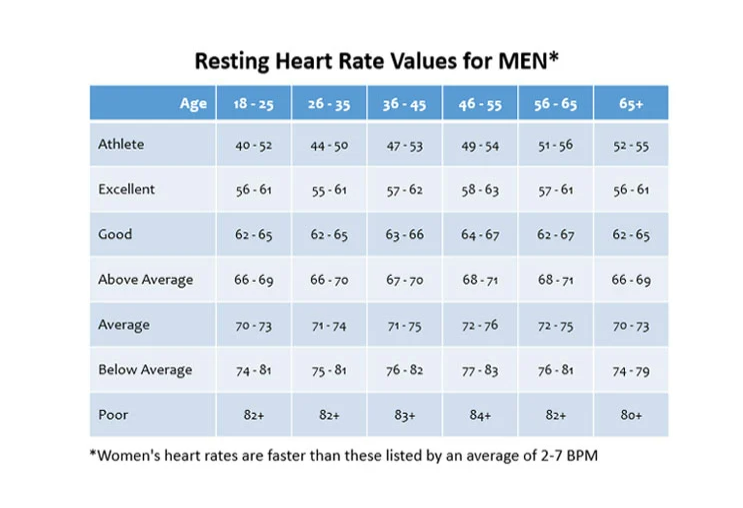
Your pulse rate, also known as your heart rate, is the number of times your heart beats per minute (bpm). It’s a fundamental indicator of how efficiently your cardiovascular system is working. A “good” pulse rate is typically defined as a resting heart rate within a normal range. The resting heart rate is measured when you are completely at rest, such as when you first wake up in the morning, before any physical activity.
Normal Resting Heart Rate Ranges by Age
It’s crucial to understand that normal ranges are just that – ranges. Individual variations exist due to genetics, fitness levels, medications, and overall health. However, general guidelines are invaluable for assessing your baseline.
Infants (0-1 year):
- Newborns (0-1 month): 100-160 bpm
- Infants (1-12 months): 80-140 bpm
The high heart rate in infants reflects their rapid growth and development. Their smaller hearts need to pump faster to deliver oxygen and nutrients throughout their bodies.
Children (1-10 years):
- Toddlers (1-2 years): 80-130 bpm
- Preschoolers (3-4 years): 70-120 bpm
- School-aged children (5-10 years): 70-110 bpm
As children grow, their heart size increases, leading to a slower, more efficient resting heart rate.
Adolescents (11-18 years):
- Adolescents (11-18 years): 60-100 bpm
The heart rate continues to stabilize as adolescents approach adulthood.
Adults (18+ years):
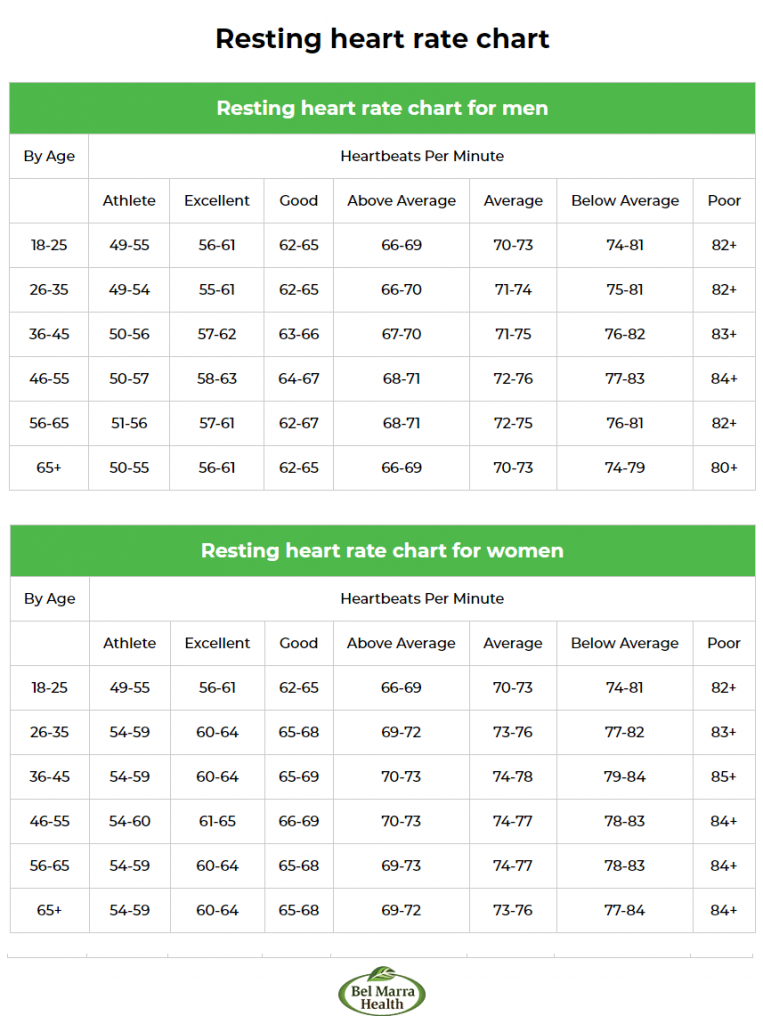
- Adults (18-65 years): 60-100 bpm
This is the most commonly cited range. For most adults, a resting heart rate between 60 and 100 bpm is considered normal. However, athletes and individuals who are very physically fit often have resting heart rates in the lower end of this range, sometimes even below 60 bpm. This is because their hearts are more efficient and can pump more blood with each beat, requiring fewer beats per minute.
Seniors (65+ years):
- Seniors (65+ years): 70-80 bpm (often a slightly higher range than younger adults)
While the general range of 60-100 bpm still applies, some sources suggest a slightly higher average resting heart rate for seniors. This can be due to natural age-related changes in the cardiovascular system, but it’s essential to distinguish between natural aging and potential health issues.
What Influences Pulse Rate?
Several factors can influence your pulse rate:
- Fitness Level: As mentioned, fitter individuals generally have lower resting heart rates.
- Body Temperature: Fever can increase heart rate.
- Medications: Certain medications can speed up or slow down heart rate.
- Emotions: Stress, anxiety, excitement, and anger can all elevate heart rate.
- Body Size: Larger individuals may have slightly higher heart rates.
- Caffeine and Nicotine: These stimulants can temporarily increase heart rate.
- Hydration: Dehydration can cause the heart to work harder, leading to a higher pulse.
- Underlying Medical Conditions: Thyroid problems, anemia, and heart disease can affect pulse rate.
The Tech-Enabled Pulse: Monitoring and Understanding Your Health
In today’s digital age, understanding your pulse rate has never been easier. Technology has democratized health monitoring, placing sophisticated tools right at our fingertips. This accessibility empowers individuals to take a more proactive role in managing their health, making informed decisions, and fostering positive lifestyle changes.
Smart Devices: Your Personal Health Companions
Wearable technology has revolutionized how we track our vital signs. Smartwatches, fitness trackers, and even some smart rings are equipped with optical sensors that can accurately measure your heart rate throughout the day and night. These devices offer continuous monitoring, providing valuable data on resting heart rate, heart rate during exercise, and recovery heart rate.
- Continuous Heart Rate Monitoring: Unlike manual checks, wearables provide a constant stream of data. This allows for the identification of trends, unusual spikes, or prolonged periods of elevated heart rate that might otherwise go unnoticed. For instance, a consistent high resting heart rate might indicate overtraining, stress, or an underlying health issue.
- Activity Tracking and Heart Rate Zones: These devices automatically correlate heart rate with physical activity. They can guide you through different training zones (e.g., fat burning, cardio, peak performance) during workouts, ensuring you’re exercising effectively and safely. Understanding your heart rate response to different activities is crucial for optimizing fitness and preventing overexertion.
- Sleep Tracking and Heart Rate: Sleep quality is intrinsically linked to cardiovascular health. Wearables often track heart rate during sleep, providing insights into how well your body is recovering. A consistently high heart rate during sleep can be a sign of poor sleep hygiene, stress, or even sleep apnea.
- Data Visualization and Insights: The accompanying apps for these devices translate raw data into easy-to-understand charts and graphs. Many now offer personalized insights and recommendations based on your data, helping you interpret your pulse rate in the context of your lifestyle.
AI and Predictive Health: The Future of Pulse Monitoring
Artificial intelligence is taking pulse monitoring to the next level, moving beyond simple tracking to predictive health. AI algorithms can analyze vast amounts of data from wearables, electronic health records, and other sources to identify patterns and predict potential health risks.
- Early Detection of Arrhythmias: AI algorithms are becoming increasingly adept at detecting subtle irregularities in heart rhythm, such as atrial fibrillation (AFib), which can be a precursor to stroke. Some smartwatches can even perform on-demand electrocardiograms (ECGs) with AI analysis, providing an early warning system.
- Personalized Health Recommendations: By analyzing your heart rate trends alongside other biometric data (sleep patterns, activity levels, etc.), AI can offer highly personalized advice. This might include suggestions for stress management techniques, optimal exercise routines, or even reminders to stay hydrated.
- Integration with Healthcare Providers: The future likely holds seamless integration of data from personal devices with healthcare professional platforms. This will enable doctors to have a more comprehensive and real-time understanding of their patients’ cardiovascular health, leading to more proactive and personalized care.
Pulse Rate and Your Personal Brand: The Signal of Well-being
Your personal brand is the unique combination of skills and experiences that you want the world to see you as. It’s about how you present yourself, both professionally and personally. While we often focus on tangible aspects like skills and communication, your health, including your pulse rate, plays an often-overlooked but significant role in shaping your brand.
The Aura of Vitality: Projecting Energy and Competence
A healthy resting heart rate is often associated with good physical condition, resilience, and energy. When you project an aura of vitality, you are perceived as someone who is capable, driven, and able to handle demands.
- Sustained Performance: Individuals with well-managed cardiovascular health are better equipped to sustain high levels of performance, whether it’s in demanding work projects, networking events, or challenging personal pursuits. A low resting heart rate can be a silent indicator of your body’s efficiency, translating to greater stamina and less susceptibility to burnout.
- Stress Management: A healthy heart is more resilient to stress. When your pulse rate remains relatively stable even in demanding situations, it signals to others that you possess strong coping mechanisms. This competence in managing pressure is highly valued and enhances your professional reputation.
- Credibility and Trust: In leadership roles, a visible commitment to personal well-being can build trust. When you prioritize your health, you set a positive example and demonstrate self-discipline – qualities that are essential for building a strong and credible brand.
The Long Game: Longevity and Reliability
Your pulse rate, as a fundamental health indicator, can also contribute to the perception of your long-term reliability and commitment.
- Endurance and Consistency: A healthy cardiovascular system suggests a body that is well-maintained and capable of long-term contribution. This translates into a brand that is perceived as reliable and sustainable, capable of weathering challenges and delivering consistent results over time.
- Reduced Risk of Disruption: Frequent health issues can lead to missed deadlines, reduced productivity, and an unpredictable presence. By maintaining a healthy pulse and overall well-being, you minimize the risk of such disruptions, reinforcing your brand as dependable and consistent.
The Pulse of Prosperity: Connecting Heart Health to Financial Well-being
The connection between physical health, particularly cardiovascular health, and financial well-being might not be immediately obvious, but research consistently highlights a strong correlation. A healthy heart can pave the way for greater financial success, and conversely, financial stability can contribute to better health choices.
The Economic Impact of a Healthy Heart
A healthy pulse rate is often a byproduct of a healthy lifestyle, which in turn has significant economic benefits.
- Reduced Healthcare Costs: A strong cardiovascular system means fewer doctor visits, fewer hospitalizations, and less reliance on expensive medications. This directly translates to lower personal healthcare expenditures, freeing up more capital for savings, investments, and discretionary spending.
- Increased Productivity and Earning Potential: As discussed in the branding section, individuals in good health tend to be more energetic, focused, and productive. This enhanced performance can lead to better job opportunities, promotions, and ultimately, higher earning potential. A body that functions efficiently is a powerful asset in the economic landscape.
- Investment in the Future: When your health is robust, you have a longer runway to build wealth and achieve your financial goals. You can invest more time and energy into developing skills, pursuing side hustles, or growing a business without being hampered by health-related limitations. This foresight and ability to plan for the long term is a hallmark of sound financial management.

The Financial Benefits of Proactive Health Management
Investing in your health, including monitoring and optimizing your pulse rate, can be viewed as a crucial investment in your financial future.
- Preventative Measures as Investments: Utilizing technology to track your pulse, making healthy dietary choices, and engaging in regular exercise are not just expenses; they are preventative investments. By mitigating the risk of costly chronic diseases, you are safeguarding your financial future.
- The Power of Discipline and Habits: The discipline required to maintain a healthy lifestyle – which often includes keeping your pulse rate in a healthy range – often extends to other areas of your life, including financial management. The habits of consistency, planning, and delayed gratification that contribute to good health are also fundamental to successful investing and budgeting.
- Mental Clarity for Financial Decisions: Physical health is closely linked to mental well-being. When your body is functioning optimally, your mind is clearer, enabling you to make better, more rational financial decisions, whether it’s choosing the right investment, negotiating a salary, or managing debt.
In conclusion, understanding your pulse rate is a gateway to a more holistic view of your well-being. By leveraging technological tools, recognizing its impact on your personal brand, and appreciating its connection to your financial prosperity, you can make informed decisions that contribute to a healthier, more successful, and more fulfilling life. Your pulse is more than just a number; it’s a vital indicator of your life’s rhythm and potential.
aViewFromTheCave is a participant in the Amazon Services LLC Associates Program, an affiliate advertising program designed to provide a means for sites to earn advertising fees by advertising and linking to Amazon.com. Amazon, the Amazon logo, AmazonSupply, and the AmazonSupply logo are trademarks of Amazon.com, Inc. or its affiliates. As an Amazon Associate we earn affiliate commissions from qualifying purchases.