
Understanding your cholesterol numbers is a crucial step towards managing your cardiovascular health. While the term “cholesterol score” might sound like a simple pass or fail, the reality is more nuanced. It’s a complex interplay of different types of cholesterol and other factors that contribute to your overall risk. This article aims to demystify cholesterol, explaining what constitutes a “good” score, and how you can proactively manage it, drawing parallels to how we approach technology, branding, and financial management – areas where understanding metrics and making informed decisions are paramount.

Understanding the Different Types of Cholesterol
Before diving into what makes a cholesterol score “good,” it’s essential to understand the two primary types of cholesterol your doctor will likely measure:
Low-Density Lipoprotein (LDL) Cholesterol: The “Bad” Cholesterol
Often referred to as “bad” cholesterol, LDL cholesterol is the primary culprit in building up plaque in your arteries. When LDL levels are high, it can lead to atherosclerosis, a condition where your arteries become narrowed and hardened, restricting blood flow. This restriction increases your risk of heart attack and stroke.
Think of LDL cholesterol like a digital spam filter that’s malfunctioning. If it lets too much junk mail through (excess LDL), it clogs up your system (arteries), making it harder for important information (blood) to get through. In the digital world, we have tools and algorithms to manage spam effectively. Similarly, in our bodies, we have mechanisms that can help regulate LDL cholesterol, but they often require conscious effort and sometimes medical intervention.
High-Density Lipoprotein (HDL) Cholesterol: The “Good” Cholesterol
On the flip side, HDL cholesterol is known as the “good” cholesterol. Its job is to collect excess cholesterol from your arteries and transport it back to your liver, where it can be processed and eliminated from your body. Higher levels of HDL cholesterol are generally considered protective against heart disease.
In the context of technology, HDL cholesterol is like a robust cybersecurity system. It actively scans for and neutralizes threats, preventing them from causing damage. A strong cybersecurity protocol ensures the integrity and smooth functioning of your digital assets, just as healthy HDL levels help maintain the clear passage of blood in your arteries.
Triglycerides: Another Key Player
While not technically cholesterol, triglycerides are a type of fat found in your blood. High triglyceride levels, especially when combined with high LDL or low HDL cholesterol, can also increase your risk of heart disease. Triglycerides are often linked to diet, particularly the consumption of sugars and refined carbohydrates.
Consider triglycerides as the temporary cache files in your computer. While some are necessary for performance, an excessive buildup can slow things down and even lead to system instability. Clearing out these temporary files regularly is crucial for optimal functioning, much like managing triglyceride levels through diet and lifestyle.
What Constitutes a “Good” Cholesterol Score?
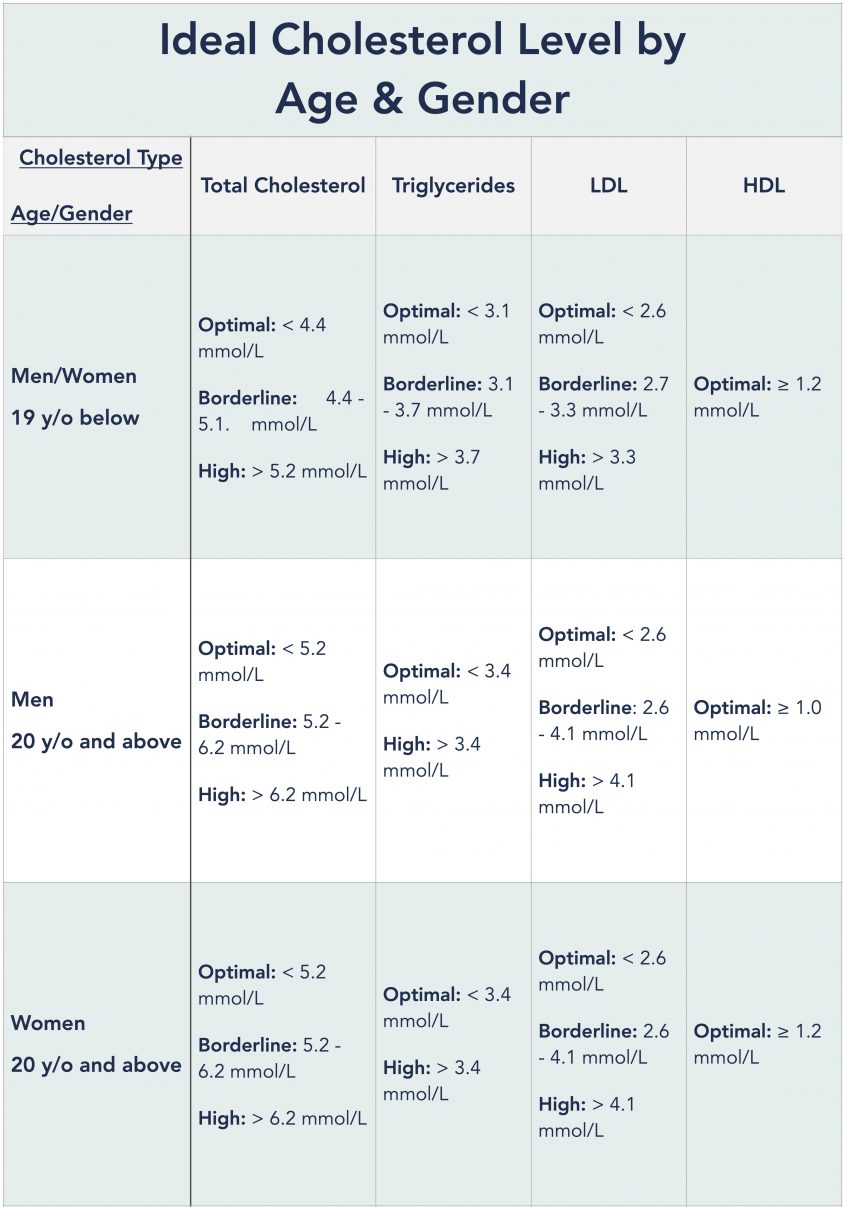
Defining a “good” cholesterol score isn’t a one-size-fits-all answer. It depends on your individual risk factors, including age, gender, family history, existing health conditions (like diabetes or high blood pressure), and lifestyle choices. However, healthcare professionals generally aim for the following targets:
LDL Cholesterol Targets
For most adults, the ideal LDL cholesterol level is below 100 mg/dL (milligrams per deciliter).
- Optimal: Less than 100 mg/dL
- Near Optimal/Above Optimal: 100-129 mg/dL
- Borderline High: 130-159 mg/dL
- High: 160-189 mg/dL
- Very High: 190 mg/dL and above
However, for individuals with existing heart disease or very high risk factors, doctors might aim for an even lower LDL goal, sometimes as low as below 70 mg/dL. This aggressive target is similar to how businesses might invest heavily in robust security protocols to protect highly valuable data.
HDL Cholesterol Targets
The higher the HDL cholesterol, the better.
- Good: 60 mg/dL and above (considered cardioprotective)
- Acceptable: 40-59 mg/dL
- Low (Increased Risk): Below 40 mg/dL for men and below 50 mg/dL for women
Think of HDL cholesterol as your brand’s reputation. A strong, positive reputation (high HDL) actively attracts and retains goodwill, shielding the brand from negative influences. A weak reputation (low HDL) leaves the brand vulnerable to public scrutiny and market challenges. Building and maintaining a strong brand requires consistent effort and strategic initiatives, just like increasing your HDL levels.
Triglyceride Targets
- Normal: Less than 150 mg/dL
- Borderline High: 150-199 mg/dL
- High: 200-499 mg/dL
- Very High: 500 mg/dL and above
Maintaining healthy triglyceride levels is akin to optimizing your financial portfolio. Just as a diversified and well-managed portfolio aims for steady growth and minimal risk, keeping triglycerides in check contributes to a healthier overall financial state for your body. Unmanaged high triglycerides can be a red flag, similar to how unchecked business expenses can signal financial distress.
The Importance of Total Cholesterol
While individual LDL and HDL numbers are critical, doctors also consider your total cholesterol. Total cholesterol is the sum of your LDL, HDL, and 20% of your triglyceride level.
- Desirable: Less than 200 mg/dL
- Borderline High: 200-239 mg/dL
- High: 240 mg/dL and above
A total cholesterol level below 200 mg/dL is generally considered desirable. However, it’s crucial to remember that this number alone doesn’t tell the whole story. Someone with a total cholesterol of 220 mg/dL might be at lower risk than someone with a total of 200 mg/dL if the former has significantly higher HDL. This is why a comprehensive lipid panel is essential.
Factors Influencing Your Cholesterol Score
Just as technology trends, brand perception, and financial markets are influenced by a multitude of external and internal factors, your cholesterol score is shaped by several elements:
Lifestyle Choices: The Core of Management
This is where you have the most control, much like optimizing your productivity tools or refining your personal brand.
Diet: Fueling Your Body Wisely
What you eat directly impacts your cholesterol levels.
- Limit Saturated and Trans Fats: Found in red meat, full-fat dairy products, and many processed foods, these fats can raise LDL cholesterol. Think of these as outdated software or inefficient processes that hinder performance.
- Embrace Healthy Fats: Unsaturated fats found in olive oil, avocados, nuts, and fatty fish (rich in omega-3 fatty acids) can help lower LDL and raise HDL. These are like the latest innovative apps or a strong brand strategy that enhance your overall well-being.
- Increase Soluble Fiber: Found in oats, beans, fruits, and vegetables, soluble fiber can help lower LDL cholesterol. This is akin to regular system updates and defragmentation, keeping your internal systems running smoothly.
- Reduce Added Sugars: High sugar intake can increase triglyceride levels. This is comparable to unnecessary digital clutter or a poorly defined brand message that can dilute your impact.
Physical Activity: The Engine of Health
Regular exercise is a powerful tool for improving cholesterol.
- Aerobic Exercise: Activities like brisk walking, running, swimming, and cycling can help lower LDL and triglycerides while raising HDL. This is your body’s equivalent of a high-performance engine, running efficiently and powerfully.
- Strength Training: While its impact on cholesterol is less direct, strength training contributes to overall health and can improve body composition, indirectly benefiting cholesterol levels. This is like building a robust infrastructure around your core operations.
Weight Management: Finding the Balance
Being overweight or obese can negatively affect cholesterol levels, particularly by raising LDL and triglycerides and lowering HDL. Losing even a modest amount of weight can significantly improve your numbers. This is about efficient resource allocation and optimizing your operating capacity, much like a lean startup or a streamlined digital process.
Smoking: A Detrimental Factor
Smoking damages blood vessels and lowers HDL cholesterol. Quitting smoking is one of the most impactful things you can do for your cardiovascular health, analogous to removing a significant security vulnerability from your system.
Alcohol Consumption: Moderation is Key
Excessive alcohol intake can raise triglyceride levels. Moderate consumption might have some benefits for HDL, but it’s crucial to stay within recommended limits. This is like managing your digital subscriptions – too many can become a financial drain, while a few well-chosen ones can enhance productivity.
Genetics: The Unchangeable Blueprint
While lifestyle plays a huge role, genetics also influences your cholesterol levels. Some individuals inherit a predisposition to higher cholesterol, a concept similar to inherent brand equity or established technological platforms. Even with the best efforts, some genetic factors might require more aggressive management strategies.
Age and Gender: Natural Progression
Cholesterol levels can change with age. As people get older, their cholesterol levels tend to rise. Gender also plays a role; men generally have higher LDL levels than pre-menopausal women, but this gap often closes after menopause. This is like the natural lifecycle of technology or brand evolution – changes are expected and need to be adapted to.
How to Get and Interpret Your Cholesterol Score
Getting your cholesterol score is a simple process.
The Lipid Panel Blood Test
A healthcare professional will order a lipid panel, which requires a blood sample. You’ll typically need to fast for 9-12 hours before the test, as food intake can temporarily affect triglyceride levels.
Understanding the Report
Your lipid panel report will detail your total cholesterol, LDL cholesterol, HDL cholesterol, and triglyceride levels. It’s crucial to discuss these results with your doctor. They will consider your entire health profile to determine what your “good” cholesterol score truly is and what steps, if any, you need to take.
Comparing your numbers to the general guidelines is a starting point, but your doctor’s interpretation, based on your individual risk factors, is paramount. This is akin to a marketing analyst reviewing campaign data: raw numbers are presented, but the true value comes from the analyst’s understanding of market context and strategic goals to derive actionable insights.
Strategies to Improve Your Cholesterol Score
If your cholesterol numbers aren’t in the ideal range, don’t despair. Many effective strategies can help you improve them.
Diet and Exercise Modifications
As discussed earlier, adopting a heart-healthy diet and engaging in regular physical activity are fundamental. These are your primary tools for proactive health management, much like investing in user experience design or implementing agile development methodologies to ensure the success of a tech product.
Medications: When Lifestyle Isn’t Enough
For some individuals, lifestyle changes alone may not be sufficient to reach their cholesterol goals, especially if genetics play a significant role or if they have existing cardiovascular disease. In such cases, your doctor may prescribe cholesterol-lowering medications, such as statins.
Statins work by blocking an enzyme that your liver needs to produce cholesterol. This is comparable to using advanced security software or employing specialized AI tools to tackle complex problems that simpler methods cannot resolve. Medication is a powerful intervention, but it’s always most effective when combined with healthy lifestyle habits.
Regular Monitoring and Follow-Up
Cholesterol management is not a one-time event; it’s an ongoing process. It’s essential to have regular check-ups with your doctor to monitor your cholesterol levels and discuss any necessary adjustments to your treatment plan. This continuous monitoring and iteration are critical for success in technology, branding, and finance, ensuring you stay on track towards your objectives.
Conclusion: Proactive Health Management for a Longer, Healthier Life
Understanding what constitutes a “good” cholesterol score is the first step towards taking control of your cardiovascular health. It’s about more than just a number; it’s about adopting a proactive approach that mirrors the diligence required in managing technology trends, building a strong brand, and securing your financial future. By understanding the interplay of LDL, HDL, and triglycerides, and by making informed lifestyle choices, you can significantly influence your cholesterol levels and reduce your risk of heart disease. Consult with your healthcare provider to get personalized advice and embark on your journey to a healthier heart.
aViewFromTheCave is a participant in the Amazon Services LLC Associates Program, an affiliate advertising program designed to provide a means for sites to earn advertising fees by advertising and linking to Amazon.com. Amazon, the Amazon logo, AmazonSupply, and the AmazonSupply logo are trademarks of Amazon.com, Inc. or its affiliates. As an Amazon Associate we earn affiliate commissions from qualifying purchases.