
The human body is a marvel of intricate biological processes, and one of the most fundamental is how we manage energy. At the core of this energy management lies glucose, a simple sugar that serves as our primary fuel source. Understanding how our bodies process glucose is crucial for maintaining overall health and detecting potential issues like diabetes. This is where a glucose tolerance test (GTT) comes into play. While the term might sound technical, its purpose is straightforward: to assess how well your body handles a sugar load.

In a world increasingly driven by data and technological advancements in healthcare, understanding diagnostic tests like the GTT is becoming more accessible. From the wearable gadgets that track our fitness to the AI-powered diagnostic tools being developed, technology is revolutionizing how we approach our well-being. This article will delve into the world of the glucose tolerance test, explaining what it is, why it’s performed, how it works, and what the results signify, all through the lens of the technological, brand, and financial considerations that shape modern healthcare.
The Importance of Glucose Management for Your Health
Glucose, derived from the food we eat, enters our bloodstream. Its entry into our cells for energy production is regulated by insulin, a hormone produced by the pancreas. When this delicate balance is disrupted, it can lead to various health complications. Elevated blood glucose levels, known as hyperglycemia, can damage organs over time, while critically low levels, hypoglycemia, can cause immediate and severe symptoms.
Why is Monitoring Glucose So Crucial?
The significance of maintaining healthy blood glucose levels cannot be overstated. Chronic hyperglycemia is the hallmark of diabetes mellitus, a group of metabolic disorders characterized by persistently high blood sugar. Diabetes can lead to a cascade of serious long-term health problems, including:
- Cardiovascular Disease: Increased risk of heart attacks, strokes, and other heart-related conditions.
- Kidney Disease (Nephropathy): Damage to the kidneys, potentially leading to kidney failure.
- Nerve Damage (Neuropathy): Affecting sensory and motor functions, often starting in the extremities.
- Eye Damage (Retinopathy): Leading to vision loss and blindness.
- Foot Problems: Poor circulation and nerve damage can lead to ulcers and infections, sometimes requiring amputation.
Beyond diabetes, impaired glucose tolerance can be an indicator of prediabetes, a condition where blood sugar levels are higher than normal but not yet high enough to be diagnosed as type 2 diabetes. Prediabetes significantly increases the risk of developing type 2 diabetes, as well as heart disease and stroke. Early detection through tests like the GTT allows for timely intervention, often through lifestyle modifications, which can prevent or delay the onset of full-blown diabetes.
The proactive approach to health monitoring fostered by modern technology aligns perfectly with the preventative nature of glucose testing. Just as we track our steps with smartwatches or use apps to manage our diets, understanding our glucose metabolism empowers us to take control of our well-being.
The Glucose Tolerance Test: A Deep Dive
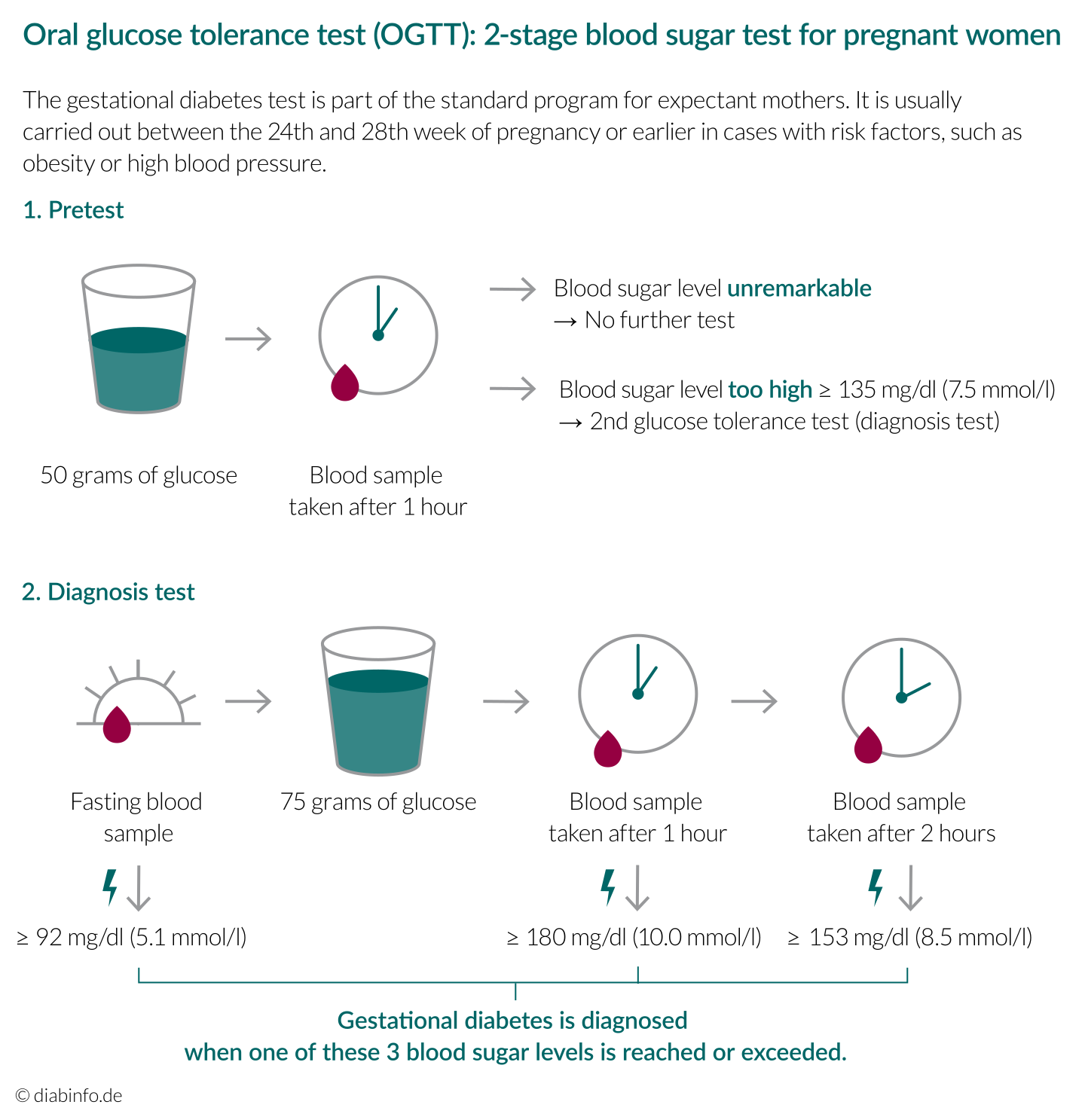
The glucose tolerance test is a medical diagnostic procedure designed to evaluate how your body metabolizes glucose. It’s particularly useful in diagnosing gestational diabetes, a type of diabetes that develops during pregnancy, and for identifying prediabetes and type 2 diabetes.
How is a Glucose Tolerance Test Performed?
The most common type of glucose tolerance test is the Oral Glucose Tolerance Test (OGTT). Here’s a breakdown of the typical process:
- Fasting: The test usually begins with a fasting blood draw. You’ll be instructed to fast for at least 8-12 hours before the test, meaning no food or drinks other than water. This ensures that your baseline blood glucose level is measured without the influence of recent meals.
- Initial Blood Draw: A sample of your blood is taken to measure your fasting blood glucose level.
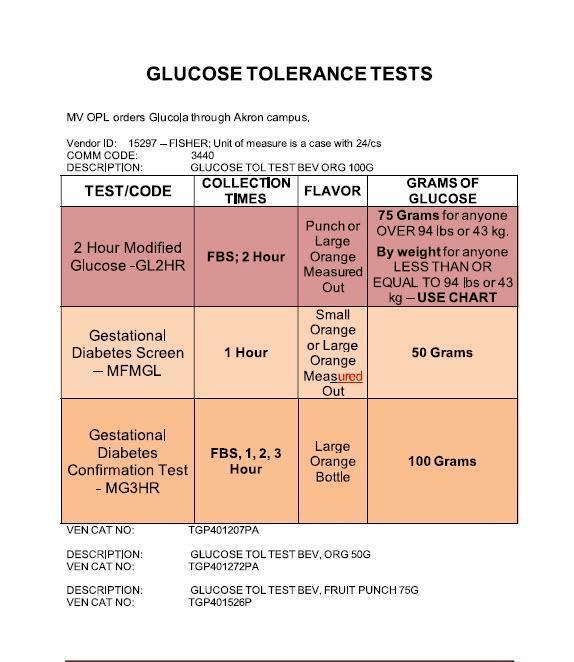
- Glucose Beverage: You will then be given a sugary drink, typically containing 75 grams of glucose (though the amount can vary, especially for gestational diabetes testing). This drink is designed to give your body a standardized glucose challenge.
- Waiting Period: After consuming the glucose drink, you’ll typically wait for two hours. During this time, it’s important to remain seated and avoid strenuous activity, as physical exertion can affect your blood glucose levels.
- Subsequent Blood Draws: At specific intervals (commonly 1 hour and 2 hours after consuming the drink, though gestational diabetes testing might involve additional draws at 1-hour intervals over a longer period), more blood samples are taken. These samples measure how your body’s glucose levels change in response to the ingested sugar.
The entire process usually takes around 2 to 3 hours. It’s a relatively simple procedure, but its results provide invaluable insights into your body’s glucose regulation system.
Why is a GTT Prescribed?
A GTT is not a routine test for everyone. It’s typically ordered by a healthcare professional when there’s a concern about glucose metabolism. Common reasons for prescribing a GTT include:
- Suspected Diabetes or Prediabetes: If your fasting blood glucose levels are borderline high, or if you have symptoms suggestive of diabetes (increased thirst, frequent urination, unexplained weight loss, fatigue), your doctor might order a GTT.
- Gestational Diabetes Screening: All pregnant women are screened for gestational diabetes, often between weeks 24 and 28 of pregnancy. A GTT is the standard method for this screening.
- Monitoring for Diabetes in High-Risk Individuals: People with a family history of diabetes, those who are overweight or obese, individuals with a sedentary lifestyle, or those who have previously had gestational diabetes are at higher risk and may undergo regular GTTs.
- Investigating Hypoglycemia: In some cases, a GTT might be used to diagnose reactive hypoglycemia, where blood sugar levels drop too low after eating.
The ability to perform such tests efficiently and accurately relies heavily on advances in laboratory technology and the development of standardized protocols, reflecting the Tech aspect of healthcare.
Interpreting Your Glucose Tolerance Test Results
The interpretation of a GTT relies on comparing your blood glucose levels at different time points to established diagnostic criteria. These criteria are set by medical organizations and can vary slightly depending on the specific test protocol and the individual’s circumstances.
Understanding the Numbers: What Do They Mean?
Let’s consider the typical interpretation of a standard 75-gram OGTT for diagnosing diabetes and prediabetes in non-pregnant adults:
-
Fasting Blood Glucose:
- Normal: Below 100 mg/dL (5.6 mmol/L)
- Prediabetes (Impaired Fasting Glucose): 100 to 125 mg/dL (5.6 to 6.9 mmol/L)
- Diabetes: 126 mg/dL (7.0 mmol/L) or higher on two separate tests
-
2-Hour Post-Load Blood Glucose (after the 75g glucose drink):
- Normal: Below 140 mg/dL (7.8 mmol/L)
- Prediabetes (Impaired Glucose Tolerance): 140 to 199 mg/dL (7.8 to 11.0 mmol/L)
- Diabetes: 200 mg/dL (11.1 mmol/L) or higher
It’s crucial to remember that only a healthcare professional can accurately interpret your GTT results. These numbers are general guidelines. Factors such as your age, overall health, medications you might be taking, and the specific laboratory performing the test can influence the interpretation.
The Brand and Financial Implications of Glucose Monitoring
The healthcare industry is a complex ecosystem where Brand reputation and Money play significant roles in accessibility and innovation. Diagnostic tests like the GTT are provided by a variety of healthcare providers, from large hospital networks to smaller independent laboratories. The “brand” of a healthcare institution can influence patient trust and preference, often driven by perceptions of quality, patient care, and technological sophistication.
Furthermore, the cost of a GTT and the subsequent management of any diagnosed conditions represent a substantial financial consideration for individuals and healthcare systems. Insurance coverage for these tests and treatments can vary widely, impacting who can afford timely diagnosis and care. The development of more cost-effective diagnostic tools and preventative strategies is an ongoing area of research and development, driven by both technological innovation and the financial realities of healthcare.
The marketing and branding efforts of diagnostic companies and healthcare providers also influence public perception and demand for these services. Ultimately, the goal is to ensure that everyone, regardless of their financial situation, has access to essential diagnostic tools like the glucose tolerance test for proactive health management.
Beyond the Test: Managing Your Glucose
Receiving a GTT result, whether normal or indicating a potential issue, is a starting point, not an endpoint. Managing your blood glucose levels is a continuous journey that often involves lifestyle adjustments and, in some cases, medical intervention.
Lifestyle Modifications for Healthy Glucose Levels
For individuals diagnosed with prediabetes or even those looking to maintain healthy glucose levels, lifestyle changes are the cornerstone of management. These modifications are often supported by technological advancements and can be tracked using various apps and gadgets:
-
Dietary Changes:
- Focus on Whole Foods: Emphasize fruits, vegetables, whole grains, lean proteins, and healthy fats.
- Limit Sugary Drinks and Processed Foods: These contribute significantly to blood glucose spikes.
- Portion Control: Being mindful of serving sizes is essential.
- Balanced Meals: Combining carbohydrates with protein and healthy fats can slow down glucose absorption.
- Consider Carbohydrate Counting: For some, understanding the carbohydrate content of foods is crucial.
-
Regular Physical Activity:
- Aerobic Exercise: Aim for at least 150 minutes of moderate-intensity aerobic activity per week (e.g., brisk walking, cycling, swimming).
- Strength Training: Incorporating muscle-building exercises is also beneficial.
- Consistency is Key: Regular movement helps your body use insulin more effectively.
-
Weight Management:
- If overweight or obese, even a modest weight loss of 5-10% can significantly improve insulin sensitivity and blood glucose control.
-
Stress Management:
- Chronic stress can impact hormone levels and affect blood glucose. Techniques like mindfulness, meditation, or yoga can be helpful.
-
Adequate Sleep:
- Poor sleep can negatively affect insulin sensitivity. Aim for 7-9 hours of quality sleep per night.
Technological Aids for Glucose Management
The Tech sector plays an increasingly vital role in empowering individuals to manage their glucose. From sophisticated continuous glucose monitors (CGMs) that provide real-time data to smart insulin pens and apps that help track meals and exercise, technology offers a wealth of tools:
- Continuous Glucose Monitors (CGMs): These devices use a small sensor inserted under the skin to measure glucose levels throughout the day and night, providing valuable trends and alerts.
- Blood Glucose Meters (BGMs): Traditional finger-prick devices that offer a snapshot of blood glucose at a given moment.
- Diabetes Management Apps: These apps allow users to log blood glucose readings, meals, physical activity, and medication, often generating reports that can be shared with healthcare providers.
- Wearable Fitness Trackers: While not directly measuring glucose, these devices encourage physical activity and can be integrated with other health apps.
The Brand of these technological solutions often hinges on their accuracy, ease of use, and integration capabilities. The Money aspect comes into play with the cost of these devices and the ongoing subscription fees, which can be a barrier for some. However, the long-term financial benefits of preventing or better managing diabetes can outweigh these initial costs.
Conclusion: Empowering Your Health Through Knowledge
The glucose tolerance test, while a seemingly simple medical procedure, is a powerful tool for understanding and managing a critical aspect of our health: how our bodies process glucose. In an era where technology is rapidly advancing healthcare diagnostics and personal wellness tracking, understanding tests like the GTT becomes more accessible and actionable.
From the precision of laboratory Tech to the strategic branding of healthcare providers and the financial considerations of access and affordability, the landscape of glucose monitoring is multifaceted. By understanding what a glucose tolerance test is, why it’s performed, and how to interpret its results, individuals can take proactive steps towards a healthier future. Coupled with informed lifestyle choices and the intelligent use of available technologies, we can all play a more active role in safeguarding our metabolic health. Don’t hesitate to discuss your concerns about blood sugar with your healthcare provider; a glucose tolerance test might be a key step in your journey to well-being.
aViewFromTheCave is a participant in the Amazon Services LLC Associates Program, an affiliate advertising program designed to provide a means for sites to earn advertising fees by advertising and linking to Amazon.com. Amazon, the Amazon logo, AmazonSupply, and the AmazonSupply logo are trademarks of Amazon.com, Inc. or its affiliates. As an Amazon Associate we earn affiliate commissions from qualifying purchases.