
The human body possesses an remarkable capacity for self-repair. When skin is broken, a complex cascade of biological events is initiated to staunch bleeding, fight infection, and rebuild damaged tissue. However, for a significant portion of the population, this natural healing process falters, leaving wounds stubbornly resistant to closure. While the initial injury might seem straightforward, the reasons behind a wound’s failure to heal are often multifaceted, involving a delicate interplay of biological, environmental, and even technological factors.
Understanding why a wound won’t heal is crucial for effective treatment and preventing serious complications. This goes beyond a simple diagnosis; it requires a holistic approach that considers everything from the patient’s underlying health to the innovative tools and strategies being developed to tackle these persistent challenges. In essence, a non-healing wound is a signal that something fundamental within the body’s repair system is out of balance.
The Biological Underpinnings of Wound Healing and Failure
At its core, wound healing is a biological process. When tissue is damaged, the body initiates a four-phase repair process: hemostasis, inflammation, proliferation, and remodeling. Each phase is critical, and disruptions at any stage can lead to delayed or stalled healing.
1. The Inflammation Phase: A Necessary but Double-Edged Sword
Immediately following an injury, the body triggers an inflammatory response. This is characterized by redness, swelling, heat, and pain. Immune cells, such as neutrophils and macrophages, flood the wound site to clear debris, dead cells, and any invading pathogens. This phase is essential for preparing the wound bed for repair.
However, prolonged or excessive inflammation can be detrimental. Chronic inflammation can damage healthy tissue, impair the function of growth factors necessary for healing, and create an environment that hinders cell migration and proliferation. Conditions like diabetes, obesity, and autoimmune diseases can perpetuate this inflammatory state, making it a significant contributor to non-healing wounds.
2. The Proliferation Phase: Building the New Tissue
This phase involves the regeneration of new tissue and the contraction of the wound. Fibroblasts produce collagen, a structural protein that forms the foundation for new skin. Blood vessels are formed (angiogenesis) to supply the growing tissue with oxygen and nutrients. Epithelial cells migrate across the wound bed, closing the gap.
Disruptions in this phase can manifest as:
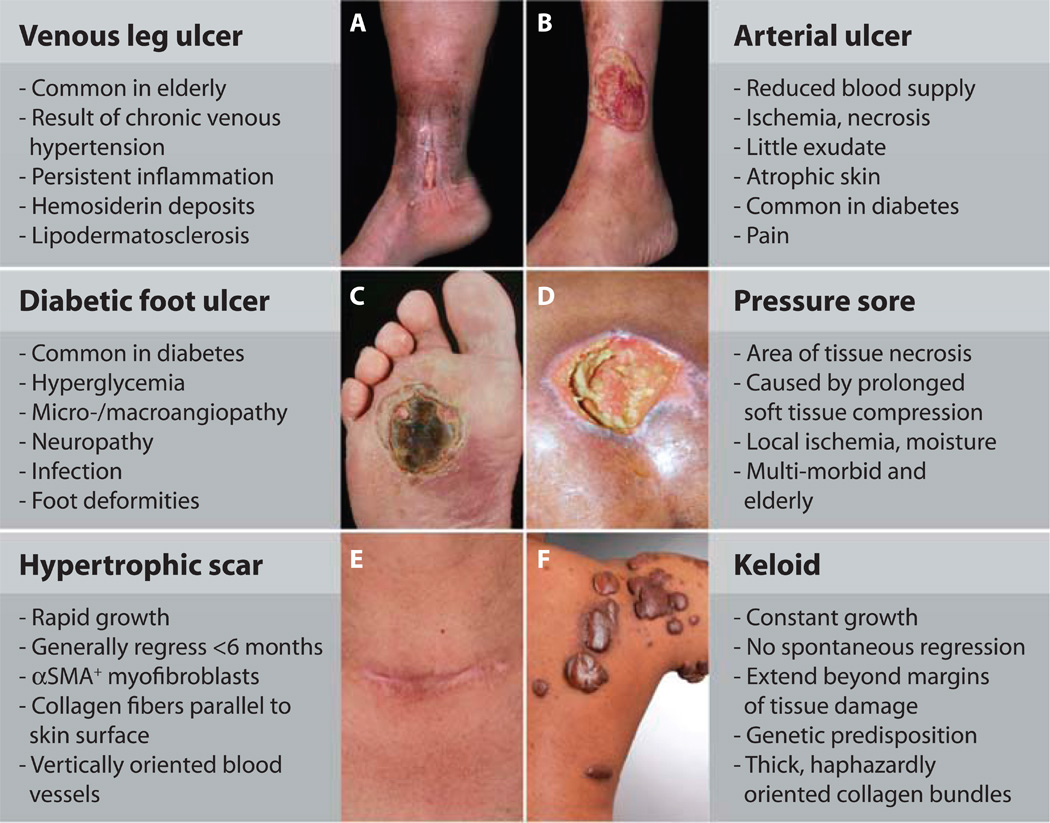
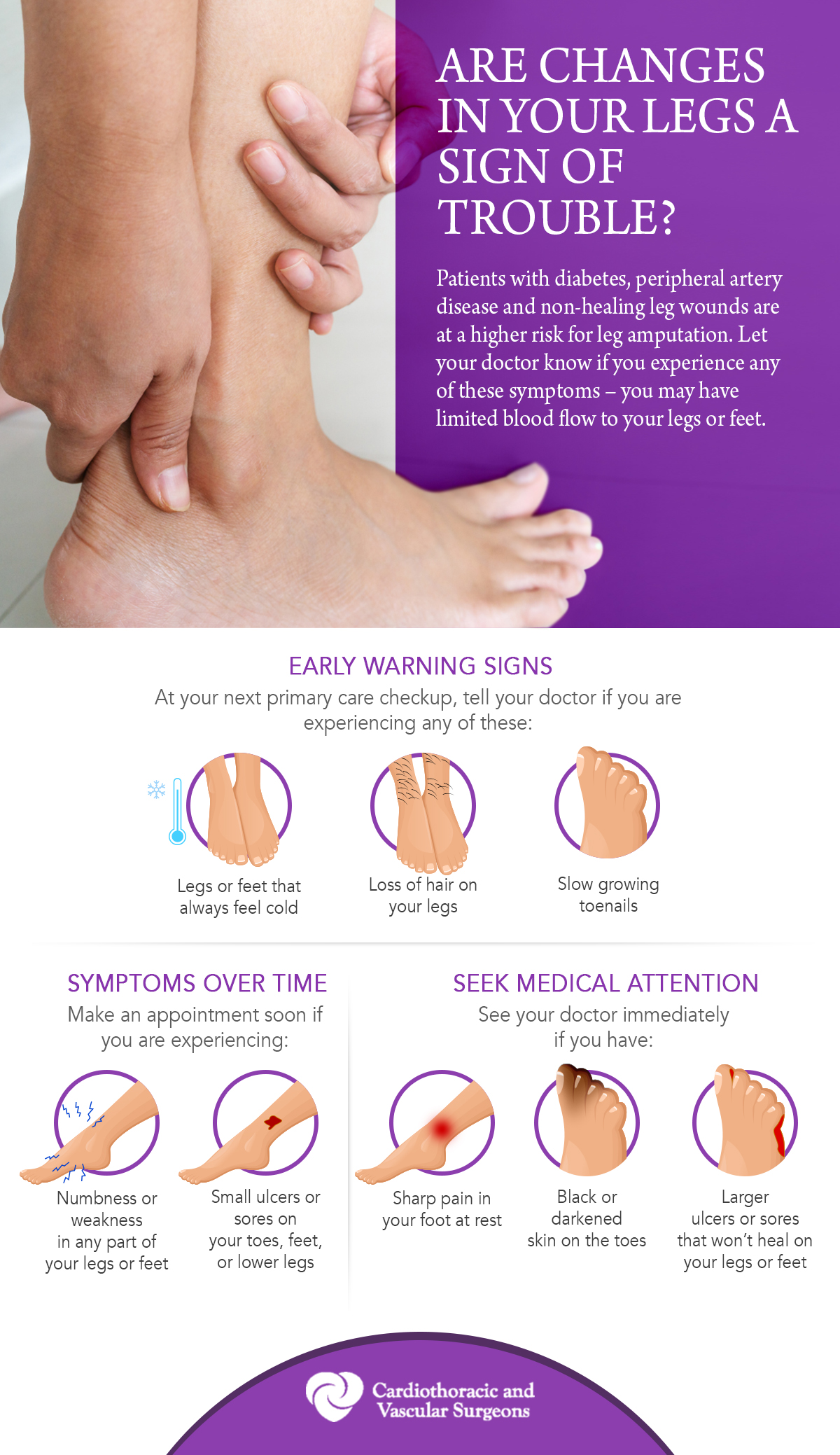
- Insufficient blood supply (ischemia): Wounds in areas with poor circulation, often seen in peripheral artery disease or venous insufficiency, struggle to receive the oxygen and nutrients needed for cell growth.
- Lack of essential building blocks: Deficiencies in nutrients like protein, vitamin C, and zinc can impair collagen synthesis and overall tissue repair.
- High bacterial load: If the wound becomes infected, bacteria can consume nutrients, release toxins that damage cells, and trigger persistent inflammation, overwhelming the body’s repair mechanisms.
3. The Remodeling Phase: Maturing the New Tissue
This final phase can last for months or even years. Collagen is reorganized and strengthened, leading to a more robust scar tissue. The scar gradually becomes less red and more supple.
Failure to adequately remodel can result in:
- Weak scar tissue: Increased risk of re-injury and the formation of chronic wounds that are prone to breakdown.
- Contractures: In severe cases, excessive scar tissue contraction can limit mobility and function, particularly around joints.
Systemic Factors: The Body’s Internal Landscape
Beyond the immediate wound environment, a multitude of systemic factors within the body can significantly impact healing. These are often the underlying culprits when a wound simply refuses to close.
1. Chronic Diseases and Their Impact on Healing
- Diabetes Mellitus: This is arguably the most significant systemic factor contributing to non-healing wounds, particularly foot ulcers. High blood glucose levels damage blood vessels, impair nerve function (neuropathy), and suppress the immune system, all of which cripple the healing cascade. Diabetic wounds are also more susceptible to infection.
- Peripheral Artery Disease (PAD): PAD reduces blood flow to the extremities, starving wound tissues of oxygen and nutrients. This can lead to ischemic ulcers that are incredibly difficult to heal and carry a high risk of amputation.
- Venous Insufficiency: Chronic venous insufficiency causes blood to pool in the legs, leading to edema and poor tissue perfusion. Venous stasis ulcers are common in these individuals and require careful management of swelling and circulation.
- Autoimmune Diseases: Conditions like rheumatoid arthritis or lupus can trigger chronic inflammation and impair immune function, hindering the body’s ability to heal effectively.
- Cancer and Cancer Treatments: Malignancies themselves can divert nutrients and energy, and treatments like chemotherapy and radiation therapy can suppress the immune system and damage rapidly dividing cells, including those involved in wound repair.
2. Nutritional Deficiencies: The Building Blocks of Repair
A well-nourished body is crucial for wound healing. Key nutrients play vital roles:
- Protein: Essential for cell growth, collagen synthesis, and immune function. Severe protein deficiency can significantly delay healing.
- Vitamin C: A critical cofactor in collagen synthesis and acts as an antioxidant, protecting cells from damage.
- Zinc: Plays a role in cell proliferation and immune function. Zinc deficiency is often linked to delayed wound healing.
- Vitamins A and E: Contribute to tissue repair and immune function.
Undernutrition, often seen in the elderly, individuals with chronic illnesses, or those with eating disorders, can create a significant barrier to wound closure.
3. Age: The Natural Slowdown of Repair
As we age, our bodies’ ability to heal naturally diminishes. This is due to:

- Reduced cell turnover: Old cells are less efficient at dividing and replacing damaged tissue.
- Decreased collagen production: The quality and quantity of collagen produced decrease with age.
- Weaker immune response: The inflammatory response can be dysregulated, leading to prolonged inflammation or inadequate defense against infection.
- Increased prevalence of chronic diseases: The elderly are more likely to have underlying health conditions that impede healing.
4. Medications: Unintended Consequences
Certain medications can inadvertently interfere with wound healing. These include:
- Corticosteroids: These powerful anti-inflammatory drugs, while useful for managing certain conditions, can suppress the immune system and inhibit the inflammatory response necessary for early healing.
- Chemotherapy agents: As mentioned earlier, these drugs target rapidly dividing cells, which includes those involved in wound repair.
- Immunosuppressants: Used in organ transplant recipients or for autoimmune diseases, these drugs dampen the immune system’s ability to respond to injury and infection.
- Certain non-steroidal anti-inflammatory drugs (NSAIDs): While generally safe, chronic use of high-dose NSAIDs could potentially impact inflammatory processes involved in healing.
External and Environmental Factors: The Immediate Surroundings
While the body’s internal state is paramount, external factors also play a critical role in determining whether a wound will heal or not.
1. Wound Characteristics: The Nature of the Injury
The type, size, and depth of a wound all influence its healing potential.
- Type of Injury: Lacerations generally heal better than avulsions (tearing of tissue) or crush injuries, which involve more significant tissue damage and a higher risk of contamination.
- Size and Depth: Larger and deeper wounds require more resources and time to heal. Complex wounds with undermining or dead space are more prone to infection and delayed healing.
- Location: Wounds in areas of high tension, constant movement, or poor blood supply (e.g., over bony prominences, lower extremities) heal more slowly.
2. Infection: The Silent Saboteur
Infection is one of the most common reasons for wound healing failure. Bacteria can enter the wound during the initial injury or through subsequent exposure.
- Biofilms: Bacteria can form protective biofilms on wound surfaces, making them resistant to antibiotics and the body’s immune defenses.
- Prolonged Inflammation: Infection triggers a persistent inflammatory response, which, as discussed, can be counterproductive to healing.
- Tissue Destruction: Bacterial toxins can directly damage healthy tissue, further compromising the wound bed.
3. Moisture Balance: The Delicate Equilibrium
The optimal wound environment is typically moist but not excessively wet.
- Dry Wounds: Can lead to scab formation, which acts as a barrier to cell migration and can crack, increasing the risk of infection.
- Overly Wet Wounds (Maceration): Can soften and break down healthy skin surrounding the wound, increasing the risk of infection and further tissue damage. This is often seen with exuding wounds that are not managed appropriately.
4. Pressure, Shear, and Friction: The Unseen Forces
These mechanical forces can disrupt the delicate healing process.
- Pressure Ulcers: Develop when prolonged pressure restricts blood flow to the skin and underlying tissues, leading to tissue breakdown.
- Shear and Friction: Can occur when skin layers slide against each other or against a surface. This can damage blood vessels and cause skin tears, delaying healing.
Leveraging Technology and Brand Strategies for Advanced Wound Care
The persistent challenge of non-healing wounds has spurred innovation in both therapeutic technologies and strategic brand approaches to patient care and product development. While the core issues are biological, advancements in tech and brand thinking are revolutionizing how we understand, treat, and manage these complex conditions.
1. Technological Innovations in Wound Management
The intersection of technology and healthcare is yielding powerful new tools for wound assessment and treatment.
- Advanced Wound Dressings: Modern dressings go far beyond simple gauze. They are designed to create optimal wound environments, manage exudate, promote healing, and protect against infection. This includes:
- Hydrocolloids and Hydrogels: Maintain a moist wound bed, promoting autolytic debridement (the body’s natural way of clearing dead tissue).
- Foams and Alginates: Highly absorbent dressings for heavily exuding wounds.
- Antimicrobial Dressings: Incorporating silver, iodine, or honey to combat infection.
- Silicone Dressings: Gentle on the skin, reducing pain and trauma during dressing changes.
- Negative Pressure Wound Therapy (NPWT): This revolutionary technology uses controlled suction to draw out excess fluid, reduce edema, promote granulation tissue formation, and stimulate blood flow. NPWT is particularly effective for chronic, complex wounds.
- Bioengineered Skin Substitutes and Grafts: These advanced materials, often derived from human cells or animal collagen, can provide a scaffold for new tissue growth, accelerating the healing process for deep or large wounds.
- Diagnostic Technologies:
- Wound Imaging: High-resolution cameras and specialized imaging techniques can help clinicians accurately assess wound size, depth, and tissue characteristics, providing objective data for monitoring progress.
- AI-Powered Wound Analysis: Emerging AI tools are being developed to analyze wound images, predict healing outcomes, identify potential complications like infection, and suggest optimal treatment plans. These technologies promise to bring greater precision and efficiency to wound care.
- Biomarker Detection: Research is ongoing to identify specific biomarkers in wound fluid that can indicate healing or the presence of infection, allowing for earlier and more targeted interventions.
2. The Role of Branding and Patient Education in Healing
Beyond the technical aspects of treatment, the way wound care is communicated, experienced, and integrated into a patient’s life is increasingly important. Brand strategy plays a significant role in fostering trust, promoting adherence to treatment plans, and empowering patients.
- Patient-Centric Branding: For healthcare providers and medical device companies, a strong brand strategy emphasizes empathy, understanding, and a commitment to patient well-being. This translates into clear communication, accessible resources, and a supportive care journey.
- Personalized Treatment Pathways: The “brand” of a wound care clinic or service can be built on its ability to offer individualized treatment plans. This acknowledges that each wound and each patient is unique, requiring tailored interventions based on their specific biological and lifestyle factors.
- Digital Security and Data Privacy: As technology advances, ensuring the secure handling of patient data is paramount. A brand that prioritizes digital security builds trust and confidence among patients and healthcare professionals who rely on these systems.
- Educational Content and Community Building: Websites and platforms that provide high-quality, easy-to-understand information about wound healing, prevention, and management become valuable resources. Building online communities where patients can share experiences and support each other can also be a powerful component of a comprehensive brand strategy.
- Marketing and Design of Advanced Therapies: Effectively communicating the benefits of complex technologies like NPWT or bioengineered skin substitutes requires sophisticated marketing and design. This involves clearly articulating the value proposition, demonstrating clinical efficacy, and making the technology accessible and understandable to both clinicians and patients. Case studies and testimonials become crucial elements in building credibility and trust for these innovative solutions.
In conclusion, a wound that fails to heal is a complex medical puzzle with no single answer. It is a testament to the intricate balance of biological processes within the human body, influenced by systemic health, nutritional status, and external factors. However, by understanding these causes and embracing the advancements in technology and strategic approaches to care, we are better equipped to tackle the challenges of chronic wounds and improve the lives of those affected. The future of wound healing lies in a synergistic approach, where biological understanding is enhanced by technological innovation and delivered through compassionate, well-branded patient care.
aViewFromTheCave is a participant in the Amazon Services LLC Associates Program, an affiliate advertising program designed to provide a means for sites to earn advertising fees by advertising and linking to Amazon.com. Amazon, the Amazon logo, AmazonSupply, and the AmazonSupply logo are trademarks of Amazon.com, Inc. or its affiliates. As an Amazon Associate we earn affiliate commissions from qualifying purchases.