
The seemingly innocuous plantar wart, that stubborn and often painful growth on the sole of your foot, can be a persistent nuisance. While its physical manifestation is on our bodies, understanding its origins and how to prevent it might benefit from a slightly different perspective, especially in our digitally interconnected world. The cause of plantar warts isn’t a complex technological glitch or a marketing misstep, but rather a biological invasion, intricately linked to the microscopic world that we navigate daily, often without realizing it.
The Human Papillomavirus: The Unseen Architect of Plantar Warts
At its core, the cause of plantar warts lies with a group of viruses known as the Human Papillomavirus (HPV). This is not the same HPV that causes cervical cancer, but rather a specific strain that thrives in warm, moist environments and has a penchant for the skin on our feet.
How HPV Invades the Foot
HPV is highly contagious and enters the body through tiny cuts, abrasions, or breaks in the skin. The soles of our feet, being constantly in contact with the ground, are particularly vulnerable. Imagine the microscopic world teeming with various microorganisms. When you walk barefoot in damp public spaces – think locker rooms, swimming pool decks, communal showers, or even gym floors – you’re stepping onto surfaces that may have been recently occupied by someone shedding HPV. These viruses are hardy and can survive for some time in such environments.
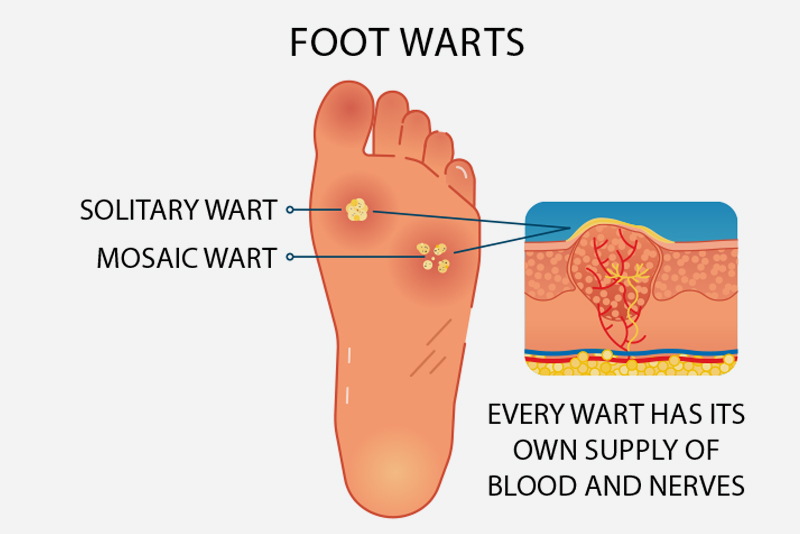
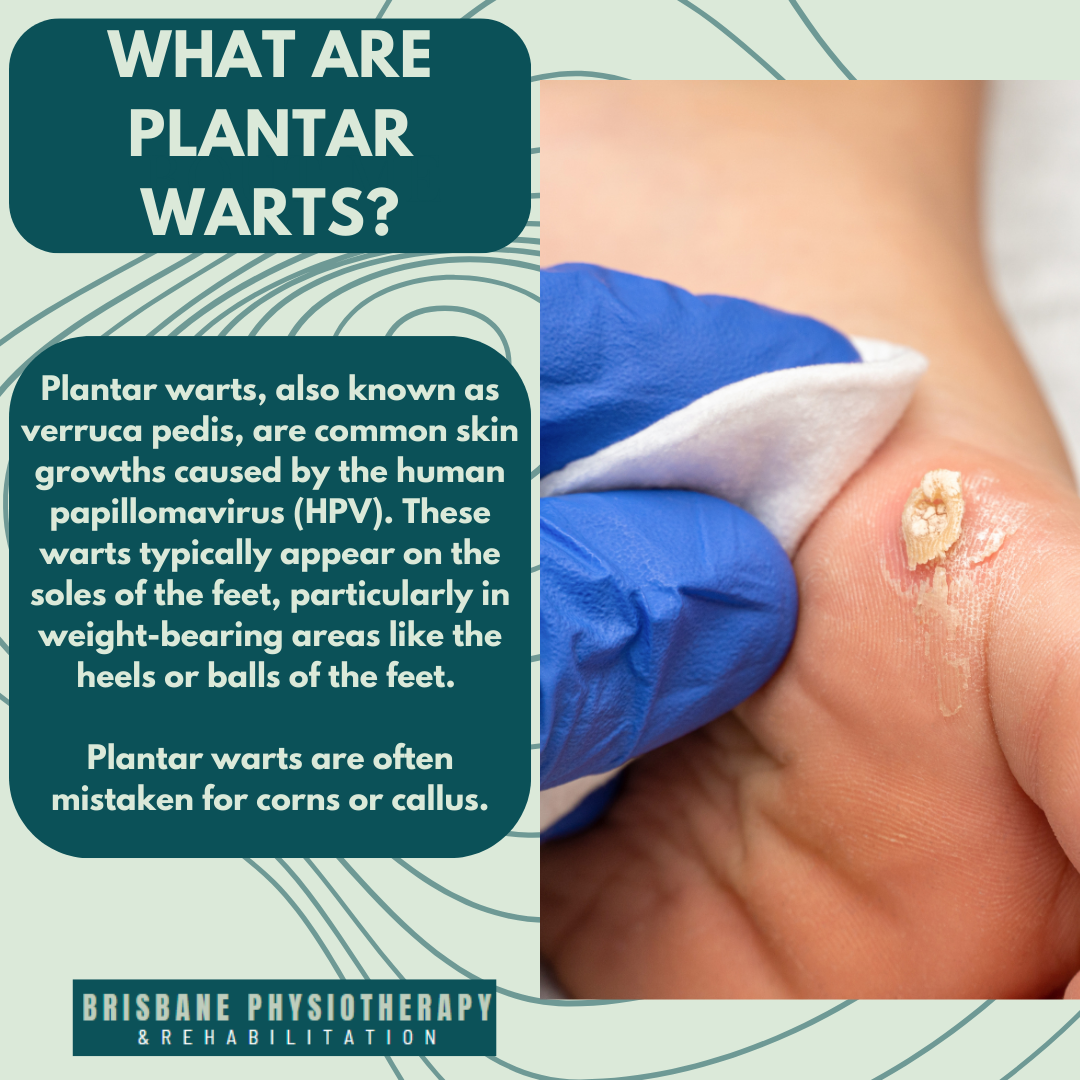
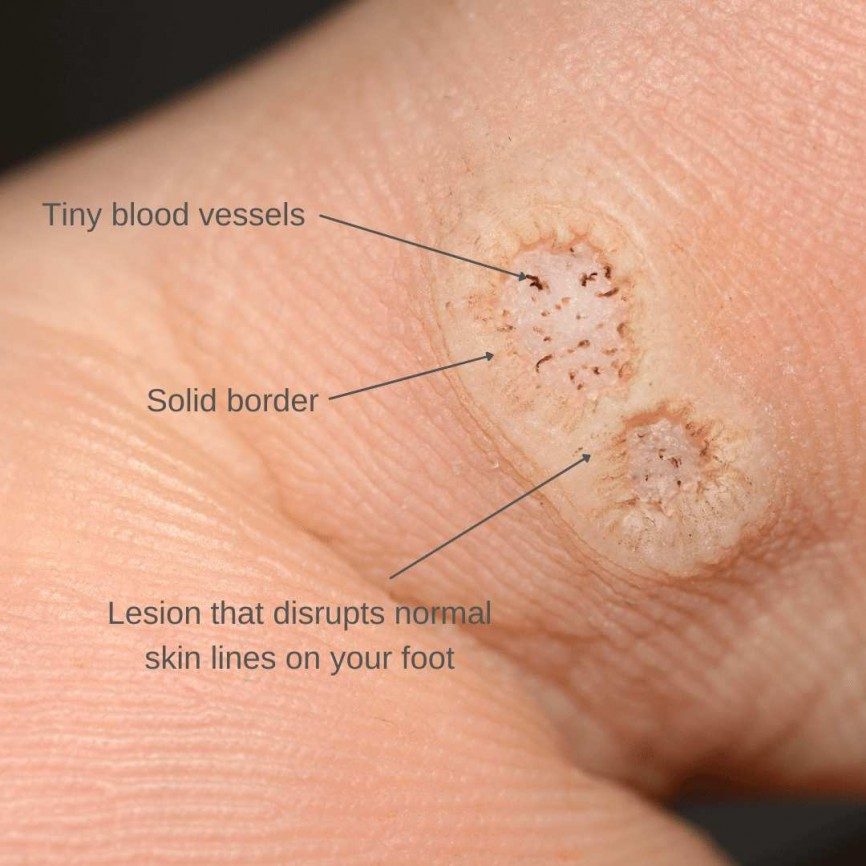
The virus then finds its entry point through those almost invisible fissures in your skin, which can arise from dryness, friction from shoes, or even minor injuries. Once inside, the virus infects the epidermal cells, essentially hijacking their machinery to replicate itself. This rapid cell growth is what eventually manifests as the characteristic rough, grainy appearance of a wart.
The “Plantar” Specificity: Why the Sole?
The term “plantar” refers to the sole of the foot. Plantar warts are specifically found in this location due to a combination of factors:
- Pressure and Friction: The constant pressure and friction from walking and standing create an environment where the skin can be more easily compromised, providing easier access for the virus. This pressure also contributes to the inward growth of the wart, often embedding it deeper into the skin, making it more painful.
- Moisture and Warmth: Feet are often enclosed in socks and shoes, creating a warm and often moist environment that HPV favors. Sweat can further exacerbate this, providing a fertile breeding ground for the virus.
- Direct Contact: As mentioned, walking barefoot in public, damp areas is a primary mode of transmission for plantar warts. This direct contact with contaminated surfaces is where the virus makes its initial leap.
Beyond Public Spaces: Other Transmission Routes
While public spaces are a major culprit, transmission isn’t limited to them.
- Direct Person-to-Person Contact: Although less common for plantar warts compared to other HPV infections, direct skin-to-skin contact with an infected individual can also spread the virus.
- Autoinoculation: If you have a wart elsewhere on your body and touch it, then touch your foot, you can potentially spread the virus to your feet. This is known as autoinoculation.
Factors that Increase Susceptibility
While HPV is the direct cause, certain factors can make you more prone to developing plantar warts:
Weakened Immune System
Your immune system is your body’s primary defense against infections, including viral ones. If your immune system is compromised, it may have a harder time fighting off the HPV virus. This can be due to:
- Underlying Medical Conditions: Conditions like HIV/AIDS, autoimmune diseases, or certain cancers can weaken the immune system.
- Medications: Immunosuppressant drugs, often prescribed after organ transplants or for autoimmune disorders, can reduce your body’s ability to fight off infections.
- Stress and Poor Lifestyle: Chronic stress, lack of sleep, and poor nutrition can also negatively impact immune function, making you more susceptible. In our fast-paced, digitally driven lives, maintaining a robust immune system requires conscious effort. Prioritizing sleep, managing stress through mindful practices (perhaps even using meditation apps), and ensuring a balanced diet can all contribute to better resilience against viral invaders.
Damaged Skin
As previously discussed, the HPV virus needs an entry point. Skin that is dry, cracked, or has minor cuts and abrasions is more vulnerable.
- Footwear: Ill-fitting shoes can cause friction and irritation, leading to skin damage. Conversely, going barefoot too often in dry conditions can lead to cracked heels.
- Skin Conditions: Conditions like eczema or psoriasis can compromise the skin’s barrier function, making it easier for the virus to penetrate.
Age
Children and adolescents tend to be more susceptible to plantar warts. This is often attributed to their still-developing immune systems and their greater likelihood of playing in public spaces and coming into direct contact with the virus.
Prevention Strategies in a Modern Context
Understanding the cause of plantar warts is the first step towards preventing them. While technology hasn’t yet developed a vaccine specifically for plantar warts (though research into broader HPV vaccines is ongoing), we can leverage various aspects of our modern lives to bolster our defenses.
Digital Hygiene for Foot Health
While not a direct technological solution, a digitally informed approach to personal hygiene can be highly effective.
- Awareness and Information: The internet, ironically, can be a powerful tool for learning about hygiene. Articles, educational videos, and health resources can inform you about the environments where HPV thrives and how to protect yourself. Staying informed through reputable websites and apps can empower you to make better choices.
- Smart Choices in Public Spaces:
- Wear Footwear: This is the most crucial preventative measure. Always wear flip-flops or water shoes in public showers, locker rooms, swimming pool areas, and other damp communal spaces.
- Keep Feet Dry: After showering or swimming, thoroughly dry your feet, paying special attention to the spaces between your toes. This reduces the moist environment that HPV loves.
- Avoid Sharing: Do not share towels, socks, or shoes with others, as this can be a direct route for virus transmission.
Maintaining Healthy Skin
Keeping your skin, especially on your feet, healthy and intact is a key preventative strategy.
- Moisturize: Regularly apply a good quality moisturizer to your feet, especially if you have dry or cracked skin. This helps maintain the skin’s barrier function.
- Proper Footwear: Wear shoes that fit well and don’t cause excessive friction or pressure. Breathable materials are preferable to keep feet from overheating and sweating excessively.
- Foot Care Routine: Incorporate a regular foot care routine into your life. This might include exfoliating dead skin (gently, to avoid creating micro-abrasions) and checking your feet for any cuts or sores.
Strengthening Your Immune System
As discussed, a strong immune system is your best ally. In our tech-saturated world, we can integrate healthy habits more effectively.
- Leverage Fitness Apps: Use fitness trackers and apps to monitor your activity levels and encourage regular exercise, which is vital for immune health.
- Mindfulness and Stress Management Tools: Explore meditation apps, guided relaxation exercises, or even simple breathing technique tutorials available online to manage stress.
- Nutritional Guidance: Utilize health and nutrition apps to track your food intake, find healthy recipes, and learn about the vitamins and minerals that support immune function.
By understanding that plantar warts are caused by a common virus that thrives in specific environments, and by adopting a proactive approach to hygiene and personal health, we can significantly reduce our risk of developing these unwelcome visitors on our feet. The digital age, rather than being a direct cause, can be a powerful tool in our defense against the microscopic world that influences our physical well-being.
aViewFromTheCave is a participant in the Amazon Services LLC Associates Program, an affiliate advertising program designed to provide a means for sites to earn advertising fees by advertising and linking to Amazon.com. Amazon, the Amazon logo, AmazonSupply, and the AmazonSupply logo are trademarks of Amazon.com, Inc. or its affiliates. As an Amazon Associate we earn affiliate commissions from qualifying purchases.