
Menopause is a significant biological transition in a woman’s life, marked by the cessation of menstruation and a decline in estrogen production. While a natural part of aging, the accompanying hormonal shifts can trigger a range of symptoms, from hot flashes and sleep disturbances to mood swings and decreased libido. In an era dominated by technological advancements and an ever-growing information landscape, many women are turning to supplements for relief. However, with a plethora of options available, discerning the “best” supplement for menopause can feel overwhelming. This article, drawing on the core tenets of understanding trends, building effective brand narratives, and making informed financial decisions, aims to demystify the world of menopause supplements, empowering you to make choices that align with your overall well-being and personal goals.

The journey through menopause is as unique as each woman. While societal narratives often focus on the negative aspects, understanding the underlying biological processes and the diverse ways women experience this transition is crucial. In today’s hyper-connected world, where AI tools can analyze vast datasets and digital platforms offer instant access to information, we can leverage these resources to gain a deeper understanding of our own bodies and the options available to us.
Understanding the Menopause Landscape: More Than Just Symptoms
Before we dive into specific supplements, it’s vital to acknowledge that menopause is not a disease but a natural phase. Understanding the “why” behind the symptoms allows for a more targeted and effective approach. The decline in estrogen and progesterone levels impacts various bodily systems, influencing everything from bone density and cardiovascular health to skin elasticity and cognitive function.
The Shifting Hormonal Ecosystem
At its core, menopause is driven by the ovaries gradually producing less estrogen and progesterone. These hormones are not just reproductive; they play critical roles throughout the body. Estrogen, for instance, influences brain function, mood regulation, bone health, and skin structure. Progesterone contributes to sleep regulation and a calming effect. As these levels fluctuate and eventually decline, a cascade of effects can occur.
Decoding Common Menopause Symptoms
The symptoms of menopause can be broadly categorized into vasomotor, psychological, and urogenital.
- Vasomotor Symptoms: These are perhaps the most well-known, encompassing hot flashes (sudden feelings of intense heat) and night sweats (waking up drenched in sweat). These are caused by the hypothalamus, the brain’s thermostat, becoming more sensitive to small changes in body temperature due to lower estrogen.
- Psychological Symptoms: Mood swings, irritability, anxiety, and even symptoms of depression can emerge. This is partly due to hormonal fluctuations impacting neurotransmitters like serotonin, which plays a key role in mood regulation. Cognitive changes, such as “brain fog” or difficulty concentrating, can also be attributed to hormonal shifts affecting brain chemistry.
- Urogenital Symptoms: As estrogen levels decrease, the tissues of the vagina, urethra, and bladder can become thinner and drier, leading to vaginal dryness, painful intercourse (dyspareunia), increased risk of urinary tract infections (UTIs), and urinary incontinence.
Beyond the Physical: The Broader Impact
The effects of menopause extend beyond these direct symptoms. Bone density can decrease, increasing the risk of osteoporosis. The risk of cardiovascular disease also rises due to changes in cholesterol levels and blood vessel elasticity. Changes in metabolism can lead to weight gain, particularly around the abdomen. Understanding this holistic impact is crucial when considering how supplements might fit into a broader wellness strategy.
Navigating the Supplement Market: A Strategic Approach
The supplement market is a complex ecosystem, much like the business world. To find the “best” option, we need to apply principles of effective brand strategy: understanding the target audience (you!), identifying key value propositions, and discerning genuine efficacy from marketing hype.
Identifying Your Needs: A Personalized Brand Audit
Just as a company needs to understand its customers, you need to conduct a personal “brand audit” of your menopause experience. What are your most bothersome symptoms? Are you primarily seeking relief from hot flashes, improved sleep, or support for mood stability? Are you concerned about bone health or cardiovascular well-being? A clear understanding of your primary needs will guide your research and help you avoid a scattergun approach to supplements.
Consider creating a “symptom tracker.” This digital tool, perhaps an app you customize or a simple spreadsheet, can help you monitor the frequency and intensity of your symptoms over time. This data will be invaluable when discussing your needs with healthcare professionals and when evaluating the effectiveness of any supplement you choose.
The Power of Research: Leveraging Digital Tools
In the age of AI and advanced search algorithms, “research” takes on a new meaning. Instead of sifting through mountains of outdated books, you can access a wealth of peer-reviewed studies, expert opinions, and user reviews. However, critical thinking is paramount.
- Evidence-Based Information: Look for supplements backed by robust scientific research. Websites of reputable health organizations (e.g., Mayo Clinic, National Institutes of Health), university research departments, and peer-reviewed medical journals are excellent starting points. Be wary of anecdotal evidence or testimonials that lack scientific backing.
- Ingredient Deep Dive: Don’t just look at the product name; understand the active ingredients. Research each ingredient individually for its purported benefits, potential side effects, and recommended dosages. AI-powered research tools can help you quickly synthesize information from multiple sources, but always cross-reference and prioritize reliable sources.
- Brand Reputation and Transparency: In the supplement world, brand reputation matters. Look for companies with a history of quality manufacturing, rigorous testing, and transparent labeling. Companies that clearly state their sourcing, manufacturing processes, and testing protocols are more trustworthy. This is akin to evaluating a company’s corporate identity and its commitment to ethical practices.
Beyond the Supplement: A Holistic Brand Strategy for Well-being
It’s crucial to remember that supplements are rarely a silver bullet. The most effective approach to managing menopause symptoms involves a multi-faceted strategy, much like a successful brand integrates various marketing channels.
The Foundation: Lifestyle as Your Core Brand Message
Before even considering supplements, focus on the cornerstones of a healthy lifestyle. These are your “core brand messaging” for well-being.
- Diet: A balanced diet rich in fruits, vegetables, whole grains, and lean protein can provide essential nutrients and support hormonal balance. Consider incorporating phytoestrogen-rich foods like soy products, flaxseeds, and legumes, which may offer mild estrogen-like effects.
- Exercise: Regular physical activity is vital for bone health (weight-bearing exercises), cardiovascular health, mood regulation, and weight management. Aim for a combination of aerobic exercise, strength training, and flexibility.
- Sleep Hygiene: Prioritize good sleep. Create a relaxing bedtime routine, ensure your bedroom is dark and cool, and limit screen time before bed. Poor sleep can exacerbate many menopause symptoms.
- Stress Management: Chronic stress can negatively impact hormonal balance and worsen symptoms. Explore techniques like mindfulness, meditation, yoga, or deep breathing exercises.
Integrating Supplements: Enhancing Your Core Strategy
Supplements can be powerful allies when integrated into a healthy lifestyle. They are not meant to replace good habits but to complement them.

Promising Supplements for Menopause: A Closer Look
While the concept of a single “best” supplement is elusive, several natural ingredients have shown promise in alleviating common menopause symptoms. Each has a different mechanism of action and target symptom profile.
1. Black Cohosh: A Popular Choice for Vasomotor Symptoms
Black cohosh ( Actaea racemosa) is one of the most widely studied and commonly used herbal supplements for menopause.
- Mechanism of Action (Hypothesized): While the exact mechanism is not fully understood, it is believed to interact with serotonin receptors in the brain, potentially influencing body temperature regulation. It may also have mild estrogenic effects, though this is debated.
- Targeted Benefits: Primarily used for reducing the frequency and severity of hot flashes and night sweats. Some women also report improvements in sleep quality.
- Considerations: Generally considered safe for short-term use, but potential side effects can include digestive upset, headaches, and rash. It’s crucial to source high-quality, standardized extracts and to consult with a healthcare provider, especially if you have liver conditions or are taking blood thinners.
2. Red Clover: Phytoestrogens for Hormonal Balance
Red clover ( Trifolium pratense) is rich in isoflavones, a type of phytoestrogen – plant compounds that mimic estrogen in the body.
- Mechanism of Action: Isoflavones bind to estrogen receptors, offering a milder estrogenic effect compared to the body’s own estrogen.
- Targeted Benefits: Primarily used for reducing hot flashes and improving vaginal dryness. Some research also suggests potential benefits for bone health.
- Considerations: Due to its estrogenic activity, red clover should be used with caution by women with a history of hormone-sensitive cancers (e.g., breast cancer). It may also interact with blood-thinning medications. Look for standardized extracts.
3. Evening Primrose Oil: For Mood and Skin Health
Evening primrose oil (EPO) is derived from the seeds of the Oenothera biennis plant and is a rich source of gamma-linolenic acid (GLA), an omega-6 fatty acid.
- Mechanism of Action: GLA is converted into prostaglandins, which are hormone-like substances involved in regulating inflammation and other bodily functions.
- Targeted Benefits: While research is mixed, some women find EPO helpful for managing mood swings, breast tenderness, and improving skin dryness and elasticity associated with menopause.
- Considerations: Generally well-tolerated, but can cause mild digestive upset. It’s important to ensure you are getting pure EPO.
4. Maca Root: For Libido and Energy
Maca ( Lepidium meyenii) is a Peruvian root vegetable that has been used for centuries for its adaptogenic properties, helping the body adapt to stress.
- Mechanism of Action: The exact mechanism is not fully understood, but it is thought to influence the endocrine system, potentially balancing hormones without directly containing them.
- Targeted Benefits: Often sought after for improving libido, energy levels, and mood. Some women also report reduced fatigue.
- Considerations: Generally considered safe, but some individuals may experience mild digestive upset. It’s available in powder or capsule form.
5. Ginseng: For Energy and Cognitive Function
Different types of ginseng (e.g., Panax ginseng, American ginseng) are known for their adaptogenic properties.
- Mechanism of Action: Ginseng is believed to work by influencing the hypothalamic-pituitary-adrenal (HPA) axis, helping the body manage stress and improve energy production.
- Targeted Benefits: Primarily used for increasing energy, reducing fatigue, and potentially improving cognitive function and mood.
- Considerations: Can interact with certain medications, including blood thinners and stimulants. It’s important to choose a reputable brand and consult with your doctor.
Making Informed Decisions: Your Financial and Health Investment
Choosing supplements is an investment – an investment in your health and well-being. Just as you would carefully consider financial tools and investment strategies, approach supplement selection with a similar level of due diligence.
The Cost-Benefit Analysis of Supplements
Supplements can range in price significantly. Before making a purchase, consider:
- Price vs. Efficacy: Is a higher price tag indicative of higher quality or simply better marketing? Research the active ingredient dosages and compare them across brands.
- Long-Term Investment: If you plan to use a supplement for an extended period, consider the cost over time. Is it a sustainable expense?
- The “Value” Proposition: What is the true “value” you are getting? Is it symptom relief, improved quality of life, or proactive health management?
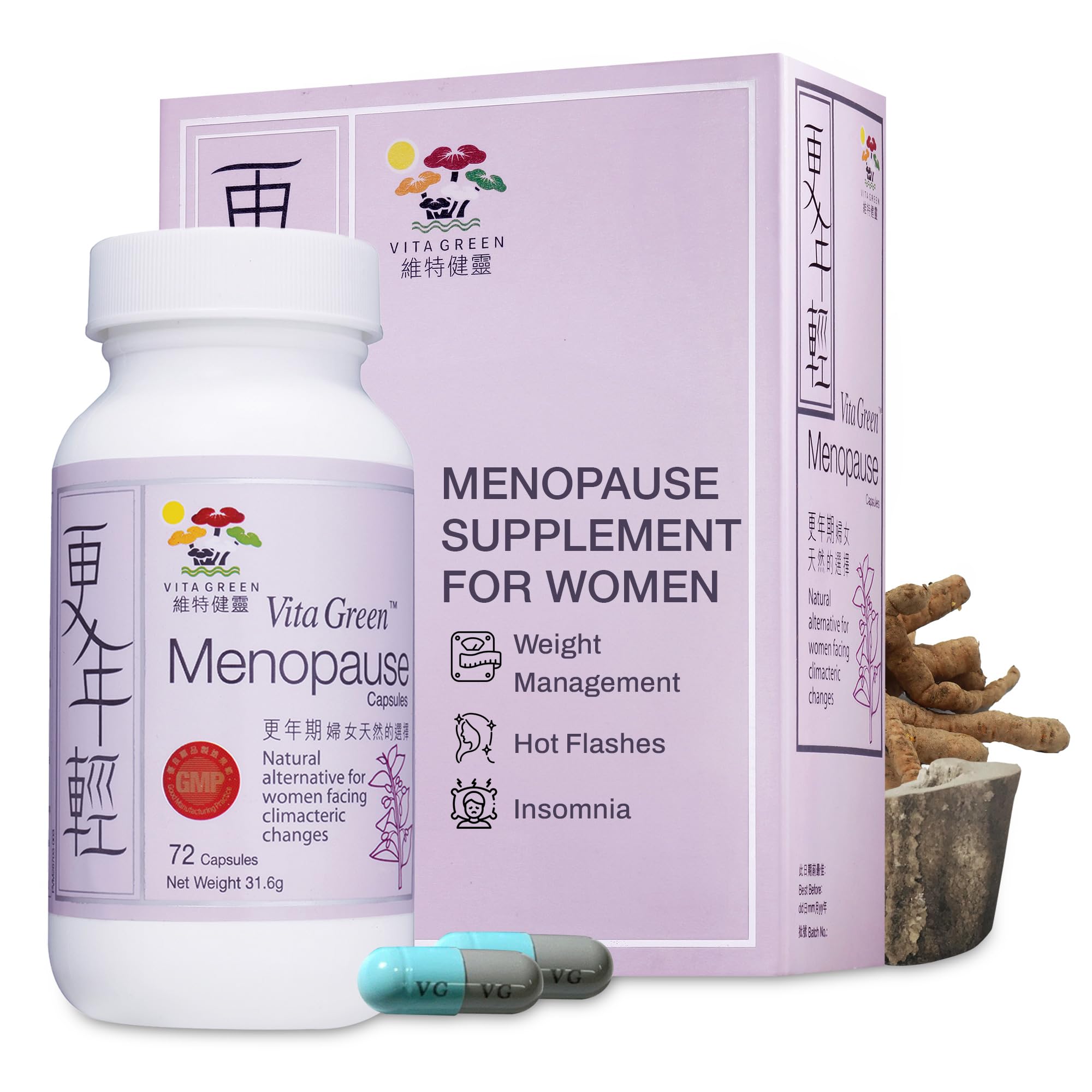
Consulting Your Healthcare Provider: The Ultimate Financial Advisor for Your Health
The most crucial step in navigating the supplement landscape is to consult with your healthcare provider. They can:
- Assess Your Individual Needs: Based on your medical history and current health status, they can help you determine if supplements are appropriate and safe for you.
- Identify Potential Interactions: Supplements can interact with prescription medications. Your doctor is best equipped to identify these risks.
- Guide Dosage and Quality: They can offer recommendations on appropriate dosages and suggest reputable brands or types of supplements to look for.
- Monitor Progress: Your doctor can help you track the effectiveness of supplements and make adjustments as needed.
Think of your doctor as your ultimate financial advisor for your health. Their expertise can prevent costly mistakes (in terms of both money and health) and ensure you are making the most informed decisions.
In conclusion, the “best” supplement for menopause is not a one-size-fits-all answer. It’s a personalized journey of understanding your body, leveraging reliable information, and making strategic choices. By applying principles of critical research, understanding brand narratives in the health industry, and treating your well-being as a valuable financial investment, you can navigate the menopause transition with confidence and empower yourself to find the support that best suits your individual needs.
aViewFromTheCave is a participant in the Amazon Services LLC Associates Program, an affiliate advertising program designed to provide a means for sites to earn advertising fees by advertising and linking to Amazon.com. Amazon, the Amazon logo, AmazonSupply, and the AmazonSupply logo are trademarks of Amazon.com, Inc. or its affiliates. As an Amazon Associate we earn affiliate commissions from qualifying purchases.