
The term “rainforest” conjures images of lush, verdant landscapes teeming with life, a vibrant tapestry of flora and fauna. But beyond the visual spectacle lies a critical environmental factor: temperature. Understanding the average temperature of a rainforest isn’t just a matter of geographical curiosity; it’s fundamental to comprehending the unique ecosystems that flourish within them, their role in global climate regulation, and even the technological innovations being developed to study and preserve them.
While the popular image of a rainforest often evokes a uniformly hot and humid environment, the reality is more nuanced. The “average temperature” is a generalization, and actual readings can fluctuate based on specific location, altitude, and the particular type of rainforest. However, the overarching characteristic is consistently warm and humid conditions that are crucial for the immense biodiversity found in these regions.
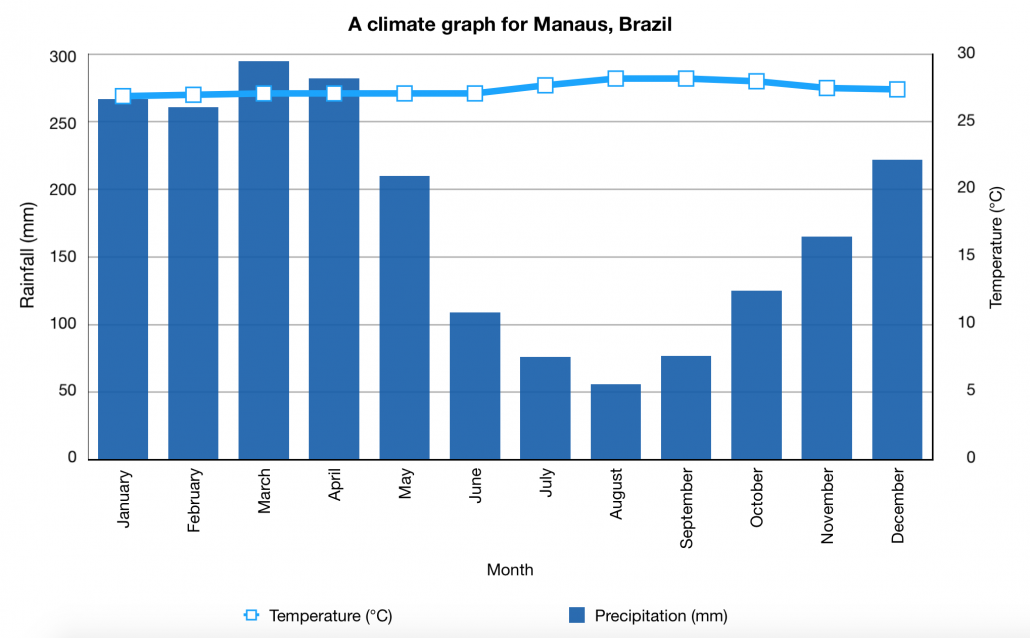
The prevailing climate of rainforests is directly linked to their geographical location. Primarily, they are found near the equator, within the tropics. This proximity to the sun’s most direct rays is the primary driver of the consistently high temperatures. The Earth’s tilt and rotation cause the equatorial regions to receive a more concentrated and sustained amount of solar radiation throughout the year. This consistent energy input prevents the drastic seasonal temperature swings characteristic of temperate or polar regions.
Defining the Tropics: Where Rainforests Thrive
The tropics, broadly defined as the region between the Tropic of Cancer (approximately 23.5 degrees North latitude) and the Tropic of Capricorn (approximately 23.5 degrees South latitude), are the geographical heartland of rainforests. Within this belt, the sun’s rays are most direct for much of the year, leading to higher average temperatures. The minimal variation in day length also contributes to a stable thermal environment.
While the average annual temperature across all rainforests hovers around a warm figure, it’s important to distinguish between different types of rainforests. The most iconic are the tropical rainforests, known for their exceptionally high rainfall and consistent warmth. These are the ecosystems that often dominate our popular understanding of the term. However, temperate rainforests also exist, found in cooler, mid-latitude coastal areas. These, as the name suggests, experience less extreme heat but still receive substantial rainfall, supporting dense forests. This article will primarily focus on the climatic conditions of tropical rainforests, as they represent the vast majority and are most commonly associated with the “rainforest temperature” query.
Tropical Rainforests: A Thermometer of Abundance
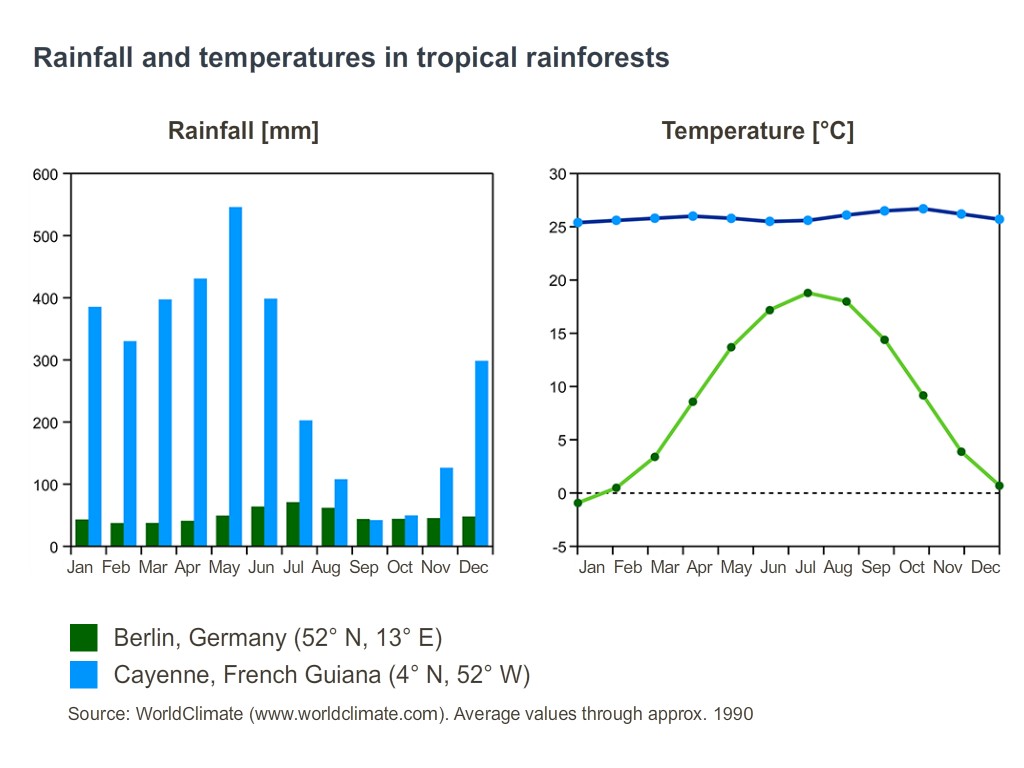
The average annual temperature in tropical rainforests typically ranges from 25°C to 29°C (77°F to 84°F). This remarkably consistent warmth, with very little seasonal variation, is a key factor enabling the incredible biodiversity found in these ecosystems. The difference between the hottest and coolest months is often no more than a few degrees Celsius. This stability is crucial for the life cycles of countless species, from insects and amphibians to large mammals and the intricate canopy of trees.
It’s not just the heat, but also the humidity that defines the rainforest climate. High average humidity levels, often between 77% and 88%, are a direct consequence of the abundant rainfall and the high rate of evapotranspiration from the dense vegetation. This combination of heat and moisture creates the ideal conditions for rapid plant growth and decomposition, fueling the nutrient cycles that sustain the rainforest.
Factors Influencing Local Rainforest Temperatures
While the global average paints a clear picture, local variations are significant. Several factors contribute to these differences:
- Altitude: Perhaps the most influential factor beyond latitude is altitude. As elevation increases, air pressure decreases, and temperatures drop. This is why mountain ranges within tropical regions, such as the Andes in South America, can host cloud forests at higher elevations, which are cooler and experience a different suite of flora and fauna than lowland rainforests. Even a few hundred meters of elevation gain can lead to a noticeable decrease in temperature, creating distinct ecological zones.
- Proximity to Bodies of Water: Large bodies of water, such as oceans or major lakes, can moderate temperatures. Coastal rainforests may experience slightly cooler temperatures due to the influence of sea breezes and the heat-absorbing capacity of water. Inland rainforests, far from such moderating influences, might experience slightly higher average temperatures.
- Canopy Cover: The dense, multi-layered canopy of a rainforest plays a crucial role in regulating ground-level temperatures. While the top of the canopy is exposed to direct sunlight and can experience significant heat, the lower strata are shaded, creating a cooler, more stable microclimate. This “roof” effect insulates the forest floor from extreme temperature fluctuations.
- Rainfall Patterns: While rainforests are defined by high rainfall, variations in the timing and intensity of precipitation can also affect local temperatures. Heavy rainfall events can temporarily cool the air through evaporation.
The Tech Angle: Monitoring and Understanding Rainforest Climates
The consistent and specific climatic conditions of rainforests are not just interesting to climatologists; they are of immense interest to the technology sector. The need to monitor, understand, and ultimately protect these vital ecosystems has driven significant innovation.
AI and Sensor Networks for Environmental Monitoring
The vast and often inaccessible nature of rainforests presents a unique challenge for data collection. This is where advancements in technology, particularly Artificial Intelligence (AI) and sophisticated sensor networks, are proving invaluable.
- IoT Sensors: Networks of Internet of Things (IoT) sensors are deployed across rainforests to collect real-time data on temperature, humidity, rainfall, soil moisture, and even air quality. These sensors are becoming increasingly robust and energy-efficient, allowing for long-term deployment in remote locations.
- AI for Data Analysis: The sheer volume of data generated by these sensor networks would be impossible for humans to process effectively. AI tools are employed to analyze this data, identifying trends, anomalies, and patterns. Machine learning algorithms can predict weather events, detect early signs of drought or deforestation, and provide a more comprehensive understanding of the rainforest’s complex climate dynamics. For example, AI can be trained to recognize the subtle temperature shifts that precede a wildfire or the onset of an El Niño event that can significantly impact rainfall patterns.
- Satellite Imagery and Remote Sensing: Beyond ground-based sensors, satellite technology offers a broader perspective. High-resolution satellite imagery, coupled with AI-powered analysis, allows scientists to monitor changes in vegetation cover, identify areas under threat from deforestation, and even estimate canopy temperatures. This provides a vital layer of information for large-scale climate and biodiversity studies.
Productivity Tools for Rainforest Research

The research conducted in rainforests, often involving complex fieldwork and extensive data analysis, benefits greatly from productivity tools.
- Data Management Platforms: Robust cloud-based platforms are essential for storing, organizing, and sharing vast datasets collected from sensor networks and field studies. These platforms, often powered by advanced database technologies, ensure data integrity and accessibility for research teams spread across the globe.
- Collaboration Software: Facilitating collaboration among scientists, conservationists, and policymakers is crucial. Modern collaboration suites, offering real-time document editing, video conferencing, and project management features, enable seamless teamwork regardless of geographical location. This is particularly important when dealing with international conservation efforts.
- GIS and Mapping Software: Geographic Information Systems (GIS) are indispensable for spatial analysis and visualization. These tools allow researchers to overlay environmental data, species distribution maps, and land-use information, providing critical insights into the relationship between climate and biodiversity within rainforests.
The Brand of Sustainability: Rainforests and Corporate Responsibility
The “brand” of a rainforest is increasingly becoming synonymous with vital ecological services and the urgent need for conservation. This has a significant impact on how corporations approach their environmental responsibilities.
Corporate Identity and Environmental Stewardship
As global awareness of climate change and biodiversity loss grows, consumers and investors are paying closer attention to a company’s environmental footprint. Companies that operate in or rely on resources from rainforest regions, or whose supply chains may impact these areas, are increasingly being scrutinized.
- Reputation Management: A proactive approach to rainforest conservation can enhance a company’s reputation. Conversely, involvement in deforestation or unsustainable practices can lead to significant reputational damage, impacting sales, investor confidence, and public trust.
- Brand Strategy: Integrating sustainability and rainforest conservation into a company’s brand strategy can be a powerful differentiator. This can involve commitments to zero-deforestation supply chains, investments in reforestation projects, or partnerships with conservation organizations. Such initiatives not only benefit the environment but can also resonate with environmentally conscious consumers.
- Corporate Social Responsibility (CSR): Many corporations are engaging in CSR initiatives focused on rainforest protection. These can range from direct financial contributions to implementing sustainable business practices that minimize their impact. The “brand” of a responsible corporation is one that actively contributes to preserving these vital ecosystems.
Marketing Sustainability: Communicating Impact
Communicating these efforts effectively is crucial. Marketing and design play a vital role in conveying a company’s commitment to rainforest conservation.
- Case Studies in Sustainability: Publishing case studies that highlight successful conservation projects or the implementation of sustainable practices can build credibility and inspire others. These case studies often detail the challenges faced, the solutions implemented, and the measurable positive impact achieved.
- Visual Storytelling: The visual appeal of rainforests can be leveraged in marketing campaigns to raise awareness and garner support for conservation efforts. Compelling imagery and storytelling can connect with audiences on an emotional level, driving engagement and action.
Money Matters: Investing in a Sustainable Future
The economic implications of rainforest health are profound, impacting everything from global trade to local livelihoods. Understanding the financial aspects of rainforest conservation is crucial for both businesses and individuals.
Personal Finance and Ethical Investing
Individuals are increasingly looking for ways to align their personal finances with their values. This includes making investment decisions that support environmental sustainability.
- Impact Investing: The growing field of impact investing offers opportunities to invest in companies and funds that aim to generate both financial returns and positive environmental or social impact. This can include investments in sustainable agriculture, eco-tourism, or companies developing solutions for deforestation monitoring.
- Ethical Funds: Many mutual funds and exchange-traded funds (ETFs) now screen companies based on environmental, social, and governance (ESG) criteria. Investing in such funds allows individuals to support businesses committed to responsible practices, which can include the protection of rainforests.
- Conscious Consumerism: Even small purchasing decisions can have an impact. Supporting brands that use sustainably sourced materials or have transparent supply chains that avoid rainforest destruction contributes to a more responsible economic system.
Business Finance and the Green Economy
For businesses, the transition to a green economy presents both challenges and opportunities.
- Financial Tools for Sustainability: Banks and financial institutions are increasingly offering financial products and services that support sustainable business practices. This can include green loans, sustainability-linked bonds, and incentives for companies that reduce their environmental impact.
- The Value of Ecosystem Services: Rainforests provide invaluable ecosystem services, such as carbon sequestration, water regulation, and biodiversity preservation, which have a tangible economic value. Recognizing and quantifying this value can incentivize investment in their protection. For example, companies that rely on rainfall for their operations may invest in watershed protection, which often encompasses rainforest conservation.
- Carbon Markets: The development of carbon markets provides a financial incentive for preserving forests, as they act as significant carbon sinks. Companies can offset their emissions by investing in projects that protect and restore rainforests, thereby earning carbon credits.
In conclusion, the average temperature of a rainforest, typically a warm and consistent range between 25°C and 29°C, is a fundamental characteristic that underpins its extraordinary biodiversity and global ecological significance. Understanding this climate is not merely academic. It fuels technological innovation in monitoring and analysis, shapes corporate brands and their commitment to sustainability, and influences financial decisions towards a more responsible and green economy. As we continue to grapple with the impacts of climate change, a deeper appreciation for the climatic nuances of rainforests and their vital role in our planet’s health becomes increasingly paramount.
aViewFromTheCave is a participant in the Amazon Services LLC Associates Program, an affiliate advertising program designed to provide a means for sites to earn advertising fees by advertising and linking to Amazon.com. Amazon, the Amazon logo, AmazonSupply, and the AmazonSupply logo are trademarks of Amazon.com, Inc. or its affiliates. As an Amazon Associate we earn affiliate commissions from qualifying purchases.