
The Tundra. The very word evokes images of vast, icy landscapes, hardy wildlife, and a relentless, biting wind. It’s a biome defined by its extreme cold, and understanding its average temperatures is key to grasping the unique challenges and adaptations that characterize this unique environment. While the image of a perpetually frozen wasteland might be common, the reality of tundra temperatures is more nuanced, with significant variations across seasons and regions. This exploration delves into the average temperatures of the tundra, examining the factors that influence them and how these frigid conditions shape life in this fascinating biome.

Defining the Tundra and its Climatic Extremes
Before we can accurately discuss average temperatures, it’s crucial to understand what constitutes the tundra. The tundra is broadly characterized by treeless plains, low-growing vegetation, and a permafrost layer – ground that remains frozen for at least two consecutive years. This biome is found in high-latitude regions (Arctic tundra) and at high altitudes on mountains (Alpine tundra). The defining feature, however, is the extreme cold that dominates the climate.
Arctic Tundra: The Realm of the Permafrost
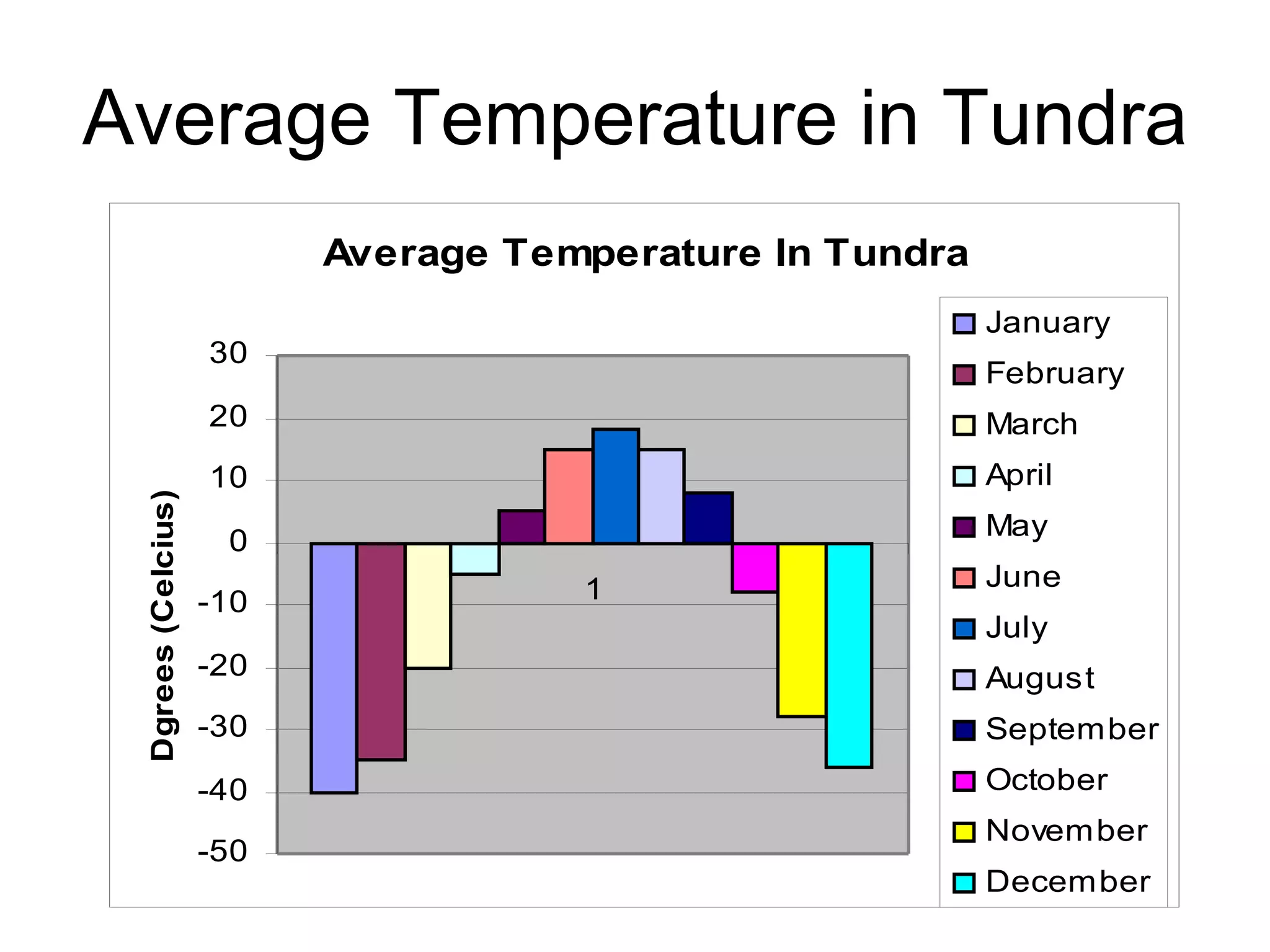
The Arctic tundra, sprawling across northern North America, Europe, and Asia, is the most widely recognized form. Here, the average annual temperatures are consistently below freezing, often hovering around -18°C (0°F). The extremely short growing season, typically only 50 to 60 days, is a direct consequence of these frigid conditions.
The defining characteristic of the Arctic tundra is its permafrost. This permanently frozen layer of soil, rock, and ice can be hundreds of meters thick and plays a critical role in shaping the landscape and its temperatures. While the surface layers experience seasonal thawing, the deep permafrost acts as an insulating barrier, preventing heat from penetrating further into the earth. This results in a unique thermal regime where the ground itself is perpetually cold.
During the brief Arctic summer, temperatures can rise above freezing, sometimes reaching as high as 10°C (50°F) in coastal areas. However, this warmth is superficial and short-lived. The average summer temperatures in the Arctic tundra are still quite cool, typically ranging from 3°C to 12°C (37°F to 54°F). This relatively mild period is crucial for the region’s flora and fauna, allowing for a burst of activity and reproduction before the harsh winter descends once more.
The Arctic winter, on the other hand, is a period of intense cold. Average winter temperatures can plummet to -34°C (-29°F) or even lower, with wind chill factors making it feel significantly colder. This prolonged period of extreme cold is a major factor in the limited biodiversity and the specialized adaptations observed in Arctic wildlife.
Alpine Tundra: A High-Altitude Exception
While the Arctic tundra is defined by latitude, Alpine tundra is found at high elevations, regardless of latitude. These environments, perched atop mountains, share many climatic similarities with their Arctic counterparts. The thin atmosphere at high altitudes offers less insulation, leading to significant temperature fluctuations and a shorter growing season.
Average temperatures in Alpine tundra can be slightly warmer than in the Arctic tundra during the summer months, often ranging from 7°C to 15°C (45°F to 59°F). However, this is still a cool climate, and the presence of snow and ice can persist for much of the year. The winters are predictably harsh, with average temperatures dropping well below freezing, often comparable to or even colder than the Arctic in terms of overall severity, though the duration might be slightly less extreme than the polar winters.
The key difference between Alpine and Arctic tundra, from a thermal perspective, is the absence of permafrost in most Alpine regions. While the ground can freeze deeply during winter, it typically thaws completely during the warmer months, allowing for deeper root penetration for certain plant species.
Factors Influencing Tundra Temperatures
Several key factors contribute to the extremely low average temperatures observed in the tundra. Understanding these elements provides a clearer picture of why these regions are so profoundly cold.
Latitude and Solar Insolation: The Sun’s Limited Reach
The most significant factor influencing tundra temperatures is latitude. The Arctic tundra is located at very high latitudes, meaning the sun’s rays hit the Earth at a very oblique angle. This results in less direct solar energy being received, especially during the winter months when the sun may not rise above the horizon for extended periods (polar night). Even during summer, the low angle of the sun means that the intensity of solar radiation is significantly reduced compared to equatorial regions.
This diminished solar insolation directly impacts the amount of heat the tundra receives, leading to consistently low temperatures. The prolonged periods of darkness during winter exacerbate this effect, allowing temperatures to drop to extreme lows.
Albedo Effect: Reflecting the Sun’s Rays
Another crucial factor is the albedo effect. Albedo refers to the reflectivity of a surface. In the tundra, vast expanses of snow and ice cover the landscape for much of the year. These surfaces are highly reflective, bouncing a significant portion of the incoming solar radiation back into space. This means that even when the sun is shining, less of its energy is absorbed by the ground, further contributing to the cold.
As temperatures rise slightly during the summer, some snow and ice melt, exposing darker soil and vegetation. These darker surfaces have a lower albedo and absorb more solar radiation, leading to a temporary warming trend. However, the presence of permafrost limits the depth of this warming, and as soon as temperatures begin to drop again, the snow and ice return, reasserting the albedo effect and ushering in the cold.
Altitude: A High-Elevation Chill
For Alpine tundra, altitude is the primary driver of low temperatures. As elevation increases, atmospheric pressure decreases, and the air becomes thinner. Thinner air is less effective at trapping and retaining heat, leading to cooler temperatures. This phenomenon is observed in mountainous regions worldwide, where even in otherwise temperate latitudes, high altitudes can support tundra-like conditions.
The combined effects of reduced solar insolation and the thin atmosphere at high elevations create a climate that is remarkably similar to the Arctic tundra, despite the absence of permafrost in many cases.
Ocean Currents and Proximity to the Sea
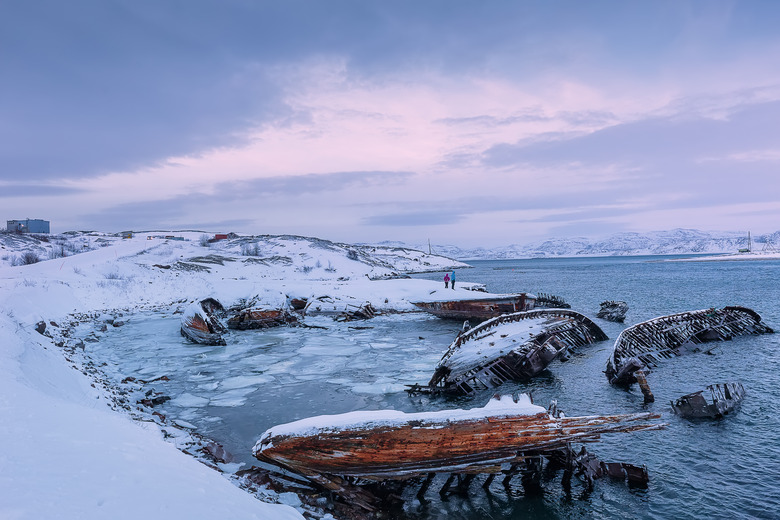
For coastal Arctic tundra regions, ocean currents can play a moderating role, albeit a limited one. Warm ocean currents can bring slightly milder temperatures to coastal areas, but their influence is often suppressed by the overwhelming cold from the landmass and the persistent ice cover. Conversely, cold ocean currents can further chill coastal regions.
The presence of sea ice also significantly influences coastal tundra temperatures. Extensive sea ice reflects solar radiation (high albedo) and also acts as a barrier, preventing warmer ocean air from reaching the land.
Adapting to the Cold: Life in the Tundra
The extreme average temperatures in the tundra have driven remarkable adaptations in both its flora and fauna. Life here is a testament to resilience and the power of evolution.
Plant Adaptations: Low and Hardy
Tundra vegetation is characterized by its low-growing nature. Shrubs are stunted, and trees are virtually absent, replaced by mosses, lichens, grasses, sedges, and dwarf shrubs. This low profile helps plants avoid the harsh, drying winds and also allows them to stay closer to the warmer ground during the brief summer.
The short growing season is a major challenge. Tundra plants have adapted to grow and reproduce rapidly during the brief summer months. Many are perennial, meaning they live for several years and can store energy from one growing season to the next. They often have dark-colored leaves to absorb as much solar radiation as possible and may have hairy or waxy coatings to protect against wind and cold.
The presence of permafrost also influences plant life. The shallow active layer (the part of the soil that thaws annually) limits root growth, reinforcing the need for low-profile, shallow-rooted plants.
Animal Adaptations: Insulation and Migration
Animals in the tundra have developed a range of strategies to survive the extreme cold. Thick fur or feathers are common for insulation. For example, the Arctic fox has dense fur that can even cover its paws, and the snowy owl has feathers that extend down to its toes.
Many animals have also adapted to the limited food availability. Herbivores like the caribou have specialized digestive systems to process the tough, fibrous tundra vegetation. Carnivores, such as wolves and polar bears, have developed keen senses for hunting prey that is also adapted to the cold.
Migration is a key survival strategy for many tundra species. Birds that breed in the tundra during the summer migrate south to warmer climates for the winter. Caribou undertake long migrations to find food and calving grounds. For animals that remain in the tundra year-round, such as the Arctic hare and the ptarmigan, they often change their coat color with the seasons, from brown in summer to white in winter for camouflage.
Hibernation is less common in the Arctic tundra due to the prolonged and extreme cold, and the limited availability of suitable hibernation sites. However, some smaller mammals may enter torpor for short periods.
The Tundra’s Future: Facing a Warming World
While the tundra is defined by its extreme cold, it is also a biome that is particularly vulnerable to climate change. Rising global temperatures are having a disproportionate impact on the Arctic.
Permafrost Thaw and its Consequences
The most significant consequence of a warming world for the tundra is the thawing of permafrost. As permafrost thaws, it releases vast amounts of stored greenhouse gases, such as carbon dioxide and methane, into the atmosphere. This creates a feedback loop, accelerating global warming.
Permafrost thaw also has profound effects on the landscape. It can lead to ground subsidence, the formation of thermokarst lakes, and coastal erosion. These changes disrupt ecosystems, impact infrastructure built on frozen ground, and pose significant challenges for the communities that live in the tundra.
Shifting Ecosystems and Biodiversity Loss
As temperatures rise, the tundra ecosystem is undergoing significant changes. The growing season is lengthening, and shrubs are beginning to encroach into areas that were previously dominated by low-growing vegetation. This “shrubification” can alter habitat suitability for many tundra species and may lead to a loss of biodiversity.
The warming oceans are also impacting Arctic wildlife. Melting sea ice is a critical habitat for polar bears, seals, and walruses, and its reduction poses a serious threat to their survival. Changes in ocean currents and prey distribution can also affect marine life in tundra regions.
Conclusion: A Fragile Equilibrium
The average temperature in the tundra is a defining characteristic of this unique biome, painting a picture of extreme cold driven by latitude, solar insolation, and the albedo effect. These frigid conditions have shaped a landscape of resilience, fostering specialized adaptations in both plants and animals. However, this seemingly immutable environment is facing an unprecedented challenge in the form of a warming world. The thawing of permafrost and the consequent release of greenhouse gases, coupled with shifts in ecosystems and biodiversity loss, highlight the fragility of the tundra’s equilibrium. Understanding the average temperatures of the tundra is not just an academic exercise; it is a crucial step in appreciating the delicate balance of this vital biome and recognizing the urgent need for global action to protect it.
aViewFromTheCave is a participant in the Amazon Services LLC Associates Program, an affiliate advertising program designed to provide a means for sites to earn advertising fees by advertising and linking to Amazon.com. Amazon, the Amazon logo, AmazonSupply, and the AmazonSupply logo are trademarks of Amazon.com, Inc. or its affiliates. As an Amazon Associate we earn affiliate commissions from qualifying purchases.