
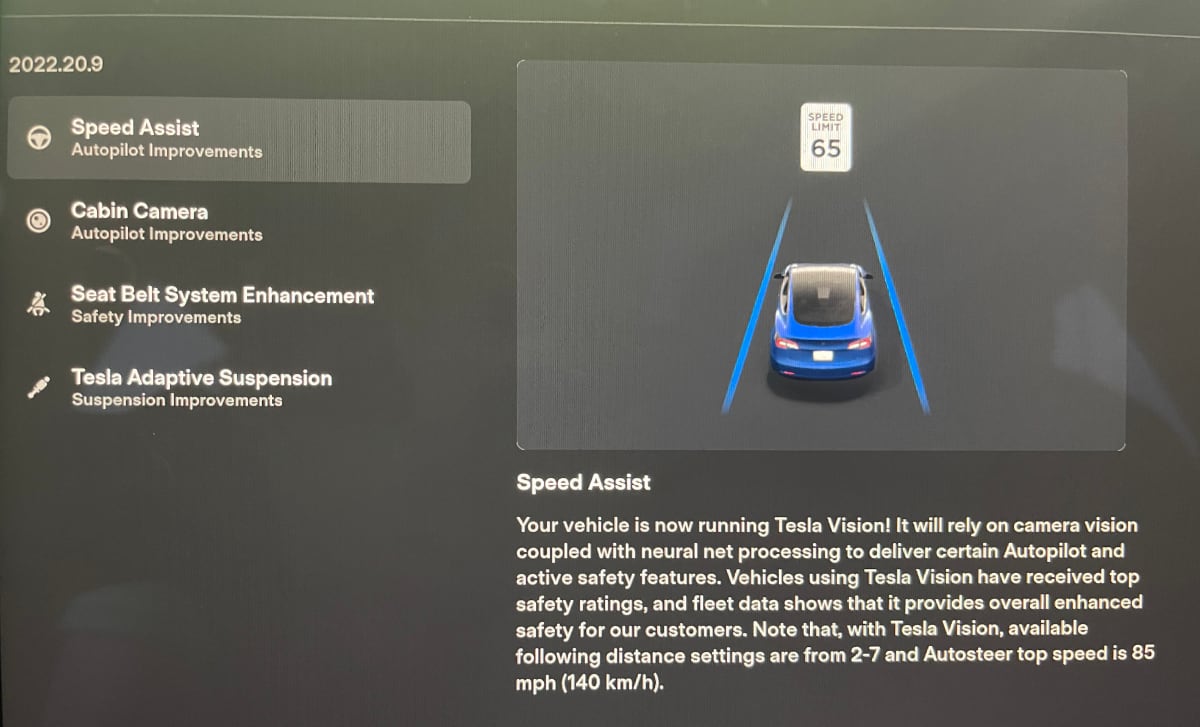
Tesla’s journey towards autonomous driving has been marked by a distinct technological philosophy: Tesla Vision. Unlike many of its competitors who heavily rely on LiDAR (Light Detection and Ranging) sensors, Tesla has committed to a camera-centric approach. This decision has sparked considerable debate and scrutiny within the automotive and tech industries. But what exactly is Tesla Vision, and how does it aim to achieve full self-driving capabilities? This article will delve into the core principles of Tesla Vision, its technological underpinnings, its implications for the future of transportation, and how it aligns with the broader themes of technology, brand perception, and the financial landscape of the automotive industry.
The Pillars of Tesla Vision: A Camera-First Philosophy
At its heart, Tesla Vision represents a fundamental belief in the power of advanced computer vision and neural networks to perceive and interpret the world around a vehicle. This approach is built on several key tenets:
The Power of Vision: Mimicking Human Perception
Tesla’s core argument is that humans drive using their eyes – our primary sensory input for navigating the complex and ever-changing environment of the road. Tesla Vision aims to replicate this human-like perception by equipping its vehicles with a suite of high-resolution cameras strategically placed around the car. These cameras provide a 360-degree view, capturing everything from lane markings and traffic signs to pedestrians, cyclists, and other vehicles.
Unlike LiDAR, which uses lasers to create a 3D map of the environment, Tesla’s cameras capture raw visual data. This data is then fed into sophisticated neural networks, which are trained on massive datasets to recognize objects, predict their behavior, and make driving decisions. The advantage, Tesla argues, is that cameras can capture richer, more nuanced information, such as the color of a traffic light, the intent in a pedestrian’s posture, or the subtle flicker of a turn signal.
The Neural Network Engine: Learning and Adapting
The true intelligence behind Tesla Vision lies in its advanced neural networks. These are not simply programmed with a set of rules; they are designed to learn and improve over time through experience. Every mile driven by a Tesla vehicle equipped with Autopilot or Full Self-Driving (FSD) capability generates valuable data that is anonymized and uploaded to Tesla’s servers.
This vast pool of real-world driving data is then used to retrain and refine the neural networks. As the system encounters new scenarios and edge cases, it learns how to better interpret them. This continuous learning cycle is crucial for Tesla’s ambition to achieve true Level 5 autonomy, where a vehicle can handle all driving tasks under all conditions without human intervention. The development and ongoing improvement of these AI tools are central to Tesla’s technological edge.
The Shift Away from LiDAR: A Bold and Controversial Stance
The most significant differentiator of Tesla Vision is its deliberate decision to omit LiDAR sensors from its production vehicles. LiDAR, while effective at generating precise 3D environmental maps, is a costly sensor. Tesla’s leadership, particularly CEO Elon Musk, has repeatedly argued that LiDAR is an expensive “crutch” and that a truly robust autonomous system can be achieved with cameras and advanced software alone.
This stance has been met with skepticism from many in the industry. Competitors like Waymo (Google’s self-driving car project) and Cruise (General Motors’ autonomous vehicle company) have invested heavily in LiDAR technology, believing it to be essential for safe and reliable autonomous operation, especially in challenging weather conditions or low-light environments. Tesla’s approach, therefore, represents a significant bet on the future of computer vision and AI, a bet that carries both immense potential rewards and substantial risks.
The Evolution of Tesla Vision: From Autopilot to FSD
Tesla Vision is not a static technology; it has evolved significantly since its introduction. Understanding this evolution is key to grasping its current capabilities and future trajectory.
The Foundation: Autopilot and Enhanced Autopilot
When Tesla first introduced its “Autopilot” feature, it was essentially an advanced driver-assistance system (ADAS). It included features like adaptive cruise control and lane keeping. As the technology matured, Tesla introduced “Enhanced Autopilot,” which added capabilities such as automatic lane changes, navigate on Autopilot (which helps navigate highway interchanges and make overtakes), and auto park.
These features, while impressive, still required significant driver supervision. The term “Autopilot” itself has been a source of controversy, with regulators and safety advocates questioning whether it sets unrealistic expectations for drivers. The brand messaging around these features has been carefully managed, highlighting their assistance capabilities while emphasizing the need for driver engagement.
The Ambitious Goal: Full Self-Driving (FSD) Capability
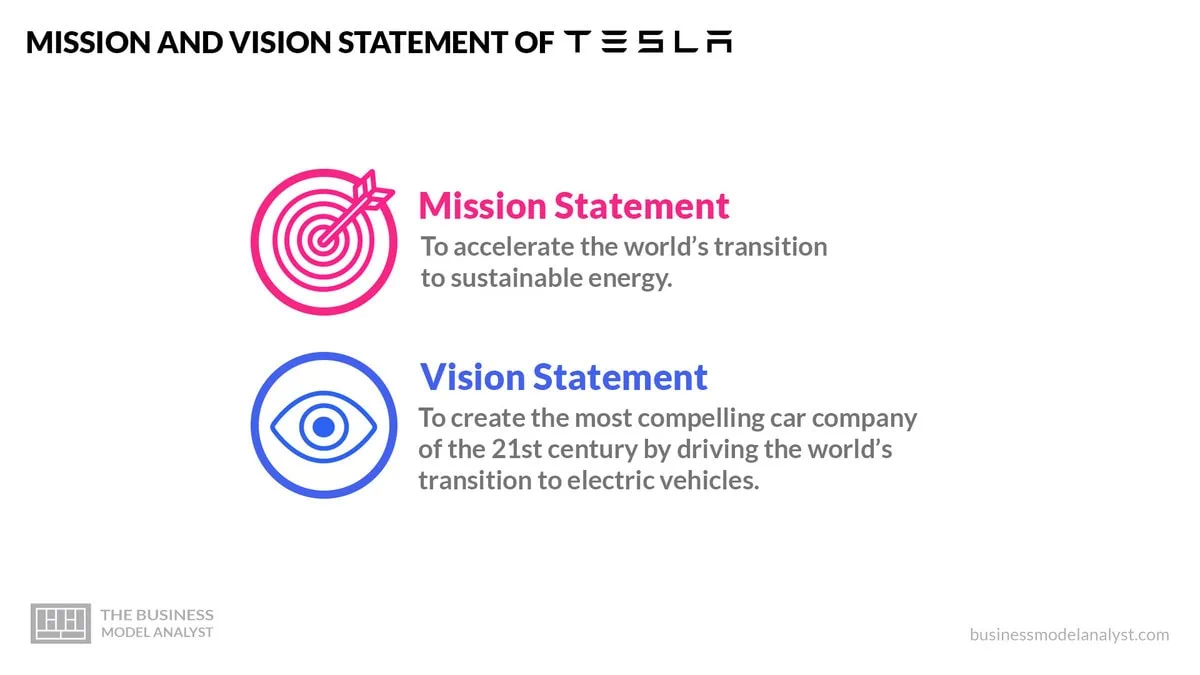
Full Self-Driving (FSD) capability is Tesla’s ambitious vision for a system that can handle all driving tasks. It is currently marketed as an optional add-on to Tesla vehicles, but it is important to note that it is still in beta and requires active driver supervision. The capabilities touted for FSD include:
- Navigate on Autopilot: Automatically drives the car from highway on-ramp to off-ramp, including identifying and responding to other vehicles and roadblocks.
- Auto Lane Change: Proactively changes lanes on the highway when a slower-moving car is detected.
- Autopark: Helps parallel or perpendicular park the car.
- Summon: Moves your car in and out of a tight space using the mobile app or key.
- Traffic and Stop Sign Control: Detects and responds to traffic lights and stop signs, automatically stopping the car and acknowledging them.
- Autosteer on City Streets: This is the most advanced and experimental feature of FSD, aiming to enable the car to navigate urban environments, including turns, intersections, and pedestrian interactions.
The development and rollout of FSD have been iterative, with Tesla releasing updates and new features incrementally. This approach allows for real-world testing and data collection, but it also means that the full promise of FSD is still a work in progress. The financial investment required by consumers for this capability, and the potential for its future value as a technology, places it squarely within the “Money” category.
The Implications of Tesla Vision: Technology, Brand, and Finance
Tesla Vision is more than just a technical implementation; it has profound implications across the technological, branding, and financial spheres.
Technological Advancements and Challenges
The success of Tesla Vision hinges on continuous innovation in AI, machine learning, and computer vision. The ability to process vast amounts of visual data in real-time and make split-second decisions is a monumental engineering challenge. The ongoing development of these AI tools is a testament to Tesla’s commitment to pushing the boundaries of what’s possible in artificial intelligence.
However, challenges remain. The ability of the system to perform reliably in adverse weather conditions (heavy rain, snow, fog), low-light scenarios, and unpredictable urban environments is still a critical area of development. Critics often point to instances where Tesla’s systems have struggled with unexpected situations, highlighting the inherent complexities of replicating human judgment and situational awareness. The digital security of these systems, collecting and processing such sensitive data, also becomes paramount.
Brand Perception and Trust
Tesla has cultivated a powerful brand image as an innovator and a leader in electric vehicles and advanced technology. The promise of Autopilot and FSD has been a significant driver of this brand perception. However, the ongoing debate surrounding the safety and capabilities of these systems, coupled with occasional accidents involving Tesla vehicles, has also led to scrutiny and questions about the brand’s transparency and the actual level of autonomy delivered.
The narrative around Tesla Vision is a delicate balance between highlighting cutting-edge innovation and managing expectations. The company’s success in building trust with consumers regarding autonomous driving will be crucial for its long-term brand equity and market leadership.
The Financial Landscape of Autonomous Driving
The pursuit of autonomous driving is an incredibly capital-intensive endeavor. The investment in research and development, the creation of vast data centers for AI training, and the production of specialized hardware all contribute to significant financial outlay.
For consumers, the cost of FSD capability is substantial, representing a significant investment in their vehicle. From a business finance perspective, the question of profitability for autonomous driving technology is still being answered. Tesla’s approach, by avoiding expensive LiDAR hardware, aims to make its autonomous systems more cost-effective to implement and scale. This financial strategy is a key differentiator in a market where development costs are soaring. Furthermore, the potential for future revenue streams from software updates, subscription services, and even a robotaxi network, positions autonomous driving as a significant area of future financial growth for the company.

The Road Ahead for Tesla Vision
Tesla Vision represents a bold, camera-centric path towards the future of autonomous driving. It is a strategy that relies heavily on the power of artificial intelligence and continuous learning from real-world data. While the absence of LiDAR has drawn criticism, Tesla’s unwavering commitment to this approach underscores a fundamental belief in the potential of computer vision to unlock true self-driving capabilities.
The ongoing development and refinement of Tesla Vision will continue to shape the automotive industry, influencing technological trends, brand perceptions, and the financial landscape of mobility. As the technology evolves, so too will the debate, but one thing is clear: Tesla is driving the conversation about what autonomous driving can and should be. The success or failure of Tesla Vision will have far-reaching implications, not just for Tesla, but for the entire future of how we travel.
aViewFromTheCave is a participant in the Amazon Services LLC Associates Program, an affiliate advertising program designed to provide a means for sites to earn advertising fees by advertising and linking to Amazon.com. Amazon, the Amazon logo, AmazonSupply, and the AmazonSupply logo are trademarks of Amazon.com, Inc. or its affiliates. As an Amazon Associate we earn affiliate commissions from qualifying purchases.