
Tenure status, a concept often associated with academia, represents a significant milestone in a professional’s career. It signifies a level of job security and academic freedom that is highly sought after. However, the concept of tenure, and the pathways to achieving it, can be complex and vary across institutions and even industries. This article will delve into the meaning of tenure status, its implications across different professional landscapes, and how it relates to the broader themes of security, reputation, and long-term career growth, drawing connections to the core topics of Technology, Brand, and Money that shape our modern professional lives.

The Core Meaning of Tenure Status: More Than Just a Job for Life
At its heart, tenure status is a guarantee of continued employment and protection against arbitrary dismissal. It’s not a permanent position in the strictest sense, but rather a contractual agreement that a faculty member, or in some contexts, a professional in another field, will retain their position indefinitely, provided they meet certain ethical and professional standards and their institution can maintain financial viability.
Academic Tenure: The Traditional Bastion of Security and Freedom
The most common understanding of tenure status lies within the realm of higher education. In universities and colleges, tenure is typically granted after a rigorous probationary period, usually lasting several years, during which a candidate is expected to demonstrate excellence in research, teaching, and service. This period is characterized by intense scrutiny, with regular evaluations and feedback.
The Rigors of the Tenure Track: The journey to tenure in academia is often described as an arduous marathon. Junior faculty members, often referred to as “Assistant Professors,” are on a tenure track. During this time, they are expected to:
- Publish Scholarly Work: This is paramount. Researchers must produce original, high-quality work that contributes new knowledge to their field. This involves securing grants, conducting experiments or research, and publishing findings in peer-reviewed journals. The quantity and impact of publications are key metrics.
- Excel in Teaching: Effective pedagogy is crucial. This includes developing and delivering engaging courses, mentoring students, and receiving positive evaluations from both students and peers.
- Contribute to the Institution (Service): Faculty members are expected to participate in departmental committees, university governance, and other service-related activities that contribute to the smooth functioning of the academic community.
Why Tenure Matters in Academia: The granting of tenure is not merely an act of recognition; it serves several vital purposes:
- Academic Freedom: This is arguably the most significant benefit. Tenure protects faculty members from dismissal for expressing unpopular or controversial ideas. This freedom is essential for the pursuit of truth and the advancement of knowledge, allowing scholars to explore challenging topics without fear of reprisal.
- Attracting and Retaining Talent: The promise of tenure is a powerful incentive for highly qualified individuals to pursue academic careers, which can be intellectually demanding and financially less lucrative than some private sector roles. It also helps retain experienced and productive scholars within an institution.
- Long-Term Research Investments: Tenure provides the stability needed for faculty to undertake long-term research projects that may not yield immediate results but are crucial for groundbreaking discoveries.
The Role of Technology in Academia and Tenure: While the core principles of tenure remain, technology is increasingly influencing the academic landscape and the metrics by which tenure is evaluated.
- Digital Scholarly Output: Beyond traditional journal articles, tenure candidates may now be evaluated on their contributions to open-access repositories, digital humanities projects, online educational platforms, and even the development of educational software.
- Data-Driven Teaching Evaluation: Learning management systems (LMS) and other educational technologies can provide data on student engagement and learning outcomes, which can be incorporated into teaching evaluations.
- Research Collaboration Tools: Digital platforms facilitate global collaboration, allowing researchers to connect with peers across continents, accelerating the pace of discovery and potentially enhancing the impact of their work.
Beyond Academia: Tenure Status in Other Professional Contexts
While academia is the traditional home of tenure, the underlying principle of job security and long-term commitment has found echoes in other professional spheres, albeit often under different terminology.
Quasi-Tenure in Research and Development (R&D) and Specialized Fields
Certain organizations, particularly those heavily invested in long-term research and development, may offer forms of job security that resemble tenure. In these settings, highly specialized researchers or engineers might be granted a form of permanent or near-permanent status after a successful period of contributing to critical projects. This isn’t always a formal “tenure” title, but it signifies a commitment from the employer to retain the individual’s expertise, recognizing their unique value.
- Protecting Intellectual Property and Expertise: For companies that rely on proprietary knowledge and long-term innovation, retaining key scientific and technical talent is paramount. A form of tenure can protect against the loss of institutional memory and the outflow of valuable intellectual property.
- Encouraging Bold Innovation: Similar to academic freedom, employees in these roles might be given the latitude to pursue ambitious, high-risk, high-reward projects that might not have immediate commercial payoffs. This encourages true innovation.
- The Impact of AI and Automation: The increasing role of AI tools in R&D presents a complex dynamic. While AI can augment human capabilities, the unique problem-solving skills and creative insights of experienced professionals remain invaluable. The “tenure” of such individuals may increasingly be tied to their ability to effectively leverage and guide AI systems, rather than solely on traditional output.
The “Implicit Tenure” in High-Value Professions
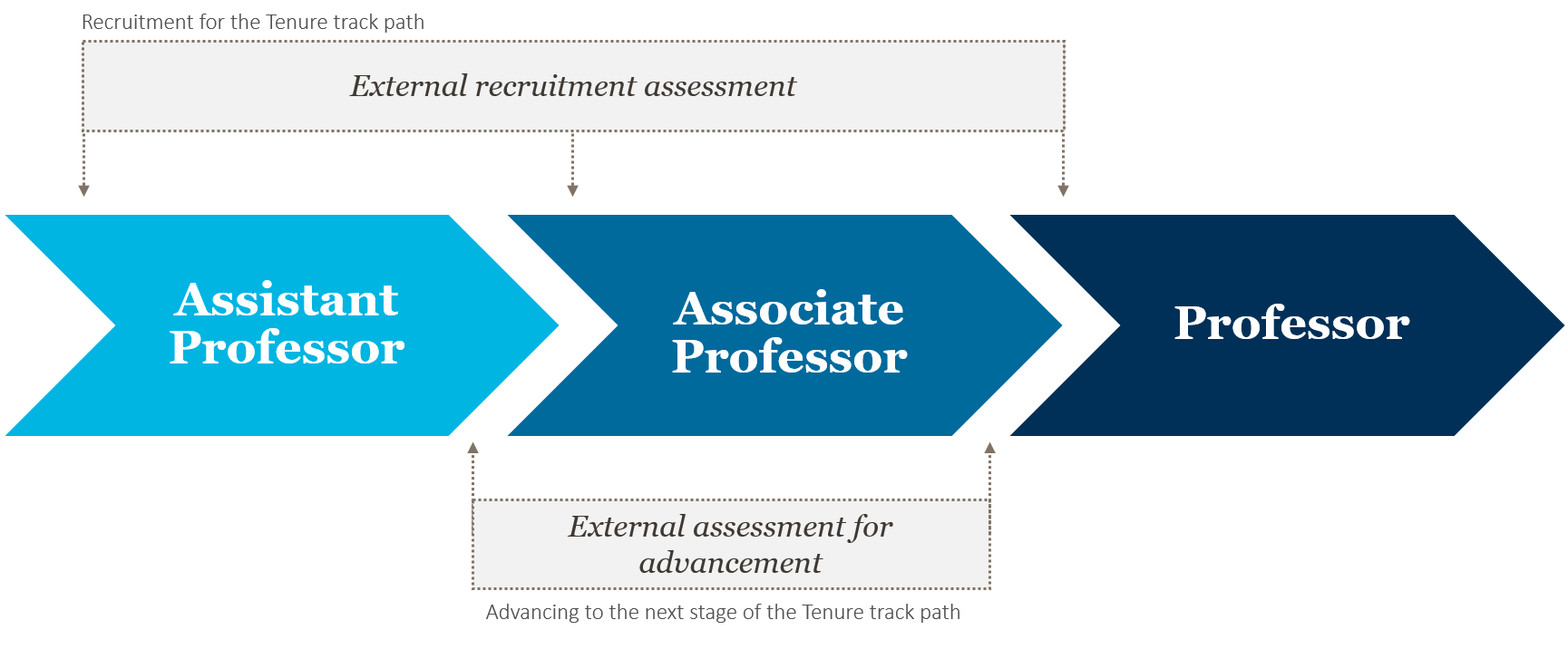
In certain highly skilled and in-demand professions, a de facto form of job security can emerge, akin to an implicit tenure. Professionals who possess rare expertise, have built a stellar reputation, and are indispensable to their organizations may find themselves very difficult to replace. While there may not be a formal contract guaranteeing employment, their value to the company is so high that dismissal is rarely considered.
- Brand Building Through Expertise: In fields like specialized law, elite consulting, or cutting-edge software development, an individual’s personal brand becomes intrinsically linked to their professional security. Their reputation for excellence acts as a powerful shield, making them a valuable and irreplaceable asset.
- Financial Stability and Long-Term Investment: The financial rewards in these fields can be substantial, allowing individuals to invest in their careers and build a strong financial foundation. This financial independence further contributes to their professional security and bargaining power.
Tenure Status and its Relationship to Brand and Money
The concept of tenure status is deeply intertwined with the broader themes of Brand and Money that define our professional existence.
Brand: Reputation as the Foundation of Tenure and Security
Whether in academia or other fields, an individual’s professional brand is a critical factor in achieving and maintaining security.
- Building a Strong Personal Brand: For academics, this means cultivating a reputation as a leading researcher, an inspiring educator, and a respected colleague. For professionals in other sectors, it involves establishing expertise, reliability, and a track record of success. This brand is built through consistent high performance, clear communication, and effective networking.
- The Impact of Digital Reputation: In the digital age, an individual’s online presence is a significant part of their brand. Publications, conference presentations, social media engagement, and even the way one interacts in online forums all contribute to their perceived credibility and influence. A positive digital footprint can significantly bolster a claim for tenure or reinforce implicit professional security.
- Corporate Brand and Employee Value: For organizations, the brand they project influences their ability to attract and retain top talent. A company with a strong reputation for innovation, ethical practices, and employee development is more likely to secure individuals who might otherwise be sought after by competitors. This can indirectly create a more stable environment for valuable employees.
Money: Financial Security and the Long-Term Investment of Tenure
The pursuit of tenure status is intrinsically linked to Money, both in terms of financial reward and the long-term financial security it offers.
- Financial Rewards of Tenure: In academia, while starting salaries might be modest compared to some private sector roles, tenure often comes with increased salary potential, research funding opportunities, and financial benefits that accrue over a long career. This financial stability allows for personal financial planning and investment.
- Investing in Future Earning Potential: The years spent on the tenure track are a significant investment of time and effort. The ultimate reward of tenure is the ability to continue pursuing one’s passion and contributing to their field with a degree of financial predictability. This allows individuals to make long-term financial plans, such as investing in property, retirement planning, and supporting their families.
- The Economic Case for Tenure: From an institutional perspective, the investment in tenure can be seen as an investment in the future. Retaining experienced faculty allows universities to offer a consistent quality of education and research, which in turn attracts students and research funding, contributing to the institution’s long-term financial health.
- Side Hustles and Financial Diversification: While tenure offers significant security, the modern professional landscape often encourages financial diversification. Even tenured professors or highly secure professionals may engage in consulting, writing, or other side hustles to supplement their income, build new skills, and further secure their financial future. This demonstrates that financial well-being often involves a multi-faceted approach, even with a secure primary role.
The Future of Tenure Status in a Rapidly Evolving World
As technology continues to reshape industries and the nature of work, the traditional model of tenure status is likely to evolve. The core principles of job security, academic freedom, and the recognition of long-term contributions will remain important, but the mechanisms for achieving and maintaining them may change.
Adapting to the Digital Transformation
The digital revolution is not only changing how we work but also how we assess value and performance.
- Skills-Based Evaluation: In the future, tenure decisions might place greater emphasis on demonstrable skills and adaptability, particularly in relation to emerging technologies. The ability to leverage AI tools, analyze complex data sets, or develop innovative digital solutions could become as important as traditional scholarly output.
- Continuous Learning and Re-Skilling: The rapid pace of technological change necessitates a commitment to lifelong learning. Professionals seeking long-term security will need to actively engage in continuous professional development and be willing to re-skill to remain relevant.
- The “Gig Economy” and Security: The rise of the gig economy and contract-based work presents a challenge to traditional notions of tenure. However, it also highlights the enduring human desire for security and stability. Perhaps new models of “portable tenure” or collective bargaining agreements will emerge to offer greater protection to contingent workers.

The Enduring Value of Expertise and Trust
Despite technological advancements, the human element remains crucial. The ability to think critically, solve complex problems creatively, and build trust are qualities that are difficult for technology to replicate.
- The Human Factor in AI Development: Even as AI becomes more sophisticated, human oversight, ethical guidance, and creative problem-solving will be indispensable. Professionals who can effectively collaborate with and direct AI will hold significant value.
- Building a Trusted Brand: In an age of information overload and potential misinformation, a strong, trustworthy personal and institutional brand will be more important than ever. Tenure, in its essence, signifies a level of trust and proven reliability.
- Long-Term Vision and Strategic Thinking: The ability to think strategically, anticipate future trends, and guide long-term initiatives will always be a valuable asset. Tenure provides the stability for individuals to develop and exercise this long-term vision.
In conclusion, tenure status, while most commonly associated with academia, embodies a broader professional aspiration for security, recognition, and the freedom to pursue meaningful work. Its implications extend across the realms of Technology, Brand, and Money, shaping how professionals build their careers, establish their reputations, and secure their financial futures. As the professional landscape continues its rapid transformation, the principles underlying tenure will likely persist, adapting to new challenges and opportunities, and continuing to define what it means to achieve a secure and impactful career.
aViewFromTheCave is a participant in the Amazon Services LLC Associates Program, an affiliate advertising program designed to provide a means for sites to earn advertising fees by advertising and linking to Amazon.com. Amazon, the Amazon logo, AmazonSupply, and the AmazonSupply logo are trademarks of Amazon.com, Inc. or its affiliates. As an Amazon Associate we earn affiliate commissions from qualifying purchases.