
The United States, a beacon of opportunity and innovation, attracts individuals from around the globe seeking to build a better life, advance their careers, or simply experience a new culture. While many envision pathways like employment-based visas, family sponsorships, or educational pursuits, the landscape of immigration is far more nuanced. Beyond the commonly discussed categories lies a crucial, yet perhaps less widely understood, visa: the T visa.
The T visa is not your typical immigration route for economic advancement or academic study. Instead, it is a vital lifeline, a pathway to safety and protection for victims of severe forms of human trafficking. This article aims to demystify the T visa, exploring its purpose, eligibility criteria, the application process, and the broader implications for both victims and the American society, all within the context of our focus on Tech, Brand, and Money.
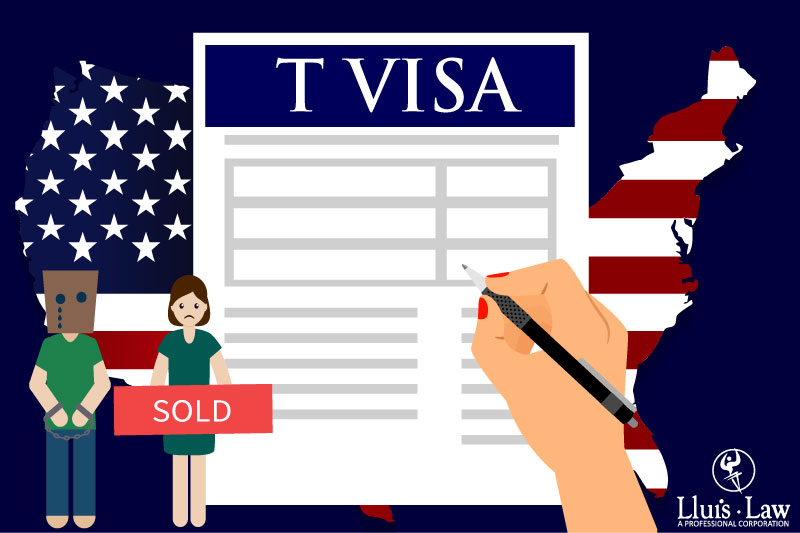
While the T visa’s core function is humanitarian, understanding its nuances can be beneficial for professionals in various fields. For those in Tech, awareness of the T visa can inform the development of secure platforms and ethical data handling practices, potentially aiding organizations that support trafficking victims. In the realm of Brand, understanding the human rights aspect of trafficking can influence corporate social responsibility initiatives and the way brands engage with global supply chains. And for Money professionals, knowledge of the T visa can highlight the financial realities and potential economic empowerment opportunities for survivors, as well as the financial resources allocated to anti-trafficking efforts.
Understanding the T Visa: A Sanctuary for Survivors
At its heart, the T visa, officially known as the Victims of Severe Forms of Trafficking in Persons visa, is designed to offer protection and legal status to individuals who have been trafficked into the United States, or trafficked from the U.S. to a foreign country. This protection extends to those who have been subjected to force, fraud, or coercion for the purpose of commercial sex acts or labor. The “severe forms” aspect is critical, emphasizing the gravity of the exploitation.
Who Qualifies for a T Visa?
The eligibility for a T visa is stringent and multifaceted, focusing on the victim’s experience and cooperation. To qualify, an individual must meet several key criteria:
-
Victim of Severe Forms of Trafficking: This is the cornerstone of eligibility. The applicant must demonstrate that they have been subjected to severe forms of trafficking. This means they were recruited, harbored, transported, provided, or obtained through the use of force, fraud, or coercion for the purpose of:
- Commercial sex acts: If the individual is 18 years of age or older, they must demonstrate that they were subjected to commercial sex acts through force, fraud, or coercion. For individuals under 18, the requirement of force, fraud, or coercion is waived; any minor subjected to commercial sex acts is considered a victim of trafficking.
- Labor or Services: This encompasses a broad range of exploitative work. Examples include domestic servitude, agricultural labor, factory work, restaurant employment, construction, and any other forced labor. The recruitment, harboring, transportation, provision, or obtaining of the person must have been done through force, fraud, or coercion.
-
Presence in the U.S. (or U.S. Territory): The trafficking must have occurred in the United States or its territories, or the victim was brought to the U.S. through illicit means. There are provisions for individuals trafficked from the U.S. to another country as well.
-
Cooperation with Law Enforcement: This is a critical component. T visa applicants are generally required to cooperate with law enforcement in the investigation or prosecution of human trafficking. This cooperation can be with federal, state, or local law enforcement agencies. The specific nature of the cooperation can vary, but it typically involves providing truthful information about the trafficking situation.
-
Physical Presence: The applicant must be physically present in the United States or its territories at the time of application.
-
Demonstration of Hardship: The applicant must demonstrate that they would suffer extreme hardship if removed from the United States. This hardship can be due to the trafficking itself, the trauma experienced, or the inability to seek justice if returned to their country of origin.
It’s important to note that the definition of “force, fraud, or coercion” is interpreted broadly by U.S. immigration authorities. It can include physical violence, threats, psychological manipulation, debt bondage, confiscation of documents, isolation, and any other means that overcome the individual’s free will.
Benefits of the T Visa
The T visa offers significant benefits to its holders, providing a pathway to stability and a chance to rebuild their lives:
-
Legal Status and Protection: A T visa grants lawful temporary status in the United States, offering protection from deportation and immediate dangers.
-
Work Authorization: T visa holders are eligible for employment authorization, allowing them to legally work and earn a living. This is crucial for economic independence and recovery.
-
Pathway to Permanent Residency: After three years of holding a T visa, individuals may be eligible to apply for lawful permanent resident status (a green card). This provides a more permanent and stable immigration status.
-
Family Members: In certain circumstances, immediate family members of the T visa principal applicant can also be eligible for derivative T visas. These typically include a spouse, children, and parents.
-
Access to Social Services: T visa holders may gain access to certain social services and benefits, which can aid in their recovery and integration into society.
The Application Process: A Detailed Journey
Applying for a T visa is a complex and often lengthy process that requires meticulous documentation and a strong understanding of immigration law. It is highly recommended that applicants seek assistance from qualified immigration attorneys or accredited representatives of organizations that assist trafficking victims.
Key Steps in the T Visa Application
The process generally involves the following stages:
1. Form I-914, Application for T Nonimmigrant Status

This is the primary form used to apply for the T visa. It requires extensive personal information about the applicant, details of the trafficking experience, and evidence to support the claims. This form must be filed with U.S. Citizenship and Immigration Services (USCIS).
2. Supporting Documentation
The success of a T visa application hinges on robust supporting evidence. This can include:
- Affidavits: Detailed written statements from the applicant describing the trafficking situation.
- Law Enforcement Reports: Documentation from any interactions with police or other investigative agencies.
- Medical Records: Evidence of injuries or medical conditions resulting from the trafficking.
- Testimonies from Witnesses: Statements from individuals who can corroborate the applicant’s story.
- Evidence of Force, Fraud, or Coercion: This can be varied and may include photographs, correspondence, financial records, or witness statements.
- Proof of Identity: Birth certificates, passports, or other identification documents.
- Evidence of Family Relationships: For derivative applicants, birth certificates, marriage certificates, etc.
3. Certification from Law Enforcement (or waiver)
As mentioned earlier, cooperation with law enforcement is usually a requirement. This often involves obtaining a formal certification from a federal, state, or local law enforcement agency that the applicant has been, or is willing to be, helpful in the investigation or prosecution of trafficking. In cases where cooperation is not possible or safe, an applicant may be eligible for a waiver of this requirement.
4. USCIS Adjudication
Once the application and all supporting documents are filed, USCIS will adjudicate the case. This involves a thorough review of the evidence and may include an interview with the applicant. USCIS evaluates whether the applicant meets all the eligibility criteria, including the definition of severe forms of trafficking and the requirement of force, fraud, or coercion.
5. Derivative Applications
If the principal applicant is approved, their eligible family members can then apply for derivative T visas. This process also involves submitting specific forms and evidence to USCIS.
6. Adjustment of Status
After holding a T visa for three years, or in some cases sooner if certain conditions are met, the individual can apply to adjust their status to that of a lawful permanent resident (green card holder). This requires submitting Form I-485, Application to Register Permanent Residence or Adjust Status, along with additional supporting documents and fees.
The role of Technology in the T Visa Process: While not directly part of the application itself, technology can play a crucial role in how anti-trafficking organizations and legal aid groups operate. Secure digital platforms can be used to share sensitive case information, encrypted communication tools can protect victim confidentiality, and data analytics can help identify trafficking patterns. For individuals seeking legal assistance, online resources and virtual consultations can bridge geographical barriers.
Brand and Reputation Management for Anti-Trafficking Organizations: Organizations dedicated to assisting T visa applicants often rely on strong branding to build trust and attract support. Clear and compassionate messaging, transparent reporting on their impact, and a consistent brand identity are essential for fundraising and public awareness campaigns.
Financial Considerations for Survivors: The T visa provides a pathway to work authorization, which is crucial for financial independence. As survivors begin to earn income, understanding personal finance, budgeting, and responsible financial management becomes paramount. This might involve accessing financial literacy programs or seeking advice on opening bank accounts and managing their earnings.
Beyond the Visa: Empowerment and Reintegration
The T visa is more than just a piece of paper; it represents a critical step towards healing, safety, and rebuilding a life free from exploitation. For survivors, the journey after obtaining a T visa is one of recovery, integration, and empowerment.
Challenges and Support Systems
Despite the benefits, T visa holders often face significant challenges:
- Trauma Recovery: The psychological and emotional scars of human trafficking can be profound and long-lasting. Access to specialized mental health services is vital.
- Language Barriers: Many survivors may not be fluent in English, creating obstacles in finding employment, accessing services, and navigating daily life.
- Cultural Adjustment: Adapting to a new culture and societal norms can be difficult, especially after traumatic experiences.
- Finding Employment: While work authorization is granted, finding stable and fair employment that is not exploitative can still be a challenge. This is where organizations focused on skills training and job placement can be invaluable.
- Social Stigma: Survivors may face stigma and misunderstanding from some segments of society, further hindering their reintegration.
To address these challenges, a robust network of support systems is essential:
- Non-profit Organizations: Numerous organizations are dedicated to combating human trafficking and providing comprehensive support to survivors, including legal aid, housing assistance, counseling, and job training.
- Government Agencies: Federal, state, and local government agencies play a role in victim services, law enforcement, and policy development related to human trafficking.
- Community Resources: Local communities can contribute by offering welcome and support, creating inclusive environments, and raising awareness.

The Economic and Societal Impact
The economic empowerment of T visa holders has a positive ripple effect. As survivors gain employment and contribute to the economy, they become productive members of society. This not only benefits them individually but also strengthens the overall economic fabric of the nation.
From a Brand perspective, the successful reintegration of trafficking survivors can be highlighted in corporate social responsibility initiatives, showcasing a commitment to human rights and ethical practices. Companies that actively support survivor employment or partner with anti-trafficking organizations can enhance their brand reputation and connect with consumers who value social impact.
In the realm of Money, the financial journey of a T visa holder transitioning from victimhood to self-sufficiency is a testament to resilience. Financial institutions and organizations can play a role by offering accessible banking services, financial education programs tailored to survivors, and pathways to entrepreneurship, fostering long-term economic stability.
The presence of the T visa within the U.S. immigration system underscores a commitment to justice and protection for the most vulnerable. It acknowledges that while the United States is a land of opportunity, it must also be a sanctuary for those who have been preyed upon. By understanding and supporting the T visa, we contribute to a society that not only attracts talent and innovation but also upholds the fundamental dignity and rights of all individuals.
aViewFromTheCave is a participant in the Amazon Services LLC Associates Program, an affiliate advertising program designed to provide a means for sites to earn advertising fees by advertising and linking to Amazon.com. Amazon, the Amazon logo, AmazonSupply, and the AmazonSupply logo are trademarks of Amazon.com, Inc. or its affiliates. As an Amazon Associate we earn affiliate commissions from qualifying purchases.