
In today’s increasingly interconnected and complex landscape, the concept of “system risk” has become paramount. Whether we’re discussing the intricate workings of global financial markets, the vast digital infrastructure that powers our daily lives, or the delicate balance of corporate reputation, understanding system risk is no longer a niche concern but a fundamental necessity for navigating the modern era. This article will delve into the multifaceted nature of system risk, exploring its origins, its manifestations across various domains, and the critical importance of managing it effectively.
The Anatomy of System Risk: More Than Just Individual Failures
At its core, system risk refers to the potential for a single failure, or a cascade of interconnected failures, within a complex system to have widespread and significant negative consequences. It’s not simply about the failure of an individual component, but rather the way that component’s malfunction can ripple through the entire structure, impacting other parts and ultimately leading to a systemic collapse.
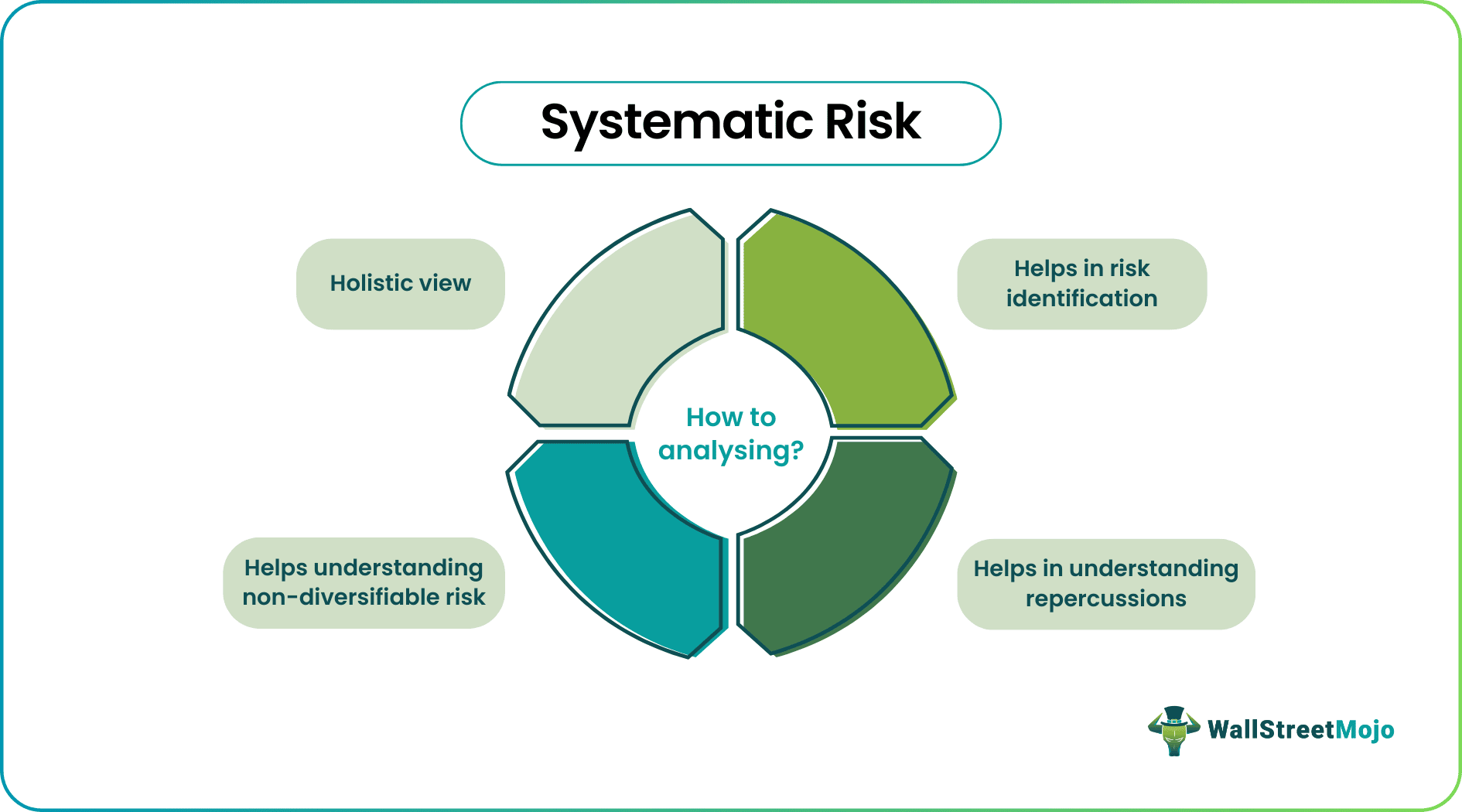
Think of it like a domino effect. A single, seemingly minor nudge at one end can trigger a chain reaction, bringing down every domino in line. In a system, these “dominoes” can be anything from a faulty piece of software to a sudden market downturn, a reputational scandal, or even a natural disaster. The interconnectedness of modern systems means that a problem in one area can quickly and unexpectedly spread to others, creating a domino effect that’s far larger and more damaging than the initial incident.
Technological System Risk: The Digital Dominoes
The rapid advancement of technology has woven a complex web of interconnected systems that underpin almost every aspect of our lives. From the software that runs our financial transactions to the AI algorithms that personalize our online experiences, these technological systems are incredibly powerful but also inherently vulnerable to systemic risks.
Software Vulnerabilities and Cyber Threats
The very nature of software development, with its continuous updates, integrations, and reliance on third-party libraries, creates numerous potential points of failure. A single, undiscovered vulnerability in a widely used piece of software can become an open door for malicious actors. Once exploited, this vulnerability can spread like wildfire, impacting countless individuals, businesses, and even critical infrastructure.
Consider the implications of a widespread ransomware attack that cripples a major cloud service provider. This single event could disrupt businesses reliant on that provider for data storage, communication, and operational tools. The impact extends beyond just the direct victims, affecting their customers, supply chains, and even the broader economy if the services are sufficiently critical. The rapid dissemination of malware and phishing attacks further exemplifies how technological interconnectedness amplifies risk.
The Rise of AI and its Systemic Implications
Artificial Intelligence (AI) is transforming industries at an unprecedented pace, but its widespread adoption also introduces new dimensions of system risk. AI systems are trained on vast datasets, and biases within these datasets can be amplified by the algorithms, leading to discriminatory outcomes. If an AI system is used in critical decision-making processes, such as loan applications, hiring, or even autonomous vehicle control, biased outputs can have far-reaching and unfair consequences.
Furthermore, the opacity of some advanced AI models, often referred to as “black boxes,” makes it difficult to understand how they arrive at their conclusions. This lack of transparency can hinder our ability to identify and rectify errors or biases, increasing the potential for systemic failures. The interconnectedness of AI systems, where one AI might feed data to another, further exacerbates this risk. A flaw in an upstream AI could propagate downstream, leading to a cascade of incorrect or harmful decisions.
Gadgets, Apps, and the Internet of Things (IoT)
The proliferation of smart devices and the Internet of Things (IoT) has created a vast, interconnected network of devices, each with its own potential vulnerabilities. A compromised smart home device, for instance, could serve as an entry point for hackers to access more sensitive data or even control other connected devices. The sheer volume and diversity of IoT devices make it a constant challenge to ensure their security, and a breach in one device could have ripple effects throughout a user’s digital ecosystem.
Brand System Risk: The Reputation Ripple Effect
In the realm of business and personal branding, system risk manifests as the potential for a single negative event or perception to erode trust and damage the reputation of an entire brand, or even an industry. Brands are built on a delicate foundation of consumer trust, stakeholder confidence, and consistent messaging. Any disruption to this foundation can have far-reaching and lasting consequences.
Corporate Identity and Marketing Missteps
A poorly executed marketing campaign, a controversial product launch, or even an insensitive statement from a brand representative can quickly spiral out of control in the age of social media. What might have once been a contained PR crisis can now be amplified globally within minutes, reaching millions of potential customers and stakeholders. This rapid dissemination of negative information can create a powerful “anti-brand” sentiment that is difficult to counter.
The concept of corporate identity is also intertwined with system risk. If a company’s actions consistently contradict its stated values or mission, it creates a dissonance that erodes credibility. This internal inconsistency can be exposed by investigative journalism, whistleblowers, or even disgruntled customers, leading to a significant reputational blow. The interconnectedness of marketing channels and customer touchpoints means that a single negative experience can be shared and amplified across multiple platforms, impacting the brand’s overall perception.
Reputation Management in a Digital Age
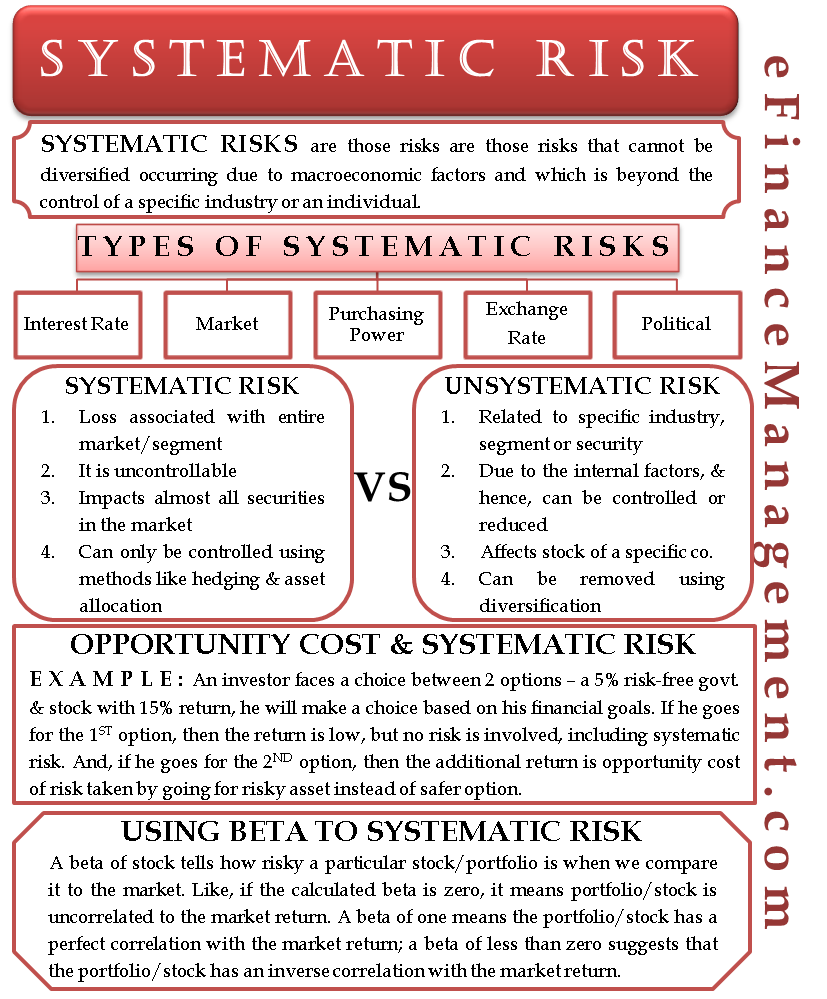
Reputation management has become a crucial aspect of understanding and mitigating brand system risk. Online reviews, social media commentary, and news articles all contribute to a brand’s public image. A single negative review, if allowed to fester and attract more criticism, can create a snowball effect. Conversely, a well-managed crisis, where a brand responds promptly and transparently to negative events, can sometimes even strengthen its reputation by demonstrating resilience and accountability.
The interconnectedness of online information means that a negative story can easily surface in search results, influencing potential customers before they even interact with the brand directly. This highlights the need for a proactive and holistic approach to reputation management, where brands actively monitor online conversations and engage with their audience.
Financial System Risk: The Contagion Effect
The global financial system is arguably the most complex and interconnected system in existence. The inherent interconnectedness of financial institutions, markets, and instruments means that the failure of one entity or the disruption of one market can have a rapid and devastating contagion effect, spreading financial distress across borders and sectors.
Personal Finance and Online Income Vulnerabilities
On an individual level, personal finance is also susceptible to system risk. Relying on a single income stream, for example, makes an individual vulnerable to job loss. Furthermore, the rise of online income streams, while offering flexibility, can also introduce new risks. Dependence on specific online platforms for earnings, changes in platform algorithms, or even the collapse of a particular online marketplace can jeopardize an individual’s financial stability. The interconnectedness of financial markets means that a downturn in one sector can impact investment portfolios and the availability of credit, affecting individuals’ ability to manage their finances.
Investing and the Interplay of Markets
The stock market, bond market, and currency markets are all deeply interconnected. A significant event in one market can trigger reactions in others. For instance, a sudden decline in stock prices might lead investors to sell off riskier assets, driving down bond prices and impacting currency exchange rates. The introduction of complex financial derivatives and the rise of algorithmic trading have further amplified these interdependencies, making the system more prone to rapid and unpredictable shifts.
Business Finance and Interconnected Dependencies
Businesses, too, are deeply embedded within a complex financial ecosystem. A company’s financial health is often reliant on its suppliers, customers, lenders, and the broader economic environment. If a major supplier experiences financial difficulties, it can disrupt a company’s production and supply chain. Similarly, a recession can lead to a widespread decline in consumer spending, impacting businesses across various sectors. The interconnectedness of credit markets means that a liquidity crunch affecting one institution can quickly spread, making it difficult for other businesses to secure necessary funding.
Mitigating System Risk: Building Resilience in a Connected World
Understanding system risk is the first step towards mitigating its potential impact. This involves a multi-pronged approach that emphasizes transparency, diversification, robust security measures, and proactive management across all sectors.
Technological Safeguards and Cybersecurity
In the tech domain, continuous investment in cybersecurity is paramount. This includes regular software updates, vulnerability assessments, penetration testing, and the implementation of strong access controls. Promoting a culture of security awareness among users and developers is also crucial. For AI, this means focusing on explainable AI, bias detection and mitigation, and robust testing protocols before deployment in critical applications.
Brand Resilience and Proactive Communication
For brands, building resilience involves fostering strong ethical practices, engaging in transparent communication, and actively monitoring public sentiment. Having a well-defined crisis communication plan, complete with designated spokespeople and pre-approved messaging, can significantly reduce the damage caused by negative events. Investing in positive brand storytelling and building strong customer relationships can also create a buffer against reputational damage.
Financial Prudence and Diversification
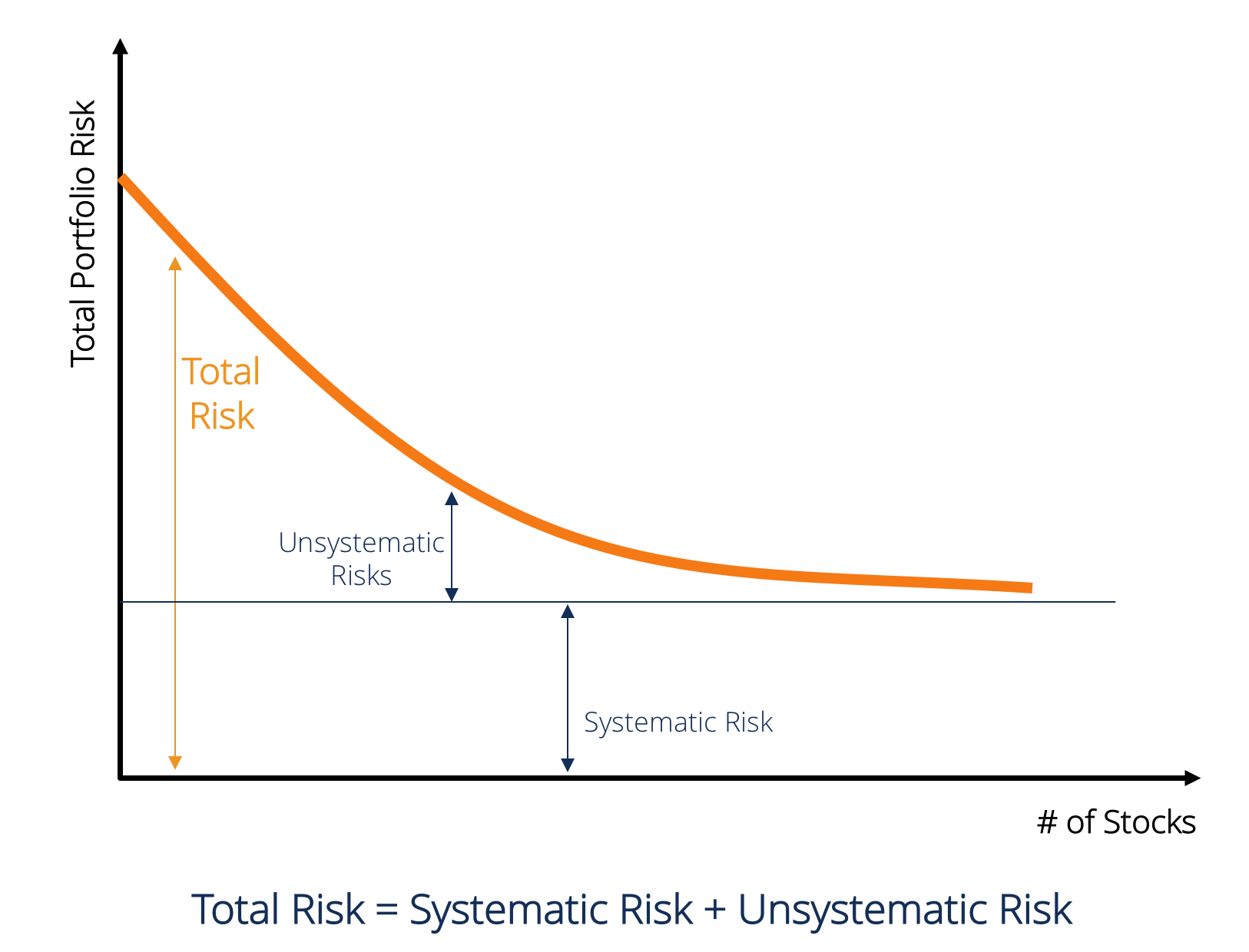
In the financial world, both individuals and institutions can mitigate system risk through diversification. For individuals, this means not relying on a single source of income or a single type of investment. Businesses can mitigate financial system risk by diversifying their customer base, supplier relationships, and funding sources. Robust financial risk management frameworks, stress testing, and regulatory oversight are also essential for maintaining the stability of the broader financial system.
Conclusion: A Collective Responsibility
System risk is an inherent characteristic of our increasingly interconnected world. From the digital threads that bind our technology to the complex networks that govern our economies and the reputations that define our brands, understanding and managing these interconnected vulnerabilities is a collective responsibility. By fostering greater transparency, implementing robust safeguards, and adopting proactive management strategies, we can collectively build more resilient systems that are better equipped to withstand the inevitable challenges of the modern era. The future of our interconnected world depends on our ability to understand, anticipate, and effectively address the pervasive threat of system risk.
aViewFromTheCave is a participant in the Amazon Services LLC Associates Program, an affiliate advertising program designed to provide a means for sites to earn advertising fees by advertising and linking to Amazon.com. Amazon, the Amazon logo, AmazonSupply, and the AmazonSupply logo are trademarks of Amazon.com, Inc. or its affiliates. As an Amazon Associate we earn affiliate commissions from qualifying purchases.